Free things to do in Morocco that are actually worth it
The best things I have done in Morocco cost me nothing
I used to think the free stuff was the filler between the real sights. The paid museum, the palace ticket, the desert camp: those were the trip. Walking around was what you did to get there.
Years of getting it wrong later, I think it is the other way round. Most of the moments I still replay were free. A square at dusk, a rampart with the Atlantic below it, a lane in Fes where I had no idea where I was and did not mind. Morocco is unusually generous this way, because so much of what makes it special happens outdoors and in public.
But “free” in Morocco comes with a catch that no brochure mentions: it is only free if you know how the game works. This post is the list I would give a friend, plus the traps around each item.
| At a glance | |
|---|---|
| Where | Medinas, squares, ramparts and beaches across the country |
| Cost | Free to wander; your real spending is mint tea, a meal, and the odd tip |
| Time needed | Depends on the city; most free sights are a morning or an afternoon each |
| Getting there | On foot, mostly. Medinas are walking territory |
| Best time | Early morning and late afternoon, when the light is better and the crowds thinner |
Walk the medinas without a plan
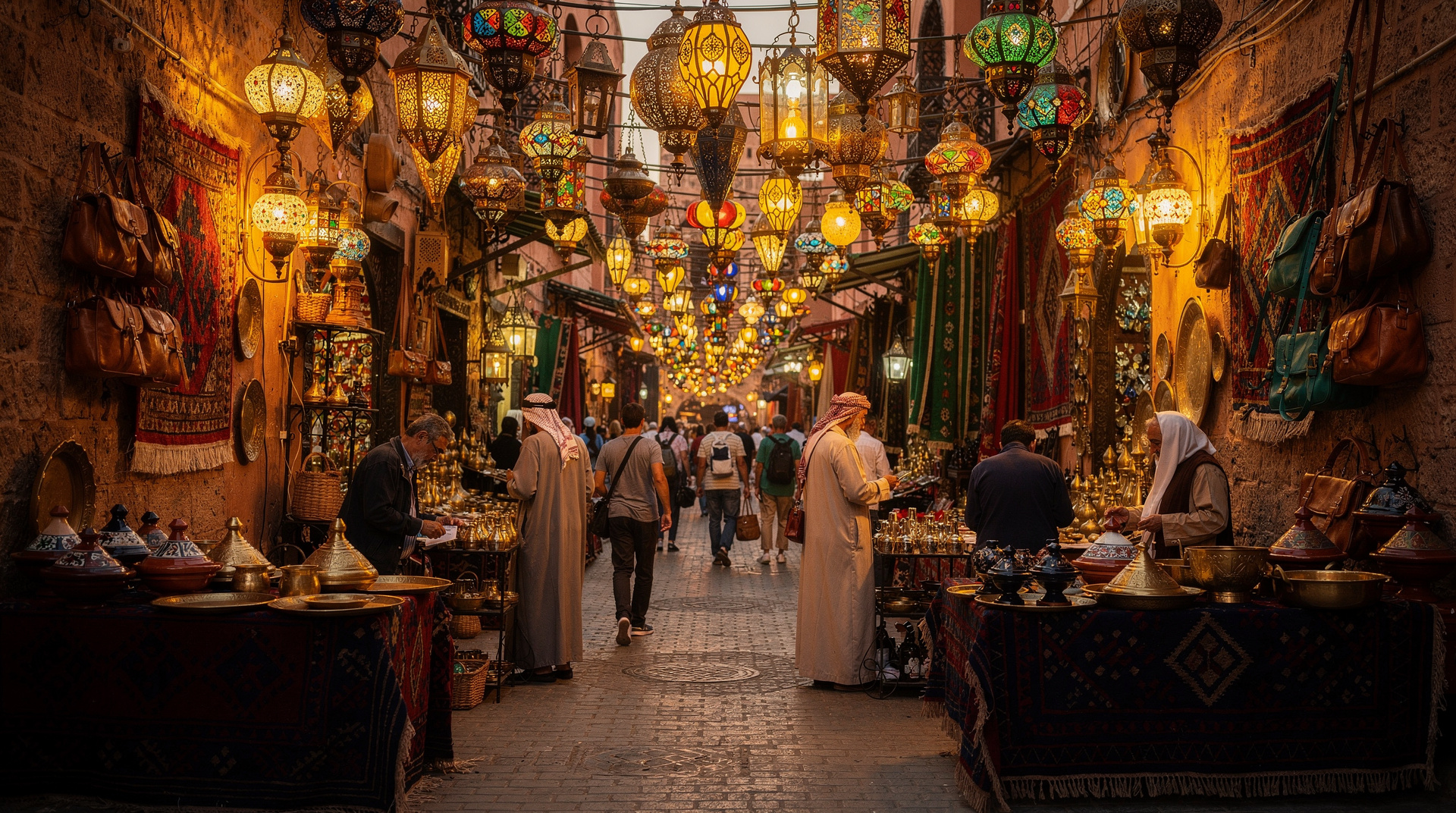
This is the big one. Fes el-Bali is the world’s largest living car-free urban area, a UNESCO World Heritage Site of some 9,400 alleyways packed into roughly 3 square kilometres. You can walk it entirely for free. The souks, the alleys, the madrasa architecture visible from the street, the Attarine spice market: none of it has a ticket booth.
What I like most is that it is still a working city. People are carrying bread, delivering gas bottles, arguing about prices. If you want the details of what is where, the Fes souks guide is the one to read before you go, and my diary of three days lost in the Fes medina is a fair preview of what getting lost there feels like.
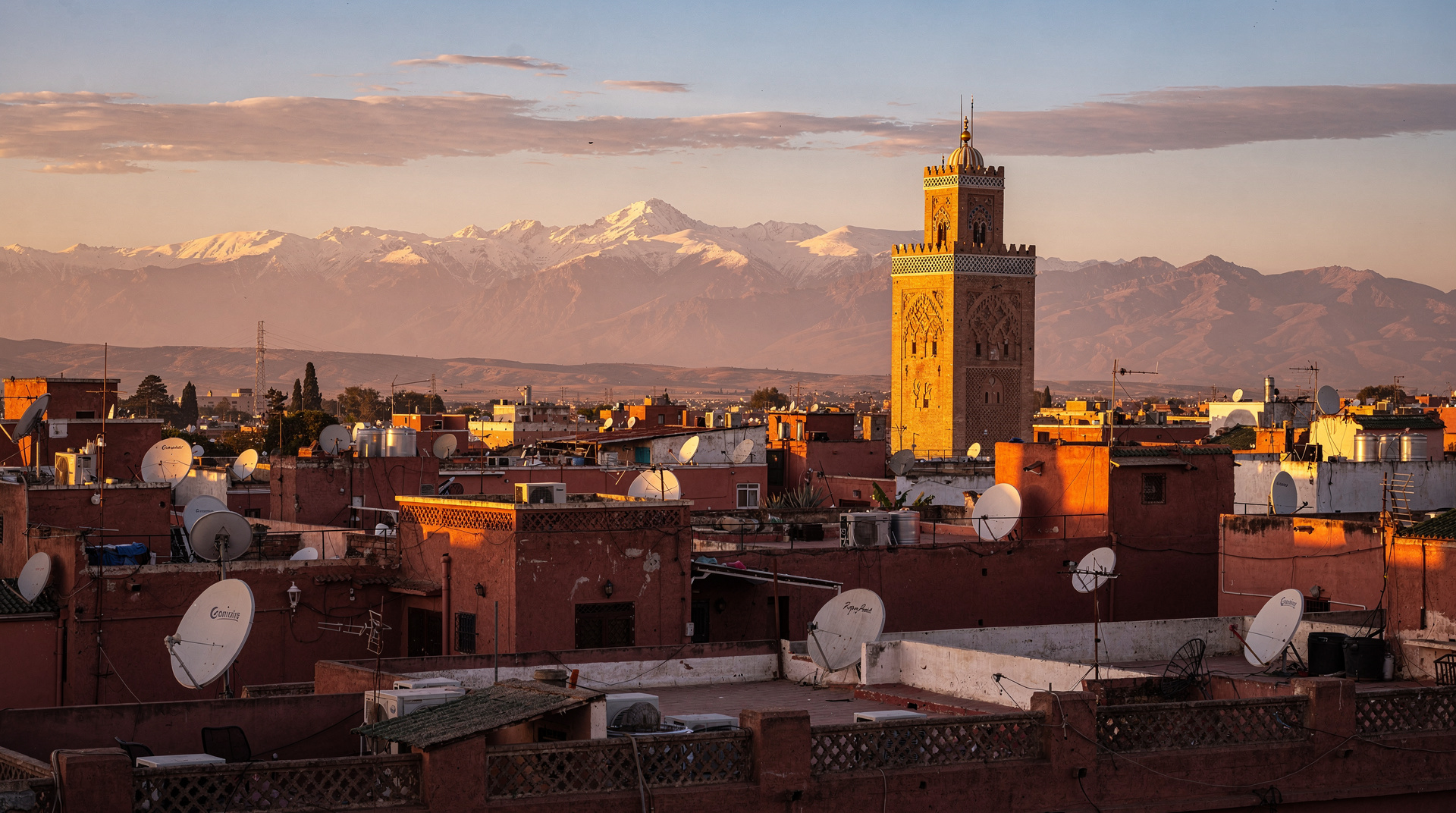
Marrakech works differently. The souk network north of Djemaa el-Fna, with Souk Semmarine, Souk el-Attarine, the lamp souk and the slipper souk, is the largest concentration of traditional crafts in North Africa, and admission is zero. It is louder and more commercial than Fes, so the Marrakech souks guide is worth skimming first.
My rule for both: do not try to navigate. Pick a landmark, walk toward it loosely, and let yourself drift. Phone maps work badly in the narrowest lanes anyway.
If you want more than wandering gives you, this is where paying makes sense. A guide who knows the history turns blank doorways into stories. For Fes, a Book a guided Fes Medina walking tour covers the ground, and in Marrakech a Book a guided Marrakech medina history and culture tour does the same. My preferred pattern, and the one our own guide recommends: a half-morning with a guide to learn the geography, then free solo exploring in the afternoon.
Djemaa el-Fna at dusk
Walk to the square in the late afternoon. It is free, and it is one of the best free performances in the country. Stand at the edge and watch the musicians, the storytellers and the acrobats set up as the light drops.
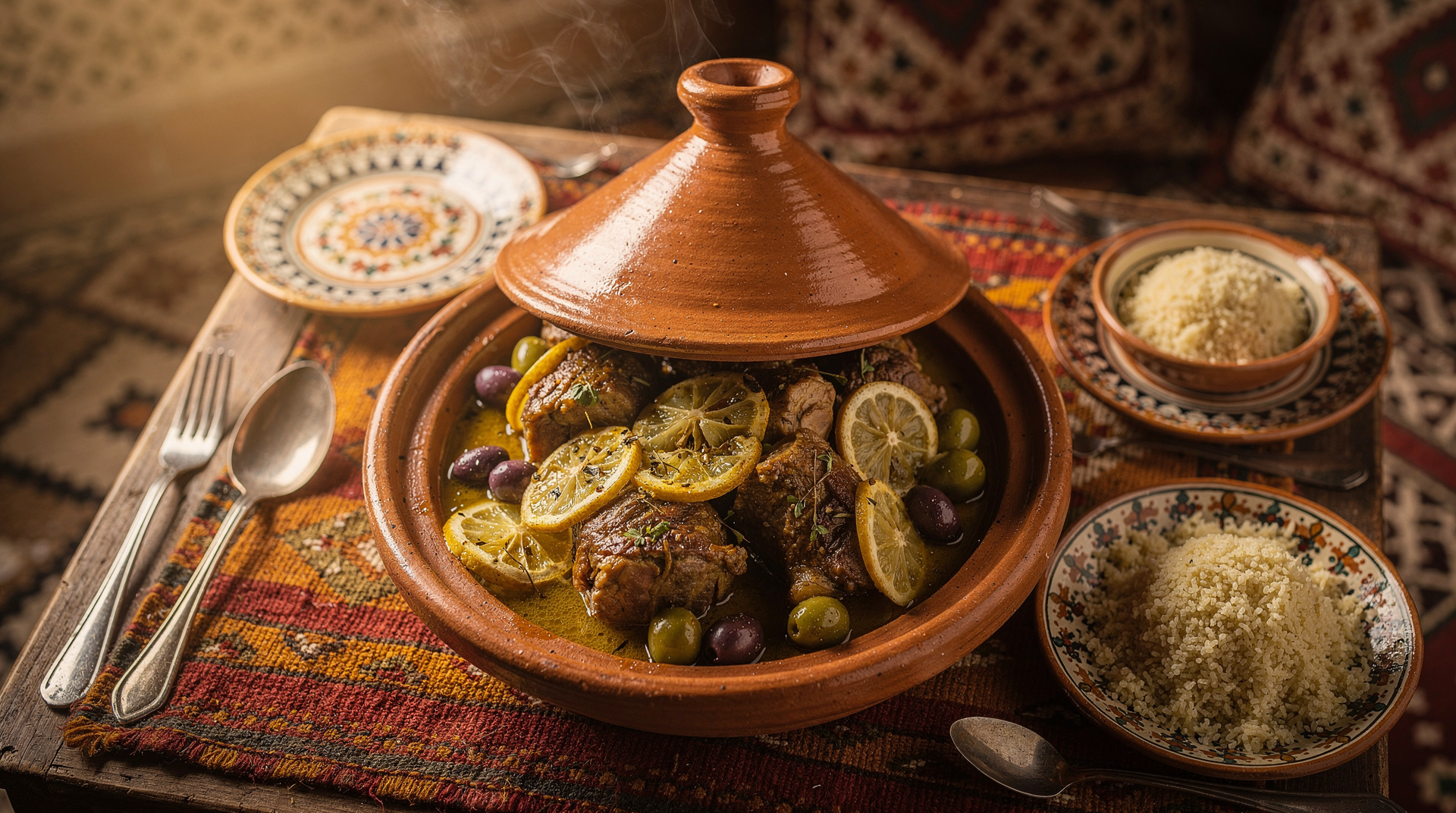
Orange juice sellers charge 5-7 MAD a glass, which is the only cost you need to take on. If you want dinner on the square, the grill stalls do kefta with bread and harira soup. I wrote up what to order, and what to avoid, in the Marrakech street food guide.
The catch here is the henna. Women near the square will offer to paint your hand “for free”, then ask for 100-200 MAD once it is applied. If you want henna, agree the price and the design before you sit down. If you do not, keep your hands in your pockets and smile.
Ramparts, kasbahs and viewpoints
Morocco’s old walls are some of the best free viewpoints you will find.
In Essaouira, the Skala de la Ville fortification gives you Atlantic views at no charge, and you can walk the ramparts above the ocean for nothing. Afterwards, wander the blue-and-white alleys and watch the kitesurfers on the long beach. I have written about why the town keeps pulling me back in why I keep going back to Essaouira.
In Rabat, most of the major sights are free: the Hassan Tower, the mausoleum and the Andalusian Garden. The Hassan Tower is a 44-metre minaret that was meant to be the tallest in the world. The sultan died before it was finished, and what remains is a forest of 200 column stumps on a great esplanade, with the tower standing against the sky in odd isolation. Museums and Chellah are the paid parts of the city. It is a quieter, calmer counterpoint to Marrakech, and the Rabat travel guide covers the rest.
In Fes, the 16th-century Portuguese-built fortress above the medina gives the best panoramic views over the rooftops, minarets and cedar terraces. Entry is free, and the walk up is steep. Go in the late afternoon, bring water, and take your time.
In Chefchaouen, the Spanish mosque above the medina is a 30-minute uphill walk from the top of the old town. The view over the blue city and the Rif mountains behind it is one of the best viewpoints in northern Morocco, and it is completely free.
The blue city, without the blue-city bill
The whole of Chefchaouen’s medina is free to explore. Start at Plaza Uta el-Hammam, shaded by orange trees and flanked by the kasbah and the Grand Mosque, then work uphill into the residential quarters where the blue is deepest and the tourists fewest. Early morning, before 9 am, and late afternoon, 4-6 pm, give the best light and the thinnest crowds.
The cafes on the central square charge a premium. Mint tea there runs 15-20 MAD against 8-10 MAD at local places. Walk 5 minutes toward the Bab el-Ain end and you are paying local prices. It is a small saving, but it is the same instinct that keeps a free day free.
Beaches and the sea
Beach access is free everywhere in Morocco. What you pay for is what you put on the beach: a sunbed, an umbrella, a plate of grilled seafood. The seafood plates are worth it, at around 40-80 MAD, with oysters around 6 for 80-120 MAD.
For where to point yourself, the best beaches in Morocco guide sorts them by type of traveller. Asilah on the north coast is a good one for a gentle day by the sea and a look at the street art; the best months are April to June and September to October, when it is warm enough for the beach but free of the July-August school holiday crowds. The Asilah travel guide has the detail.
The desert edge, if you are in Merzouga
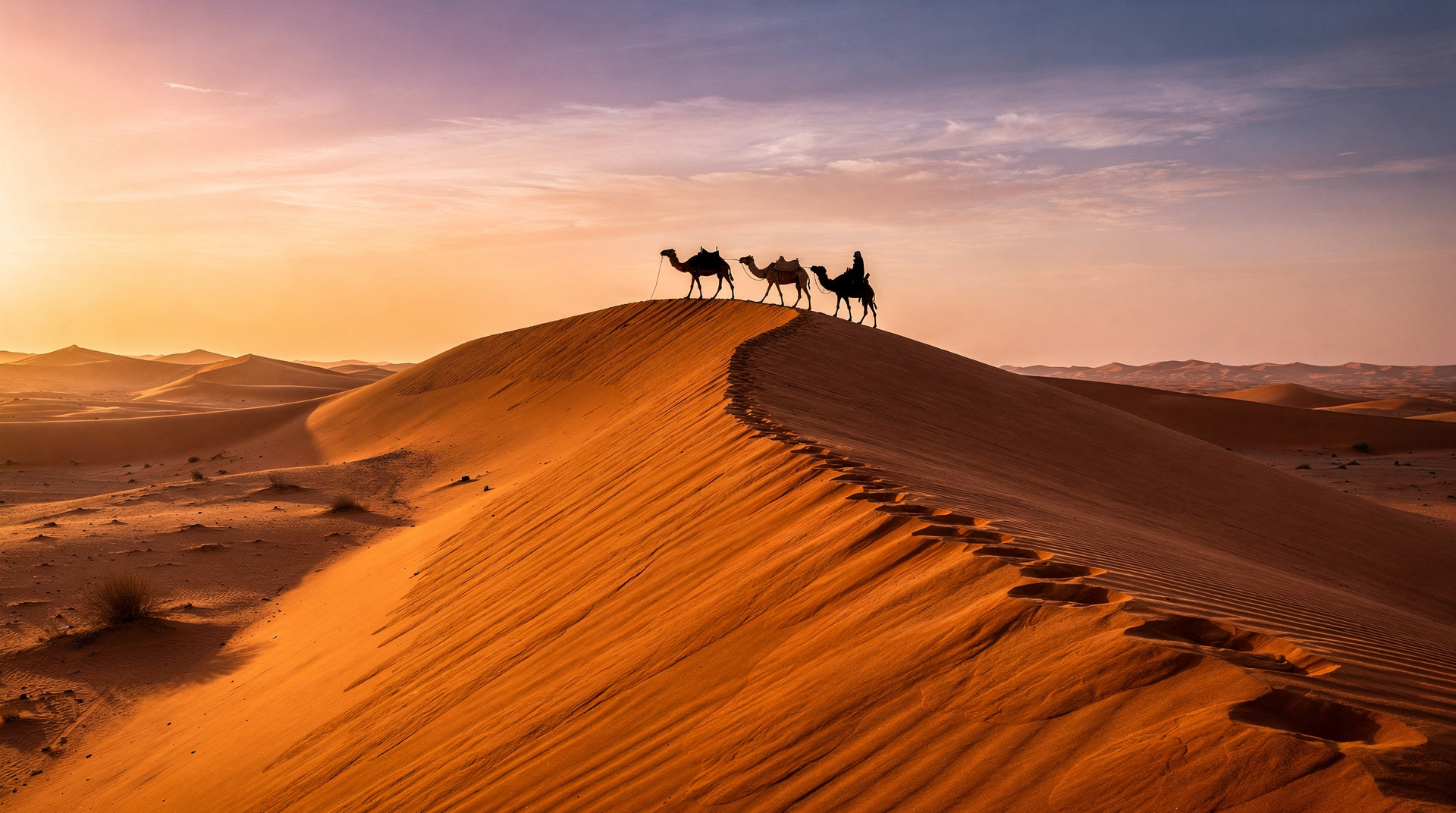
The free Merzouga experience is simple: walk toward the dunes in the morning. The Erg Chebbi sand sea starts at the edge of the village and extends 50 km along the Algerian border. Nothing stops you walking in. The sand is soft, the silence is total, and the colour changes every hour through the day.
Do be honest with yourself about how far you go and what you carry. Take water, keep the village in sight, and remember that the dunes look closer than they are.
How to stop “free” turning into a bill
The free sights themselves are rarely the problem. The people around them sometimes are.
The “free” guide. Someone offers unprompted help finding a landmark and delivers you to a cousin’s carpet shop first. Know where you are going before you enter the medina, and a polite but firm “no, thank you” works better than any speech.
The tannery terrace. Fes’s Chouara tanneries are a working facility, not a public space. You see them from the terraces of the surrounding leather shops, which let you up for free in exchange for the chance to show you their goods. I do not call that a scam. It is an honest commercial arrangement, and you are under no obligation to buy. The mint sprig at the door is to counteract the smell, so accept it. Say “just looking, thank you” and mean it. Where it turns sour is when the social pressure starts on the rooftop, and some shops are pushier than others.
The henna hand. Covered above, but worth repeating, because it is the single most common one I hear about.
Tips. Not every service is a scam, and not every helpful person is after money. If someone genuinely helps you, a small tip is normal. The tipping in Morocco guide has the amounts, so you are not guessing at the moment.
For the full catalogue of patterns, the scams to avoid in Morocco guide is the one I would read on the plane.
What is worth paying for instead
I would not turn everything free into something paid. But a few things are worth the money:
- A guide for your first hour in a medina. Not because you cannot walk, but because one good conversation about what you are looking at changes the rest of the walk.
- Museums and sights that charge, like Chellah in Rabat. Fair prices, real value.
- A proper meal. The cheap food in Morocco is great, but the occasional sit-down dinner is part of the trip.
Free is a great budget strategy and a poor travel philosophy. If you are planning on a tight budget, the Morocco trip cost breakdown is the honest place to start.
Frequently asked questions about free things to do in Morocco
Are Morocco’s medinas really free to enter? Yes. You can walk the medinas of Fes, Marrakech and Chefchaouen without paying anything. You only pay for entry to specific monuments, museums and gardens inside them.
Is the Chouara tannery view in Fes free? Yes, from the terraces of the surrounding leather shops. You are not required to buy, though some shops will push. Check the Fes travel guide for how to approach it.