10 things I wish I knew before my first trip to Morocco
The gap between expectation and reality
Every country has a gap between what guidebooks tell you and what actually happens on the ground. Morocco’s gap is wider than most. The first day can feel like a full-contact sport — until you calibrate. Here are the ten things we wish we had known before our first Moroccan trip.
| At a glance | |
|---|---|
| Best first stop | Marrakech (classic, intense) or Essaouira (gentler entry) |
| Currency | Moroccan dirham (MAD), cash-heavy, get some at the airport on arrival |
| Typical trip length | 7-10 days covers Marrakech, one other city, and a desert or coast extension |
| Getting around | Grand taxis, CTM/Supratours buses, ONCF trains between major cities |
| Best time to go | Spring (Mar-May) or autumn (Sep-Nov) for milder temperatures |
1. The drive from Marrakech to Merzouga is brutally long
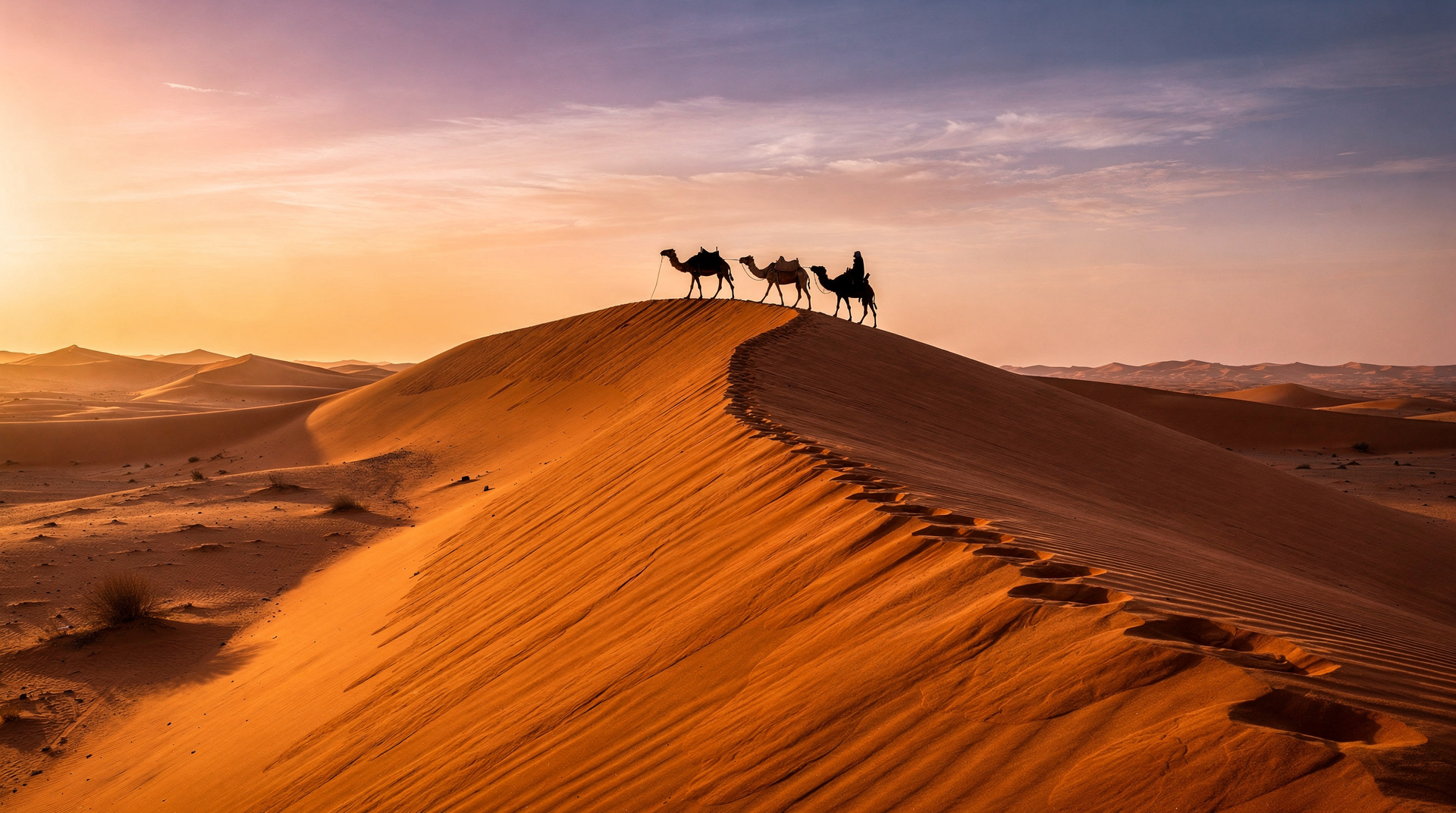
On the map, it looks like a reasonable day’s drive. In reality, it is ten to eleven hours through the Tizi n’Tichka pass, Ouarzazate, Aït Benhaddou, and Todra Gorge. Every serious 3-day Sahara tour from Marrakech builds this in. If someone is selling you a two-day desert trip to Merzouga, they are rushing you through the best stretch of the route.
Accept the three-day itinerary or, if you only have two days, do Zagora instead — which is honest about being the shorter option. The 3-day Sahara trip from Marrakech to Merzouga is the standard tour that handles the logistics correctly — the drive broken across two days with kasbah stops built in.
2. You will absolutely get lost in the Fes medina
Fes el-Bali has roughly 9,000 alleyways and almost none are on Google Maps in any useful way. Your GPS blue dot will drift confidently across buildings. A one-hour casual walk can turn into three. This is not a bug — it is the experience — but book a guide for at least your first half-day in Fes. You will understand the medina five times better, and you will still get delightfully lost on your own the next day.
The Fes old medina walking tour with a local guide is exactly this — a half-day orientation that makes the subsequent solo wandering far more meaningful.
3. “It’s closed today” and “follow me, I’ll show you the tannery” are often the same scam
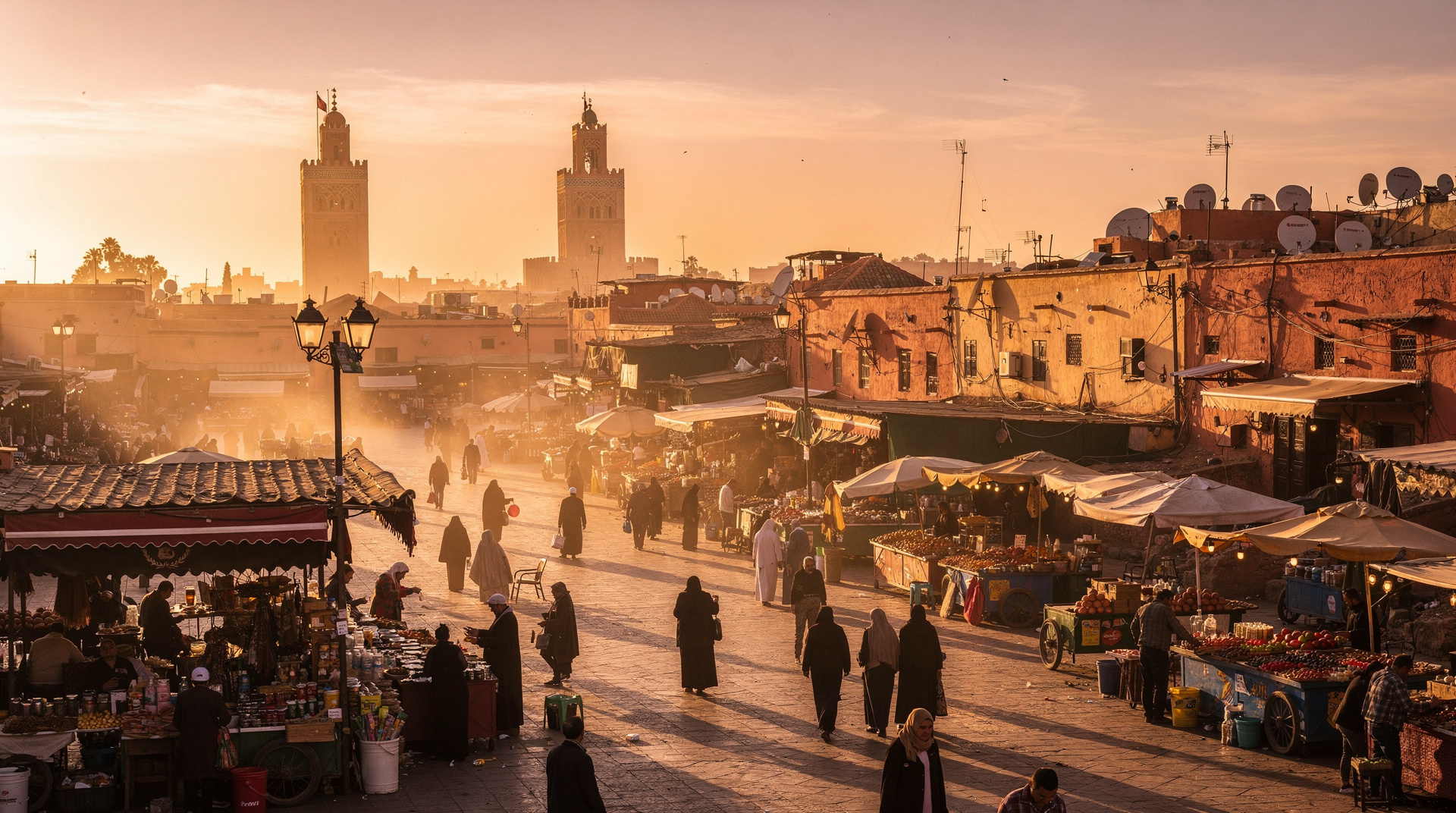
Someone will tell you the tannery is closed, the madrasa is closed, or the souk is the “wrong way” — and offer to show you an alternative. What comes next is a carpet shop, a “cousin’s” shop, or a commission-generating maze. Politely say “La, shukran” (no thank you) and keep walking. Real locals do not approach tourists unsolicited. We cover this and other common traps in our scams guide.
4. Moroccan cities turn down the heat at night — not by much, but enough
We wore shorts and t-shirts to dinner in May. By 9 pm our teeth were chattering. Interior Morocco is high and dry. Marrakech sits at 466 m, Fes at 400 m, Ouarzazate at 1,150 m, and parts of the Atlas get snow. Pack a warm layer even in shoulder season, especially for desert nights when temperatures can drop 20°C after sunset. The packing list has the full breakdown.
5. The dirham is a closed currency
You cannot legally exchange dirhams outside Morocco. We tried to get some in a Paris airport bureau de change before our first trip. Nothing. You exchange at the airport on arrival or at bureaus in the city. ATMs are everywhere in major cities and give better rates than cash exchange. See our currency guide for practical tips.
6. Haggling is mandatory and exhausting
In souks, the asked price is roughly 3–5x what a local would pay. The “real” price emerges after patience, mint tea, and theatrical walking-away. If you hate this, buy at fixed-price co-operatives (Ensemble Artisanal in Marrakech is one example), or accept that you will pay more than you technically should. Our bargaining guide gives concrete opening-offer heuristics.
7. Tipping is real and everywhere
You tip the parking man who “watches” your car (5–10 MAD). You tip the luggage porter at the riad. You tip 10% in restaurants. You tip the bathroom attendant. Keep a pocket of 5, 10, and 20 MAD notes at all times. The tipping guide lays out the exact amounts.
8. Tagine is a cooking method, not a dish
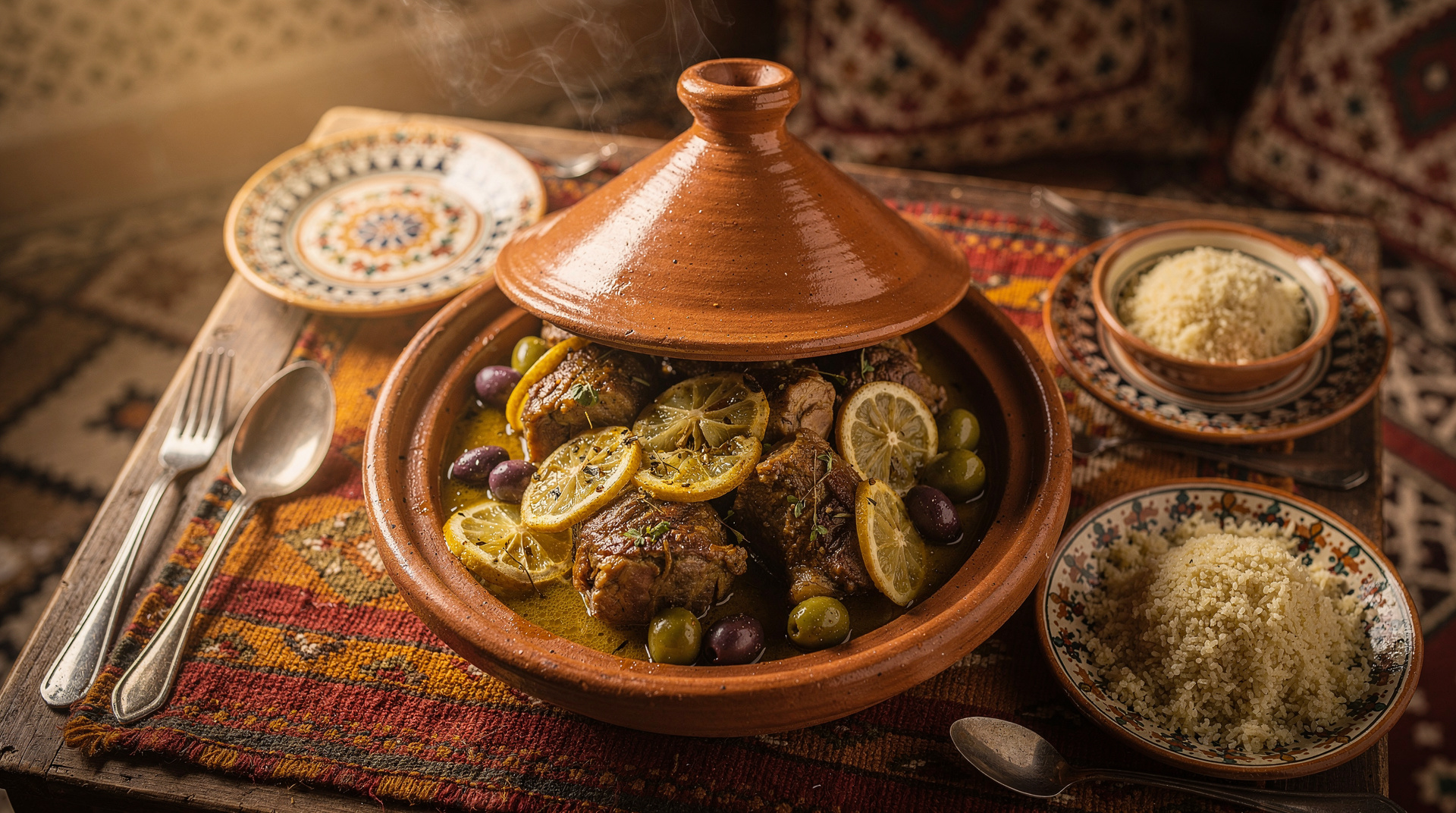
A tagine is the conical clay pot. Whatever is cooked in it is called “tagine de [main ingredient]”. Ordering “tagine” on a menu is like ordering “bowl” in a diner. Look for tagine chicken with preserved lemon and olives (the classic), tagine lamb with prunes, tagine kefta (meatballs with egg). Couscous is traditionally a Friday ritual — many locals will not eat it any other day. When you see “couscous Friday” on a restaurant menu, that is the one to order.
9. The word “medina” is not one thing
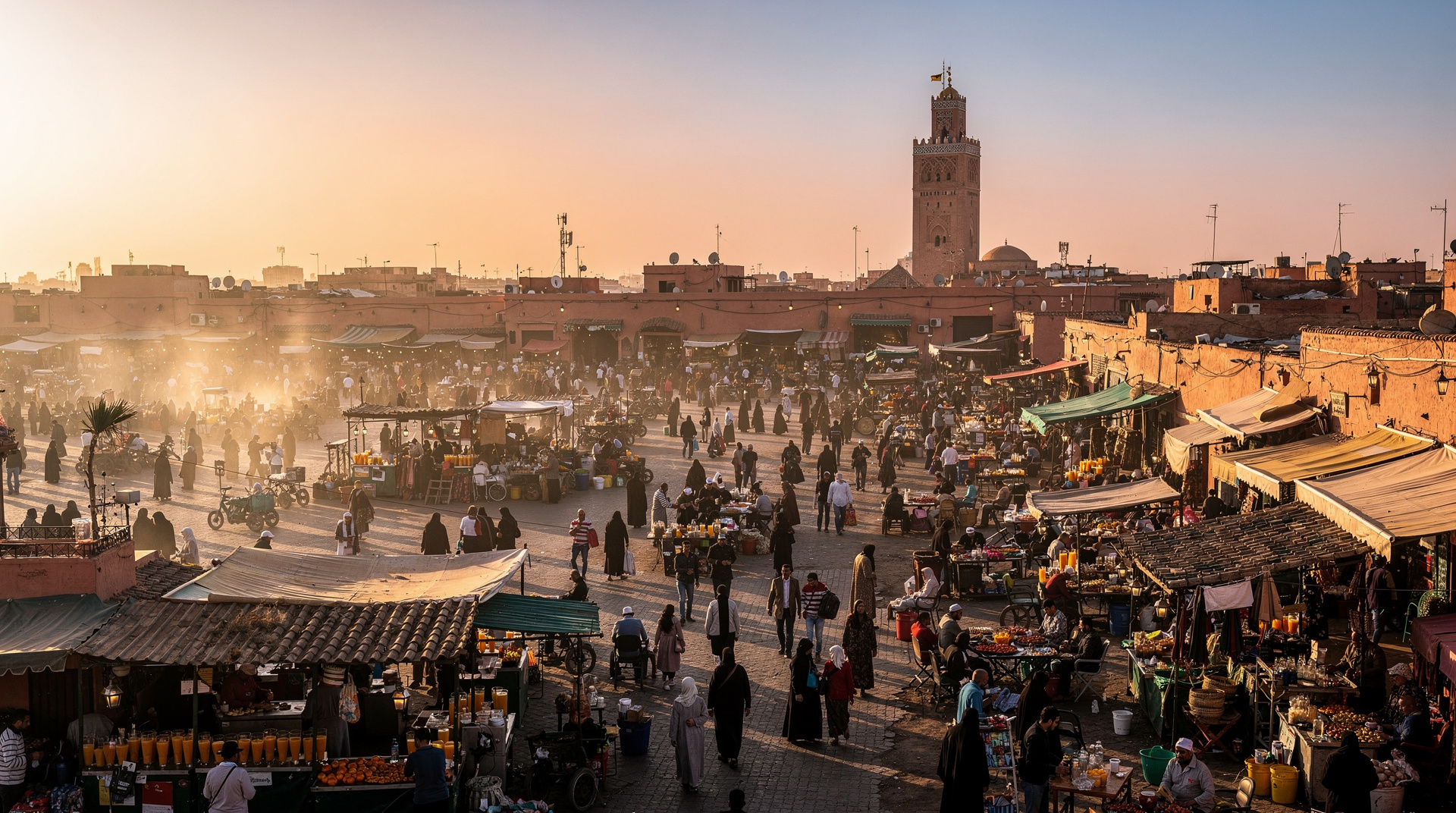
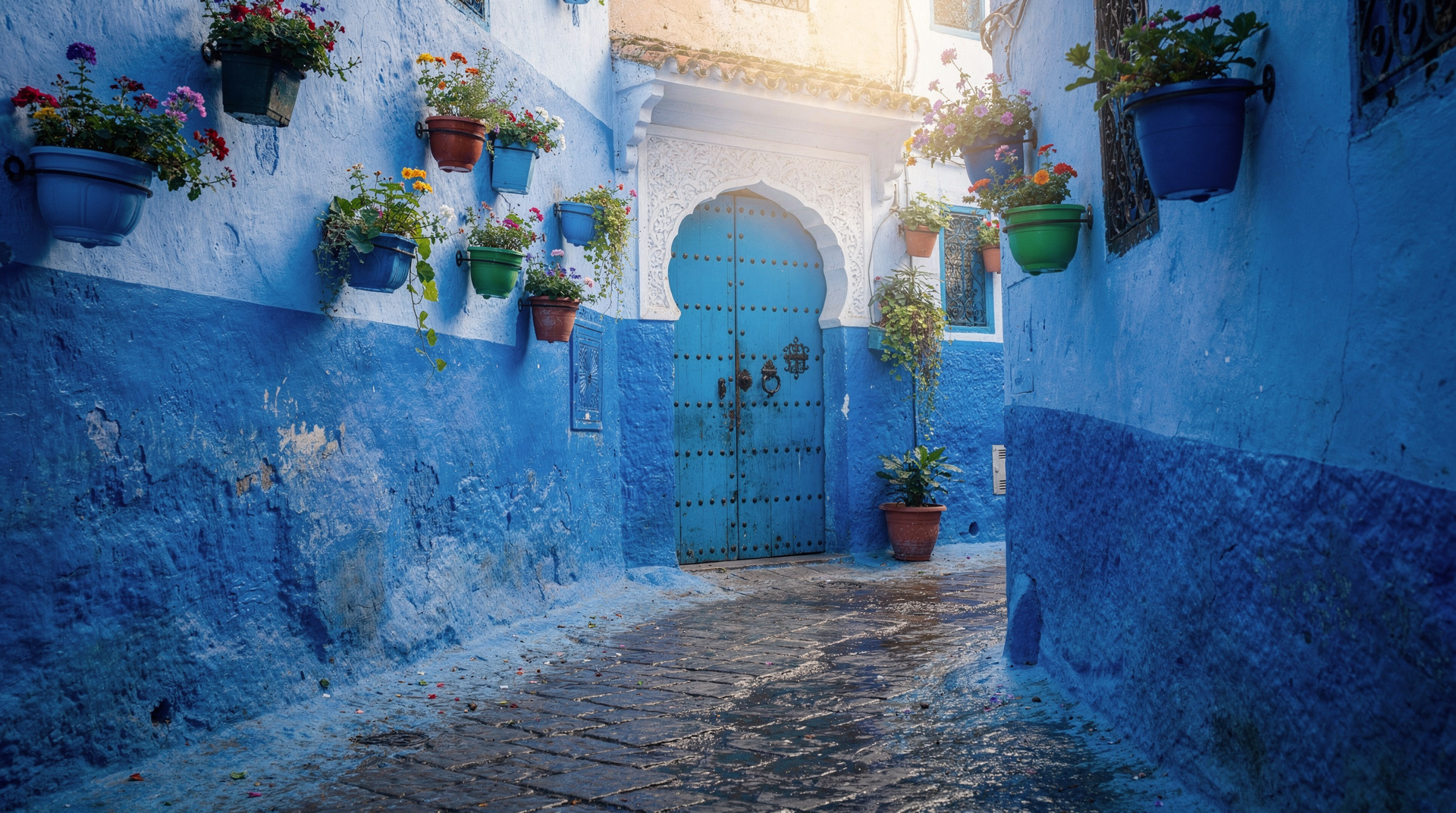
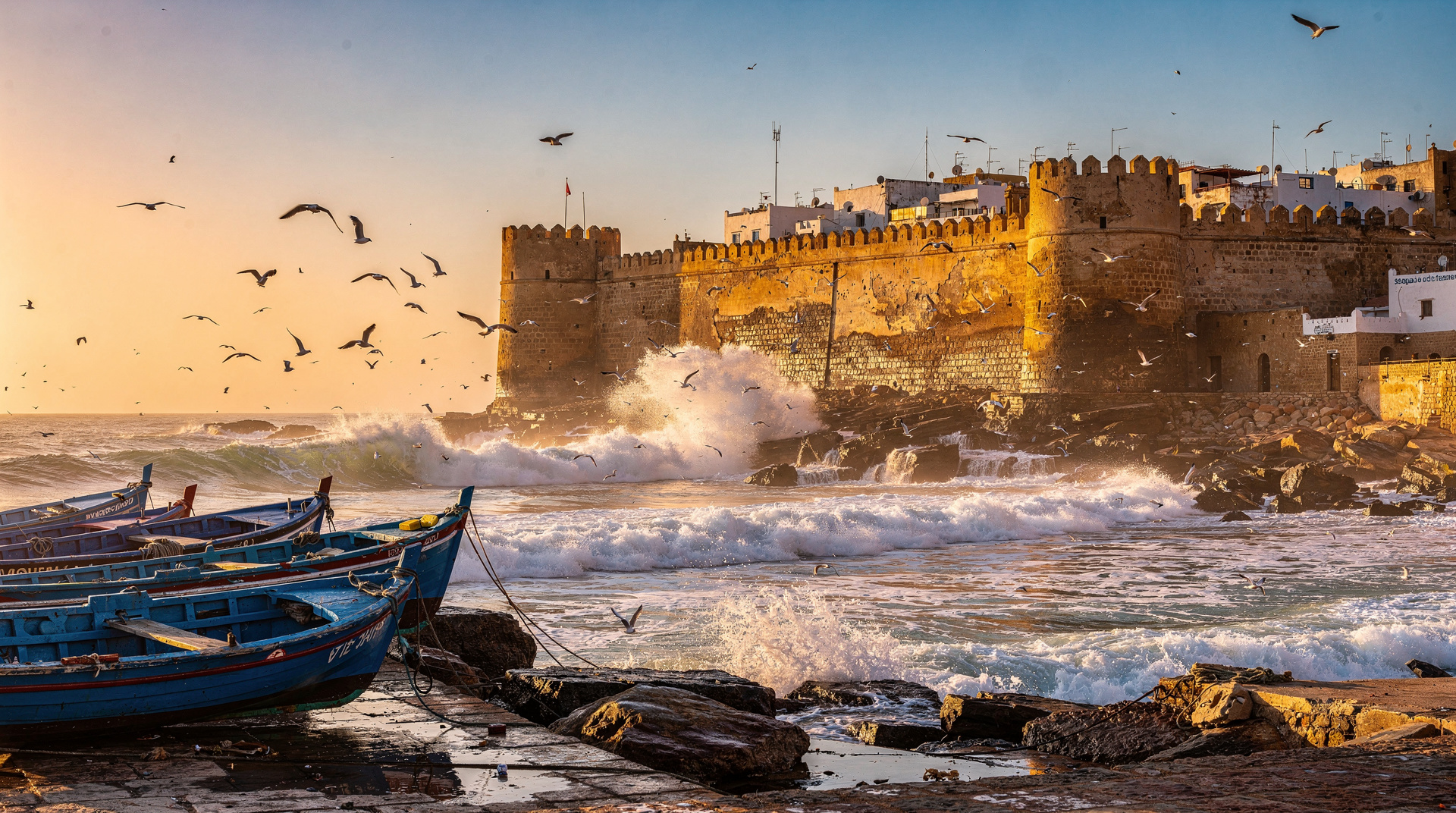
Every Moroccan city has a “medina” — the historic old walled city. But they are very different. Marrakech is chaotic, performative, tourist-facing. Fes is deeper, more working, more authentically medieval. Chefchaouen is a tiny, photogenic mountain village painted entirely blue. Essaouira is windswept, Atlantic, walkable in an hour. Do not base your expectations of one on another. Our Marrakech vs Fes comparison goes deeper on the two biggest.
10. Slow down
The single thing that would have transformed our first Morocco trip is pacing. We tried to do Marrakech, Fes, Chefchaouen, and the Sahara in ten days. We did it, technically. We also spent half the trip exhausted and mildly angry. Morocco punishes speed. A seven-day trip with three nights in Marrakech, one desert tour, and a rest day in Essaouira would have been more memorable than the ten-day marathon.
Our 7-day Morocco itinerary and 10-day Morocco itinerary both build in breathing room on purpose. Follow them. Future-you will thank past-you.
11. Riads are not hotels — book accordingly
A riad is a traditional courtyard house, usually with three to eight rooms, run by a family or small team rather than a hotel chain. That means no 24-hour front desk in most cases, breakfast served at a set time in the courtyard, and check-in coordinated by WhatsApp or phone call rather than a lobby kiosk. It also means a level of hospitality — a mint tea on arrival, someone who actually remembers your name — that no international chain replicates. Read our riad vs hotel guide before booking, and if it is your first trip, airbnb vs riad in Marrakech is worth the five minutes it takes to read.
12. Not every city deserves the same number of nights
We over-allocated Marrakech on our first trip out of sheer inertia — it was the arrival city, so we defaulted to more nights there than it needed. In hindsight, two full days is enough for most first-timers to hit the highlights properly, and the extra night is better spent in Chefchaouen or on the coast. Our Marrakech vs Fes and Marrakech vs Essaouira comparisons will save you from making the same allocation mistake.
Frequently asked questions about 10 things I wish I knew before my first trip to Morocco
Is it better to start a first Morocco trip in Marrakech or somewhere quieter? Marrakech is the classic entry point and has the best flight connections, but if you are easily overwhelmed, starting in Essaouira and working inland gives you a gentler ramp-up before the intensity of the big medinas.
How much cash should I carry in Morocco? Enough for daily tips, taxis, and souk purchases — ATMs are widely available in cities, so carrying large sums is unnecessary. Keep small notes (5, 10, 20 MAD) on hand for tipping throughout the day.