3-Day Sahara Desert Tour from Marrakech: Complete Route Guide
What does a 3-day Sahara tour from Marrakech cover?
The classic route covers Aït Ben Haddou (UNESCO kasbah), the Dadès Valley, a night in the Merzouga erg (Erg Chebbi dunes, camel ride, camp dinner), and returns via a different route through Todra Gorge or directly. Total driving is around 20 hours spread over 3 days with stops.
The classic Morocco road trip that everyone does — and usually doesn’t regret
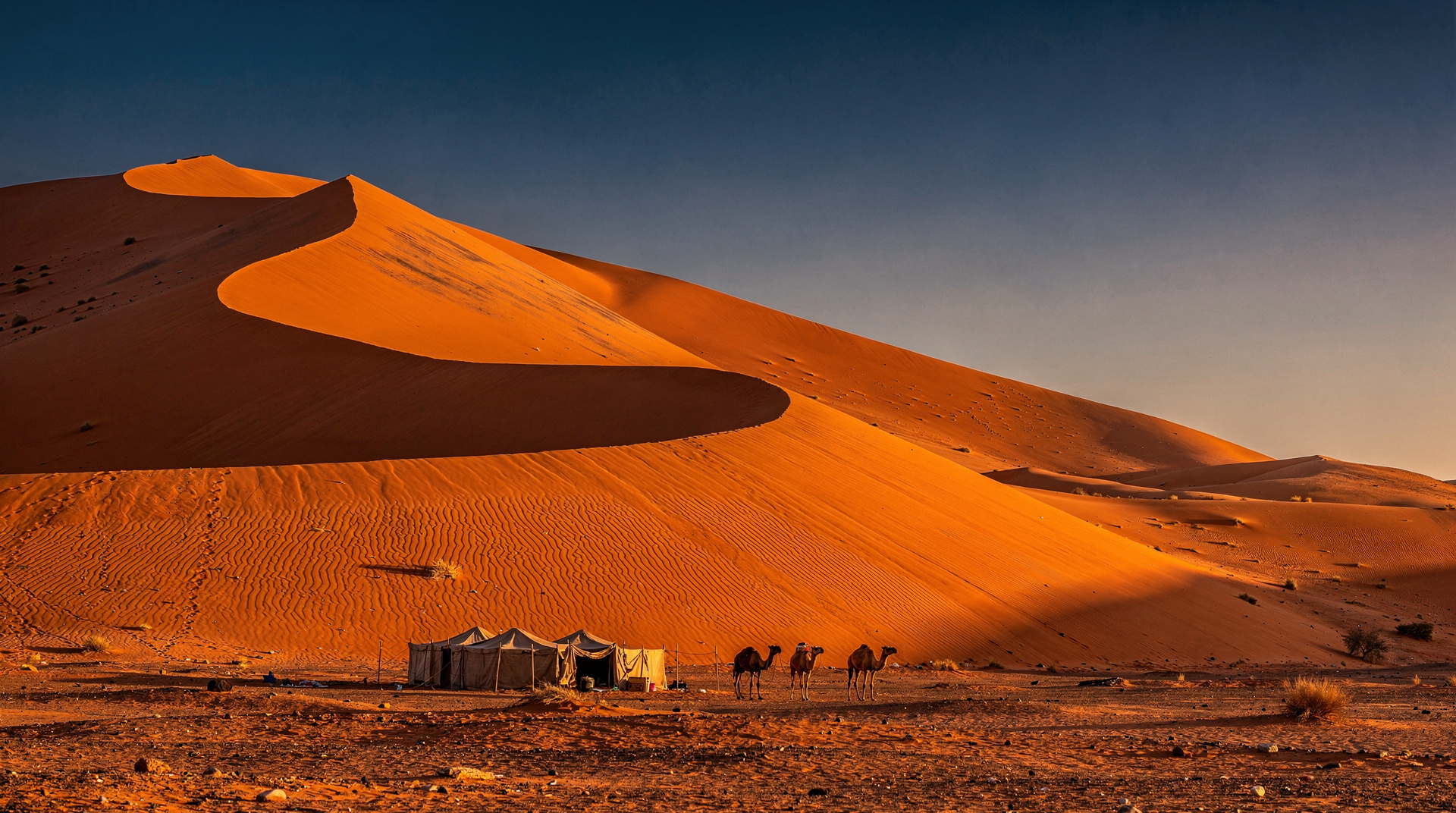
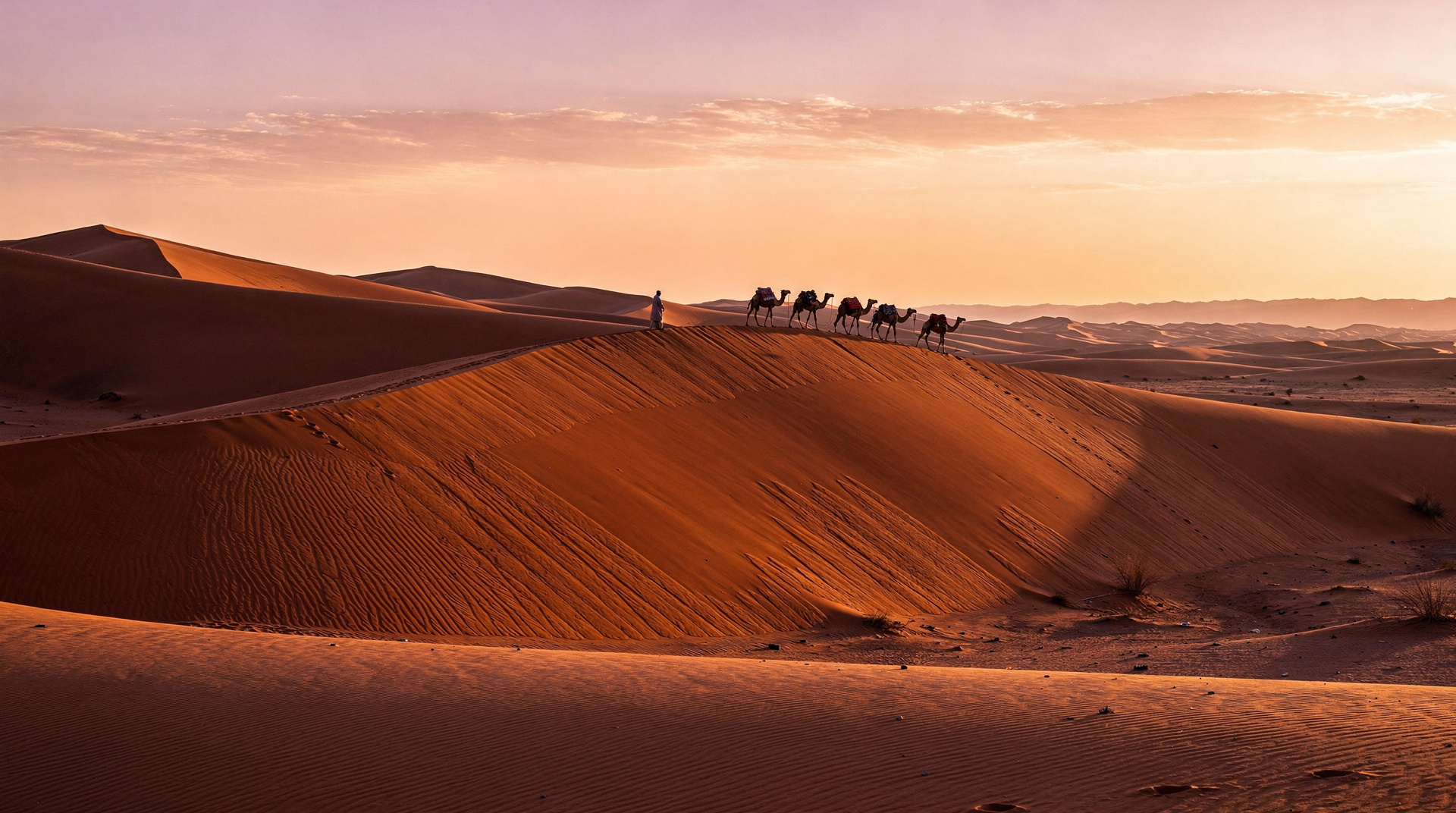
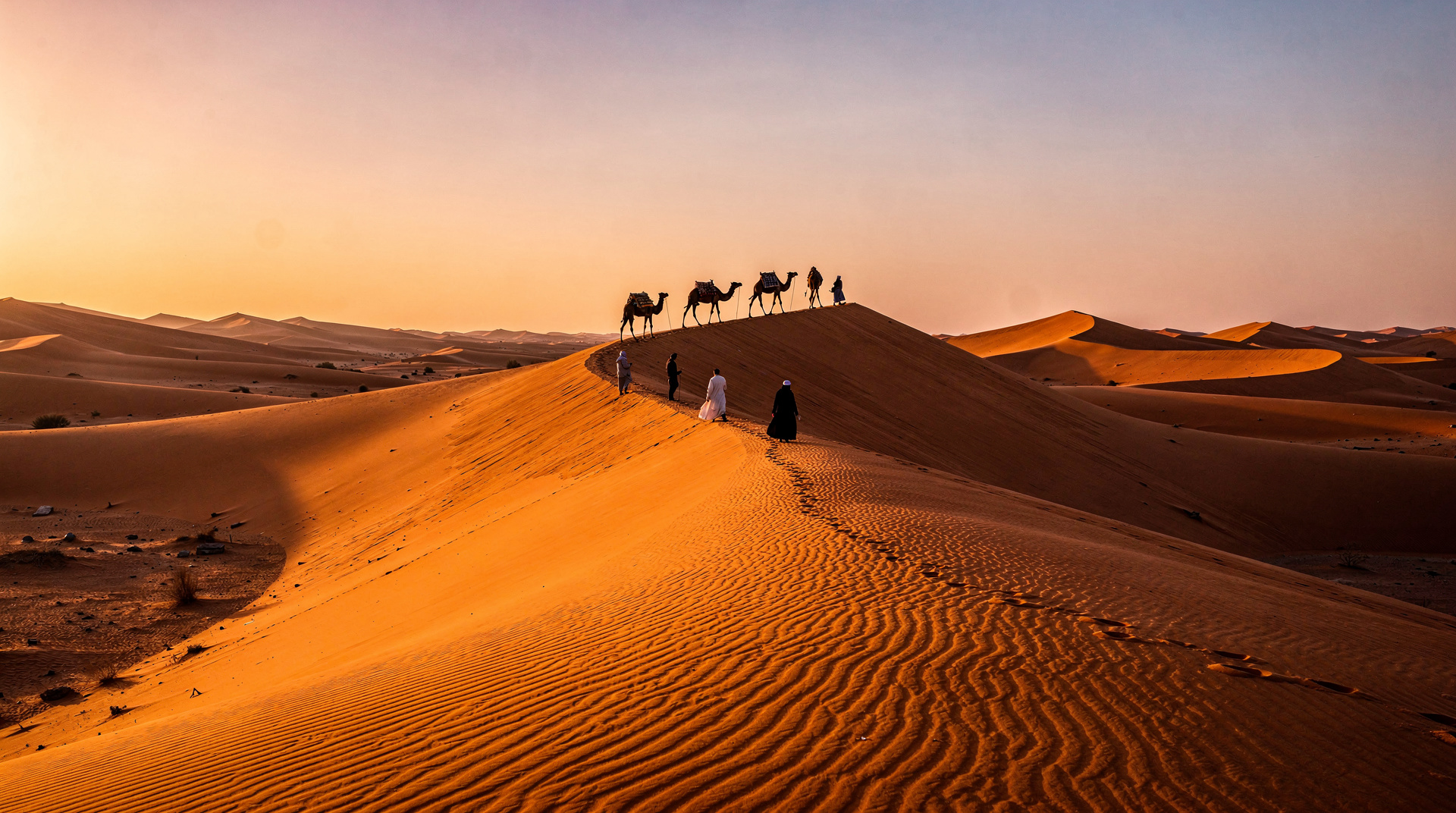
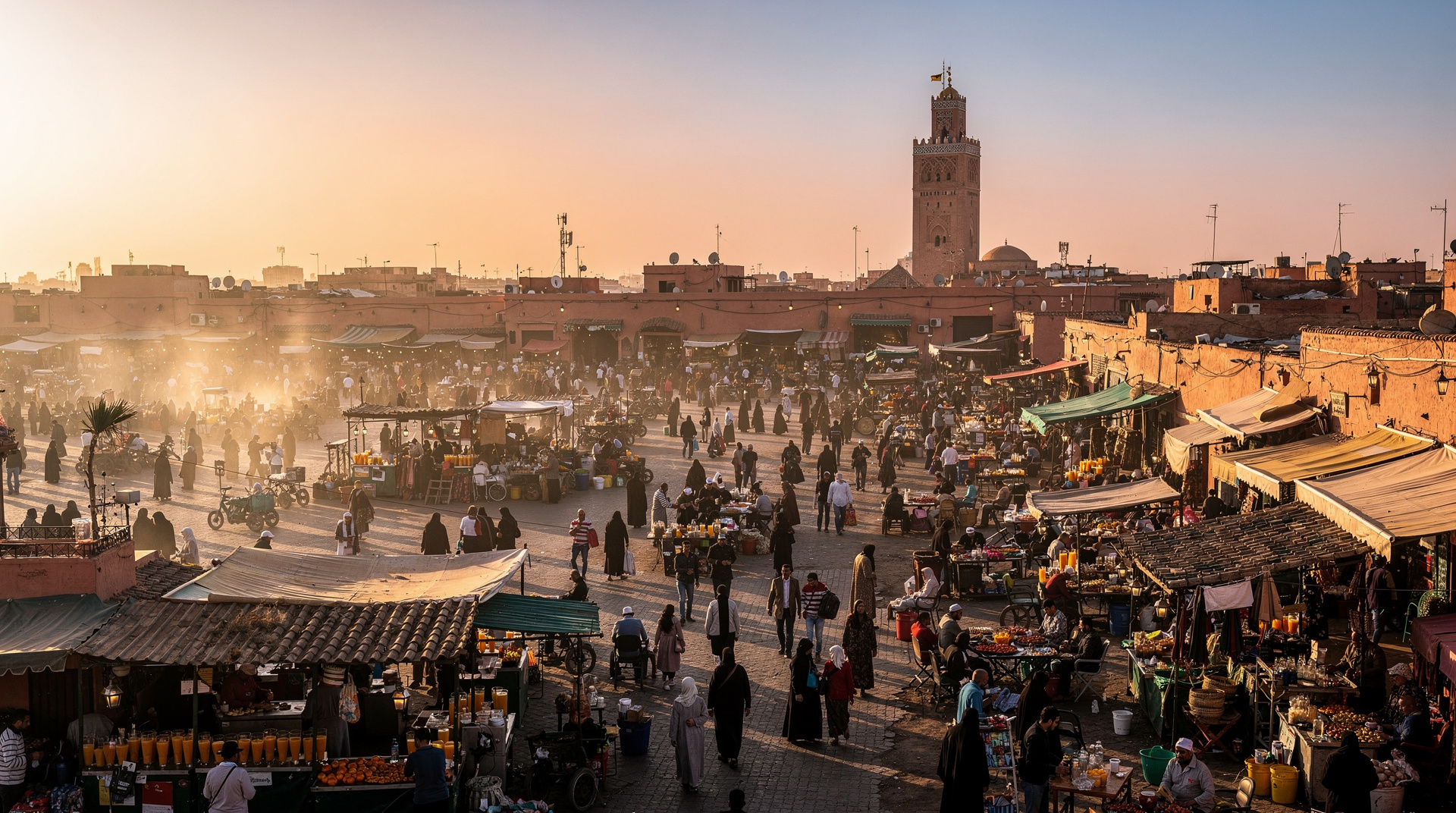
The Marrakech–Merzouga 3-day loop is the most popular tour in Morocco for a reason. It packs an extraordinary amount of landscape into 72 hours: Atlas mountain passes, a UNESCO-listed kasbah used in dozens of films, rose valley gorges, and then the dunes themselves — Erg Chebbi’s orange sand waves pushing up to 150m.
This guide gives you the route day by day, what’s worth stopping for, what gets skipped, camp options at every price point, and how to avoid the most common mistakes when booking.
At a glance
| Where | Marrakech to Merzouga (Erg Chebbi), via Aït Ben Haddou, Ouarzazate and Dadès Valley |
| Cost | Around 250-400 EUR/person shared, 400-650 EUR/couple private |
| Time needed | 3 days minimum (4 days for a more relaxed pace) |
| Getting there | Organised tour with hotel pickup, or self-drive with a separately booked camp |
| Best time | Spring and autumn for mild driving days; winter mornings near the dunes are cold, summer afternoons are very hot |
Is 3 days enough?
Three days is the minimum for this trip done properly. You get:
- Day 1: Marrakech to overnight near the dunes (10h with stops)
- Day 2: Sunrise camel ride, morning in the erg, afternoon drive
- Day 3: Return to Marrakech, typically arriving late evening
You won’t have idle time. Each day involves 4-7 hours of driving. The stops are genuine highlights, not filler, but if you’re expecting slow travel you’ll find 3 days intense. A 4-day version (available from some operators) adds a more relaxed Todra Gorge stop or an extra morning in the dunes.
Day 1: Marrakech to the edge of the Sahara
Marrakech → Aït Ben Haddou → Ouarzazate → Skoura → Boumalne Dadès Driving time (with stops): 8-10 hours
Departures are typically 7:00-8:00am. The earlier you leave, the better — you cross the Tizi n’Tichka mountain pass (2,260m) while there’s still morning light on the Atlas slopes, and you reach Aït Ben Haddou before the midday heat.
Tizi n’Tichka pass: The Atlas crossing takes about 2.5 hours from Marrakech. The road is paved and in reasonable condition, though narrow in places. The views across the Atlas are reason enough to not sleep through this section.
Aït Ben Haddou (UNESCO World Heritage Site): This is the first major stop. The ksar (fortified village) has appeared in Gladiator, Game of Thrones, Lawrence of Arabia, and many others — though knowing that doesn’t diminish the genuine antiquity of the place. Walk across the river (seasonal — sometimes stepping stones, sometimes a wooden bridge), climb to the grain store at the top, and allow 1.5-2 hours. Lunch is usually eaten here at one of the terrace restaurants overlooking the ksar.
Ouarzazate: “The Hollywood of Morocco” is a working city with film studios (Atlas Studios, Cinema Caid Aït Benhaddou) and a kasbah (Taourirt) worth a quick stop. Most tours allow 30-45 minutes here.
Rose Valley (Kalaat M’Gouna/Dadès Valley): The Dadès Valley is lined with kasbahs, almond orchards, and — in April — an extraordinary quantity of Damask roses used in Morocco’s rose oil industry. The road narrows into the Dadès Gorge with rock formations locals call “monkey fingers.” Overnight at a small hotel or guesthouse in the Dadès area, typically included in your tour.
Day 2: Into the Sahara
Boumalne Dadès → Tinghir → Todra Gorge → Erfoud → Merzouga (Erg Chebbi) Driving time: 4-5 hours
Todra Gorge: One of Morocco’s most striking geological features — a narrow canyon where rock walls rise 300m and a river flows through the base. The light inside the gorge is extraordinary in early morning. Most tours allow 1 hour here; it deserves two if your schedule allows. Walk upstream past the tourist cluster and the canyon opens further.
Erfoud fossil market: Erfoud sits in a region rich in trilobite and orthoceras fossils. The fossil markets — both the official one and the various roadside shops — are worth a stop. Be prepared to negotiate aggressively; initial prices are often 3-4x what the piece is worth. Your guide should know which dealers are more honest.
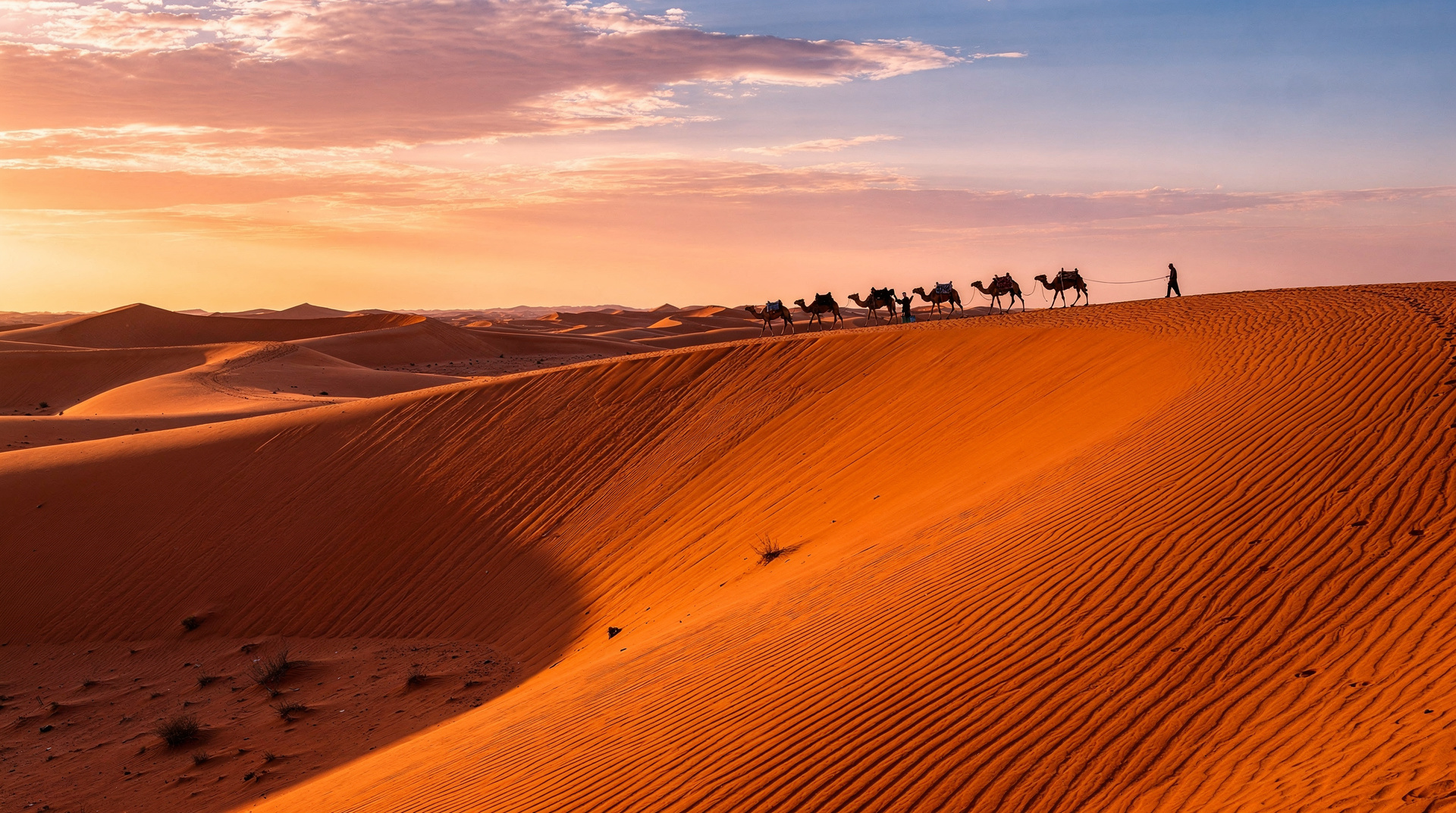
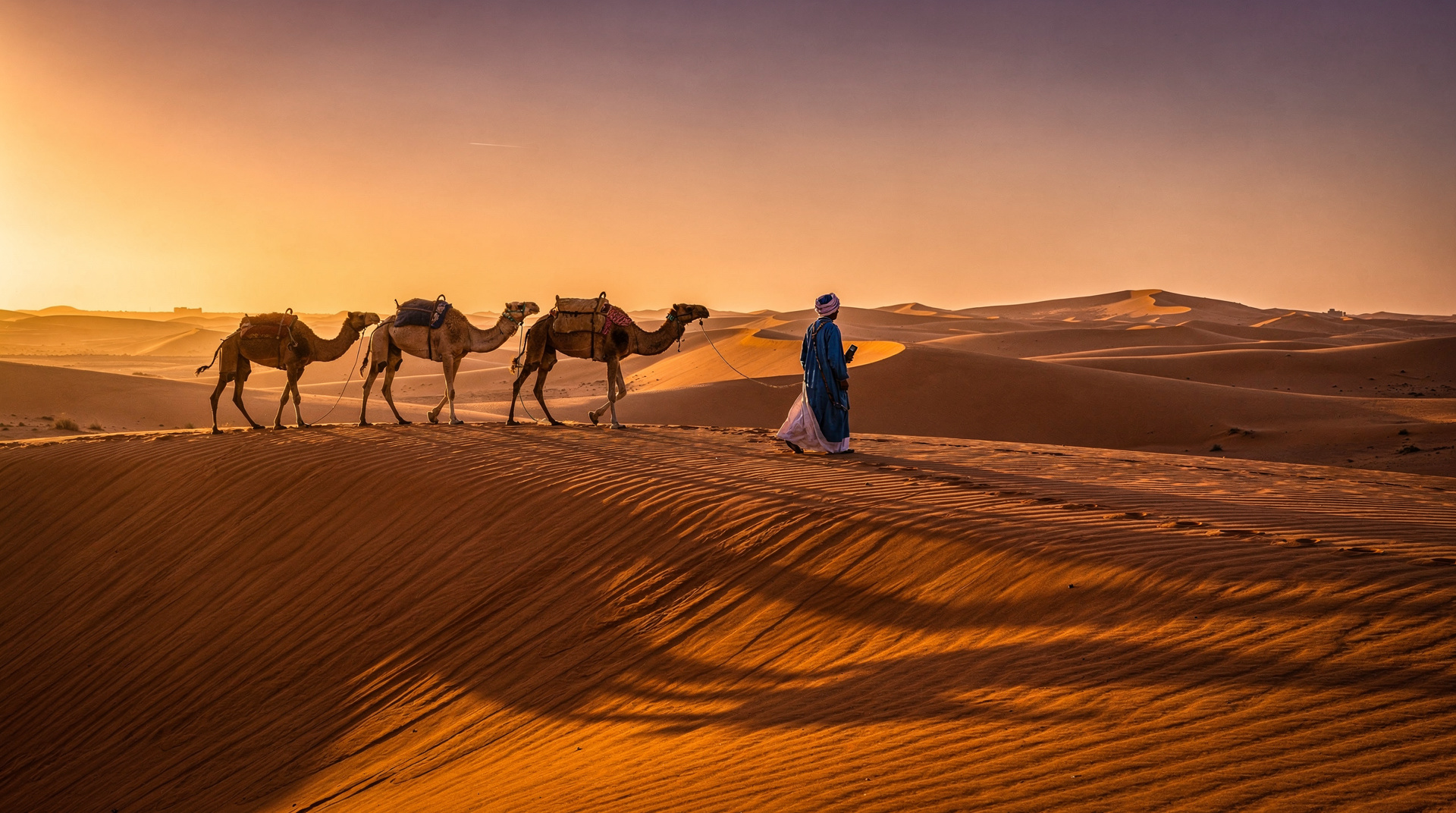
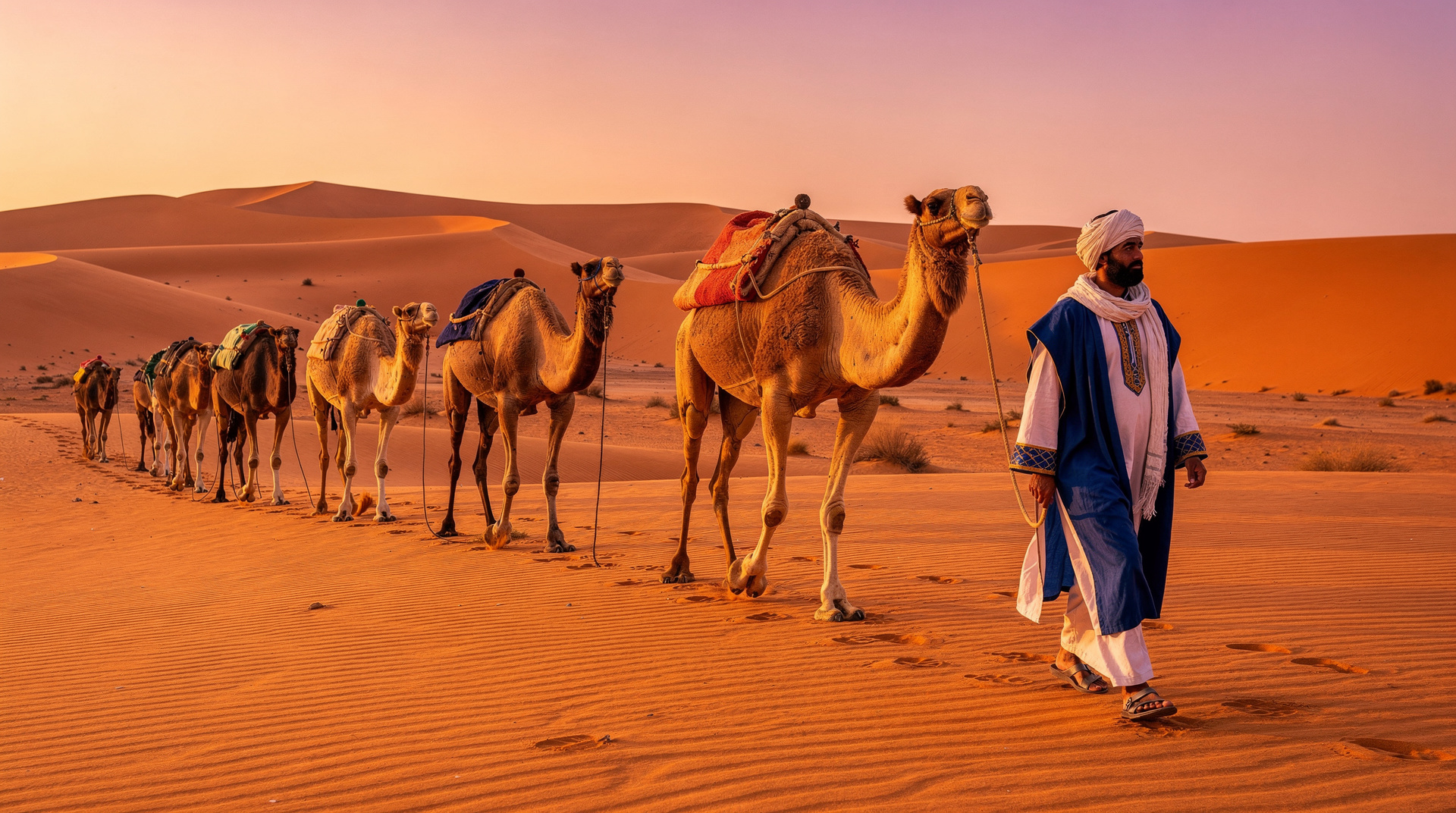
Merzouga arrival: You’ll arrive at the edge of Erg Chebbi in late afternoon, ideally with 2-3 hours before sunset. Transfer to your camp via camel (1-1.5h to reach the camp inside the erg) or 4WD (15 minutes). The camel option is slower and more atmospheric; the 4WD is practical if you’re tired or have back issues.
Camp dinner and evening: Most camps offer a tagine or mechoui dinner, mint tea around a fire, and Gnawa or Berber music. Quality varies significantly by camp tier. The night sky is exceptional — Merzouga sits far from any major light pollution source.
For this specific tour, the 3-day Sahara desert trip from Marrakech to Merzouga covers the standard loop with Aït Ben Haddou and Dadès Valley stops. If you want the luxury camp version, the 3-day Merzouga tour with luxury camp upgrades the overnight significantly.
Day 3: Sunrise, dunes, and the return
Sunrise: Wake-up call is typically 5:30-6:00am. The sunrise from a dune ridge at Erg Chebbi is the highlight most travellers cite as the trip’s best moment. Climb to a ridge — most camps have a favourite spot — and watch the light shift from purple to gold across a 180-degree sand panorama.
Morning in the erg: After breakfast (usually back at the camp around 8-9am), you have options depending on your tour: quad biking in the dunes, sandboarding down the slopes, exploring by foot further into the erg, or simply sitting and doing nothing. This unstructured morning time is valuable — don’t rush it.
Departure and return: Tours typically leave Merzouga by 10-11am for the 10h return drive to Marrakech. The return route often differs from the outward journey — some tours go back via the same road, others loop north through Midelt and the Ziz Valley (a more direct but less scenic route). Arrival in Marrakech is typically 8-10pm.
Shared vs private: the honest breakdown
| Factor | Shared tour | Private tour |
|---|---|---|
| Typical price (per person) | 250–400 EUR | 400–650 EUR (couple) |
| Group size | 8–16 people | Just you (+ guide/driver) |
| Departure time | Fixed | Flexible |
| Stop lengths | Set schedule | Your call |
| Camp room | Shared tent (budget) or shared room | Private tent or room |
| Language | English (usually) | Negotiate language |
For solo travellers or those on a budget, shared tours work well — the minibus dynamic is usually fine and you meet other travellers. For couples, the price difference for private is often less than 100 EUR total and the flexibility (longer at Aït Ben Haddou, skip a stop, better camp room) is usually worth it.
Camp categories and what you get
Budget (25-60 EUR per person including dinner): Simple Berber tents with mattresses and blankets, shared toilets (sometimes squat), basic tagine dinner. Functional and authentic but not comfortable by European standards.
Mid-range (80-150 EUR per person): Proper beds with linen, private or semi-private tents, private toilet facilities, better food. This is the sweet spot for most travellers.
Luxury (200-400 EUR per person): Private tent suites with en-suite bathrooms, king beds, sometimes a pool, curated menu, proper bar setup. Camps like Sahara Luxury Camp and Merzouga Luxury Desert Camps operate at this level.
For a detailed comparison of luxury options, see the luxury desert camps guide.
What to pack for the desert
- Layers: mornings near 0°C in winter, afternoons at 35-40°C in spring
- Headscarf or buff for wind-blown sand
- Closed footwear for dune climbing (flip-flops are useless in deep sand)
- Sunscreen (40+ SPF minimum — sand reflects UV)
- Cash in MAD (no ATMs inside the erg; Merzouga village has one)
- Power bank (camps provide limited charging)
- Camera with a dust-sealed bag or case
What’s typically included vs excluded
Usually included: Transport, driver/guide, accommodation (2 nights — one hotel en route, one desert camp), breakfast, dinner at camp, camel ride to camp
Usually excluded: Lunches, personal shopping, tips (10-20 EUR/day for driver-guide is standard), activity upgrades (quad bike 30-50 EUR, sandboard rental 10 EUR), travel insurance
Booking red flags to watch for
- No mention of which camp you’ll stay in (“a camp in Merzouga” is not a specification — get the camp name)
- Prices suspiciously below 200 EUR for a 3-day private tour — usually means a very basic camp or hidden costs
- No written itinerary — operators who can’t provide day-by-day details often don’t control the sub-contractors
- Commission-heavy shopping stops (fossil workshops, Berber carpet shops) added without warning — 1-2 optional stops is normal, 4+ is a red flag
The how to book a Sahara tour guide goes deeper into vetting operators, understanding what’s negotiable, and what the contract should include.
The Marrakech to Fes alternative
If you’re travelling between Marrakech and Fes (or vice versa), the desert loop makes excellent logistical sense as a Marrakech-Merzouga-Fes route rather than an out-and-back. This covers new terrain each day and eliminates redundant backtracking. The Marrakech to Fes via Merzouga desert 3-day tour handles this as a single transfer.
For the gateway comparison, the Sahara from Marrakech vs Fes guide weighs the two starting points. If you’re comparing desert options, the Merzouga vs Zagora guide and the Merzouga vs Agafay guide give the full picture. Costs for the tour are part of the broader Morocco budget breakdown.
Frequently asked questions about the 3-day Sahara tour
What time does the tour typically return to Marrakech on Day 3?
Most tours arrive back in Marrakech between 8pm and 10pm on Day 3. Don’t book an evening flight on Day 3 — the timing is too tight. Book Day 4 morning at earliest.
Can I do this tour independently without an operator?
Yes, with a rental car. The drive is straightforward (paved roads, Google Maps works). You’d need to book your own camp at Merzouga separately. The main complication is that camp access within the erg usually requires a camel or 4WD — most camps arrange this pickup. Budget accommodation along the route is easy to book independently.
Will I share a tent with strangers on a budget tour?
Sometimes. Budget tours on small group packages occasionally double up tent sharing among participants of the same gender. Mid-range and above provide private tents. Ask explicitly before booking.
Is this tour suitable if I have limited mobility or a bad back?
The main constraints are the long driving days (4-7 hours) and the camel transfer into the erg, which is uncomfortable for back problems — request the 4WD transfer instead, which most camps offer. Aït Ben Haddou involves uneven stone steps and no lift; the visit can be shortened rather than skipped. Flag mobility needs to the operator before booking so they can choose a camp with easier vehicle access.
How does this compare to a 4x4-specific desert tour?
The route and stops are largely the same. The difference is the vehicle and how it’s used — a dedicated 4x4 Sahara tour is built around off-road capability for camps deeper in the erg or more technical piste sections, while the standard 3-day loop mostly uses paved roads with a short off-road stretch into camp. If you want camel trekking as the centrepiece rather than driving, see the camel trekking guide instead.
Is the camel ride mandatory?
No. It’s optional at most camps — a 4WD transfer takes you to the camp in 15 minutes. The camel option (1-1.5h) is more atmospheric but harder on the lower back over long distances.
What happens if I get sick or the weather is bad?
Serious storms in the erg are rare but sandstorms do happen, particularly in spring. Reputable operators will adjust the itinerary or refund if conditions make the camp unsafe. Illness during the trip — bring your own medication including rehydration salts and anti-diarrheal as a precaution.
Is there WiFi or phone signal at the desert camp?
Most mid-range and luxury camps offer WiFi (varying quality). Mobile signal in the erg itself is limited — Maroc Telecom tends to get the best coverage. Don’t count on reliable connectivity inside the dunes.
Food and drink on the tour
En route meals: Lunches during the driving days are typically at restaurants in Ouarzazate or the Dadès area — functional tourist restaurants serving standard Moroccan menus. Quality varies; the best stop is usually the Aït Ben Haddou terrace restaurants with views of the ksar. Budget 80-130 MAD for a lunch with salad and a tagine.
Dinner at the camp: This varies enormously by camp category. Budget camps serve a single large shared tagine, with Moroccan flatbread, harira soup, and mint tea. Mid-range camps upgrade to multiple dishes and better presentation. Luxury camps treat dinner as a proper event — multiple courses, quality protein (lamb mechoui or slow-cooked chicken), a dessert course with Moroccan pastries.
Alcohol at camps: Available at mid-range and luxury camps, not at basic camps. Wine is typically from Moroccan producers (the Ourika Valley and Meknes regions produce decent reds and whites). Beer is available. Bring cash for drinks — this is almost never included in tour prices.
Water: Bring 2-3L per person for the driving days. Camp arrival water (bottled) is usually provided. The desert is dry and dehydrating even at comfortable temperatures — drink more than you think you need to.
Photography at Erg Chebbi
The dunes produce genuinely exceptional photography conditions twice a day:
Sunrise (5:30-7am): The light is low, warm, and rakes across the dune faces at an angle that makes the texture of the sand visible. The first 30 minutes after the sun clears the horizon are the best. East-facing dune slopes are in full light; west-facing in deep shadow. Position yourself on a ridge between the two for the most dramatic shots.
Sunset (5-7pm depending on season): The colour temperature shifts towards orange-red as the sun drops. The camp fires starting in the distance, the camel shadows extending across the sand, and the gradual loss of light are all photogenic. Manual settings work better than auto in the low-contrast dune landscape.
Night: On new-moon nights away from the village lights, the Milky Way is photographable with a standard camera on a tripod. A 15-25 second exposure at f/2.8-4 and ISO 1600-3200 produces usable results. Many luxury camps know the best spots for night photography and will guide you there on request.
Packing and money notes specific to this tour
Beyond the general desert kit, a few things trip people up on this particular loop. Winter mornings at Dadès and Merzouga can drop close to freezing, so pack proper layers — see the Morocco packing list for winter vs summer if you’re travelling outside spring or autumn. Cash is essential throughout: ATMs thin out east of Ouarzazate and there’s none inside the erg, so withdraw dirhams before leaving Marrakech (Morocco is a closed-currency country — you can’t get MAD abroad).
If alcohol at the camp matters to you, check the alcohol in Morocco guide — availability tracks with camp tier, not with the route. And if the fossil markets or carpet stops make you nervous about being pressured into a purchase, the bargaining in Morocco guide covers how negotiation actually works here.