Quick facts
- Language
- Darija, Spanish, French
- Population
- ~30,000
- Distance from Tangier
- 45 min by train or car
- Best for
- Street art, medina, Atlantic coast
A Whitewashed Town Unlike Any Other
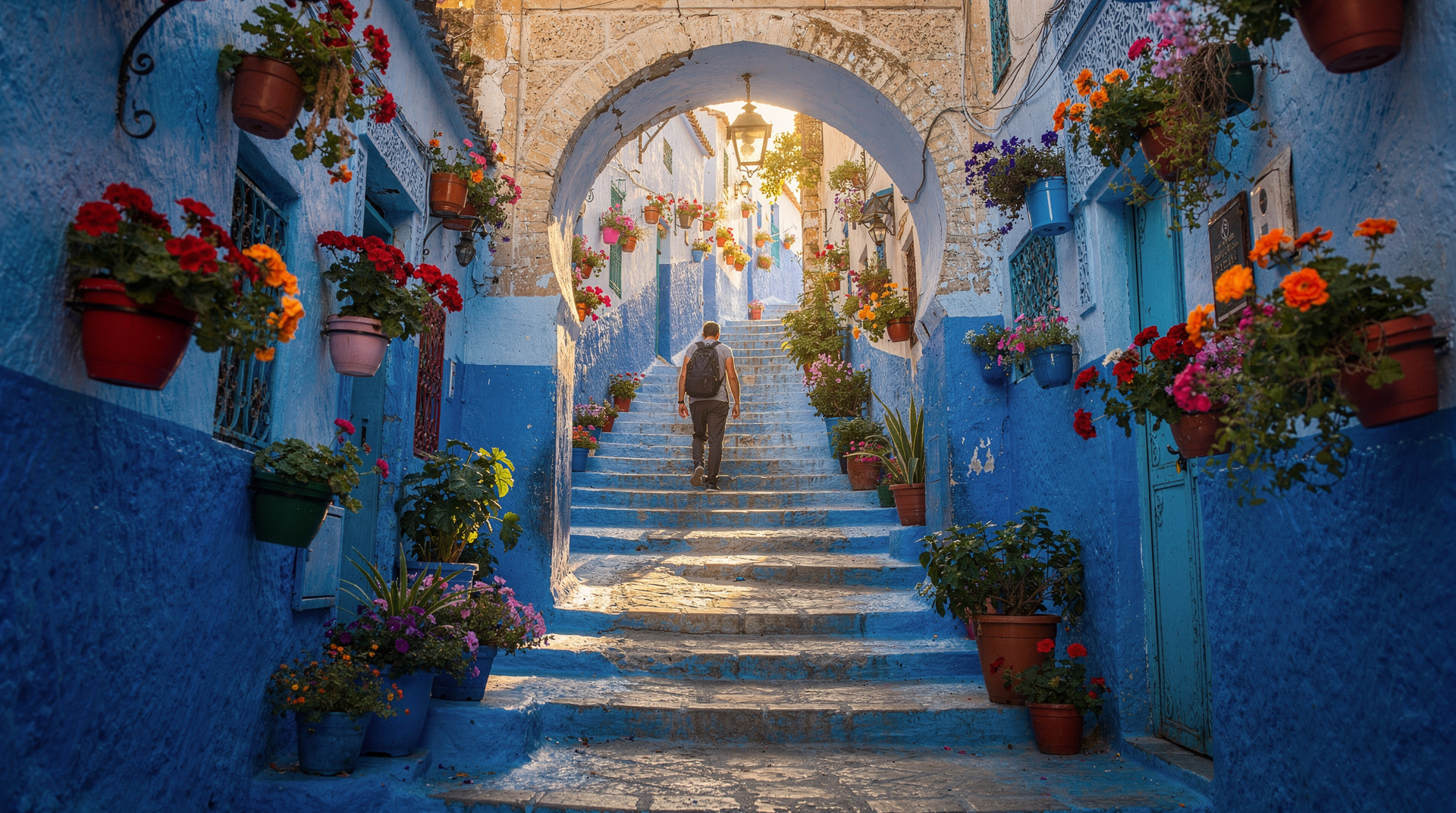
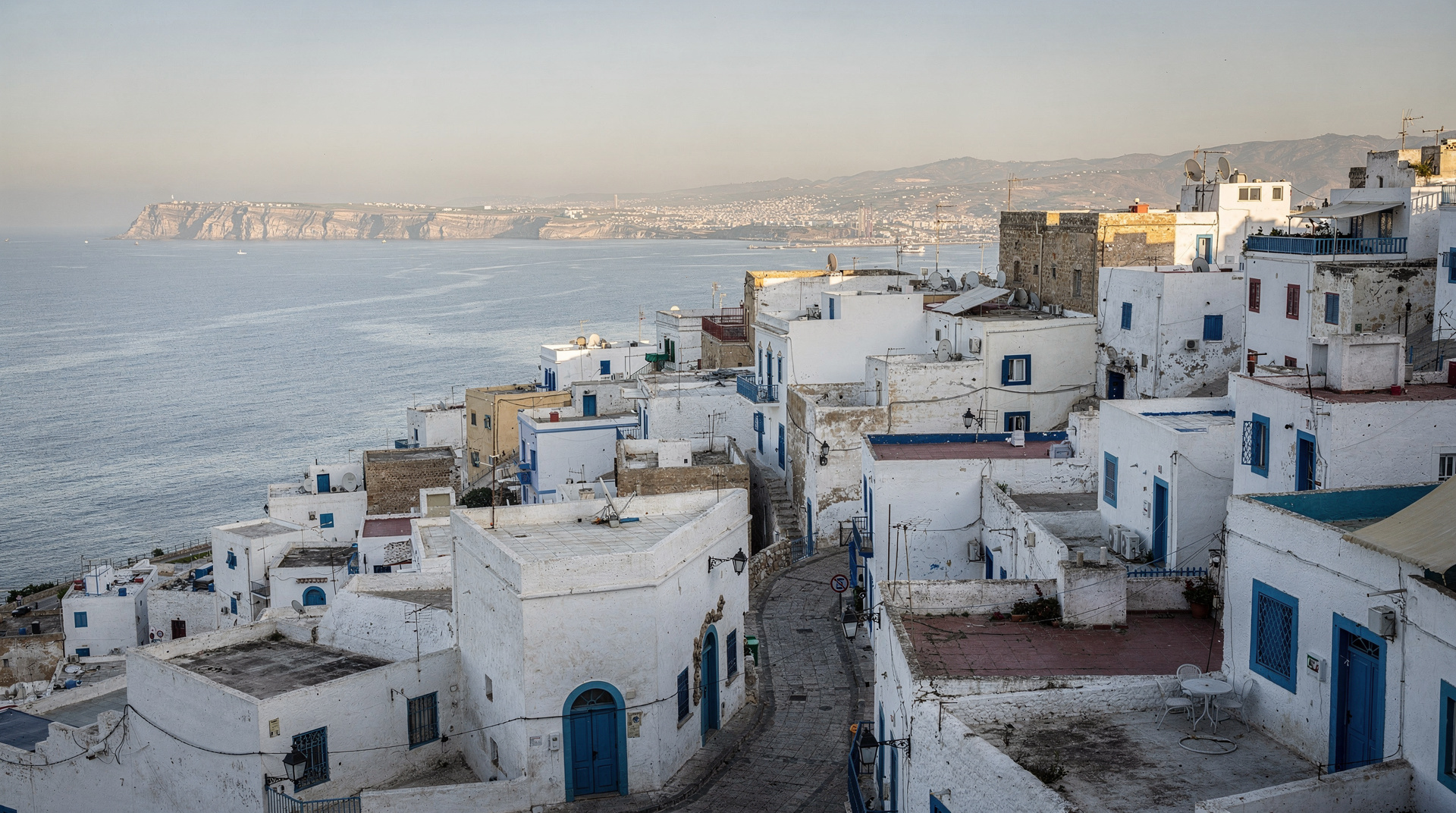
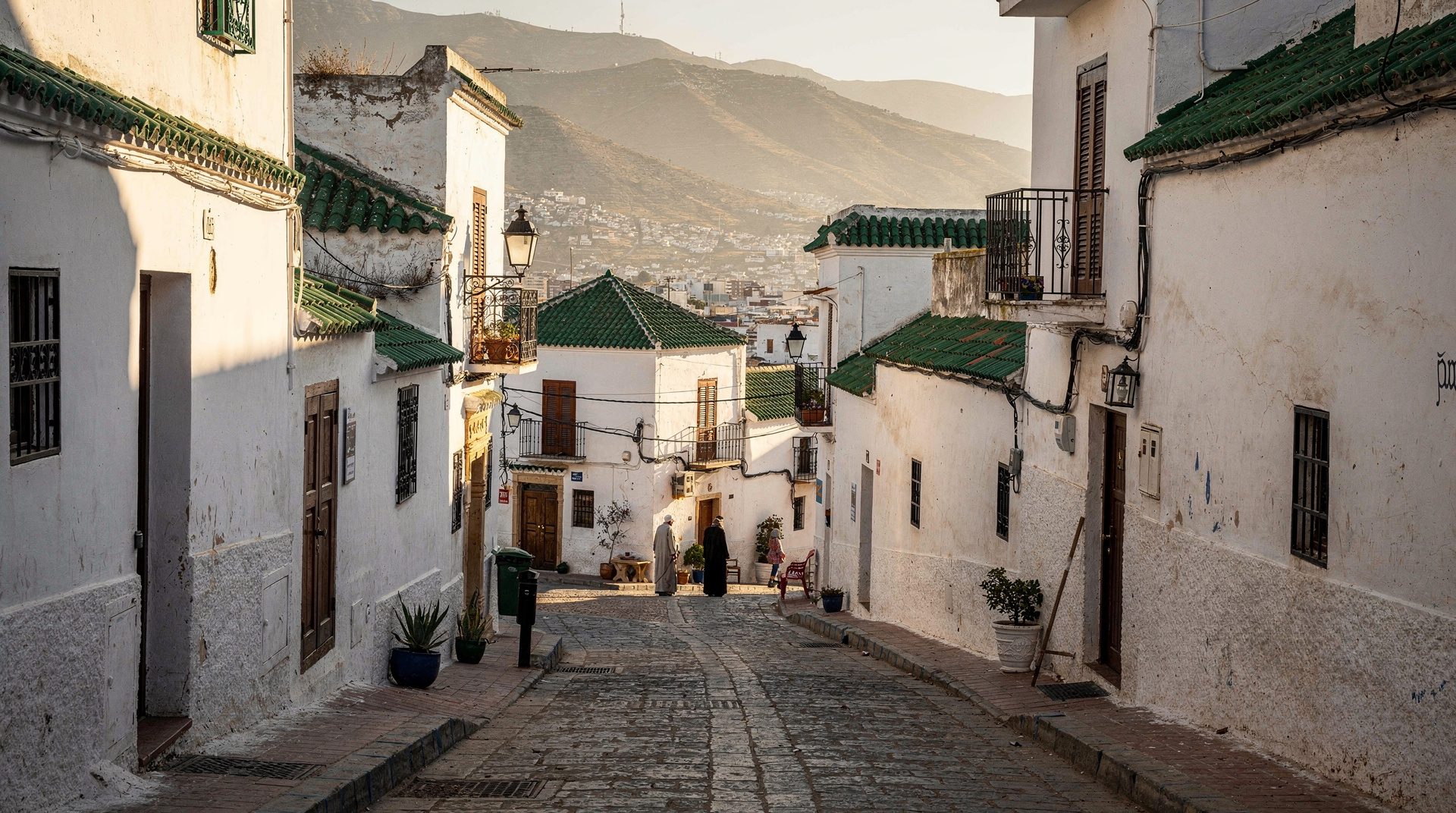
Asilah is one of those places that travel writers reach for the word “undiscovered” to describe — even though it absolutely has been discovered, by Moroccans and Europeans alike. What makes Asilah different from the tourist-saturated medinas of Marrakech or Fes is its scale and its mood. The old town is tiny enough to walk end to end in fifteen minutes, the Atlantic breeze keeps the heat honest even in midsummer, and the Portuguese-built ramparts overlooking the sea give the place the slightly melancholy grandeur of a town that has lived many lives.
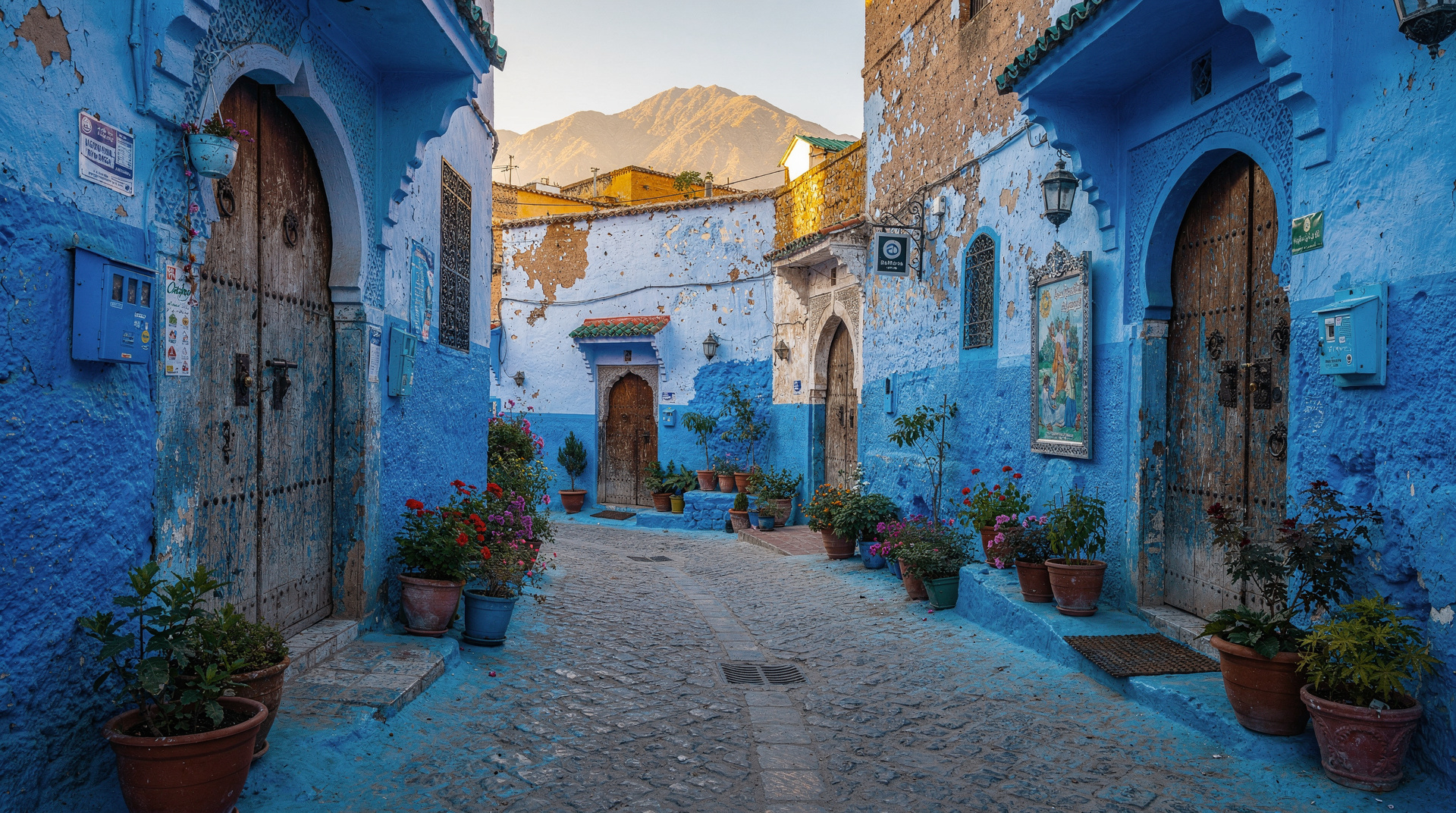
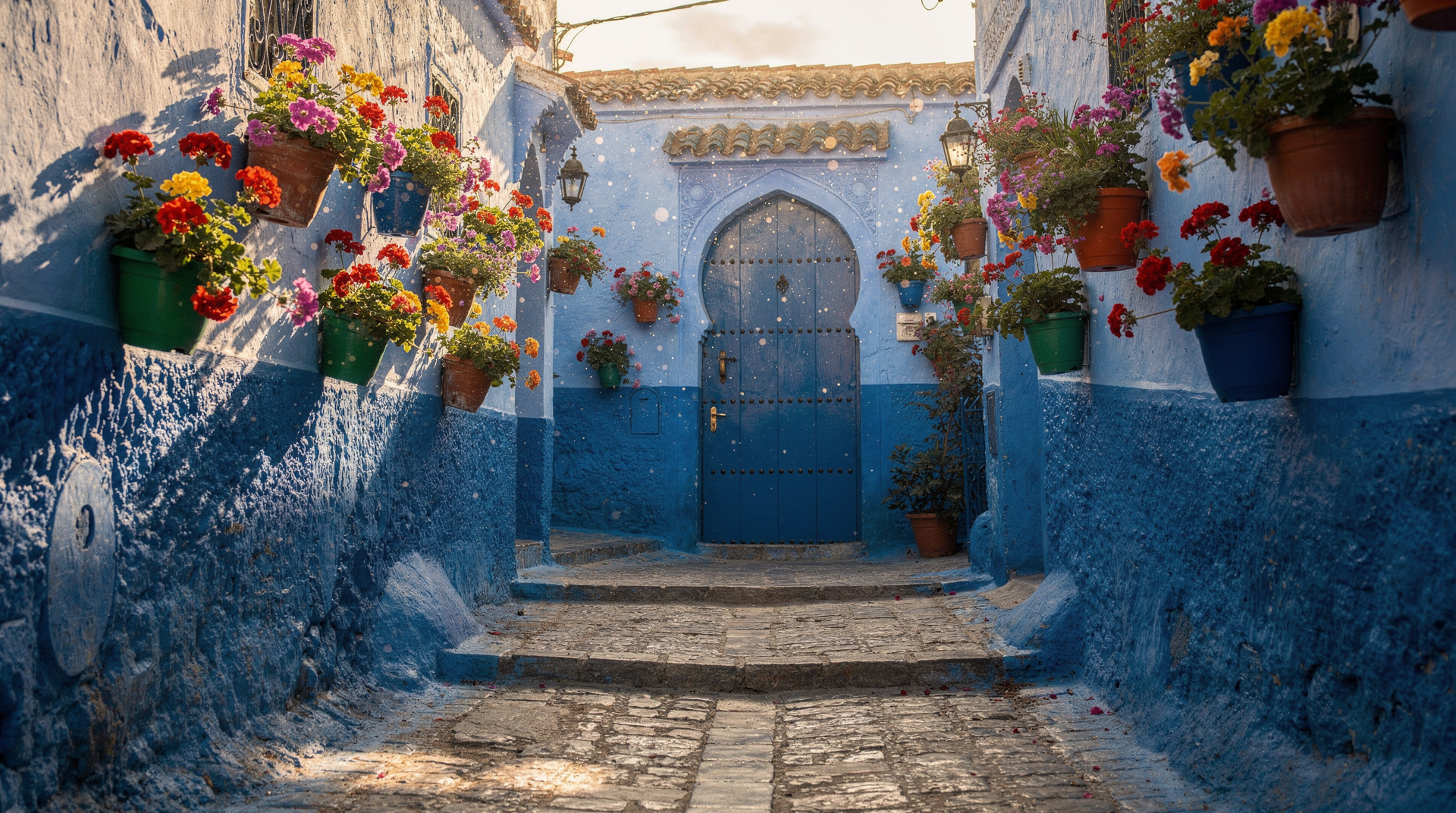
Those lives have been eventful. Phoenicians, Romans, Berber kingdoms, Portuguese traders, Spanish colonisers, and eventually the Moroccan state have all left their mark on this rocky headland 45 kilometres south of Tangier. What remains today is a medina of brilliant-white houses with blue and green painted doors, narrow lanes hung with bougainvillea, and — most famously — walls that transform every August into an open-air gallery during the International Cultural Moussem, one of the Arab world’s oldest arts festivals.
Outside festival season, Asilah functions as a civilised, pleasantly unhurried escape. Moroccans from Tangier, Rabat, and Casablanca come for the seafood, the beach, and the relief from city traffic. Foreign visitors come for the medina and often end up staying longer than planned, doing very little in a very enjoyable way.
| At a glance | |
|---|---|
| Where | Atlantic coast, 45 km / 45 min south of Tangier |
| Cost | Train fare 30–40 MAD; guesthouse doubles roughly 200–700 MAD/night |
| Time needed | Half-day as a Tangier day trip; 1–2 nights to properly relax |
| Getting there | ONCF train or grand taxi from Tangier |
| Best time | April–June and September–October; August for the Moussem festival |
Getting There
From Tangier by train: The easiest option. ONCF trains run the Tangier-Rabat corridor and stop at Asilah station, which is about 1.5 km from the medina. Journey time: roughly 45 minutes. Fares: 30–40 MAD. Several daily departures.
From Tangier by car or taxi: The N1 coastal road takes you south from Tangier through flat agricultural land to Asilah in about 45 minutes depending on traffic. A grand taxi from Tangier costs around 80–100 MAD per seat from the main taxi rank.
From Casablanca or Rabat: Asilah is on the main coastal rail line — trains from Casablanca take around 4 hours. It makes more sense as a stop on a longer northern Morocco journey than as a standalone destination from the south.
Day trip from Tangier: This is the most popular way to visit. Tangier is the obvious base, offering good connections to ferries from Spain and a wider range of accommodation.
Book a guided half-day trip from Tangier to AsilahGetting Around
Asilah is built for walking. The medina can be crossed in any direction in about ten minutes, and the beach, the ramparts, and the main cafés all sit within a compact area that rewards aimless exploration. There are no taxis inside the old town — leave luggage at your guesthouse and navigate on foot.
For the wider town and the beach north of the medina, bicycles are available for rent from a couple of shops near the main gate (around 50 MAD per half-day). The beach stretches several kilometres south of the medina along a well-maintained corniche.
Top Things to Do
The Medina and Its Street Art
Asilah’s medina is distinguished less by monumental architecture than by the quality of its surfaces. Since 1978, the Moussem cultural festival has invited international and Moroccan artists to paint directly onto the medina walls — and those murals, in various states of age, accumulate year by year into an ever-evolving open-air museum. Some are abstract, some narrative, some intensely geometric; all are a remarkable use of a living urban space.
The best approach is simply to wander without a map. The medina is small enough that you cannot stay lost for long, and the unexpected pleasure of rounding a corner to find a large-scale mural covering an entire house facade is exactly as good as it sounds. Look particularly for the work concentrated around the north end of the medina near the sea tower.
Portuguese Ramparts and Sea Views
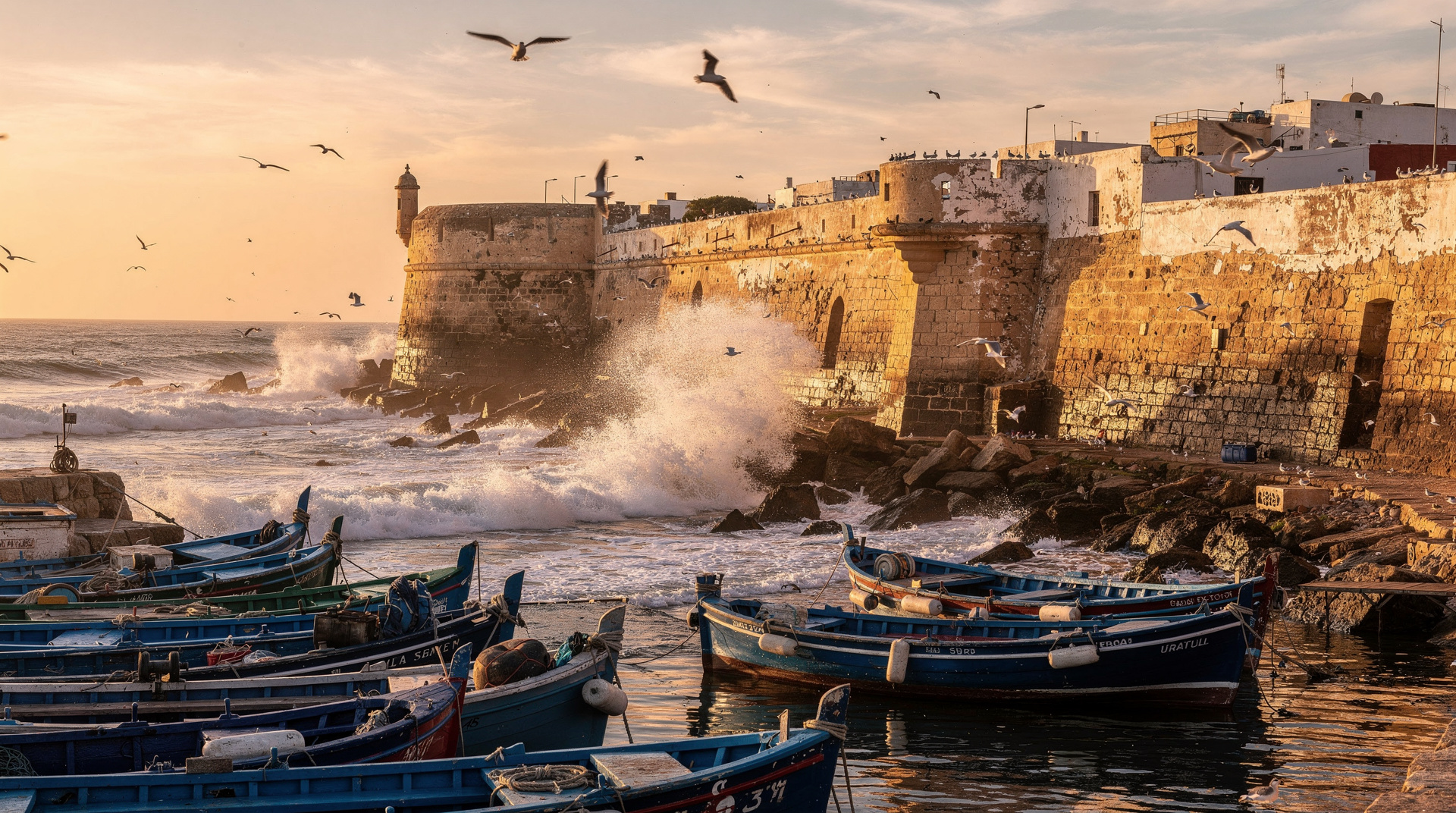
The ramparts that ring the seaward side of the medina were built by the Portuguese in the 16th century and remain impressively intact. A walk along the top, looking out over the Atlantic, takes about 20 minutes and offers some of the finest views in northern Morocco. At the northern end, a fortified tower — the Borj el-Kamra — juts over the cliffs, and at dusk the light on the whitewashed walls and the blue-grey sea is seriously beautiful.
The Moussem Festival (August)
The International Cultural Moussem of Asilah, held each year in late July and August, draws artists, musicians, and thinkers from across the Arab world and beyond. Workshops, concerts, poetry readings, and the live painting of new murals take over the medina for two to three weeks. If you can time a visit to coincide with the festival — it is one of the most genuinely cultured events in Morocco, well away from the tourist-packaged “authentic experiences” of the big cities.
Palais de la Culture
The Palais de la Culture (formerly Palais Raisuni) is a restored early 20th-century mansion on the seafront ramparts that now functions as an arts and exhibition space. It is only open during the Moussem period, but the exterior — a crenellated white palace perched over the Atlantic — is worth seeing regardless.
Paradise Beach and the Atlantic Coast
Asilah’s beach stretches south of the medina along a broad, clean bay that is considerably less crowded than the beaches around Tangier. The water is cold year-round by Mediterranean standards (Atlantic upwelling keeps it around 18–22°C even in summer) but perfectly swimmable. Local families dominate the beach in July and August; outside these months it is very quiet. There is decent surf around the beach breaks for beginners.
Synagogue and Jewish Heritage
Before Morocco’s independence in 1956, Asilah had a significant Jewish community whose traces remain in the architecture of the mellah (Jewish quarter) near the southern medina gate. A small historic synagogue has been partially restored and can be visited by arrangement — a quiet reminder of the multi-faith history that shaped this coast.
Where to Stay
Mid-range (500–1,200 MAD / €50–120 per night)
Dar Manara is the most frequently recommended guesthouse in Asilah — a beautifully restored house inside the medina with sea-facing rooms, thoughtful decoration, and excellent breakfasts. Doubles from around 650 MAD. Book well ahead for July and August.
Hotel Oued El Makhazine sits just outside the medina walls and offers clean, comfortable rooms at mid-range prices. Less atmospheric than the medina guesthouses but a reliable fallback when they are full.
Casa Al Qadi is a small, charming riad-style property with a rooftop terrace offering sea views. Eight rooms, good value, helpful owners who know the town well.
Budget (under 350 MAD / €35 per night)
Several basic hotels and pensions cluster around the medina entrance on Avenue Hassan II. Standards vary; check reviews before booking. The cheapest acceptable options run around 200–300 MAD for a double.
Where to Eat
Asilah’s restaurant scene is simple but strong on fresh Atlantic seafood — the proximity to good fishing grounds shows.
Restaurant Oceano Casa Pepe (Place Zallaka, inside the medina) is the most celebrated address in town, in part because of its history (it has hosted Moroccan royalty) but mainly because the grilled fish, seafood pastilla, and seafood couscous are consistently excellent. Dinner for two with wine: 350–550 MAD. Reserve ahead in summer.
Restaurant Le Pont (just outside the medina walls) serves solid Moroccan standards — tagines, harira, couscous — at prices aimed at locals rather than tourists. Lunch here runs 70–120 MAD per person.
Café Manar on the rampart promenade is the right spot for a mint tea and watching the Atlantic light shift. The msemen (layered flatbread with honey) at breakfast is particularly good.
The beach cafés lining the southern corniche serve fried fish, calamari, and grilled shrimp with chips at around 80–150 MAD per person. Informal, convivial, and good value.
Day Trips from Asilah
Tangier: 45 minutes north by train or taxi, Tangier offers a sharp contrast — one of Morocco’s most sophisticated and historically layered cities, with the American Legation Museum, the Grand Socco, and Hercules Caves all accessible in a day. Most visitors do this in reverse (Tangier as base, Asilah as day trip), but staying in Asilah and day-tripping to Tangier works well. If you would rather not piece the sights together yourself, a private walking tour of Tangier’s kasbah, medina, and souks is one option, and a Cap Spartel and Hercules Caves tour covers the coastal side.
Larache and Lixus: 45 minutes south of Asilah, Larache is a quiet, undervisited town with a relaxed Spanish colonial character, and just inland sit the ruins of Lixus — one of Morocco’s most significant Roman archaeological sites. The setting on a hill above the Loukos River estuary is striking.
Chefchaouen: Three hours by road or bus, Chefchaouen is too far for a day trip from Asilah but makes a natural next stop on a northern Morocco circuit.
Practical Tips
When to visit: April to June and September to October are ideal — warm enough for the beach, free of the July-August Moroccan school holiday crowds. The Moussem festival in August is the exception: if street art and culture are your primary interest, the energy of festival season makes the crowds worthwhile.
Accommodation pressure: Asilah has relatively few rooms by Moroccan standards. Book accommodation at least two to three weeks ahead in summer; during the Moussem, three months ahead is sensible.
Language: Spanish is more widely spoken here than in most Moroccan towns, a remnant of the Spanish Protectorate (1912–1956). Darija and French also function fine.
Money: There is one ATM inside the medina walls; a more reliable branch with multiple machines sits on Avenue Mohammed V in the new town. Bring cash for restaurants and guesthouses.
Fishing port: The port north of the medina functions as an active fishing harbour. Early risers can watch the boats return in the morning (5–7 am). It is not a tourist attraction in any managed sense, which makes it more interesting.
Photography: The medina is photogenic at any hour, but early morning (before 8 am) delivers the best combination of light and empty alleys. The murals look particularly good in direct afternoon sun, which brings out the saturation of the paint.
When to Visit
The optimum window is April to June or September to October — warm Atlantic sun, calm seas for swimming, and no school-holiday congestion. July and August are busy and hot (though rarely above 30°C thanks to the ocean breeze). The Moussem festival, usually spanning three weeks in late July and August, transforms the atmosphere entirely and is worth planning around if arts and culture are central to your Morocco itinerary.
Winter (December to February) is mild and very quiet. The medina empties of tourists, the sea is rough and cold, but the town operates at an appealing, local pace. Rain is more frequent than further south.
How to Fit Asilah Into a Morocco Itinerary
Asilah works best as a half-day or full-day side trip from Tangier, which most travellers on a northern Morocco route pass through regardless. A 45-minute train ride makes it the most accessible “bonus” destination in this part of the country.
For travellers doing a northern Morocco loop — Tangier, Asilah, Chefchaouen, Fes — one night in Asilah is a natural fit before heading south on the N13 toward Chefchaouen (around 2.5 hours by car).
For those on a full two-week Morocco itinerary, Asilah can absorb a leisurely overnight between the energy of Tangier and the mountains of the Rif. It functions as a pace-reset: unhurried, breezy, and genuinely pleasant in a way that Morocco’s larger destinations, for all their glory, sometimes are not.
If you are flying in and out of Tangier — increasingly an option with European budget carriers — Asilah makes an excellent first or last night, combining accessibility with a gentler introduction to the country than Tangier’s more charged medina.
See also: Getting from Tangier to Chefchaouen, the northern Morocco itinerary, our dedicated Asilah day trip from Tangier guide, and the Atlantic coast destination guide.
Asilah vs Morocco’s Other Coastal Towns
Asilah is one of several whitewashed Atlantic towns worth comparing before deciding where to spend your coastal days.
| Town | Distance from Tangier | Character | Best for |
|---|---|---|---|
| Asilah | 45 min | Small, murals, calm | A quiet half-day or overnight reset |
| Essaouira | ~7 hr (via Marrakech) | Larger, windier, more developed tourism | A longer coastal stay with more restaurants |
| Taghazout | ~8 hr | Surf town near Agadir | Surfing and beach life |
| Tetouan | ~1 hr | Andalusian medina, less touristed | History without crowds |
For a fuller breakdown of the Atlantic options, see our Essaouira, Asilah, and Taghazout comparison guide.
Frequently asked questions about Asilah Travel Guide
Is Asilah worth visiting if I’m not going during the Moussem festival?
Yes — the murals from past festivals remain on the walls year-round, and the ramparts, beach, and seafood restaurants are worthwhile regardless of timing. The Moussem simply adds live events and a livelier atmosphere on top of what’s already there.
Can I visit Asilah and Chefchaouen in the same day?
Not comfortably — the drive between them is around 2.5 hours each way, so combining both in a single day leaves little time to enjoy either. It works far better as two separate stops on a northern Morocco route.