Morocco in March
Is March a good time to visit Morocco?
Yes — March is one of Morocco's best months, particularly the second half when Ramadan ends (around March 19 in 2026). Temperatures are rising, the Ourika Valley is in bloom, the Sahara is warming toward its ideal window, and crowds haven't yet hit April peak levels.
Why March is Morocco’s hidden sweet spot
March sits in the gap between Morocco’s cold winter and its expensive, crowded spring peak. By the second half of the month, temperatures across Marrakech reach 20–23°C — ideal walking weather. The Ourika Valley fills with wildflowers. The Atlas Mountains open for trekking as snow retreats from lower passes. The Sahara warms toward its most comfortable desert temperatures.
The complication in 2026 is Ramadan, which runs approximately February 19 to March 19. This means the first three weeks of March 2026 fall within the holy month, altering restaurant schedules and medina rhythms. After March 19, the Eid al-Fitr celebration marks the end of fasting with three days of celebration — one of the most atmospheric times to be in any Moroccan city — followed by a return to normal service.
Even during Ramadan, Morocco is a rewarding destination. And if your timing allows the post-Ramadan window, late March 2026 offers some of the best conditions of the entire year.
| At a glance | |
|---|---|
| Where | Marrakech, Fes, Chefchaouen, the Atlas foothills, Merzouga desert, Essaouira coast |
| Best window | Late March (post-Ramadan, ~March 19 onward) |
| Cost | Below April/peak-spring prices; rises again once Eid al-Fitr hits |
| Weather | Mid-teens to low 20s°C in the cities; Sahara around 25-30°C by day |
| Booking lead time | 2-4 weeks for desert camps around the post-Ramadan window; more relaxed early March |
| Getting there | Fly into Marrakech, Fes, or Casablanca; internal travel by CTM/Supratours bus, grand taxi, or private driver |
Weather in March by region
Marrakech
Early March: 18–20°C days, 8–10°C nights. Late March: 20–24°C days, 12°C nights. The city sheds its winter coat progressively through the month. By late March, outdoor dining is comfortable in the evenings. Wind picks up occasionally — the chergui (hot desert wind) can carry dust into the city on some spring days, but this isn’t a month-defining pattern.
Fes
Warming steadily. Early March at 15–18°C, late March approaching 20°C. Rain still possible throughout. The Fes medina in March is excellent — better light than winter, fewer crowds than April, and the tanneries and souks operating at full pace after Ramadan ends.
Chefchaouen and the Rif
March signals the start of the good season in Chefchaouen. Temperatures rise to 16–20°C, rain becomes less frequent, and the blue medina begins to emerge from winter grey. Late March is genuinely beautiful here — the Rif hillsides green from winter rains, the medina walls catching warm afternoon light.
Atlas Mountains
Trekking season opening. Snow retreats from lower passes, and trails below 2,500m become accessible without winter equipment. By late March, the Imlil area and Toubkal base camp approach are clear of serious snow. Higher routes (above 3,000m) may still require crampons. Check with local guides for current conditions — the Atlas transition from winter to spring can be rapid.
Sahara (Merzouga / Erg Chebbi)
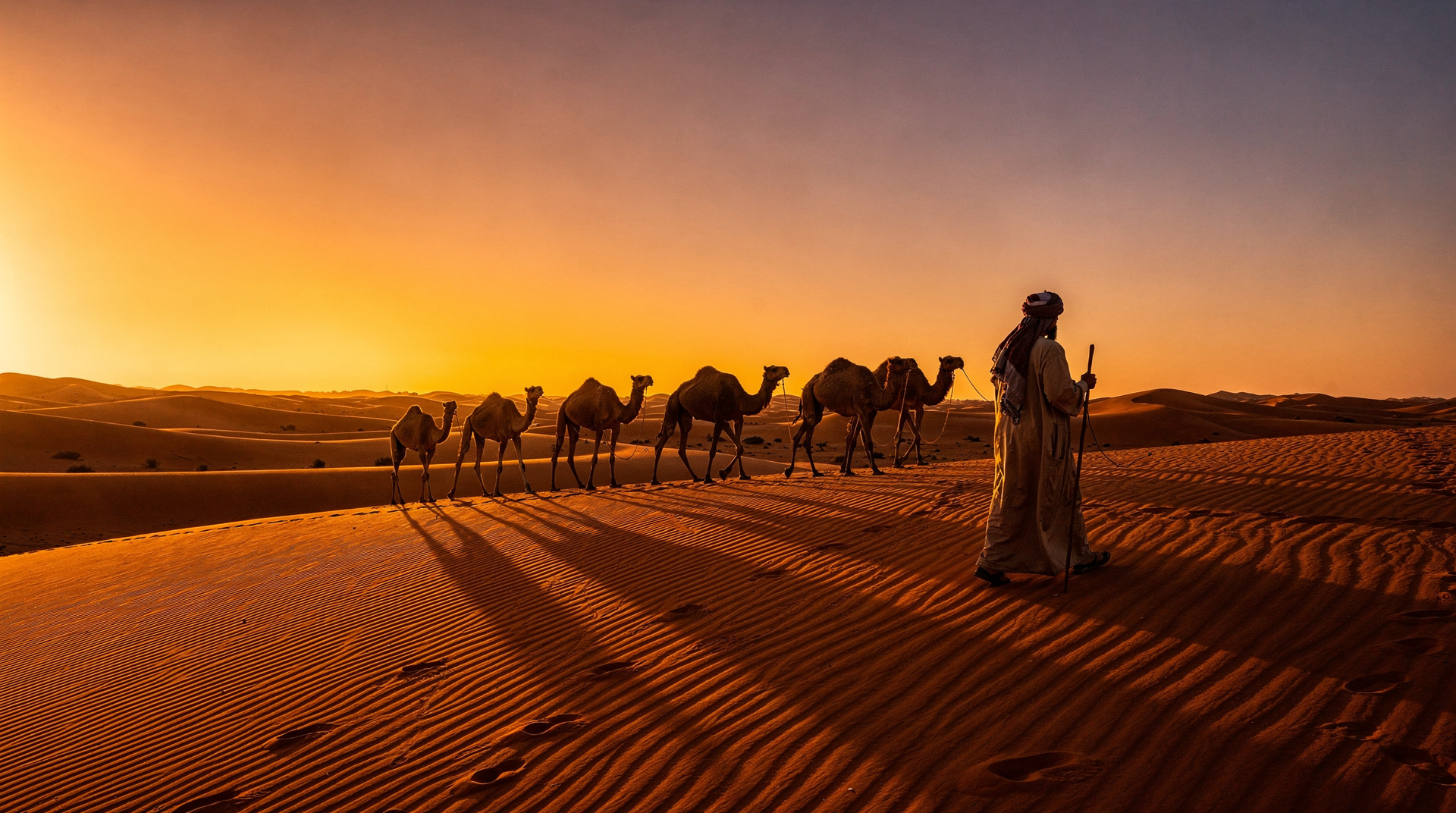
March is excellent for the Sahara. Daytime temperatures at Merzouga reach 25–30°C — comfortable without the extreme heat of summer. Nights are cold early in the month (5°C) but become more manageable by late March (10–12°C). Occasional sandstorms (chergui) can occur in spring, reducing visibility and making outdoor activities uncomfortable for a day or two — this is a normal weather pattern, not a reason to avoid March.
Atlantic Coast (Essaouira / Agadir)
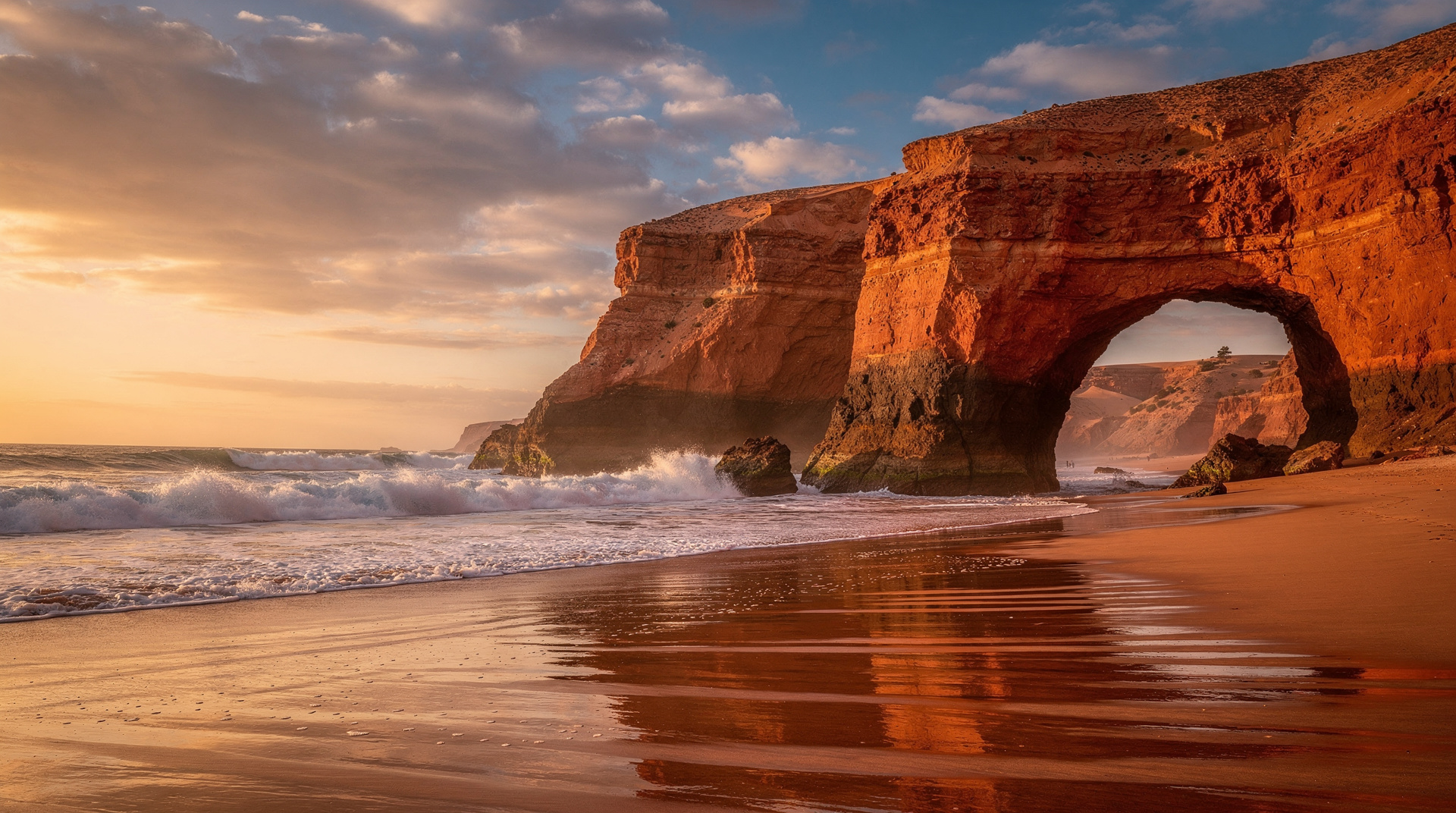
The coast warms significantly in March. Essaouira reaches 18–22°C, the wind remains consistent (good for windsurfing), and the medina and beach town atmosphere picks up noticeably. Agadir at 20–22°C is excellent for beach days by late March. The Atlantic swell season is still active — one of the better surf months at Taghazout.
Ramadan in March 2026
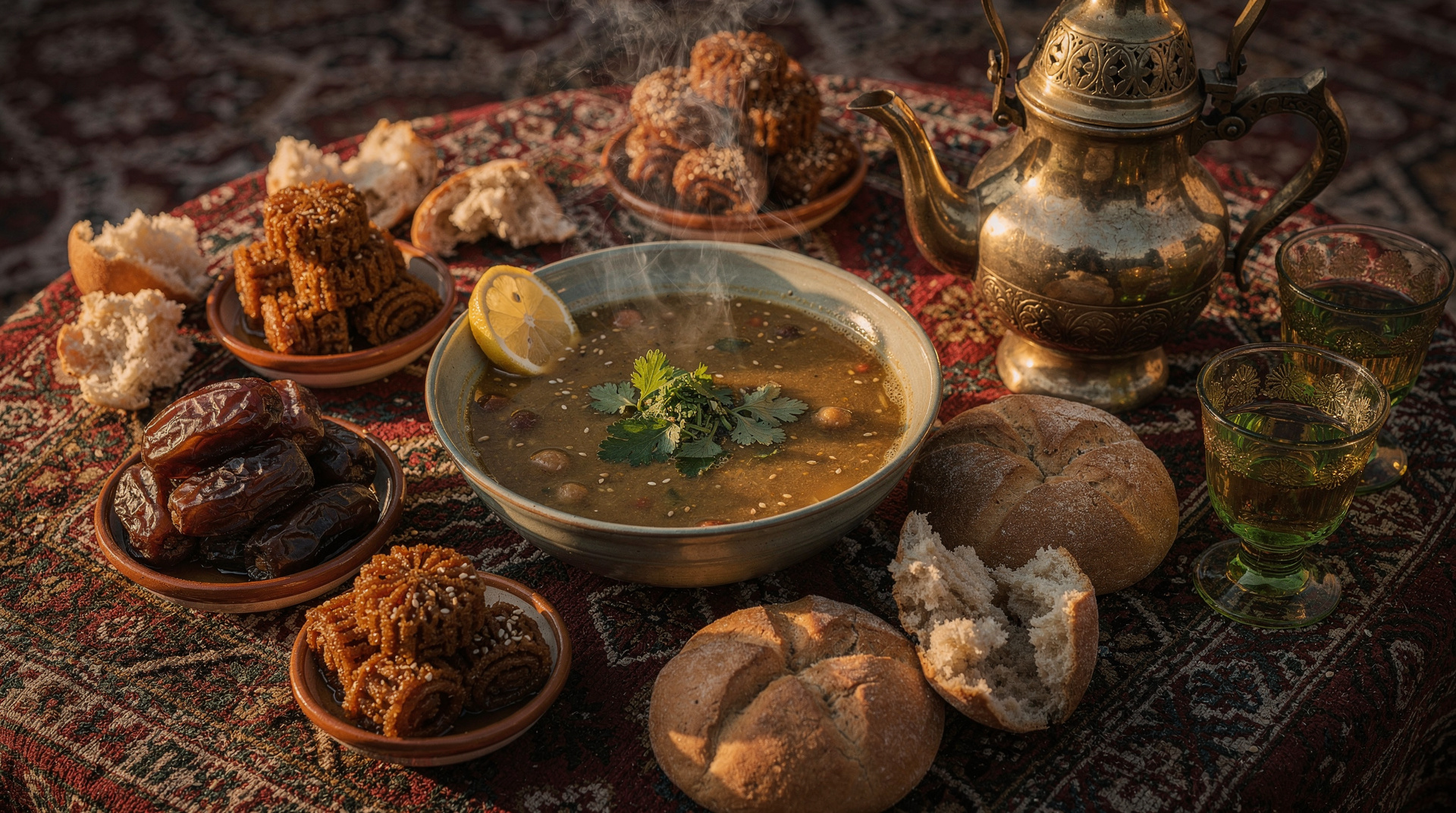
In 2026, Ramadan runs approximately February 19 to March 19. Around March 19, Eid al-Fitr begins — a 3-day public holiday celebrated with family gatherings, new clothes, and public prayers.
During Ramadan (early March 2026):
- Local restaurants close during daylight hours; tourist restaurants often remain open
- Street food largely disappears between dawn and sunset
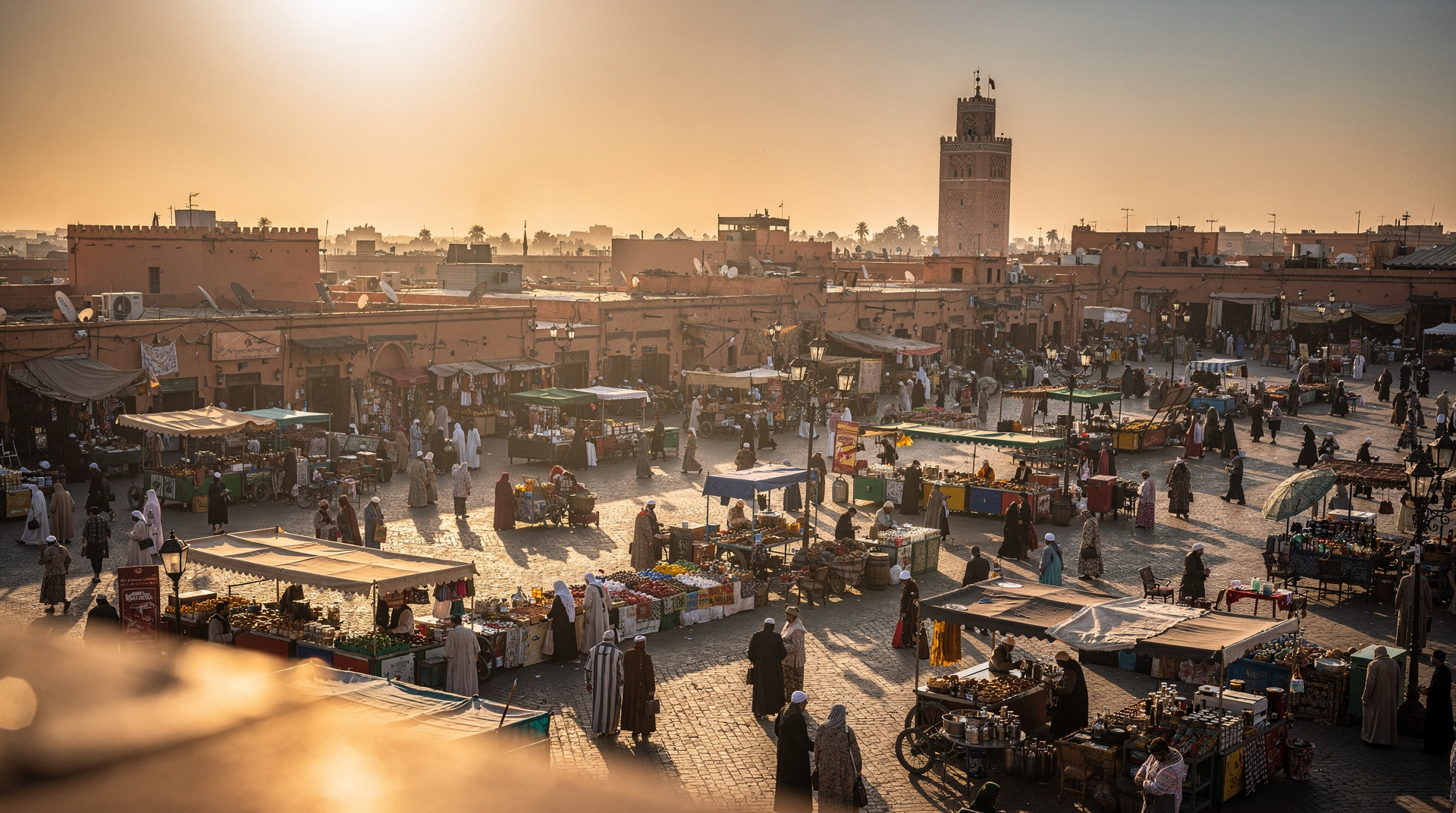
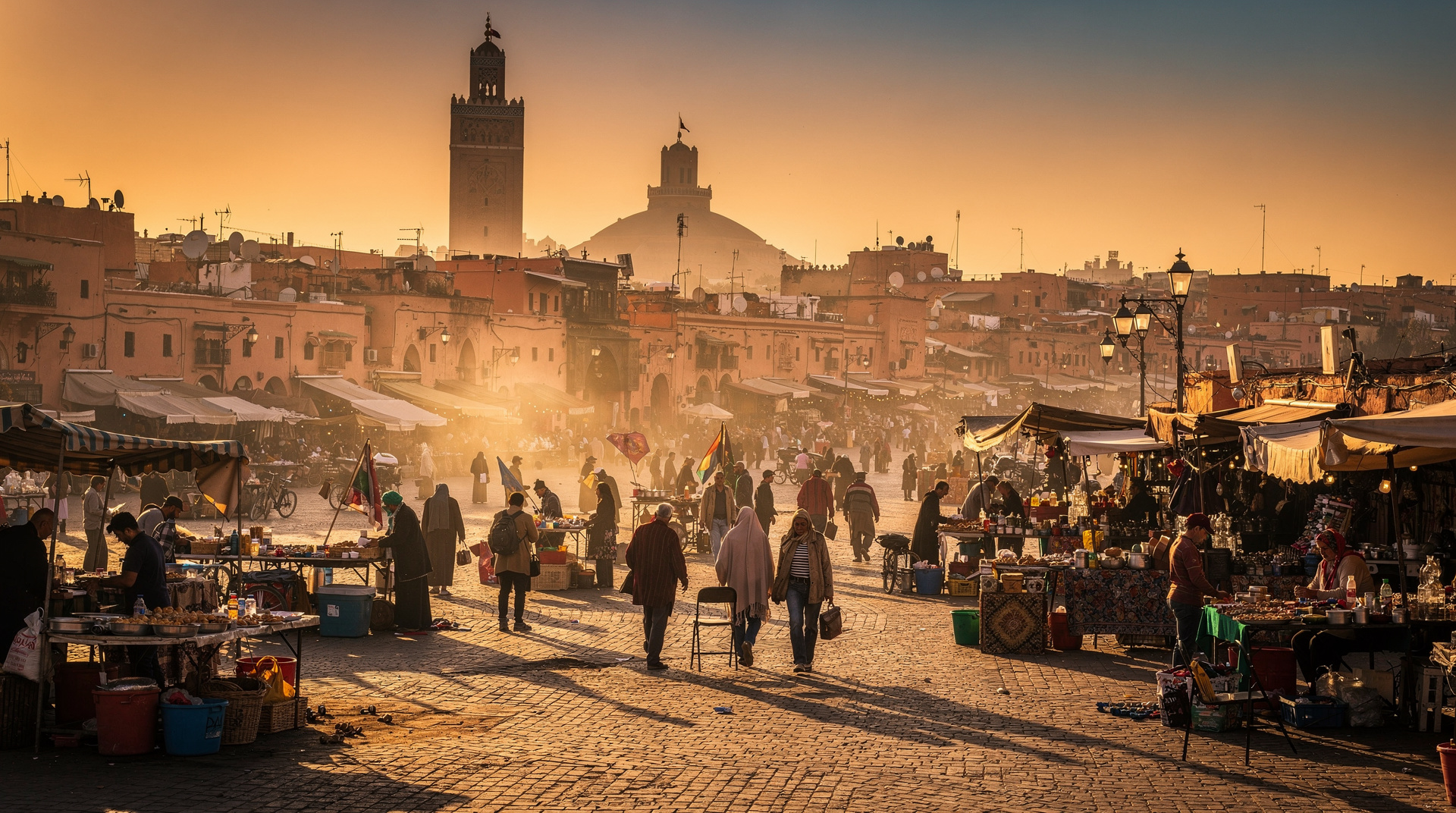
- Medina pace slower in mornings, extremely busy after iftar (sunset)
- Alcohol service reduced or suspended at many venues
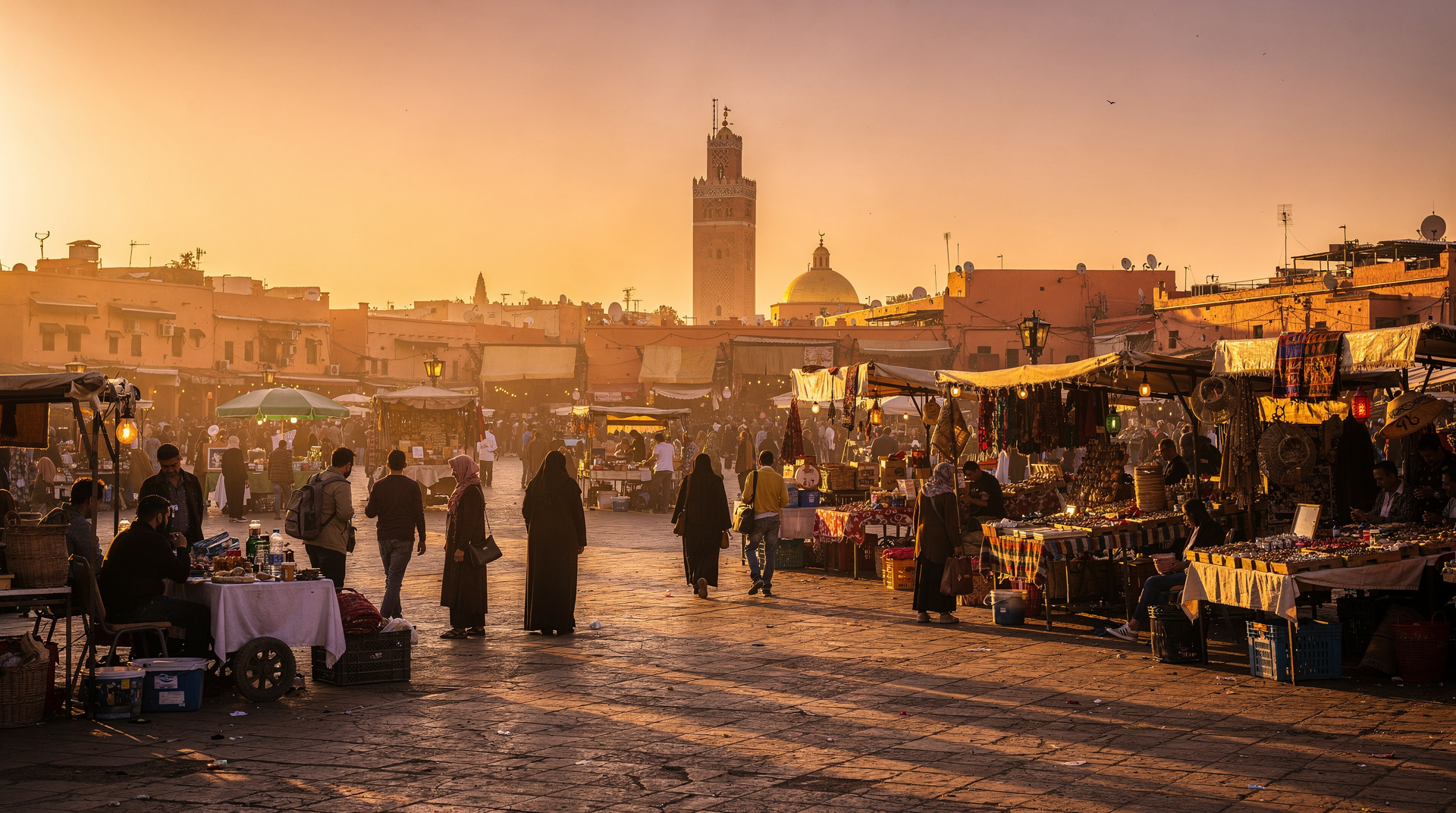
- Medinas after iftar are exceptionally atmospheric — food carts appear, families gather, music plays
Post-Ramadan (from ~March 20): Everything resumes normal operation. The Eid celebration itself brings its own festive energy to city streets.
For 2027, Ramadan runs approximately February 8 to March 8–9, making the first week of March 2027 the final days of Ramadan.
Key events in March
Marathon des Sables
One of the world’s most demanding ultra-marathons takes place in the Moroccan Sahara in late March or early April. The race covers approximately 250km over 6 stages through Saharan terrain near Merzouga and the Draa Valley. Spectating opportunities are limited given the remote locations, but the race is part of the regional cultural calendar and some desert camps near the route accommodate runners’ logistics.
Ourika Valley wildflowers
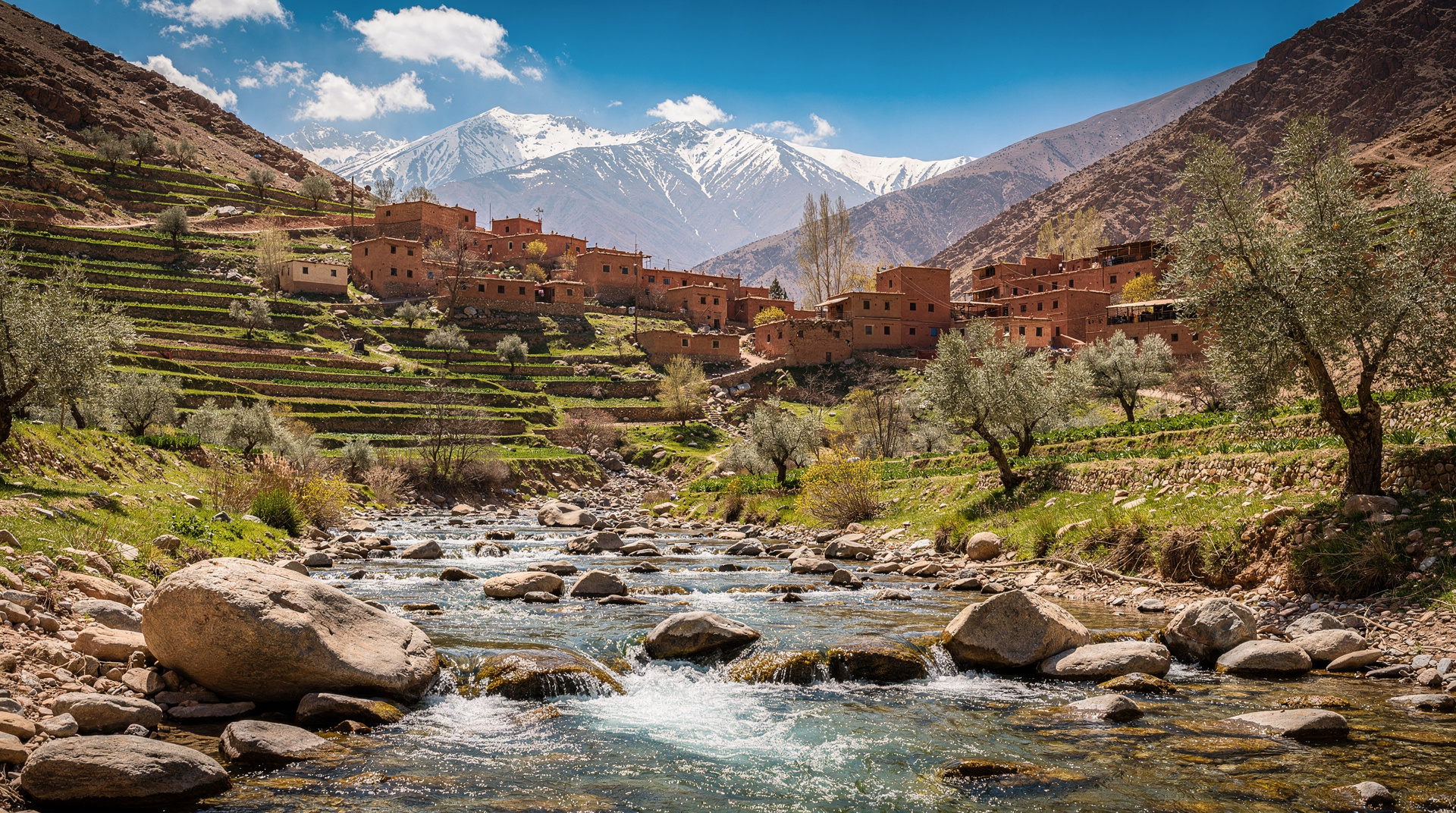
By mid-March, the Ourika Valley south of Marrakech sees a flush of wildflowers across the terraced hillsides. The valley is accessible as a half-day or full-day trip from Marrakech — a combination of Berber village life, Atlas foothill landscapes, and spring colour. Waterfalls fed by snowmelt are at their strongest in March, making this one of the best months for the Ourika excursion.
Eid al-Fitr (post-Ramadan)
Around March 19 in 2026, Eid al-Fitr marks the end of Ramadan. The first morning of Eid sees families in their best clothes heading to the mosque for prayer, then spending the day visiting relatives. The streets quiet in the morning and fill with celebratory energy in the afternoon. If you’re in Marrakech or Fes on Eid, expect a day of reduced tourist services but genuine cultural atmosphere.
Best things to do in Morocco in March
Day trip to the Ourika Valley
The Ourika Valley excursion from Marrakech is at its finest in March — spring wildflowers on the slopes, waterfalls at full flow from Atlas snowmelt, Berber villages against a backdrop of green hills. Most full-day tours include lunch at a riverside restaurant and a visit to local cooperative or market.
Ourika Valley day trip from Marrakech with lunch — a full-day excursion covering the valley villages and waterfalls.
Trek in the Atlas foothills
Late March opens the lower Atlas for trekking without serious winter gear. The Imlil area, accessible from Marrakech in about 1.5 hours, offers day hikes through terraced Berber villages with excellent Atlas views. March is before the heat that makes lower-elevation hiking uncomfortable in May and June.
Atlas Mountains and Berber village day trip from Marrakech — guided hike through the Imlil region and traditional Berber communities.
Sahara 3-day loop via Aït Benhaddou
March is prime Sahara season. The 3-day Marrakech-to-Merzouga loop via Aït Benhaddou and Dades Gorge is in its ideal weather window — warm days, manageable nights, no extreme heat. Book ahead: the post-Ramadan window in late March 2026 is one of the busiest booking periods for desert camps.
3-day desert tour from Marrakech to Merzouga — classic route with Aït Benhaddou, Dades Gorge, and overnight in the Erg Chebbi dunes.
Explore Chefchaouen in spring light
Late March is one of the best times for Chefchaouen — the blue city in warming spring light with the Rif hillsides green from winter rains. The Akchour waterfalls day trip from Chefchaouen is excellent in March when water levels are high.
What to pack for March in Morocco
March requires versatile layering — days can reach 24°C while evenings drop to 10°C:
- Light jacket for evenings — a mid-weight layer rather than a heavy winter coat
- T-shirts and light shirts for daytime — by late March, Marrakech afternoons are genuinely warm
- Waterproof layer — rain is still possible, particularly in Fes and the north
- Warm layer for desert nights — early March desert nights are cold; late March needs a fleece rather than a full down jacket
- Walking shoes — comfortable for medina cobbles and potentially muddy Atlas trails
- Sunscreen — UV intensity rises sharply through March; don’t underestimate it
- Headscarf or buff — useful for occasional chergui (dust wind) days
Sample itineraries for March
7-day itinerary (late March, post-Ramadan): Marrakech for 2 nights, Ourika Valley day trip, south to Aït Benhaddou and Merzouga for 2 nights in the desert, return via Dades Valley. See the 7-day Morocco itinerary.
10-day itinerary: Add Fes to the above — fly into Marrakech, drive to Merzouga and loop north to Fes via the Ziz Valley. Post-Ramadan crowds are moderate, not peak. The 10-day Morocco itinerary covers this route in detail.
14-day full Morocco loop: Marrakech, Aït Benhaddou, Merzouga, Fes, Chefchaouen, Essaouira. Late March is excellent for the full loop — spring conditions everywhere without peak crowds. See the 14-day Morocco itinerary.
March in Morocco: who should go, who should wait
March works exceptionally well for:
- Travellers in late March (post-Ramadan 2026) — ideal conditions, manageable crowds, rising-but-not-peak prices
- Spring trekkers targeting the Atlas foothills
- Desert travellers who want Sahara warmth without summer extremes
- Anyone who wants Ourika Valley at its most colourful
- Budget travellers who want spring weather without April prices
March is more complex for:
- First-timers who find Ramadan logistics daunting — the first 19 days of March 2026 are within Ramadan; early March 2027 is also in Ramadan
- Travellers who need reliable restaurant access during the day
- Those who want settled, hot beach weather — March is still transitional on the coast
For the full seasonal picture, the best time to visit Morocco guide compares March against April and October in detail. New visitors should also check the first-time visitors guide before a March trip involving Ramadan. The Morocco budget guide covers how March pricing compares to peak months.
March vs April vs October: how it compares
| Month | Marrakech days | Sahara days | Crowds | Prices |
|---|---|---|---|---|
| March | 18-24°C | 25-30°C | Moderate, lighter early month | Below peak, rises after Eid |
| April | 22-27°C | 30-35°C | Peak, book weeks ahead | Highest of spring |
| October | 26-30°C | 28-32°C | Peak, desert camps fill fastest | Highest of autumn |
March’s advantage is timing flexibility: it sits just before the April/October crush, so accommodation and desert camps are noticeably easier to book, especially in the first half of the month. The trade-off is Ramadan logistics for anyone travelling before ~March 19, 2026. See the Morocco in April guide and Morocco in October guide for the full seasonal comparison, and Ramadan travel in Morocco for planning around the fast.
Booking timeline for a March trip
- Desert camps for late March (post-Ramadan): book 3-4 weeks ahead — this is one of the busiest booking windows of the year as pent-up demand from Ramadan releases.
- Early March desert camps: more availability, since Ramadan reduces both local and some international demand.
- Riads in Marrakech and Fes: 2-3 weeks ahead is usually enough outside the Eid al-Fitr weekend itself.
- Atlas treks: confirm conditions with a guide close to your date — the snowline moves quickly through March, and some routes that are closed in early March open by the third week.
Frequently asked questions about Morocco in March
Is it worth visiting Morocco during Ramadan in March? Yes, with adjusted expectations. Sights, transport, and tourist restaurants generally operate as normal, but local eateries close during daylight hours and the pace is quieter until sunset. Many travellers find the iftar atmosphere in the medinas — food stalls, families gathering, a real change in energy after sunset — a highlight rather than a drawback. See the Ramadan travel in Morocco guide for details.
Is March too early for the Sahara? No — March is one of the better desert months. Days reach a comfortable 25-30°C at Merzouga, and while early-March nights can dip to around 5°C, by late March nights warm to a more manageable 10-12°C. Compare it against Morocco in October if you want to weigh the two best desert windows.