Morocco in January
Is January a good time to visit Morocco?
Yes, for Marrakech, the Sahara, and the southern coast. January offers quiet medinas, lower prices, and clear desert skies. Cold nights in the Sahara and snow in the Atlas require preparation, but the reward is Morocco without the crowds.
What January in Morocco actually looks like
January is one of the most underrated months to visit Morocco. The summer crowds are long gone, prices at riads and desert camps sit well below peak rates, and the light across the Atlas and Sahara has a clarity that photographers chase specifically in winter. Marrakech is cool but walkable. The desert is cold at night but spectacular in terms of visibility and atmosphere.
The trade-off is real: the high Atlas mountains are snow-covered and passes may close, Fes and Chefchaouen get genuinely cold, and some coastal beaches feel bleak in winter wind. But if your itinerary centres on Marrakech, the south, and the Sahara, January works extremely well.
This guide covers everything you need — weather region by region, what to do, what to skip, and how to pack for Morocco’s considerable January range.
| At a glance | |
|---|---|
| Where | Marrakech, Sahara, southern kasbah route, Agadir coast |
| Cost | Lowest of the year outside New Year week — riads around 30–40% below peak |
| Time needed | 7–14 days depending on whether you add Fes and the coast to a Marrakech-Sahara core |
| Getting there | Fly into Marrakech (RAK) or Casablanca (CMN) |
| Best for | Budget and off-peak travellers, photographers, desert overnights |
Weather in January by region
Marrakech
Daytime temperatures sit between 15°C and 18°C — comfortable for walking medinas and exploring souks without overheating. Evenings drop sharply to 5–8°C, which surprises travellers who associate Morocco with heat. A proper coat is essential after sunset. Rain is possible but typically brief — Marrakech averages around 4 rainy days in January.
Fes
Cooler than Marrakech and with more reliable rain. Daytime highs around 13–15°C, nights as low as 3–5°C. The medina of Fes is atmospheric in winter — fewer tourists, leather coats draped over the tannery workers, steam rising from hammams. Cold but manageable with the right clothing.
Chefchaouen and the Rif Mountains
January is the coldest month in the Rif. Daytime temperatures rarely exceed 12°C, and nights can approach 0°C. Rain and occasional light snow are possible. The blue medina looks extraordinary in mist, but this is not beach-and-terrace weather.
Atlas Mountains
The high Atlas is in full winter mode. Toubkal (4,167m) and the surrounding peaks are snow-covered, requiring mountaineering equipment for any summit attempts. The ski resort at Oukaïmeden (2,600m) typically has skiable snow in January, but conditions vary by year. Lower-altitude villages like Imlil are accessible and receive snow that is scenic rather than obstructive.
Sahara (Merzouga / Erg Chebbi)
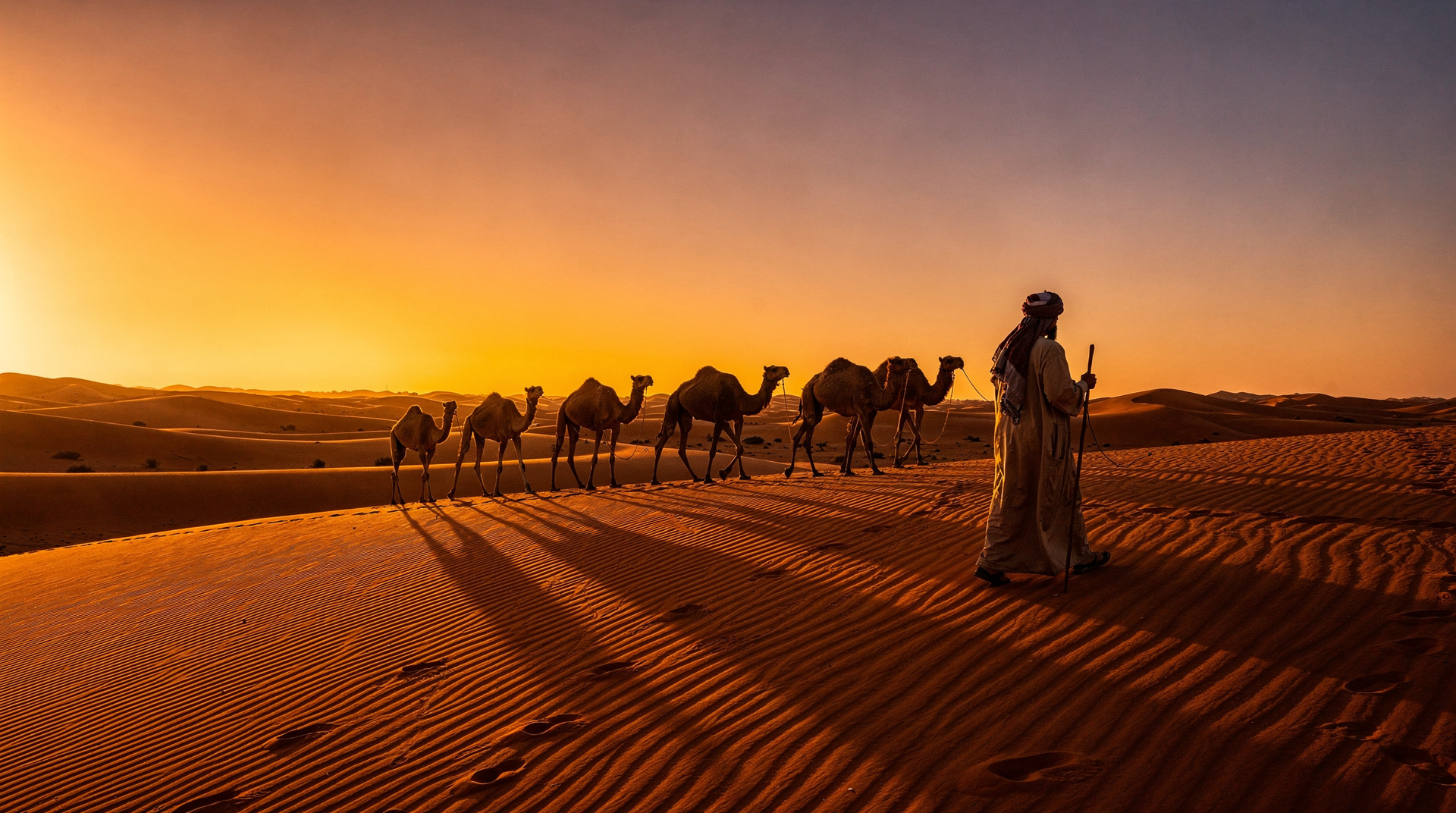
Daytime temperatures in the Sahara hover between 15°C and 20°C — genuinely pleasant for dune climbing and camel rides. Nights are a different matter: temperatures drop to near 0°C, and the desert cold is dry and penetrating. Bring a proper sleeping bag or confirm that your desert camp provides adequate bedding (the better camps do). The absence of heat haze means exceptional visibility — star-gazing and sunrise photography are superb in January.
Atlantic Coast (Essaouira / Agadir)
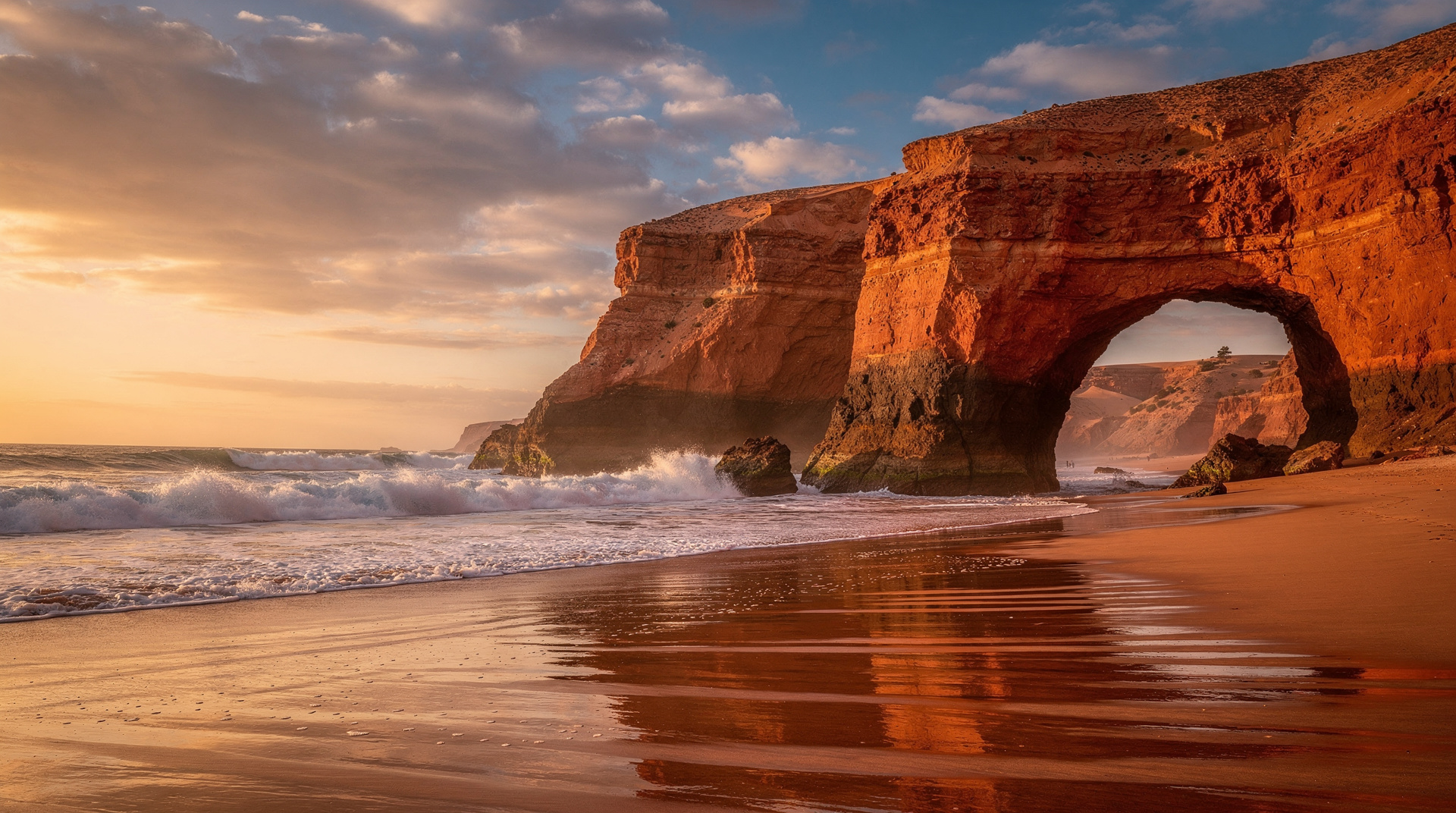
Agadir is the standout winter coast destination: 18–20°C, regular sunshine, and a beach culture that barely acknowledges winter. Essaouira is cooler at 14–17°C and windier than Agadir. For beach relaxation, Agadir wins in January. For the medina and surf atmosphere, Essaouira is perfectly manageable.
Crowds and prices in January
January is low season across Morocco with one significant exception: the week spanning New Year’s Eve and the first week of January sees elevated prices and occupancy at Marrakech’s best riads, coastal hotels in Agadir, and luxury desert camps. Book the New Year period well ahead — the rest of January is open.
From around January 7 onward, Morocco quietens significantly. Riad rates in Marrakech drop 30–40% from peak. Desert camp bookings at Merzouga are easy to secure without advance planning. Medinas at Fes and the Aït Benhaddou kasbah see minimal tourist groups.
The practical benefit goes beyond cost: you’ll negotiate more genuinely in souks, have guides to yourself at historical sites, and find the medina rhythms of Marrakech and Fes more authentic when locals aren’t catering primarily to tourist groups.
Key events and festivals in January
New Year in Marrakech
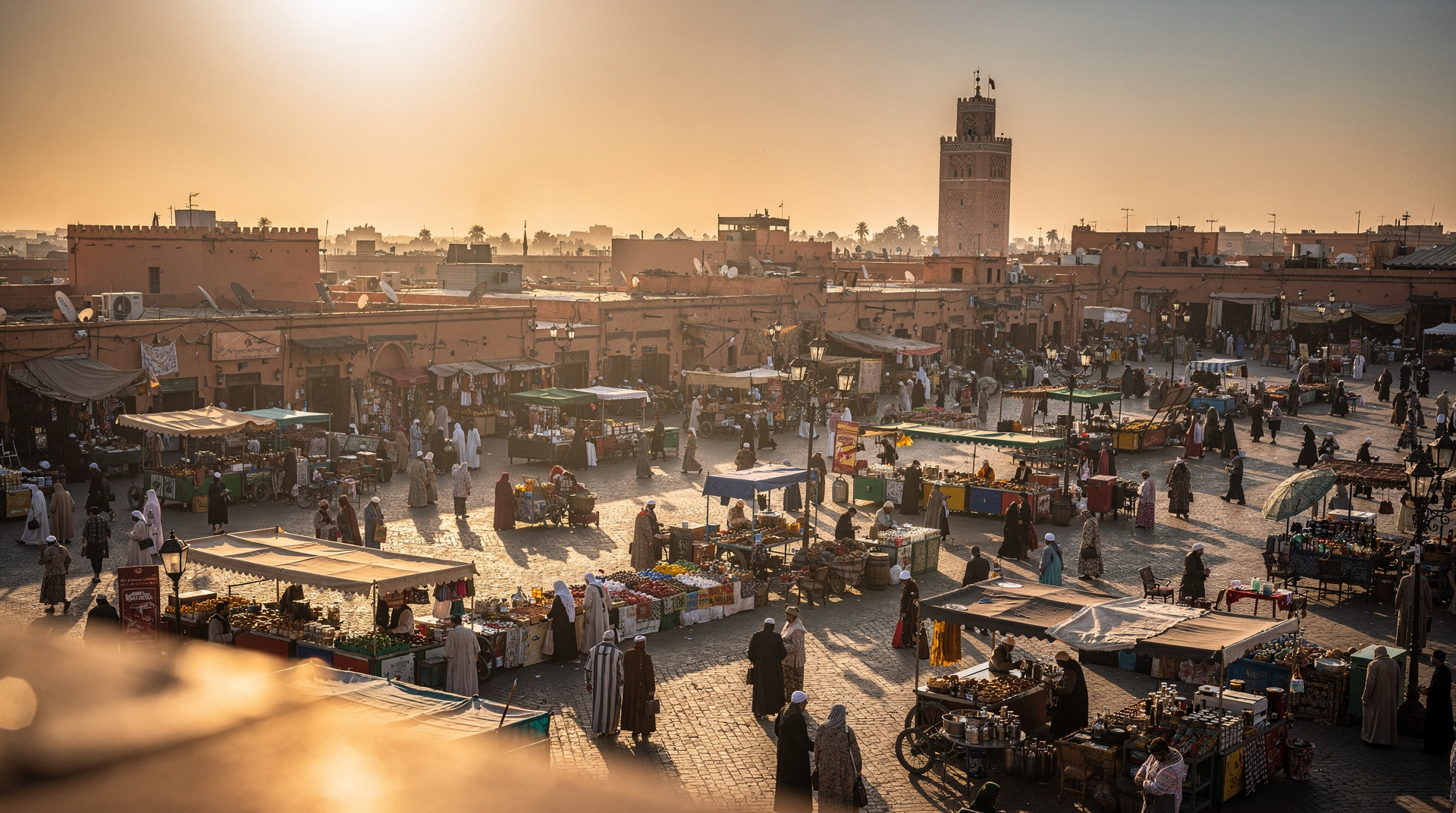
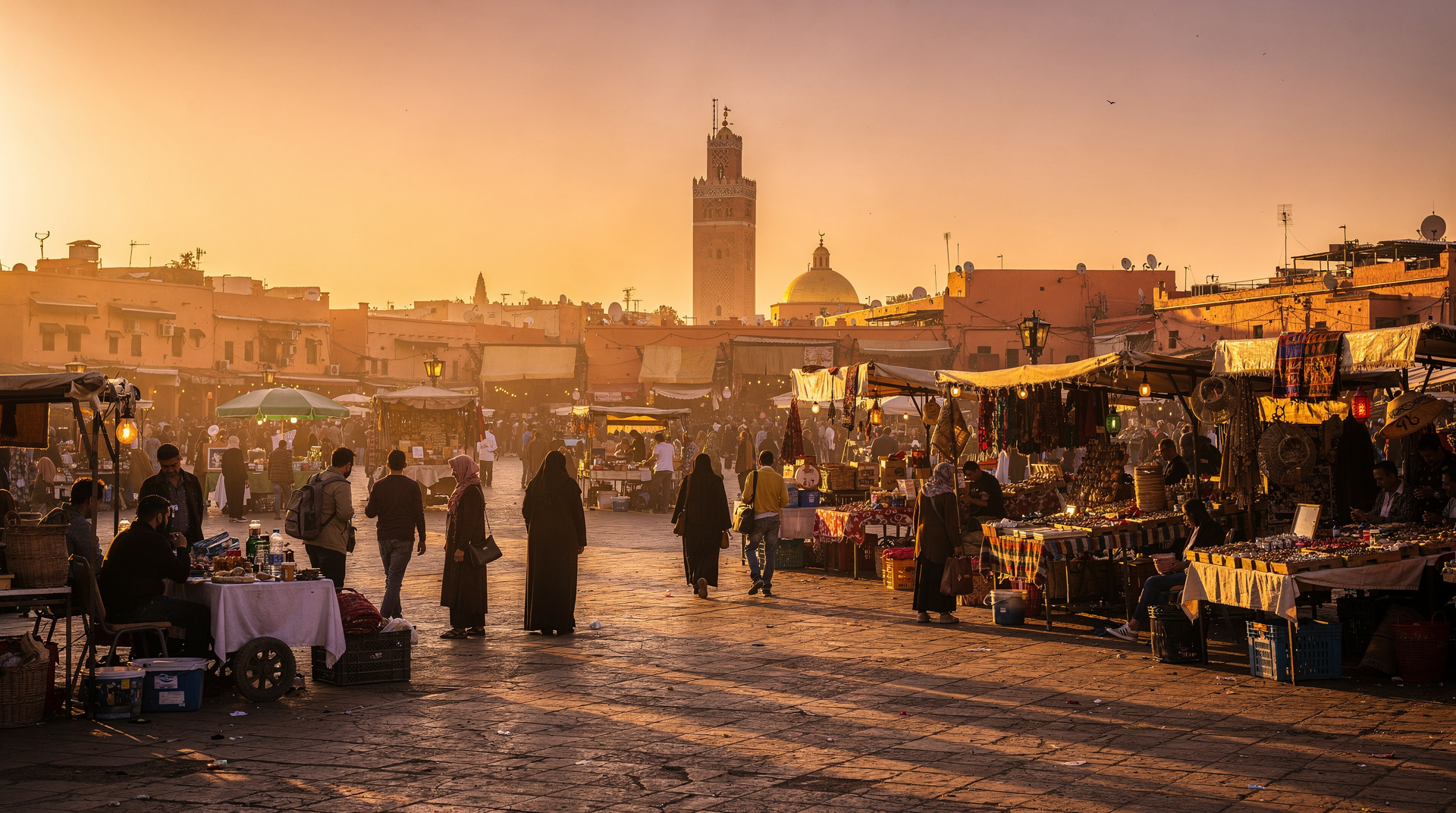
The Jemaa el-Fna square hosts informal celebrations on New Year’s Eve, though there is no organised event. Riad rooftop parties and restaurant set dinners are the main options. Prices reflect demand.
Yennayer — Berber New Year
Yennayer (January 12–13) is the traditional Amazigh (Berber) new year, now an official Moroccan public holiday. Families gather for a couscous meal and celebrations are family-focused. In Berber villages in the Atlas and Souss regions, the festival has genuine community character. It’s not a tourist spectacle, but being in Morocco during Yennayer gives a window into Berber cultural identity.
Almond blossom in Tafraoute
Late January sees the first almond blossoms appear in the Tafraoute area of the Anti-Atlas — a striking visual contrast of pink-white flowers against red granite rock formations. The Ameln Valley near Tafraoute is the most accessible area for blossom viewing. The main bloom runs late January to mid-February, with peak colour typically in the first week of February.
Best things to do in Morocco in January
Explore the medina of Marrakech without the crowds
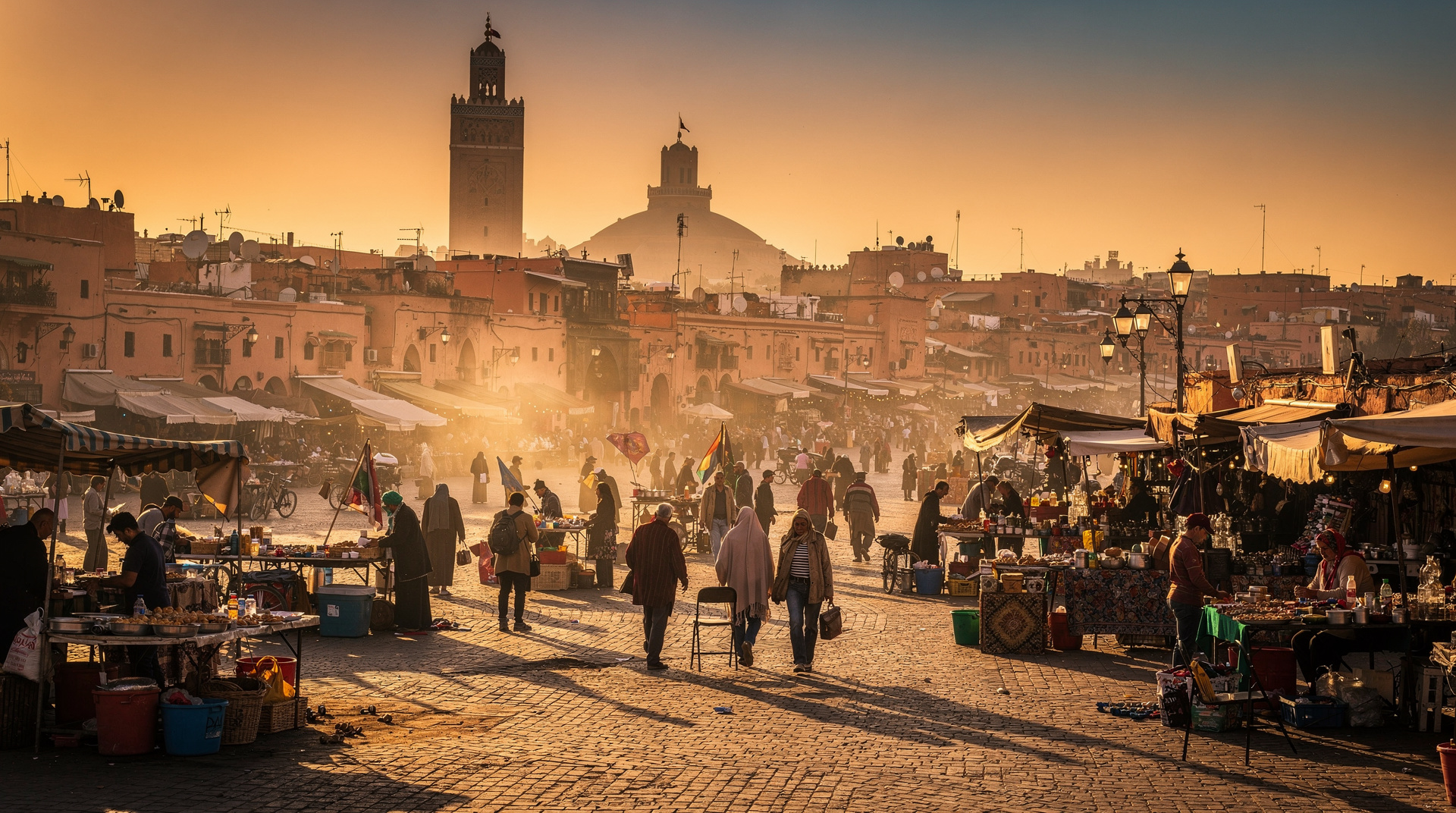
The medinas of Marrakech in January are as close to authentic daily life as a visitor can comfortably access. The souks are less pressurised, local craftspeople work at their own pace, and the Jemaa el-Fna market has real community character rather than tourist-performance mode. A guided medina walk unlocks the context behind the labyrinth.
Marrakech guided medina history and culture tour — a 3-hour walking tour covering the key landmarks, souks, and hidden passages of the old city.
Overnight in the Sahara at Merzouga
January is one of the finest months for a desert overnight. The cold is real but the atmosphere is exceptional — clear black skies with extraordinary star density, golden dunes with no heat haze, and sunrise colours that summer heat distorts. Confirm your camp provides proper bedding; this is not a detail to skip in January.
Merzouga overnight desert camp with camel ride — classic camel trek into the Erg Chebbi dunes with camp dinner and sunrise return.
Visit Aït Benhaddou and Ouarzazate
The southern valley route from Marrakech through Aït Benhaddou and Ouarzazate is at its most rewarding in winter — reduced tour groups, clearer light, and the Atlas passes (weather permitting) dressed in snow. The UNESCO kasbah at Aït Benhaddou, filmed location for Gladiator and Game of Thrones, is far more impressive without the summer tour-group queues.
Enjoy Agadir’s winter sunshine
While northern Morocco is cold and the Atlas is snowbound, Agadir maintains its position as Morocco’s most reliable winter sunshine destination. The beach is walkable if not swimming-worthy, the promenade is open, and the relaxed coastal atmosphere suits those who want Morocco without the medina intensity.
Traditional hammam experience
Cold January evenings are the natural companion to a traditional Moroccan hammam. It’s not just a tourist activity in winter — locals use hammams as community social spaces and genuine warmth during cold months. The experience carries more authenticity in January than in peak summer season.
Traditional Moroccan hammam and spa experience in Marrakech — a proper local hammam with scrub, black soap, and optional massage.
What to pack for January in Morocco
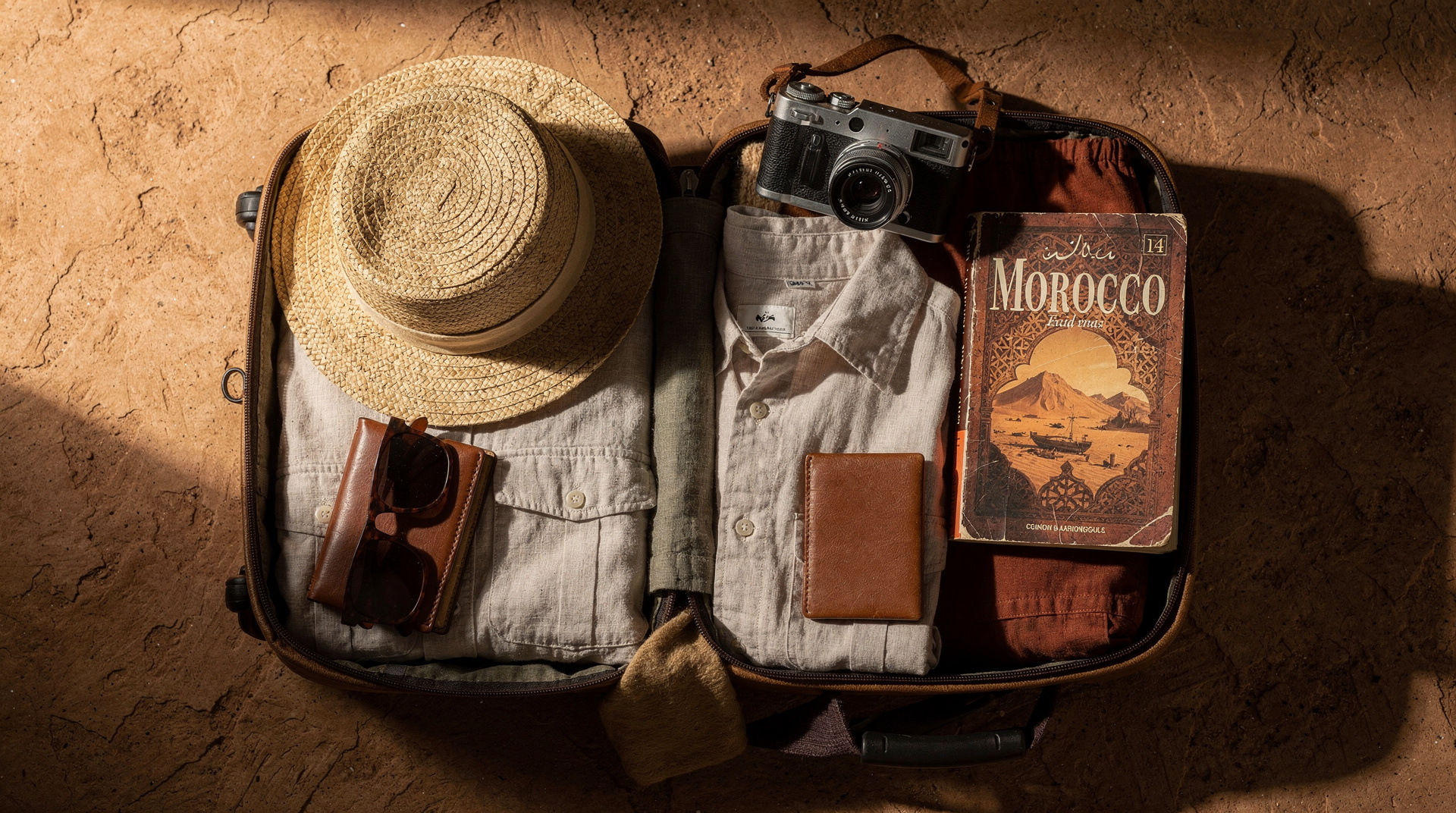
January requires layering for Morocco’s dramatic temperature swings:
- Warm coat or down jacket — essential for evenings in Marrakech and all-day in Fes and Chefchaouen
- Thermal base layers — for desert nights and mountain areas
- Waterproof outer layer — brief rain is possible across all northern cities
- Warm hat, scarf, and gloves — mandatory for desert overnight stays in January
- Comfortable walking shoes — closed-toe, sole grip matters on cobbled medina streets
- Sunscreen — UV intensity is high even at cool temperatures; the Moroccan winter sun is deceptive
- Layers for the day — Marrakech afternoons can reach 18°C, so you’ll want to remove the coat around midday
The desert temperature swing in January (20°C day, 0°C night) is the most demanding packing challenge. Don’t underestimate it.
Ramadan in January
Ramadan does not fall in January in 2026 or 2027. In 2026, Ramadan runs approximately February 19 to March 19. January 2026 is entirely outside Ramadan, so there are no daylight restaurant closures or altered medina rhythms to navigate.
Sample itineraries for January
7-day itinerary: Fly into Marrakech, spend 3 nights exploring the medina and a day trip to Aït Benhaddou via Ouarzazate, then loop south for 2 nights in the Sahara at Merzouga before returning via Dades Valley. Cold but genuinely rewarding. See the full 7-day Morocco itinerary for route details.
10-day itinerary: Add the imperial cities — Marrakech, then Fes with a stop in Chefchaouen for the blue medina in winter light, then south to Merzouga. Requires warm clothing throughout but covers Morocco’s greatest hits at their least crowded. The 10-day itinerary guide covers logistics.
14-day itinerary: The full loop — Marrakech, south to Merzouga, north to Fes, Chefchaouen, and Essaouira for the coast before returning. January pricing makes this significantly more affordable than the same trip in April or October. See the 14-day Morocco itinerary.
January in Morocco: who should go, who should skip
January works well for:
- Budget-conscious travellers who want Morocco’s experiences at off-peak prices
- Photographers chasing clear winter light and manageable crowds
- Couples wanting a quiet riad escape in Marrakech without summer chaos
- Desert enthusiasts who understand that cold nights are part of the January Sahara experience
- City-focused travellers who prioritise Marrakech and Fes over beaches and mountains
January is harder for:
- Families with young children who need warm beach weather
- Trekkers targeting the high Atlas — the Toubkal summit is a winter mountaineering expedition in January, not a walking trail
- Anyone sensitive to cold who hasn’t packed appropriately
- Travellers wanting Chefchaouen in its most photogenic mood — spring and autumn light are better than winter grey
For full seasonal comparison, the best time to visit Morocco guide covers every month side by side. The Morocco budget guide details how January pricing compares to peak season. First-time visitors should also check the first-time Morocco guide for January-specific preparation tips.
Practical notes for January travel
Desert camp bedding: Ask explicitly when booking whether your camp provides adequate winter bedding. The better camps do; budget bivouacs sometimes don’t. This is not a minor comfort issue — desert nights in January at near-zero temperatures are a genuine cold-weather situation.
Atlas passes: The Tizi n’Tichka pass (the main road between Marrakech and Ouarzazate) can close briefly in severe winter weather but is usually passable. Check conditions the morning you plan to drive. Your accommodation or tour operator will know current status.
Driving times: January fog can slow driving in the northern regions. The Marrakech to Merzouga route (approximately 10 hours) is unchanged year-round — allow full days for long southern drives.
Hammam etiquette in winter: Local hammams are busier in winter than in summer because Moroccans genuinely use them for warmth. Be patient about timing and confirm the schedule for men/women if visiting a neighbourhood hammam rather than a tourist facility.
Is January or February better?
Both share the same core weather pattern and low prices, so the choice usually comes down to two things: whether you want the Berber New Year (Yennayer, January 12–13) or the almond blossom (peaking early February), and whether your dates risk overlapping with Ramadan (which starts mid-February in 2026, not in January). Travellers wanting the simplest, restriction-free low season should favour January; those chasing the Tafraoute blossom or curious about Ramadan’s evening atmosphere should look at the Morocco in February guide.
Stargazing and desert nights
The same cold, dry, heat-haze-free air that makes January’s Sahara nights uncomfortable also makes them exceptional for stargazing — one of the most underrated reasons to book a desert overnight this month. The stargazing in the Sahara guide covers what to expect and how to pick a camp with minimal light pollution. If you’re deciding between a short overnight and a longer desert-first trip, the desert-focused Morocco itinerary builds a full route around it, and the Toubkal trek guide explains why the summit itself is off-limits without winter mountaineering experience this time of year.
Frequently asked questions about Morocco in January
Is January too cold to visit Morocco? No, not for Marrakech, the Sahara by day, or Agadir — daytime temperatures there stay comfortable. It’s genuinely cold at night everywhere and cold by day in the Atlas, Fes, and Chefchaouen, so layering matters more than avoiding the month.
Can you swim in Morocco in January? Agadir’s pool culture continues year-round, but sea swimming is for the hardy — water temperatures sit in the high teens Celsius and the air, while sunny, isn’t warm enough for most people to want to linger in the water.