Morocco in February
Is February a good time to visit Morocco?
February is good for Marrakech, the Sahara, and especially the Anti-Atlas almond blossom. In 2026, Ramadan starts around February 19 — plan around this if your trip falls late in the month. Outside Ramadan, February offers low prices and quiet medinas.
February in Morocco: winter’s last breath
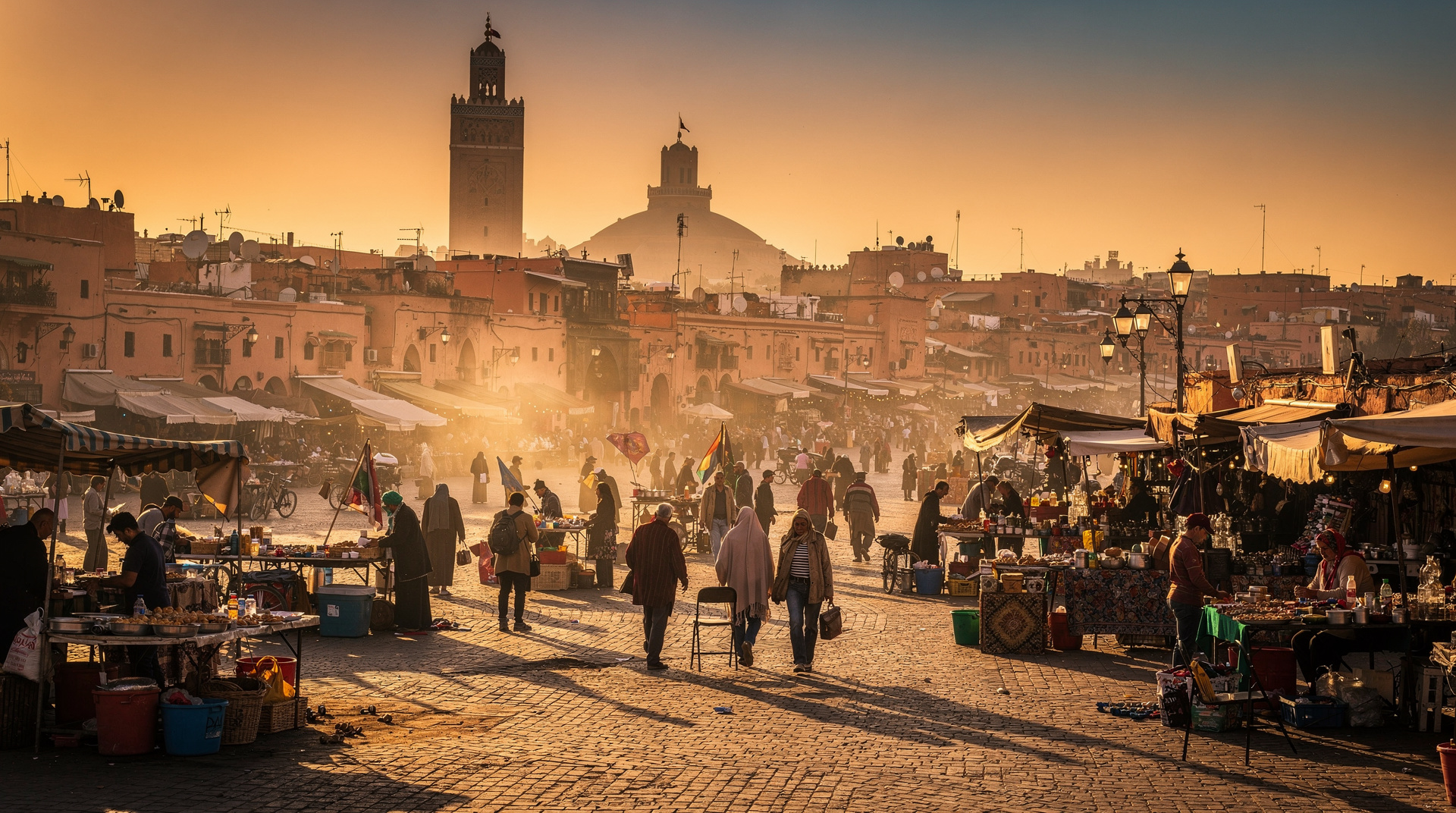
February is Morocco’s quietest month — and in non-Ramadan years, one of its most rewarding for travellers who don’t need beach weather. The conditions are very similar to January: cold nights, mild Marrakech afternoons, excellent desert visibility, and a general absence of tourist crowds that allows the country’s authentic daily life to surface.
What distinguishes February from January is two things: the almond blossom season that peaks in the first two weeks of February across the Anti-Atlas, and in 2026 specifically, the arrival of Ramadan. In 2026, Ramadan begins approximately February 19, which means late-February travel involves navigating the holy month’s changes to restaurant hours, street food, and medina rhythms.
Neither the blossom nor Ramadan is a reason to avoid February — but both require knowing about them before you go.
| At a glance | |
|---|---|
| Where | Marrakech, Fes, Sahara (Merzouga), Anti-Atlas (Tafraoute), Atlas ski at Oukaïmeden |
| Cost | Among the cheapest months — riads around 30–50% below April/October rates |
| Time needed | 7–10 days covers cities plus a desert loop; add 2 days for the Anti-Atlas blossom detour |
| Getting there | Fly into Marrakech (RAK) or Casablanca (CMN); both well served in February |
| Best for | Budget travellers, photographers, couples, curious Ramadan-window visitors |
Weather in February by region
Marrakech
Conditions similar to January but with a slight upward trend by month’s end. Daytime temperatures range from 16°C to 20°C — the first genuinely comfortable walking temperatures of the year arrive in late February. Evenings remain cold at 6–10°C. Brief winter rain remains possible but doesn’t typically disrupt plans.
Fes
Cold and occasionally wet. Daytime highs of 14–16°C with nights at 4–6°C. The Fes medina is genuinely atmospheric in February — hammam steam, leather-workers in winter coats, fewer visitors than any other month. Bring proper winter clothing and you’ll find it rewarding.
Chefchaouen and the Rif
Still in winter mode. Temperatures 10–14°C by day, near or below freezing at night. Light rain and mist are common. Chefchaouen in winter fog has its own particular beauty but it’s cold. If warmth is a priority, this isn’t the month.
Atlas Mountains
Full winter conditions. The ski resort at Oukaïmeden (2,600m elevation) typically has its best snow in January and February. If skiing in Morocco appeals — a genuinely unusual experience with slopes up to 3,268m and Atlas panoramas — this is the window. High passes and summit routes remain closed and require winter mountaineering equipment.
Sahara (Merzouga / Erg Chebbi)
Cold at night (near 0°C) but pleasant in the day at 15–20°C. Same characteristics as January: exceptional visibility, no heat haze, clear star fields. The morning after a cold desert night, when the low sun hits fresh sand that hasn’t been disturbed by day-trippers yet, is genuinely one of Morocco’s finest experiences.
Atlantic Coast (Essaouira / Agadir)
Agadir continues its reliable winter sunshine performance at 18–21°C. Essaouira is cooler and windier but the medina and port have their own winter atmosphere. February is prime season for learning windsurfing and kitesurfing at Essaouira — consistent wind, fewer beginner crowds than summer.
Crowds and prices in February
February is consistently among Morocco’s cheapest months for travel. Riad rates in Marrakech are 30–50% below April and October levels. Desert camps at Merzouga have availability without advance booking pressure. Fes guided tours can be booked last-minute.
The exception to this pattern is Valentine’s Day weekend (February 14–16), which drives demand for romantic riad packages in Marrakech and some coastal hotels. If you’re not specifically seeking the Valentine’s experience, travelling February 12–13 or February 19+ (though Ramadan starts around the 17th in 2026) gives you the same low-season conditions without the Valentine’s weekend premium.
Key events and festivals in February
Almond blossom in Tafraoute and the Anti-Atlas
The first two weeks of February see peak almond blossom across the Ameln Valley near Tafraoute in the Anti-Atlas. Pink-white flowers cover the trees against the backdrop of red granite boulders — a striking combination unique to this region. The Tafraoute area holds an informal Almond Blossom Festival in early February, a community event more than a tourist production.
Getting to Tafraoute requires a road trip south from Agadir (about 2.5 hours) — it’s not on the standard Marrakech-Sahara route but makes a compelling reason to include the Anti-Atlas in a February itinerary.
Skiing at Oukaïmeden
The Atlas Mountains ski resort of Oukaïmeden sits at 2,600m above sea level and is one of Africa’s highest ski resorts. February is peak ski season. Facilities are basic by European standards — a handful of runs, equipment hire on-site, and a spectacular Atlas backdrop — but the experience of skiing in North Africa is distinctive.
Day trips from Marrakech are the standard approach, taking about 1.5 hours each way. The Marrakech day trip to Oukaïmeden includes transport and typically equipment hire.
Valentine’s Day riad weekends
Marrakech has positioned itself as a romantic Valentine’s destination, and many of the better riads run specific packages for the February 14 weekend. If this is your purpose, book well ahead — the dozen or so truly exceptional Marrakech riads fill up fast for Valentine’s weekend.
Ramadan in February 2026: what you need to know
In 2026, Ramadan begins approximately February 19. This affects travel from that date until around March 19. If your February trip extends past the 17th, or if you’re planning for late February specifically:
What changes:
- Most local restaurants close during daylight hours — tourist-oriented restaurants typically remain open
- Street food from carts and stalls largely disappears between dawn and sunset
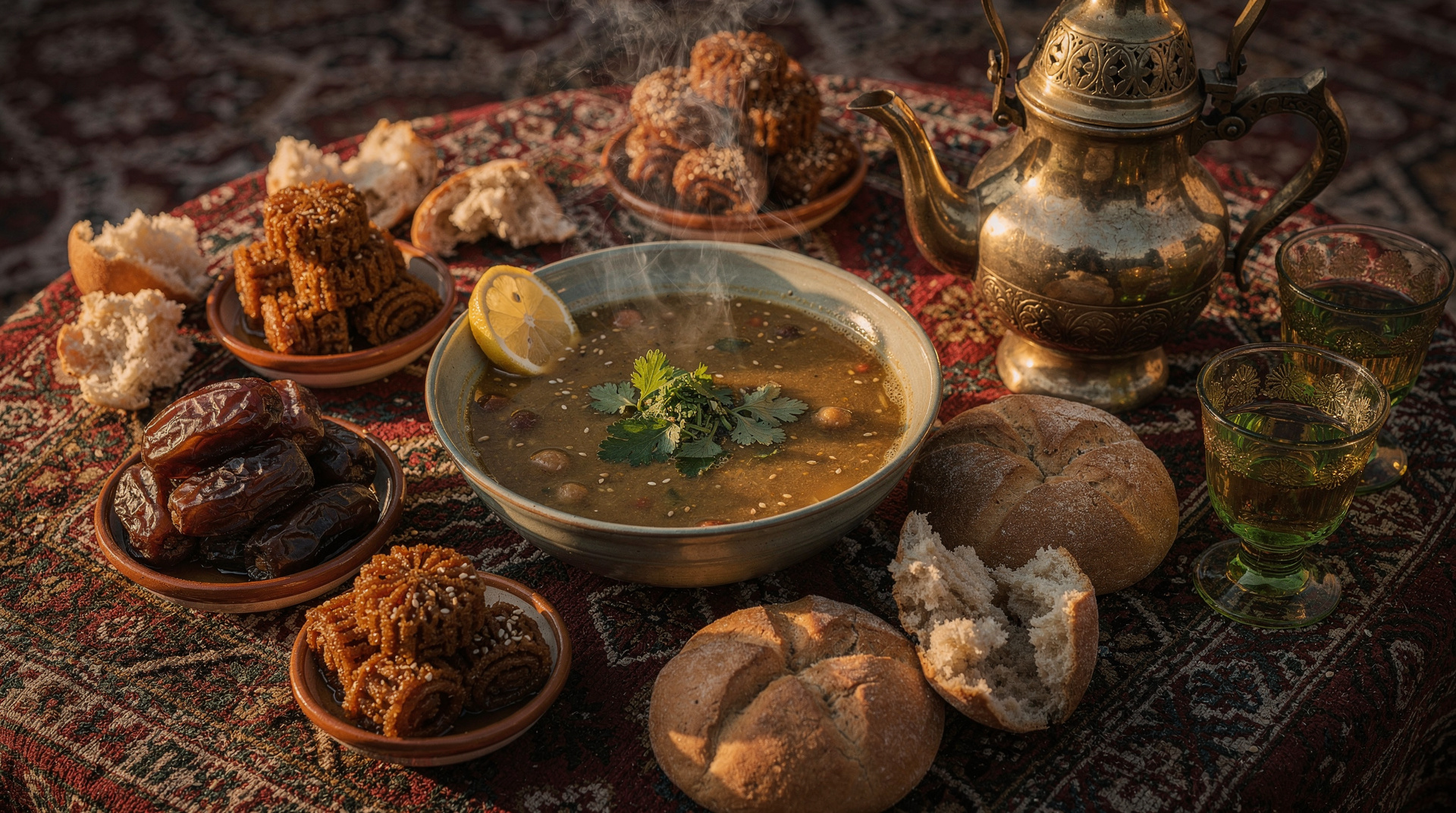
- The medina pace slows in the morning and picks up dramatically in the evening around iftar (sunset meal)
- Some attractions reduce their hours
- Alcohol service at bars and many restaurants is suspended or reduced
What doesn’t change:
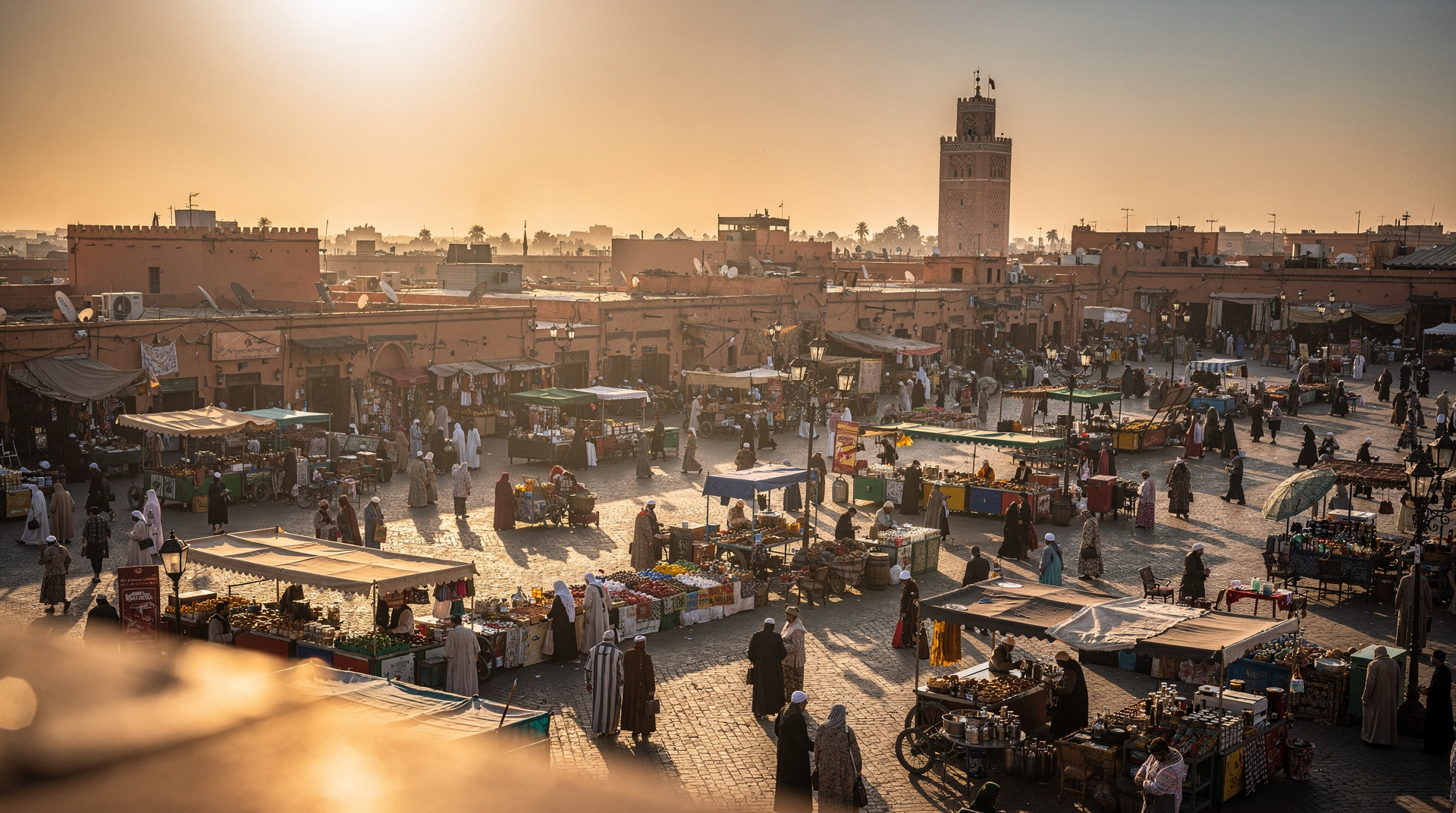
- Major sights (Jemaa el-Fna square, the medinas, Majorelle Garden) remain open
- Guides and tour services continue to operate
- Hotels serve breakfast to guests
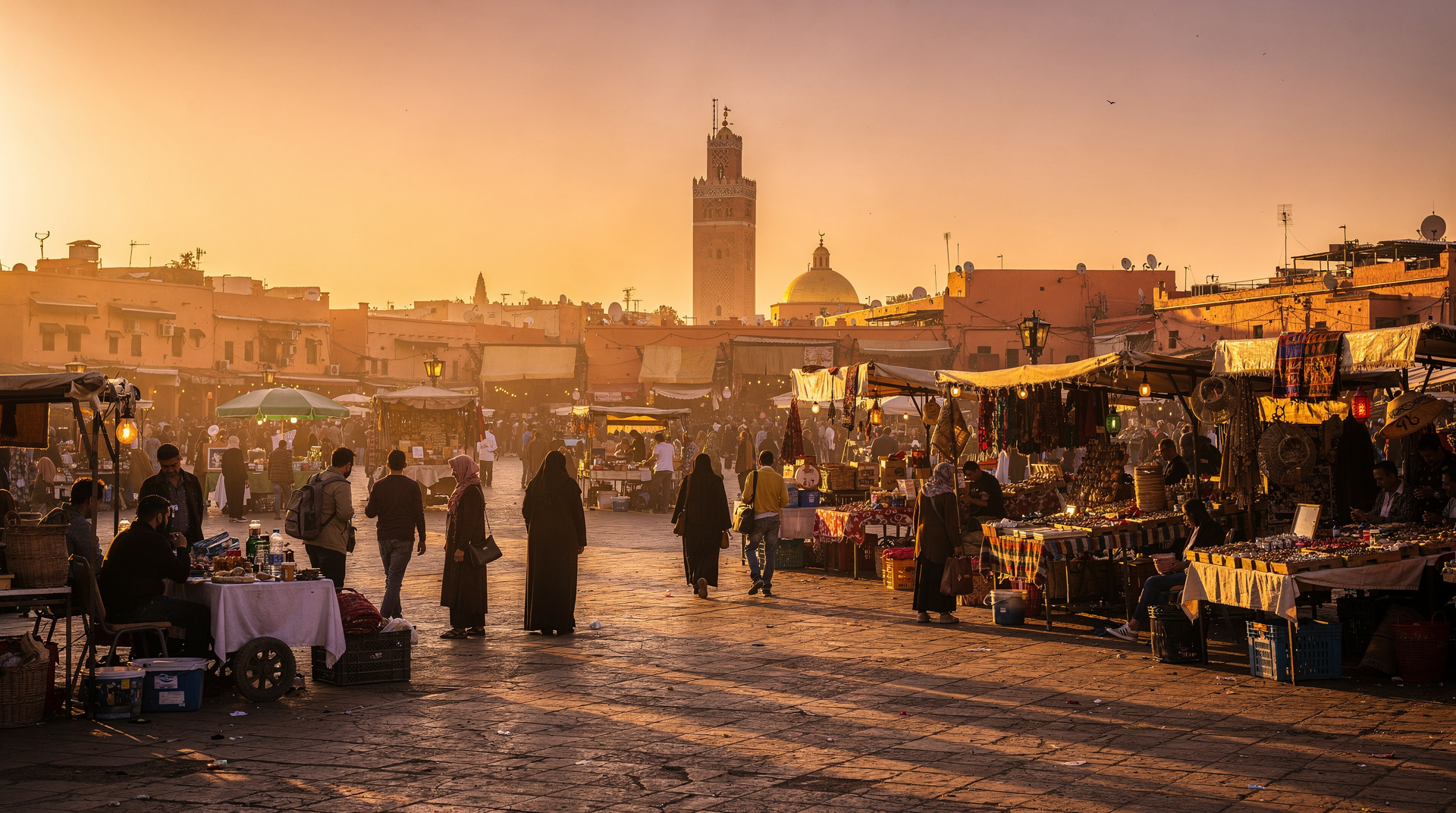
- The evening energy after iftar, when families spill into the streets and night markets come alive, is genuinely atmospheric
Honest assessment: If you’re in Morocco during Ramadan for the first time, accept that lunch planning requires more thought than usual. The evening experience — particularly in Marrakech and Fes after iftar — is actually one of the more memorable aspects of Morocco that off-season travellers rarely see.
For 2027, Ramadan falls approximately February 8 to March 8–9.
Best things to do in Morocco in February
Take a 3-day desert tour to Merzouga
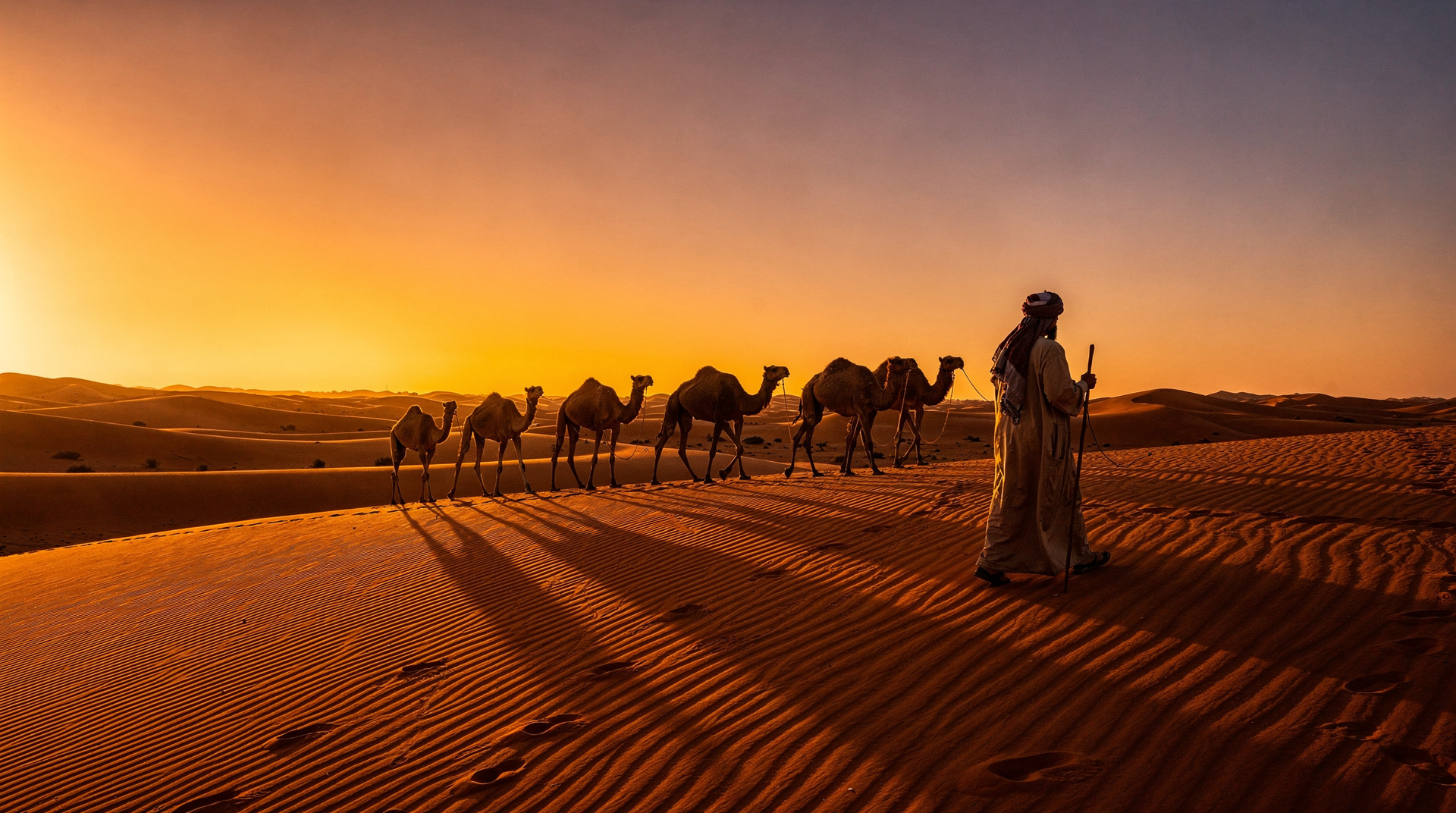
February is an excellent month for the classic Marrakech-to-Merzouga desert loop. The cold nights require preparation but the dune experience — exceptional visibility, clear skies, quiet camps — is superb. Most 3-day tours include nights in the Dades Valley and a visit to Aït Benhaddou.
3-day Sahara desert trip from Marrakech to Merzouga — the standard route with stops at Aït Benhaddou and Dades Gorge.
Explore Fes medina with a local guide
The Fes medina in February — particularly in the first half of the month before Ramadan — is at its most honest. Tannery workers, bread bakers, and spice traders work without pausing for tourists. A guided morning walk through the medina covers the Chouara Tannery, the Bou Inania Madrasa, and the souks in 3–4 hours.
Fes medina guided tour — half-day walk through the ancient medina with a licensed local guide.
Drive the Anti-Atlas to see almond blossom
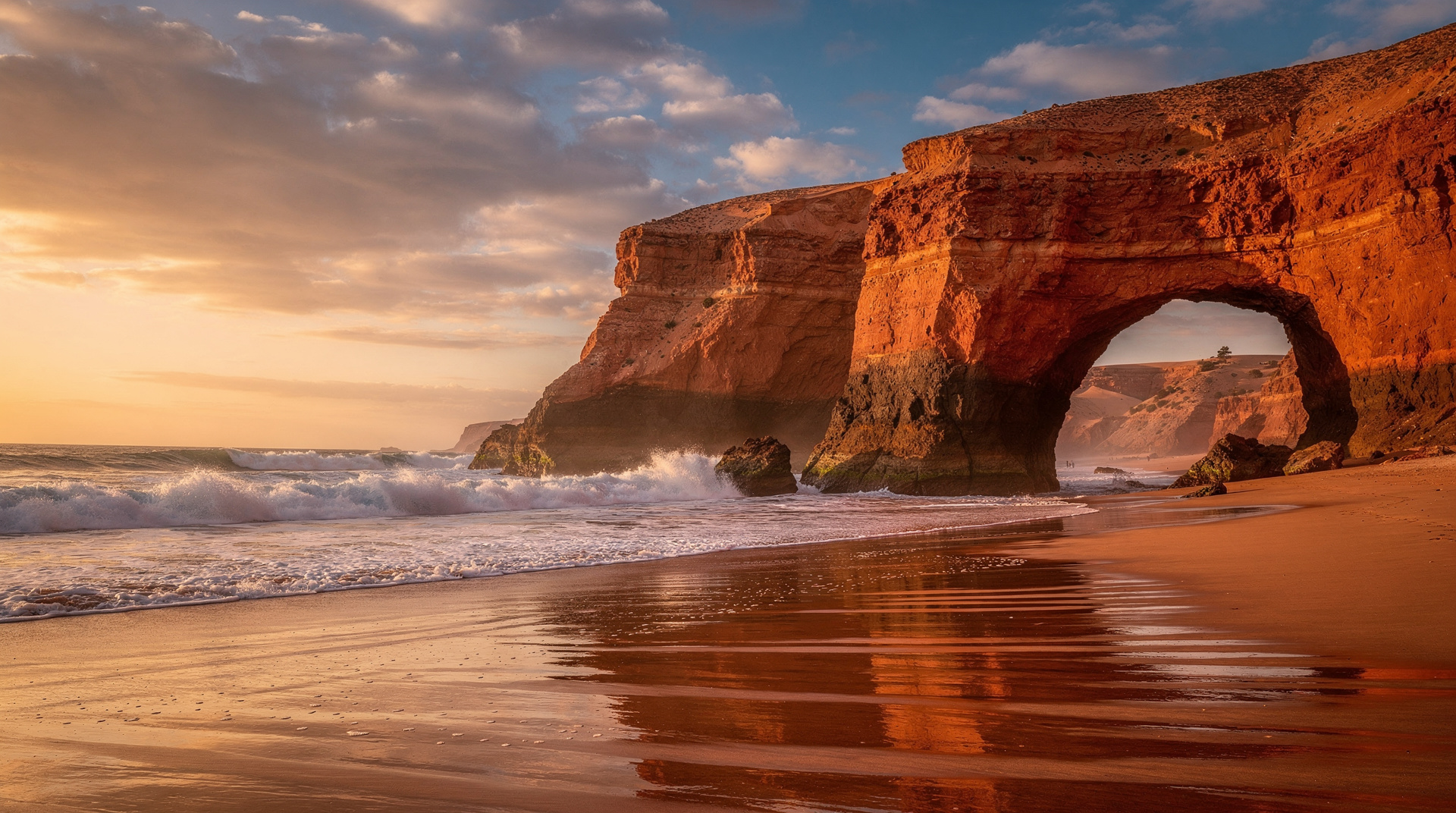
The road south from Agadir to Tafraoute passes through the Ameln Valley at peak almond blossom in early February. The combination of pink-white blossoms, red granite, and Berber villages against the arid Anti-Atlas landscape is genuinely striking. If you’re hiring a car, this is a two-day route worth building into a February itinerary.
Ski at Oukaïmeden
A day on Africa’s highest ski slopes is a conversation piece. Facilities are functional if basic. The views across the Atlas Mountains compensate for anything the infrastructure lacks. Day trips from Marrakech are easily arranged.
What to pack for February in Morocco
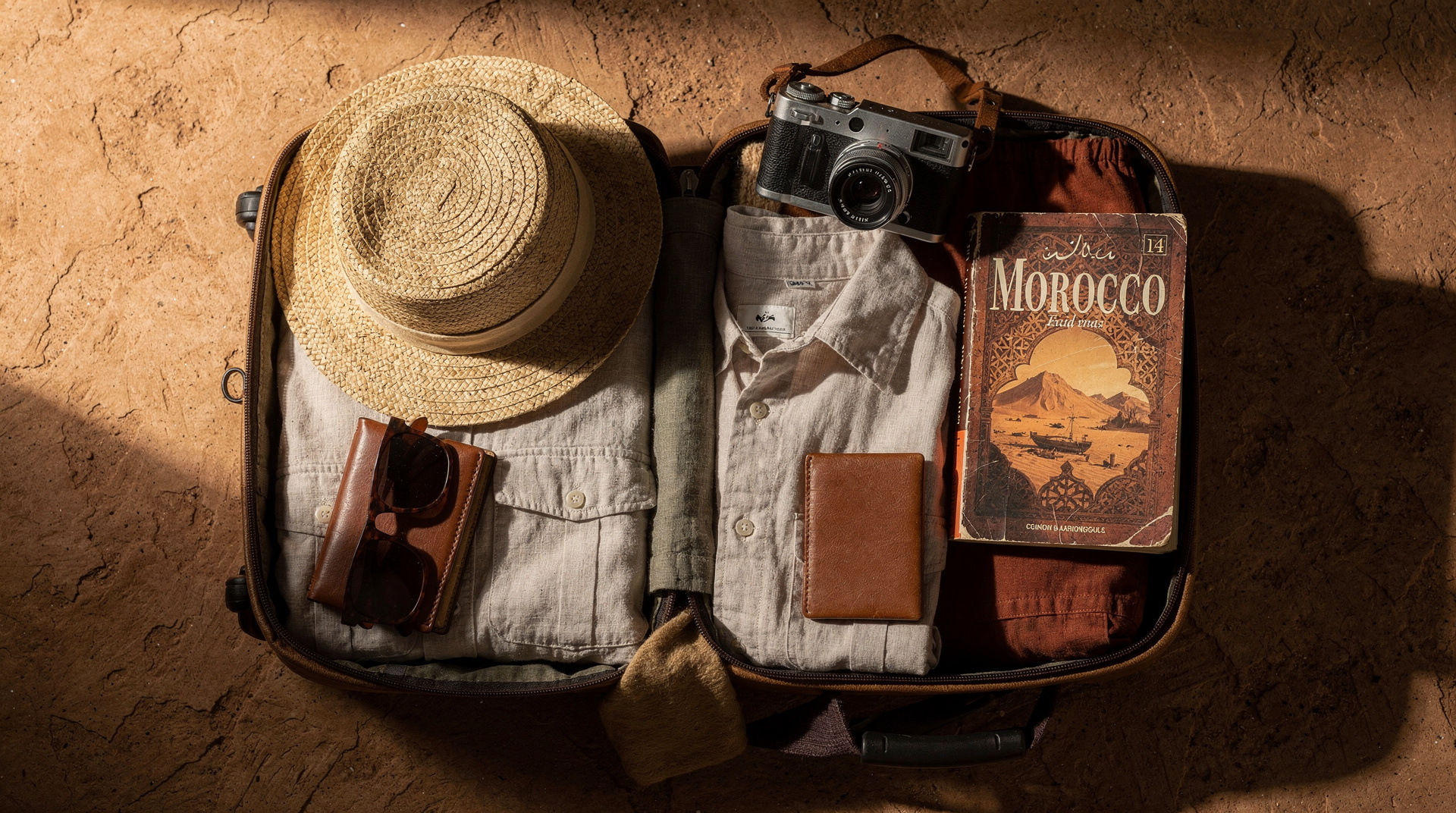
Nearly identical to January packing with one addition: if you’re targeting the almond blossom in the Anti-Atlas (typically drier and slightly warmer than the north), you can be slightly lighter. Otherwise:
- Warm coat — mandatory for evenings across all cities
- Thermal base layers — for desert camps and mountain excursions
- Mid-layer fleece — for the transition between coat and shirt during warm afternoons
- Waterproof jacket — rain remains possible, particularly in Fes, Chefchaouen, and the Rif
- Warm desert night kit — hat, gloves, thermal layers if staying overnight in the Sahara
- Comfortable walking shoes — cobbled medina streets get slippery when wet
- Light sunscreen — UV index is rising in February compared to January
Sample itineraries for February
7-day itinerary (early February, pre-Ramadan): Fly into Marrakech, 2 nights in the medina, day trip to Aït Benhaddou, 2 nights at a desert camp near Merzouga, return via the Dades Valley. Full route in the 7-day Morocco itinerary.
10-day itinerary: Extend the above to include Fes and the Anti-Atlas almond blossom region. February prices make this route significantly more affordable than spring. See the 10-day Morocco itinerary.
Romantic weekend (Valentine’s, early Feb): 4 nights in Marrakech at a top-tier riad. Day trip to Essaouira or the Ourika Valley. Evening hammam and rooftop dinner. February temperatures are perfect for this without summer heat or crowd pressure.
February in Morocco: who should go, who should wait
February works well for:
- Travellers on a budget — the price advantage over spring is significant
- Photographers — almond blossom, winter Atlas light, clear Sahara skies
- Couples seeking a romantic Marrakech or riad break without crowds
- Those curious about Ramadan — late February 2026 offers a genuine window into this cultural experience
- Skiers who want an unusual snow experience in Africa
February is harder for:
- Travellers who need warm beach weather throughout — only Agadir delivers this reliably
- First-time visitors who find Ramadan logistics daunting — the first half of the month is easier
- Those sensitive to cold who won’t pack adequately for desert nights
For more seasonal context, the best time to visit Morocco guide gives the full year view. Planning a longer trip? The 14-day Morocco itinerary works especially well in early February when prices are at their lowest.
Practical notes for February
Ramadan dates are approximate: Islamic calendar dates shift slightly based on moon sighting. The February 19 start date for Ramadan 2026 is approximate — confirm closer to your travel date via official Moroccan government sources or your accommodation.
Tafraoute blossom timing: The almond blossom window is genuinely short — peak bloom typically lasts 10–14 days in early February. If this is a priority, aim for the first two weeks of February and build some flexibility into your itinerary in case of early or late bloom.
Desert camp bedding: Identical advice to January — confirm with your camp that adequate winter bedding is provided. Near-zero temperatures in the Sahara are a real cold-weather situation, not a minor inconvenience.
Oukaïmeden snow conditions: Snow depth at the ski resort varies significantly year to year. Check current conditions with your accommodation or tour operator before making the 3-hour round trip from Marrakech.
How February compares to the months around it
| Month | Marrakech daytime | Crowds | Prices | Stands out for |
|---|---|---|---|---|
| December | 17–19°C | Low-medium (holidays) | Medium-high | Christmas/New Year riad breaks |
| January | 16–19°C | Low | Low | Same as February, no blossom |
| February | 16–20°C | Low | Low | Almond blossom, skiing, pre-Ramadan window |
| March | 19–23°C | Medium | Medium | Ramadan continuing, warming weather |
| April | 22–26°C | High | High | Peak spring, Marrakech Marathon |
For the wider picture across all twelve months, see the best time to visit Morocco guide.
Should you take a multi-day trek in February?
Snow rules out the Toubkal summit route for anyone without winter mountaineering experience — the Toubkal trek guide covers the seasonal cutoffs in detail. Lower-elevation options stay viable: the Anti-Atlas around Tafraoute and the foothills near Imlil can be walked comfortably in February daylight, and the Imlil vs Ourika trek comparison is useful if you want a day hike rather than a multi-day commitment. For anyone weighing a full desert-and-mountain split, Atlas vs Sahara lays out which suits a short February trip better.
Frequently asked questions about Morocco in February
Is it cold in Morocco in February? Evenings and mornings are cold nationwide — near freezing in the Sahara and Atlas, 4–10°C in Fes and Chefchaouen. Daytime Marrakech and Agadir are comfortable at 16–21°C, but pack proper layers regardless of where you’re headed.
Can you see snow in Morocco in February? Yes — the High Atlas around Oukaïmeden and Toubkal typically holds its best snow cover of the year in February, and skiing at Oukaïmeden is a realistic day trip from Marrakech.