Morocco Packing List: Winter vs Summer (2026 Detailed Comparison)
How do you pack differently for Morocco in winter vs summer?
Winter (Dec-Feb): pack warm layers, a fleece, a real jacket, scarf, closed shoes — riads have NO heating, Atlas is freezing, Sahara nights drop to 5°C. Summer (Jun-Aug): light breathable cotton, sun hat, real SPF, modest covering for medina, sandals + one closed-shoe, hydration bladder.
Seasonal packing is the one thing most Morocco trip reports get wrong
Generic Morocco packing lists say: bring layers, wear modest clothing, pack sunscreen. Technically true — but useless when you are deciding whether a fleece is needed in June or whether January genuinely requires a winter coat.
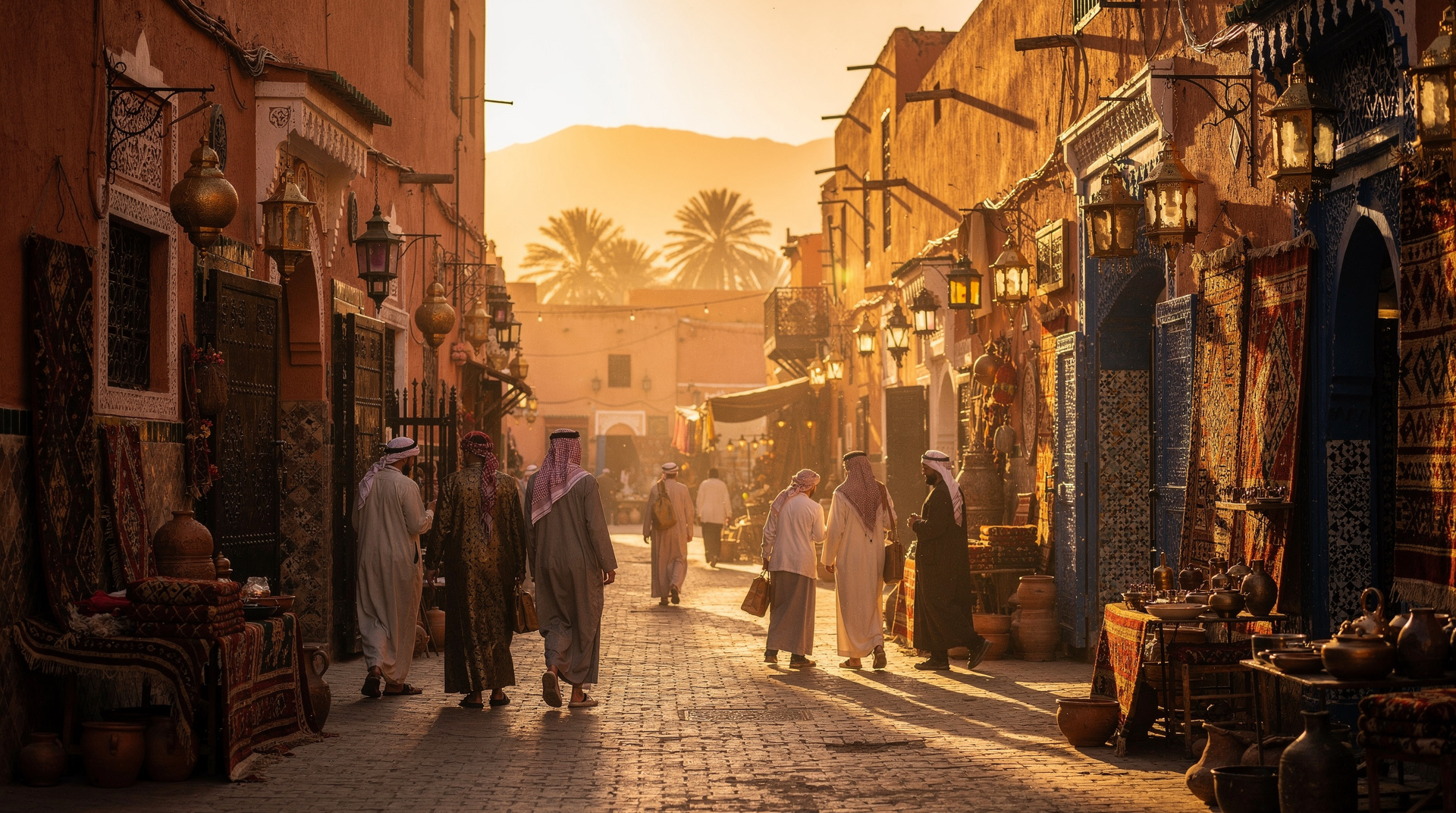
Morocco spans an enormous climatic range. Chefchaouen in February feels like a damp hillside at 600 m. Merzouga in July is a furnace at 45°C. Essaouira in August has a cold Atlantic wind that surprises everyone expecting beach weather. The medinas of Fes and Marrakech look the same in photos but demand completely different gear depending on when you visit.
This guide gives you two concrete packing lists — winter (Dec-Feb) and summer (Jun-Aug) — plus shoulder season guidance, region add-ons, and FAQ. The Morocco packing list covers year-round essentials. This is everything that differs by season.
At a glance
| Winter kit weight | Around 4-5 kg for a 10-day trip with fleece, jacket and boots |
| Summer kit weight | Around 2-3 kg — lighter fabrics, fewer layers, more open footwear |
| Biggest winter mistake | Underestimating cold riad nights and Atlas/Sahara chill |
| Biggest summer mistake | Packing synthetics instead of breathable natural fibres |
| Shared essentials | Power adapter, UV400 sunglasses, modest medina layer, sunscreen |
| Where to buy gaps | Souks in Marrakech, Fes and Chefchaouen for scarves, kaftans and babouches |
Winter vs summer at a glance
| Winter (Dec-Feb) | Summer (Jun-Aug) | |
|---|---|---|
| Riad nights | 5-8°C, no heating — pack sleepwear layers | Warm, ventilation matters more than warmth |
| Marrakech days | 15-20°C, mild but chilly mornings | 38-42°C, punishing midday heat |
| Sahara nights | 3-7°C, sleeping bag liner recommended | 20-25°C, comfortable in a t-shirt |
| Key outer layer | Fleece + wind-resistant jacket | Wide-brim hat + lightweight cardigan for evenings |
| Footwear priority | Closed shoes, waterproof for the north | Supportive sandals + one closed pair |
| Coast conditions | 15-18°C with wind, feels colder | 21-26°C, still windy at Essaouira |
The truth about riads in winter
This deserves its own section because it catches almost every first-time winter visitor off guard: traditional Moroccan riads do not have central heating. Not most of them. A thick riad wall that keeps the interior cool in summer becomes a cold block in January. You will sleep in an unheated room where the temperature at 3 a.m. can drop to 5-8°C, even in Marrakech.
Some higher-end riads have added space heaters or underfloor heating, but you cannot count on it. Budget and mid-range riads almost never do. The architectural logic of the riad — thick walls, central courtyard open to the sky — was designed for summer. It is counterproductive in winter.
What this means for packing: you need sleepwear you can actually sleep in when it is cold. A merino wool long-sleeve base layer doubles as your pyjama top and your morning outfit. Woollen socks are not optional. And your “day bag” warm layer needs to come indoors with you at night.
This same logic applies to the medina streets of Fes, where alleyways between tall buildings stay shadowed and cold all day in December and January. You are not just cold at night — you are cold walking around.
See Morocco in January for a full breakdown of conditions by city.
The truth about summer in Morocco
Summer is genuinely extreme. In the Sahara at Merzouga, July and August temperatures hit 45-48°C between 11 a.m. and 4 p.m. Marrakech medina in July is not quite that, but 38-42°C in a crowded souk with no shade is still punishing. You are sweating constantly, dehydrating faster than you realise, and clothing that sounds modest (a long loose shirt) can trap heat badly if made from synthetics.
The Atlantic coast is the exception. Essaouira and Agadir are moderated by the cold Canary Current — Agadir sits around 26°C in July. Essaouira’s famous wind means a light wind layer is genuinely needed even in summer.
See Morocco in July for temperature data by region.
Winter packing list (December, January, February)
Clothing
- Base layer: merino wool 200gsm long-sleeve top x 2. Wool regulates temperature, does not smell after two days of wear, and layers under everything.
- Mid layer: fleece zip-up (200-weight or equivalent). This is the single item most people underpack. A cheap synthetic fleece works; a merino pullover works; a thick cotton hoodie does not — it is too heavy and does not dry quickly.
- Outer layer: a real jacket with wind-resistance. Not a fashion blazer. For Atlas trekking, a 3-in-1 jacket (shell + fleece liner) is the most versatile option. For cities only, a wool overcoat is fine.
- Long trousers x 2: one pair of lightweight trekking trousers, one pair of smarter travel trousers (for restaurants and cultural sites). Jeans are fine but heavy and slow to dry.
- Thermal/lightweight long-sleeved shirts x 3: a base layer under a shirt adds 3-5°C without bulk.
- Merino or wool socks x 4-5 pairs: critical for cold riad mornings and Atlas day trips.
- Sleepwear: long-sleeve top + thermal leggings or joggers — you will thank yourself at 2 a.m.
- Scarf: doubles as neck warmer, dust protection, improvised head cover for mosque entries.
Shoes
- Closed walking shoes (not heavy hiking boots, unless you are trekking): grippy, comfortable, break-in at home first. Medina cobblestones are uneven.
- Ankle boots or waterproof trainers: useful for wet weather in northern Morocco (Chefchaouen, Fes get real rain in January-February).
- Leave the sandals at home unless you are routing through Agadir specifically.
Accessories
- Beanie/wool hat: essential for Atlas day trips, cold riad mornings, evening walks.
- Lightweight gloves: finger gloves for Atlas, liner gloves for cities.
- Sunglasses with UV400: the winter sun at altitude is deceptive — you will squint constantly on Toubkal-area day trips.
- Packable umbrella or rain poncho: northern Morocco (Tangier, Chefchaouen) gets genuine rain in winter.
Tech and practical
- Type C/E/F power adapter: Morocco uses European-standard sockets. Most UK and US travellers need an adapter. Buy a good one before you go — the ones sold at airports are overpriced.
- Portable charger (10 000 mAh minimum): days out in the medina or desert mean hours without a power source.
- Headlamp: riad electricity can be inconsistent; Atlas treks start at 5 a.m.
Medical kit (winter additions)
- Lip balm with SPF: cold dry air + winter sun cracks lips fast.
- Hand cream: the air in the Atlas and the Sahara is extremely dry, even in winter.
- Throat lozenges and a decongestant: cold air and dust make respiratory issues common.
- Blister plasters: new shoes + cobblestones = blisters by day two.
Summer packing list (June, July, August)
Clothing
- Lightweight linen or cotton long-sleeve shirts x 3-4: counterintuitive, but long sleeves in natural fibres keep you cooler than bare arms by reducing direct sun contact and evaporating sweat more evenly.
- Linen or lightweight cotton trousers x 2: essential for medina visits (modest dress) and practical for sun protection. Avoid synthetics — they trap heat and smell.
- Merino wool 150gsm T-shirts x 2: lighter than the winter 200gsm version, with excellent moisture-wicking properties.
- Loose cotton dress or djellaba-style covering (for women): buying a lightweight cotton kaftan in the first medina you visit costs 150-250 MAD and is a better option than anything you pack from home.
- Shorts: fine for beach days (Agadir, Essaouira, Taghazout) and riads, not for medina streets or rural areas.
- Light layer for evenings and mountain areas: a lightweight cotton cardigan or packable down gilet (70g compressed) handles Atlas valley evenings even in August.
Shoes
- Leather or supportive sandals (Birkenstock-equivalent with ankle strap): comfortable for medina walking, practical in heat. The ankle strap matters — flat flip-flops are useless on uneven medina paving.
- One pair of closed shoes (lightweight trainers): for Atlas day trips, long walking days, visits to mosques with slippery tile floors.
- Water shoes: optional but useful if you are visiting Ouzoud waterfalls, Akchour, or any Atlantic coast wading.
Heat management
- Wide-brim hat with chin strap or toggle: this is non-negotiable for Sahara or Atlas days. A hat that blows off in the desert wind is a liability. Look for UPF50+ rating with a 7-10 cm brim.
- Sunglasses with polarised UV400 lenses: reflected light off sand and white medina walls is intense.
- Sunscreen SPF50+ (large format): local pharmacies stock Garnier and Bioderma, but smaller sizes and higher prices than Europe. Bring a full tube.
- Hydration bladder or 1.5L insulated bottle: drinking 3-4 litres per day is realistic in the Sahara in July. A hydration bladder (1.5-2L) clips into a day pack and keeps you drinking continuously.
- Small cooling towel: soaking it in cold water and placing it on your neck drops perceived temperature by several degrees.
- Rehydration salts (sachets): sweating heavily in 40°C+ heat depletes electrolytes. A headache on day two of a desert trip is usually dehydration, not the sun.
Accessories and tech
- Type C/E/F power adapter (same as winter).
- Portable fan (USB mini): low priority, but genuinely useful in unventilated riads without air conditioning.
- Dry bags or zip-lock bags: protect electronics and documents from sweat and the occasional Atlantic coast drizzle.
Spring and autumn: the hybrid approach (March-May, September-November)
These are Morocco’s best travel seasons, and packing is more nuanced because conditions vary sharply.
March and April: cold nights persist (Sahara drops to 10-15°C overnight), spring rain is possible everywhere. Pack as you would for winter cities but drop the heavy jacket — a 3-in-1 shell with a fleece layer works.
May: approaches summer conditions in the south. Merzouga in May already hits 38-42°C in the afternoon. Pack summer items for the south, keep a light warm layer for Atlas and northern destinations.
September and October: the Sahara stays extremely hot through October. November brings genuine autumn chill in the Atlas and northern cities.
Shoulder season universal additions:
- Light rain jacket or poncho.
- Both sandals and closed shoes.
- Sunscreen regardless of cloud cover.
The best time to visit Morocco guide has month-by-month weather data if you need to plan more precisely.
Region-specific additions
Sahara overnight (Merzouga, Zagora) — any season
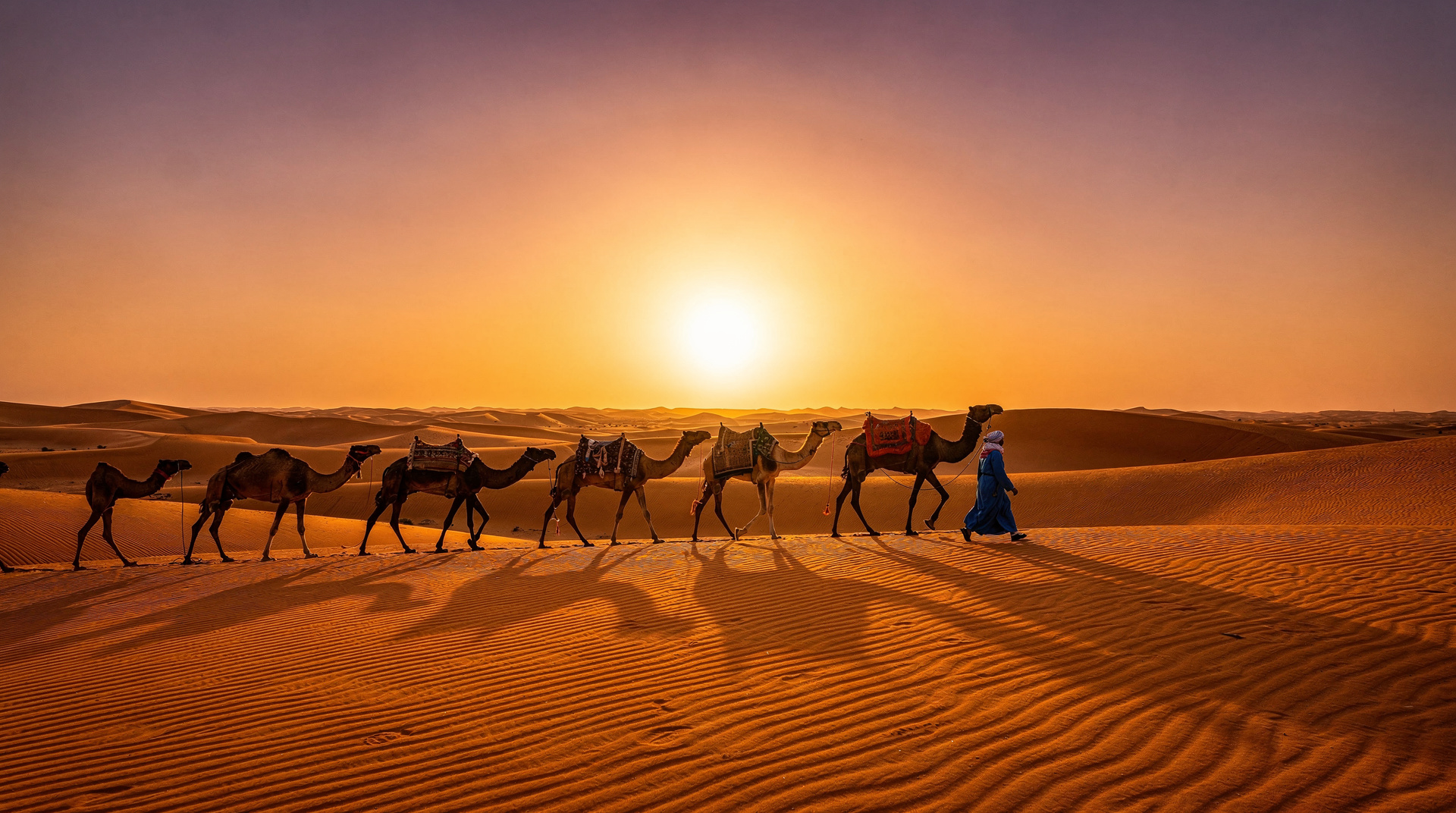
The Sahara surprises people at night, year-round. Even in summer, desert nights can drop 15-20°C below daytime highs. A June day at 45°C becomes a 25°C night — comfortable in a t-shirt, but not if you are sleeping in an open-sided tent.
In winter, Sahara nights at Merzouga drop to 3-7°C. Lightweight sleeping bag (comfort rating 5°C) or a sleeping bag liner plus the camp blankets provided makes the difference between miserable and comfortable.
Pack for Sahara overnight:
- Headlamp (essential for camp navigation at night).
- Buff/tube scarf: protects face from sand during dune walks and camel treks.
- Long trousers for evening (even in summer).
- Flip-flops for camp (sand in closed shoes is constant).
- Zip-lock bag for phone/wallet during camel ride — saddle vibration can eject things from pockets.
A guided overnight Sahara experience from Marrakech — 3-day Merzouga desert tour from Marrakech — covers all transport and camp accommodation, but you are responsible for your own cold-night gear.
Atlas Mountains trekking
If you are joining a multi-day Atlas trek or even a single Toubkal-area day hike, the gear requirements change significantly:
- Hiking boots with ankle support: Toubkal base camp involves scree and loose rock. Trail runners work for easier Atlas hikes, but boots are better for anything technical.
- Trekking poles: useful on descents, almost essential for winter ice-on-rock conditions.
- Down or synthetic insulated jacket: Jebel Toubkal summit is above 4 000 m. Even in July, wind chill at 4 167 m summit can be 0°C.
- Merino or moisture-wicking socks (no cotton): wet cotton socks cause blisters within hours.
- Snacks with high caloric density: Toubkal approach huts have basic food, but the climb itself requires sustained energy.
Atlantic coast (Essaouira, Agadir, Taghazout)
The coast is moderated year-round, but the Atlantic wind is a constant. In summer, Essaouira averages 21-24°C with persistent wind. In winter, it is 15-18°C with wind gusts making it feel colder.
Always bring: a windproof layer (a lightweight shell over a mid layer), lip balm, and sunscreen rated for reflected sea light.
Medina visiting — all regions
Covered footwear is practical in all medinas, all seasons. The constant starting and stopping, the uneven paving, and the required shoe-removal for mosque interiors make sandals without support frustrating. Keep one pair of closed, slip-on shoes (or easy-to-remove trainers) accessible.
Modest dress code: practical guidance
Morocco is a majority-Muslim country and dress customs matter for comfort and respect, not just optics.
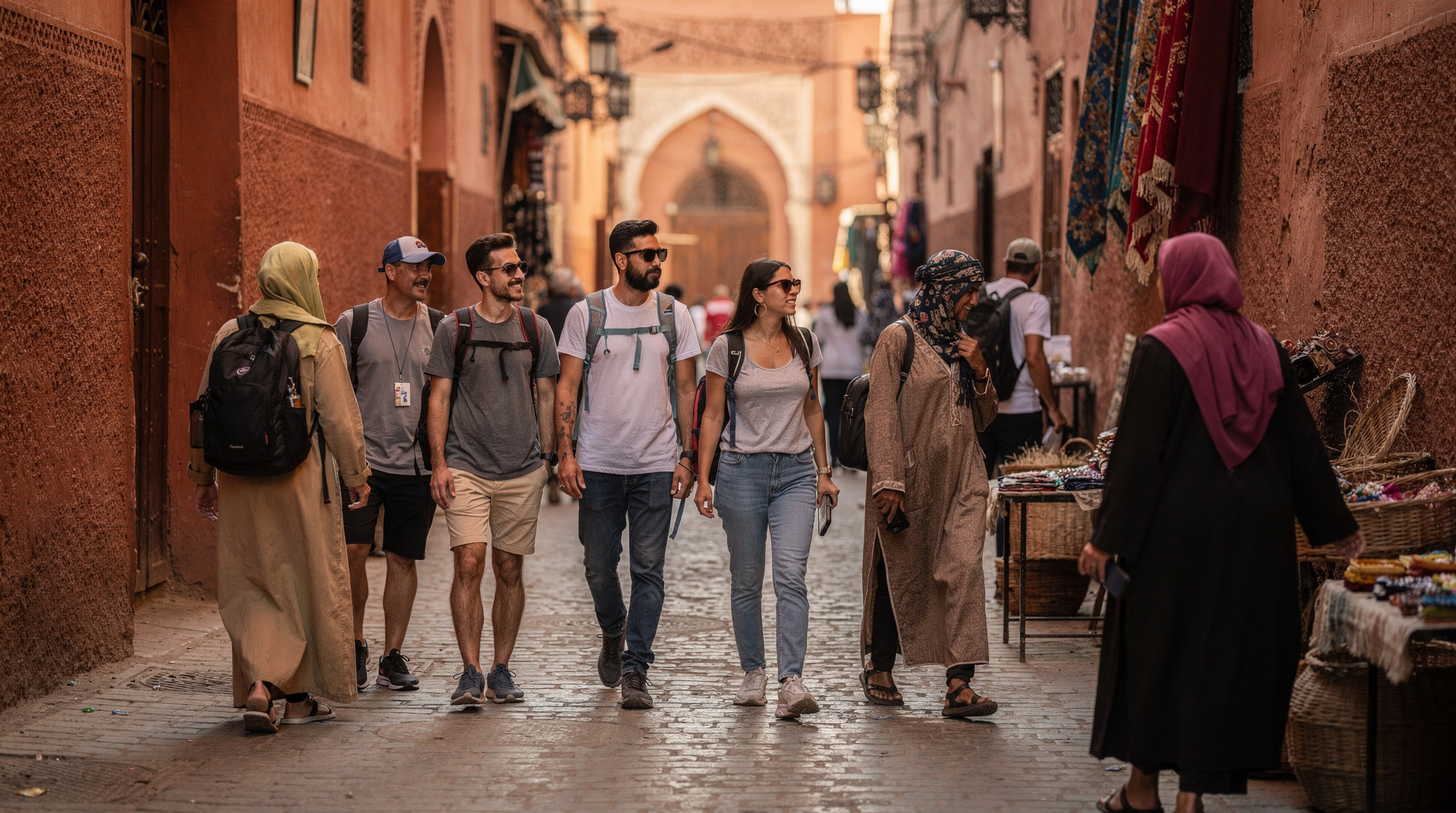
For women: shoulders and knees covered in medinas, rural areas, mosques, and markets. This does not mean heavy clothing — a loose linen long-sleeve shirt and lightweight cotton trousers is genuinely more comfortable than a tank top in the Sahara sun anyway. A light scarf worn loosely around the neck takes 30 seconds to become a head cover when entering a mosque.
For men: shorts are increasingly accepted in tourist-heavy areas (Marrakech Jemaa el-Fna, Agadir beach, Essaouira waterfront), but long trousers are still expected for medina visits in Fes, mosque entries, and rural areas. A thin pair of travel trousers weighs nothing.
Swimwear: appropriate at hotel pools and designated beach areas. Modest swimwear (women: full-piece or bikini with cover-up; men: board shorts rather than European swimming trunks) draws fewer stares in more conservative beach areas.
Read the full what to wear in Morocco guide for city-specific dress norms and how to navigate the judgment calls.
A traditional hammam is one of the most culturally distinct experiences in Morocco — traditional hammam in Marrakech — where you wear a specific wrap provided by the hammam. Knowing what the experience involves eliminates the packing question.
Morocco-specific items not to skip
Type C/E/F electrical adapter: the UK three-pin does not fit Moroccan sockets. The US two-pin does not fit either. Buy a European-style adapter before you travel — airport versions cost 3-4x the price of a decent online purchase.
UV400 sunglasses: the combination of high altitude, white medina walls, and reflective sand means UV exposure in Morocco is genuinely high, even in winter. UV400 rating is not a luxury purchase.
Hat with chin strap for desert: the wind on the Erg Chebbi dunes makes a chin strap essential. A hat without one will be carried off during a camel trek.
Merino wool as a system: merino manages temperature in both directions, resists odour (meaning fewer items needed), and compresses well. A merino base layer + merino mid-layer handles 80% of Morocco’s year-round temperature range if you add a windproof shell.
A modest cotton or linen layer bought locally: the souks of Marrakech, Fes, and Chefchaouen sell lightweight cotton djellabas and kaftans for 100-300 MAD (9-28 EUR). Buying one on arrival is cheaper than bringing something equivalent, supports local artisans, and solves the modest dress question immediately.
What to buy in Morocco vs what to bring from home
Buy locally: argan oil products (cheaper at source), scarves and cotton wraps (80-200 MAD), leather babouches (100-250 MAD), hammam kessa gloves (20-40 MAD), mineral water at any hanout (5-8 MAD per 1.5L), basic toiletries at Carrefour or Marjane at normal prices.
Bring from home: large-format SPF50+ sunscreen (local stock is small and expensive), DEET insect repellent (supply unreliable), quality wool hiking socks, a power adapter, and all prescription medication in adequate quantity.
Carry-on vs checked luggage strategy
For a 10-day Morocco trip, a 40L backpack or cabin-size roller (55 x 40 x 20 cm) is enough if you pack the right items. Morocco’s domestic transfers — shared taxi, train, Supratours bus — mean hauling your bag in and out of vehicles repeatedly. Smaller is an advantage.
The 40L in 10 days breakdown: 5 tops (merino or linen), 2 trousers, 4 pairs socks, 3 underwear (merino extends to 2-3 wears each), shoes on feet + 1 pair in bag, 1 jacket or fleece, toiletries in 100ml bottles, tech pouch with adapter and cables.
Adding Atlas trekking gear or Sahara sleeping kit pushes most people to checked luggage. City-only or city + Sahara trips fit cabin luggage comfortably.
Dressing for medina walking tours
The Marrakech guided medina history and culture tour runs 3-4 hours of walking — closed non-slip shoes, no sandals, and a temperature layer matching the season. The same applies to Fes medina, which adds the complexity of steep alleyways near the tanneries.
Frequently asked questions about Morocco Packing List
Winter coat or fleece in Morocco?
For city-only travel (Marrakech, Fes, Casablanca) in December-February: a fleece and a wind-resistant outer layer are enough. You do not need a heavy winter coat. For Atlas day trips or overnight Sahara in winter: add an insulated jacket (down or synthetic, 150-200g fill). A heavy wool overcoat is fashionable but too warm for walking and too cold for Atlas.
Can I wear sandals in the Sahara?
Not for dune trekking — fine sand gets inside sandals and the abrasion is unpleasant. Closed shoes for walks, flip-flops around camp. For camel treks, the camel is the transport; you are not walking far. After sunset at the dune camp, closed shoes on cooled sand are perfectly comfortable.
Do women need to wear a hijab in Morocco?
No. No country-wide legal requirement exists. What applies is practical courtesy: covering hair when entering mosques (a light scarf suffices), and dressing modestly in rural areas and conservative medinas. In Marrakech, Casablanca, and beach towns, a headscarf is entirely optional outside religious sites. A scarf in the bag is always a good idea — useful for mosque entries, cold evenings, and dust in the desert.
Do I need a sleeping bag for a Sahara desert camp?
It depends on the camp and the season. Basic camps provide blankets, but they are often thin. In winter (November-February), a lightweight sleeping bag rated to 5°C or a sleeping bag liner used with the camp blankets is strongly recommended. In summer, the camp blankets are almost always sufficient unless you sleep cold. If you are booking a 3-day Sahara tour from Marrakech, confirm with the operator what bedding is provided before deciding.
Do I need proper hiking boots just for the medina?
No. Medina paving is uneven but not technical. Comfortable, grippy walking shoes or ankle-height trainers are ideal. Save hiking boots for Atlas trekking days. Wearing heavy trail boots in the medina makes narrow alleyways harder to navigate, attracts unwanted attention from “guides,” and exhausts your feet faster than cushioned walking shoes.
What power adapter type for Morocco?
Morocco uses Type C and Type E/F (European standard) sockets, 220V/50Hz. UK travellers need a Type G to Type C/F adapter. North American travellers need a Type A/B to Type C/F adapter plus a voltage converter if using anything non-110-240V dual-voltage. Most modern phones, cameras, and laptops are dual-voltage — check the label on the plug. Buy the adapter before flying; airport shops charge 15-25 EUR for a 3 EUR product.
Is a hat with a chin strap really necessary?
For any open desert environment (Merzouga, Zagora, Agafay), yes. The thermic wind that comes off the dunes in the morning is strong enough to strip a hat repeatedly. A chin strap or toggle cord costs nothing to add to a decent sun hat and saves a lot of frustration. In cities and at the coast, any hat works.
What should I pack differently for shoulder season (spring or autumn)?
Treat it as a hybrid, not a third full list. Pack the summer base layer plus one winter mid layer (fleece or packable down gilet) and a light rain shell. The Morocco spring vs autumn guide breaks down exactly when to lean toward each end of that spectrum by month and region.
Do I need different gear for Marrakech vs Fes in the same season?
Marginally. Fes sits slightly higher and its narrow medina alleyways stay shadowed and cooler than Marrakech’s, so winter cold and summer heat both feel slightly more intense there. Otherwise the same seasonal list works for both cities — see the Fes destination guide for specifics.
Practical note: all MAD prices in this guide reflect 2025-2026 medina market prices. Expect +20-30% variation depending on vendor and your negotiation skills.