Is Morocco Safe? An Honest Assessment for 2026
Is Morocco safe to visit?
Morocco is generally safe for tourists. Violent crime against visitors is rare. The main risks are opportunistic scams, persistent harassment in tourist medinas, and petty theft in crowds. Solo female travellers face a higher level of street harassment than in Western Europe but Morocco is manageable and widely visited by solo women with proper preparation.
The honest picture on Morocco safety
Morocco gets polarised reviews on safety. Some travellers have wonderful, hassle-free trips and wonder what the concern was about. Others feel persistently harassed in the medinas and come home with a negative impression. Both experiences are real.
The factors that affect your experience most: where you are (tourist medinas vs local neighbourhoods), how you respond to approach, and for women, whether you travel solo or with a companion.
This guide doesn’t minimise the friction that exists. It explains what you’re actually likely to encounter and how experienced travellers handle it.
At a glance
| Overall risk | Low — violent crime against tourists is rare |
| Main practical risk | Medina scams, touting, and petty theft, not violence |
| Solo female travel | Manageable with preparation; expect more street attention than in Western Europe, see the solo female travel guide |
| Emergency number | 19 (police/fire/ambulance) |
| Lower-friction regions | High Atlas villages, Chefchaouen, the Sahara desert camps |
| Higher-friction zones | Marrakech and Fes medina cores, and unlicensed taxis |
The overall risk level
Violent crime: Rare in tourist contexts. Morocco has very low rates of violent crime against foreign visitors compared to many other destinations. The 2011 Marrakech cafe bombing (Djemaa el-Fna) was a significant exception — subsequent security measures in tourist areas have been substantial and the country has not seen a comparable incident since.
Terrorism risk: The US, UK, and other governments maintain a general “exercise caution” advisory for Morocco (the same advisory applies to much of the world). The Moroccan security services are considered highly effective and the government has strong incentives to maintain tourist safety.
Petty crime: Real and common. Pickpocketing in crowds, bag snatching in busy medinas, and opportunistic theft. Standard urban precautions apply.
Scams: The primary practical risk for most tourists. Not violent, but financially damaging and experience-ruining if you fall for multiple in one trip. The scam landscape is well-documented.
The main scams and how they work
Understanding the mechanics removes most of the risk.
The “friendly guide” scam
Someone approaches in the medina, makes friendly conversation, offers to help you find something (your riad, a restaurant, a landmark), and then demands payment at the end. In some versions, they steer you into a specific carpet, argan oil, or leather shop where they receive commission.
How to avoid: Don’t follow anyone who volunteers guidance unless you’ve specifically asked and agreed on the arrangement beforehand. If you do accept help, agree on terms first. Saying “I don’t need any help, thank you” repeatedly and walking with purpose eliminates most of this.
The wrong-direction trick
In Fes medina particularly, someone tells you you’re going the wrong way to your destination and offers to correct you. You may be going perfectly the right way.
How to avoid: Pre-download your riad or hotel’s location on Google Maps (offline map). Navigate with the phone visible to you, not to strangers.
The free gift setup
A vendor or street person presses something into your hands (bracelet, flower, henna) and then demands payment. Once it’s on your wrist or in your hands, the social pressure intensifies.
How to avoid: Don’t take anything that’s handed to you without explicitly agreeing to purchase it. Decline politely and firmly — returning eye contact and just saying “la, shukran” (no, thank you) while walking works.
Djemaa el-Fna performers
The snake charmers, acrobats, and entertainers in Marrakech’s main square will demand money if you photograph them. Some will follow you aggressively if you don’t pay enough. This isn’t a scam per se — it’s their income source — but the pressure tactics can be unpleasant.
How to avoid: Don’t photograph anyone at Djemaa el-Fna unless you’re prepared to pay. 10-20 MAD is typical. Telephoto from a cafe terrace is how to get the photos without direct interaction.
Fake medersas and attractions
Someone tells you the attraction you’re looking for is closed today (for prayer, renovation, whatever) and offers to take you somewhere “better.” Usually not true.
How to avoid: Check opening hours beforehand and verify directly with your accommodation rather than taking advice from street-level contacts.
Safety in medinas
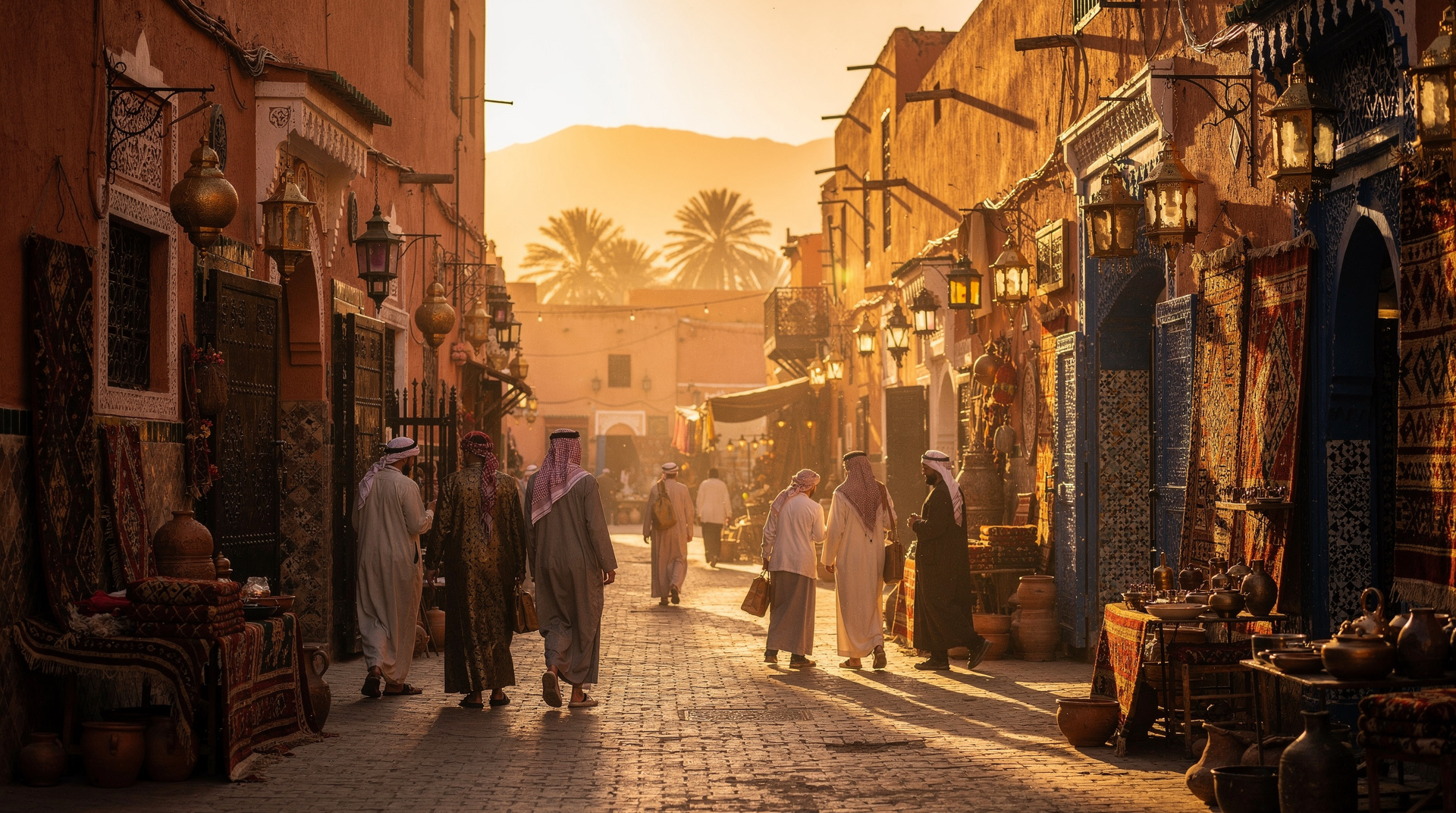
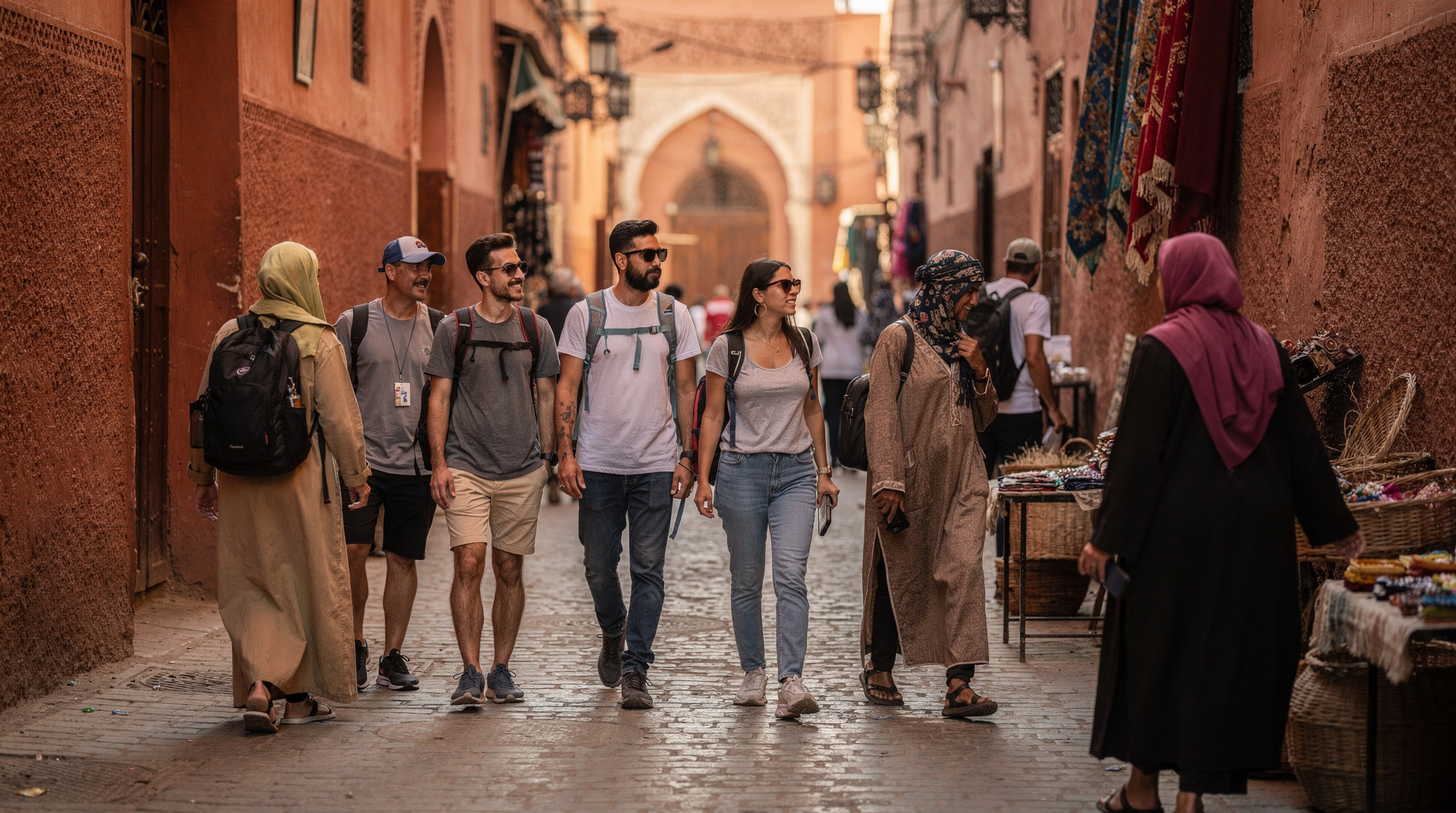
The historic medinas of Marrakech, Fes, Chefchaouen, and other cities are genuinely complex to navigate — designed to disorient, pre-dating GPS, and still maze-like in ways that apps don’t fully resolve.
General medina safety reality:
- You’re unlikely to face anything beyond persistent touting
- Keep your bag in front of you or use a crossbody with the clasp facing inward
- Don’t take out your phone or camera in crowded parts without being aware of your surroundings
- Stick to busier streets (paradoxically safer — quiet alleys in outer medina zones can feel genuinely isolated)
- Your riad should be able to give you a clear walking route to main landmarks
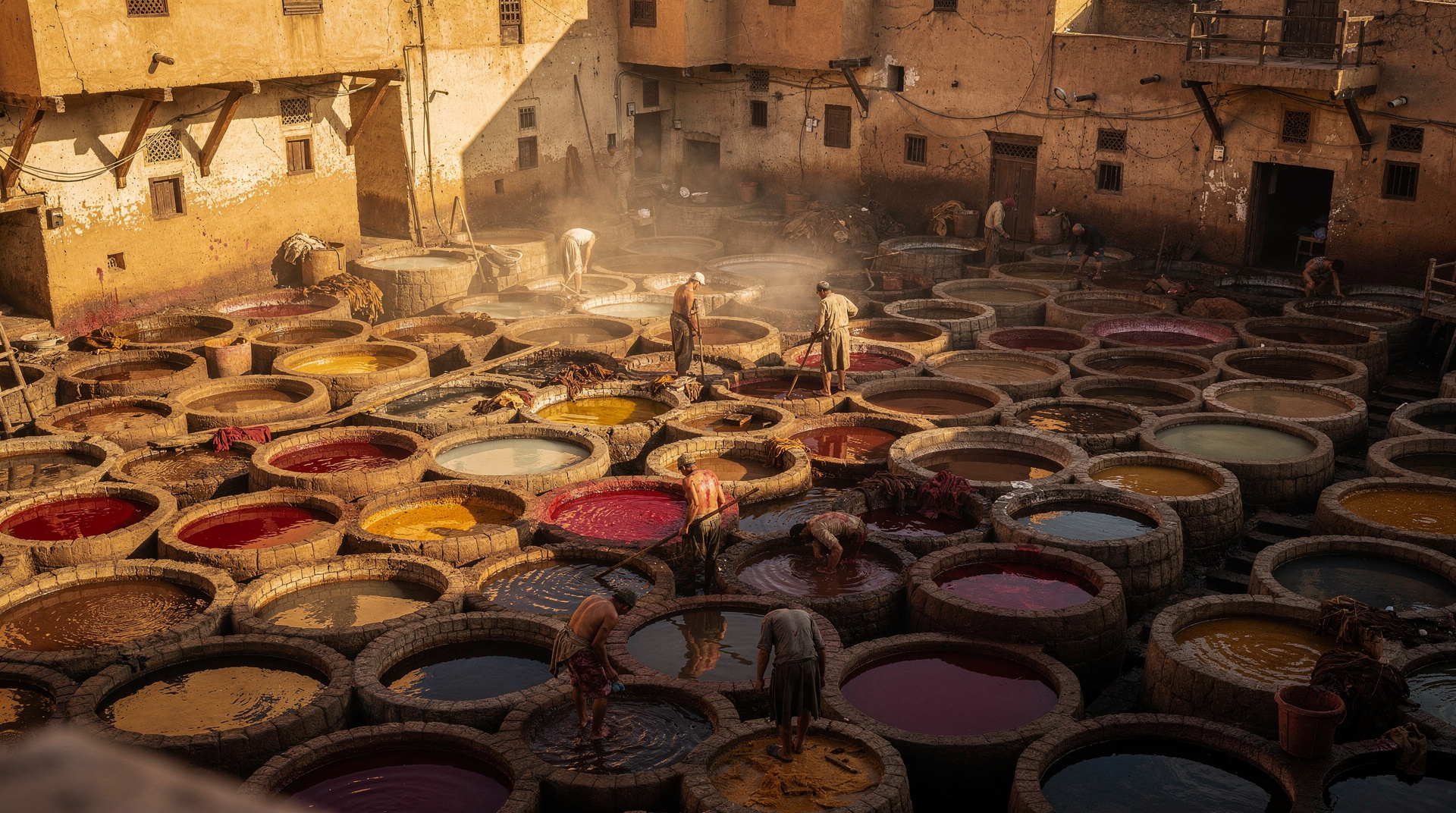
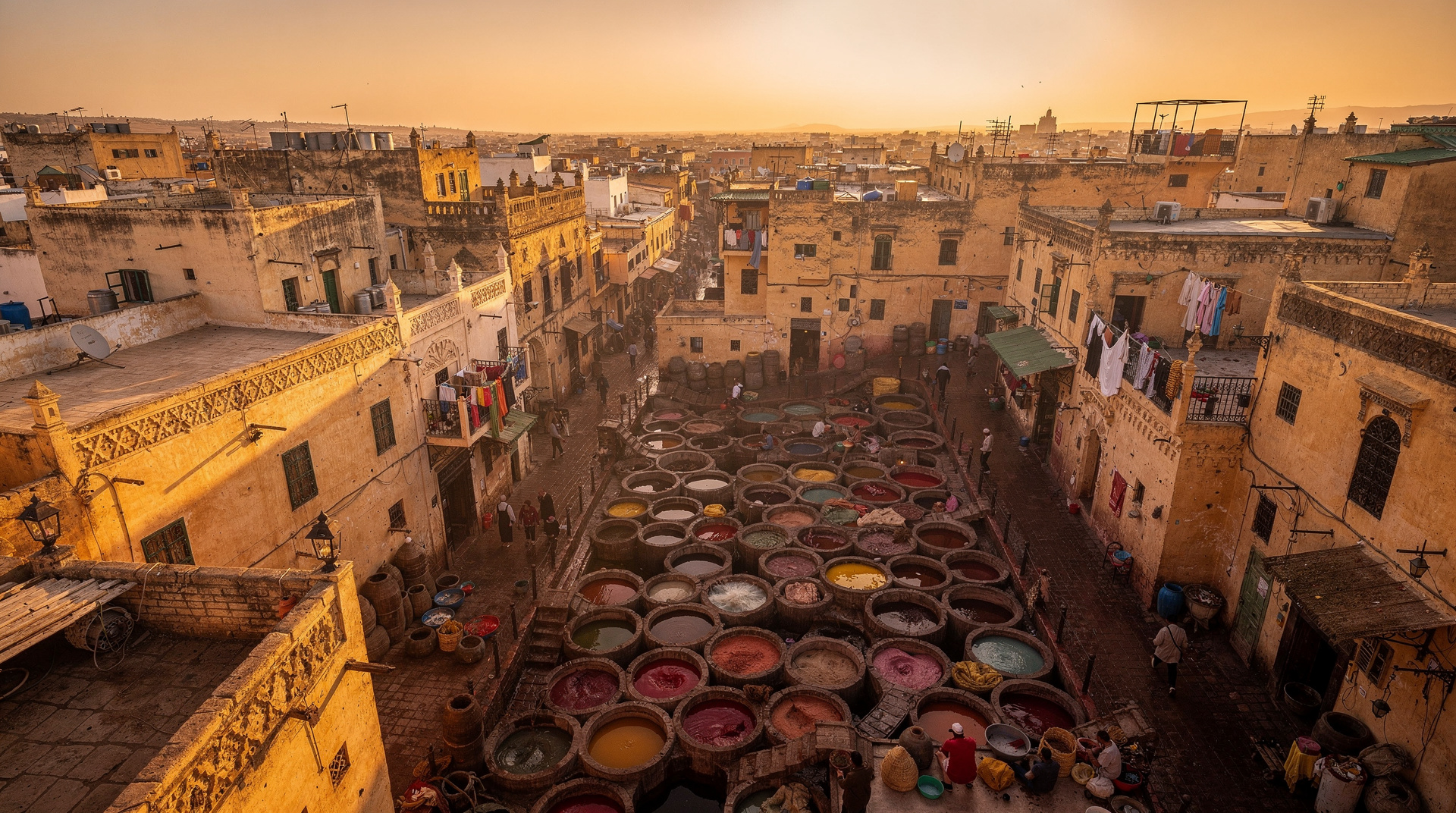
The Fes medina (Fes el-Bali) is the most consistently difficult to navigate and the most intense for unsolicited guide approaches. Budget for a licensed guide for your first day there — it’s genuinely useful and removes most of the friction. A full-day Fes cultural tour with a certified guide makes the medina navigable and interesting rather than stressful. If you would rather see the highlights with someone who knows the lanes, a guided medina tour that includes the Al-Attarine Madrasa and tannery is another option, and it also spares you the rooftop-terrace sales pressure at the tannery.
Solo female travel in Morocco
This section requires honesty that goes beyond “Morocco is safe for women.”
Street harassment: Solo women in Morocco, particularly in tourist medinas, face a higher level of unsolicited attention, comments, and following than in most Western European countries. This ranges from unwanted remarks to persistent following. It’s most pronounced in Marrakech, Fes, and Casablanca tourist zones. It’s much less intense in smaller cities, rural areas, and the High Atlas.
What helps:
- Dressing conservatively (not covering up completely — tourists don’t, and that’s accepted — but avoiding revealing clothing)
- Avoiding eye contact when not engaging
- Confidently saying “leave me alone” in English (this works), or “seer min hena” (go away) in Darija
- Walking with purpose — hesitation reads as invitation for approach
- Staying in busier areas and avoiding deserted alleys
- Booking accommodation in the medina but with reliable staff who can give orientation for first outings
The larger picture: Morocco is one of the most-visited countries in Africa for solo female travellers. Many women have excellent experiences. The friction is real but manageable with preparation. Your experience will likely be better in smaller cities, coastal towns, and mountain areas than in the main tourist medinas.
Practical solo female tip: Book at least the first two nights somewhere with an active, helpful front desk. The first orientation session from a local riad manager who knows the area eliminates most uncertainty.
Safety outside the tourist cities
Rural Morocco and the High Atlas: Generally very safe. Village hospitality culture is genuine and interactions are usually straightforwardly positive. The main physical risk in mountain areas is hiking-related — poor trail marking, altitude, and weather changes. Go with a qualified guide for Toubkal and serious Atlas routes. If you only want a taste of village life without organising anything yourself, a Berber village and Atlas Mountains day trip from Marrakech is a low-stress way to see the area.
The Sahara (Merzouga, Zagora): Very safe for tourists. The desert tour infrastructure is well-established and local communities depend on tourism income. The main risks are environmental (heat, sandstorms) rather than crime.
The south (Agadir and coast): Agadir is notably relaxed compared to Marrakech — beach tourism culture, less medina intensity.
The north (Chefchaouen, Tangier): Chefchaouen is very tourist-friendly and consistently safe. Tangier has historically had a rougher reputation but the city has gentrified significantly in the last decade. Standard urban precautions apply.
LGBTQ+ safety
Homosexuality is illegal in Morocco (Article 489 of the Penal Code, up to 3 years imprisonment). In practice, tourist prosecution is extremely rare and Moroccan society has a complex, not always hostile, private reality around same-sex relationships. That said:
- Public displays of affection between same-sex couples draw attention and potential confrontation
- Booking a double room as a same-sex couple at conservative traditional accommodation is occasionally questioned
- International-brand hotels and higher-end riads in major cities are generally discreet and professional
- Exercise discretion that you might not need to in Western Europe
Health safety
Water: Don’t drink tap water. Stick to bottled water — available everywhere cheaply (5-10 MAD/1.5L). Food: Traveller’s diarrhoea affects a significant minority of visitors, particularly in the first few days. The risks are higher at street food vendors with fast turnover than at proper restaurants. Wash hands frequently. Medication (loperamide, oral rehydration salts) is worth packing. Sun: Morocco’s UV levels are high year-round in the south. Serious sunburn is a real risk in the desert — 40+ SPF minimum.
Road safety
Morocco’s road fatality rate is notably high by Western standards. If you’re renting a car:
- Night driving on mountain roads is genuinely risky (poor road markings, unmarked hazards, livestock)
- Respect speed limits — enforcement cameras are common on national roads
- Driving in cities is chaotic; Casablanca is particularly intense
Public transport (ONCF trains, CTM buses) is generally safe and reliable. The getting around Morocco guide covers transport options in detail. For a full picture of what to expect on your first trip, the 25 rookie mistakes guide covers the practical safety scenarios. The Morocco trip planning guide includes pre-departure preparation that reduces on-the-ground friction. Safety and security are also affected by when you visit — the best time to visit guide addresses Ramadan and seasonal dynamics that affect daily safety rhythms.
Emergency contacts
- General emergency (police, fire, ambulance): 19 (Moroccan)
- Tourist police (Brigade Touristique): Available in major tourist cities; they exist specifically for tourist-related incidents
- Your country’s embassy: Register with your embassy if you’re planning a long stay
Frequently asked questions about Morocco safety
Is Marrakech medina safe at night?
Generally yes, though with reduced visibility and fewer people around, the standard cautions apply more firmly. The main square (Djemaa el-Fna) is busy and relatively safe until midnight. The surrounding souks close earlier and become quieter. Avoid isolated alleys after dark.
Should I be worried about terrorism in Morocco?
The risk exists in theory (as in many countries) but has not materialised in major tourist incidents since 2011. Morocco’s security services are considered highly competent and the government has strong investment in tourist security. Most foreign governments’ travel advisories for Morocco reflect global caution rather than specific known threats.
Is Morocco safe for solo female backpackers?
Manageable but requires more preparation and mental energy than similar trips in Europe. Many women backpack Morocco successfully every year. The street harassment reality is genuine and varies by location — read specific accounts from solo female travellers in the cities you plan to visit. Chefchaouen and the Atlas are notably more relaxed than Marrakech medina.
What should I do if a scam goes wrong?
In case of serious incident (theft, assault), go to the tourist police or any police station. For minor scams where you overpaid or were misdirected — accept the experience as a lesson and move on. Arguing aggressively with scammers in the medina can escalate situations; walking away is nearly always the better choice.
Is the Atlas Mountains region safe for trekking?
Yes, with appropriate preparation. Physical safety (trail conditions, altitude sickness, weather changes) is the main concern, not crime. Use a certified mountain guide for Toubkal (4,167m) and high-altitude routes. Day hiking from Imlil village is generally straightforward.
Are taxis safe in Morocco?
Licensed petit and grand taxis are safe. Use licensed taxis from official stands or have your hotel call one. Unofficial taxis operating outside the licensing system are less reliable and more likely to overcharge aggressively. Agree on the price or ensure the meter is running before departure.
Scam awareness by city
The character of tourist pressure varies between cities.
Marrakech: The most intense and professionalised scam environment in Morocco. The “friendly guide” approach is most refined here, and commission-based carpet and argan oil shop steering is a significant industry. The medina around the Djemaa el-Fna and the northern souk area is where most friction happens. Outside the tourist core — in the Mellah, the Riad Laarouss area, the Gueliz new city — the atmosphere is dramatically more relaxed.
Fes: Navigation-based friction (false directions, wrong-way claims) is the primary issue in the medina. The tannery area brings intense pressure to enter leather shops via their “free view” rooftop terraces — these are legitimate viewing spots but the expectation of purchase is strong. Licensed guides from the official guide association significantly reduce friction.
Chefchaouen: Noticeably lower pressure than Marrakech or Fes. Some hashish approaches in the medina (cannabis is grown in the nearby Rif) — a flat no and walking away is effective.
Essaouira: Relaxed by Moroccan standards. The Atlantic coast town has a mellow atmosphere and lower tourist-to-local pressure than the imperial cities.
Tangier: Significantly improved from its reputation of 20 years ago. The gentrified medina and new development around the port have reduced the intensity of the 1990s tourist-pressure environment. Still requires normal caution but not the exceptional alertness needed in peak Marrakech medina.
What to do if you’re in trouble
Police: Morocco has a dedicated tourist police (Brigade Touristique) in Marrakech, Fes, and other major tourist cities. They exist specifically to handle tourist-related incidents, speak more English/French than regular police, and are more responsive to tourist complaints. Ask at your accommodation where the nearest tourist police post is located.
Hospital: Private clinics (cliniques) in major cities are the preferred option for non-emergency care — faster, cleaner, and with English/French-speaking staff. Payment upfront is expected; travel insurance with a direct billing arrangement or a credit card for upfront payment is essential. The Polyclinique du Sud in Marrakech and the Clinique Al Amine in Fes are referenced by expatriates and tour operators as reliable options.
Embassy assistance: For serious incidents — robbery with violence, sexual assault, significant medical emergency — contact your embassy. They can provide a list of lawyers, help with hospitalisation logistics, and contact family on your behalf. Numbers are in the emergency contacts section above.
Extra caution around money and transport
Currency and cash safety: Morocco’s dirham is a closed currency — you can only obtain it inside the country, and exchanging money on the street rather than at a bank or licensed bureau is both unnecessary and a common source of short-changing scams. The Morocco currency and money guide covers ATM safety and exchange rates in detail.
Ride-hailing apps: Uber and similar apps operate inconsistently across Moroccan cities — reliable in Casablanca and Rabat, patchy or absent in Marrakech and Fes medina areas where licensed petit taxis are the safer default. Agree the fare or confirm the meter before the door closes.
Bargaining pressure: Aggressive bargaining in the souks can feel confrontational to first-time visitors, but it is a shopping norm, not a safety issue. The bargaining in Morocco guide explains the etiquette so it stops feeling like friction.
A few more common questions
Is it safe to use ATMs in Morocco?
Yes. Stick to ATMs attached to bank branches in daylight hours rather than standalone street machines late at night, and cover the keypad when entering your PIN — standard precautions rather than Morocco-specific ones. The currency and money guide has the full picture on fees and cash access.
Are hammams and public baths safe and appropriate for tourists?
Yes — traditional public hammams are safe, gender-separated, and a normal part of Moroccan daily life that tourists are welcome to join. Hotel and riad hammams offer a more guided, private version if the public bathhouse etiquette feels unfamiliar on a first visit.