Why Morocco should be your first North African trip
A country that rewards curiosity more than experience
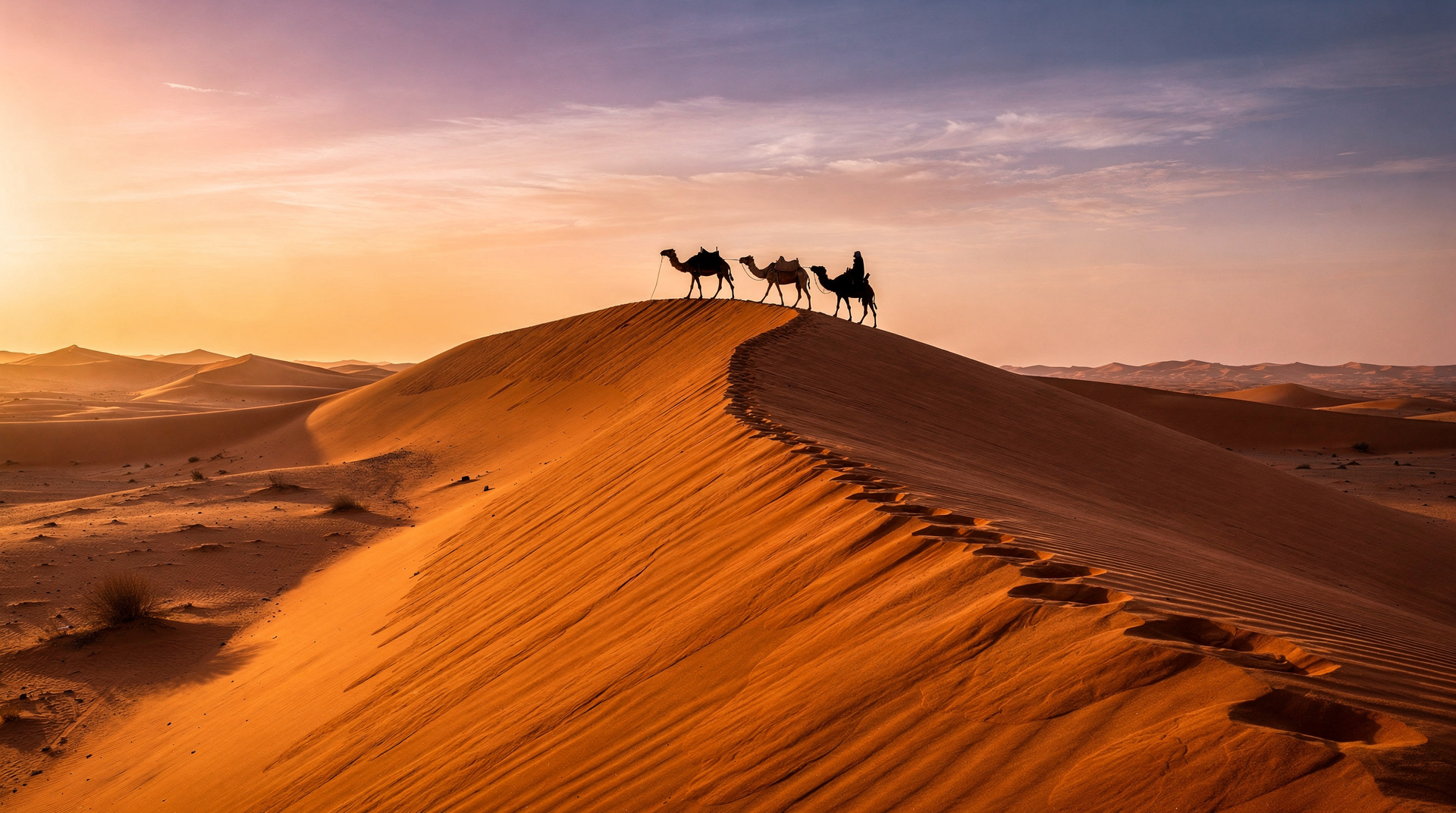
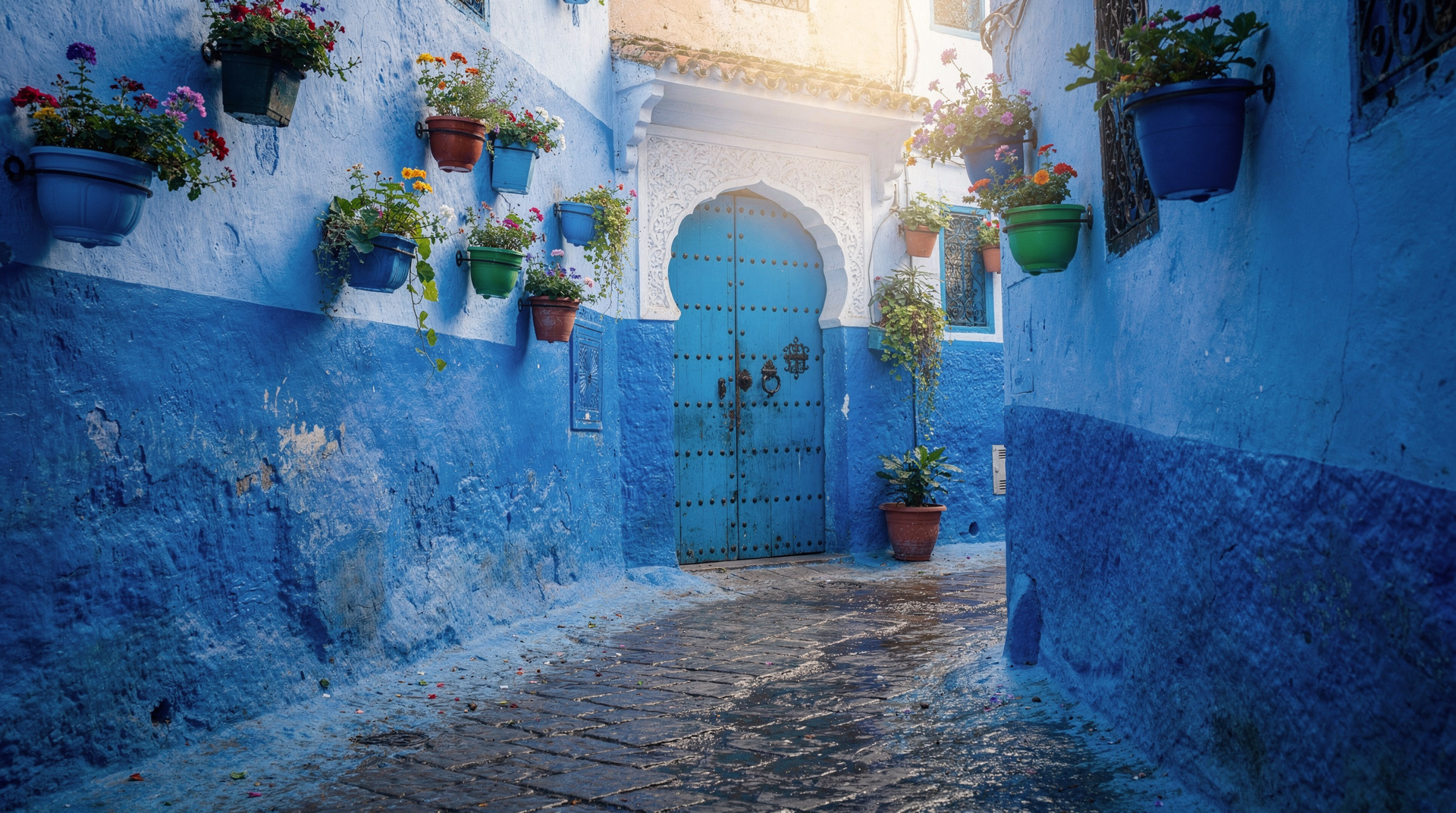
Morocco has a reputation. People come back with stories: the labyrinthine medina of Fes, a night in the Sahara under a sky so dense with stars it felt like static, the absurd generosity of a stranger pouring mint tea in a backstreet café. But the same people also come back saying, “It was easier than I expected.”
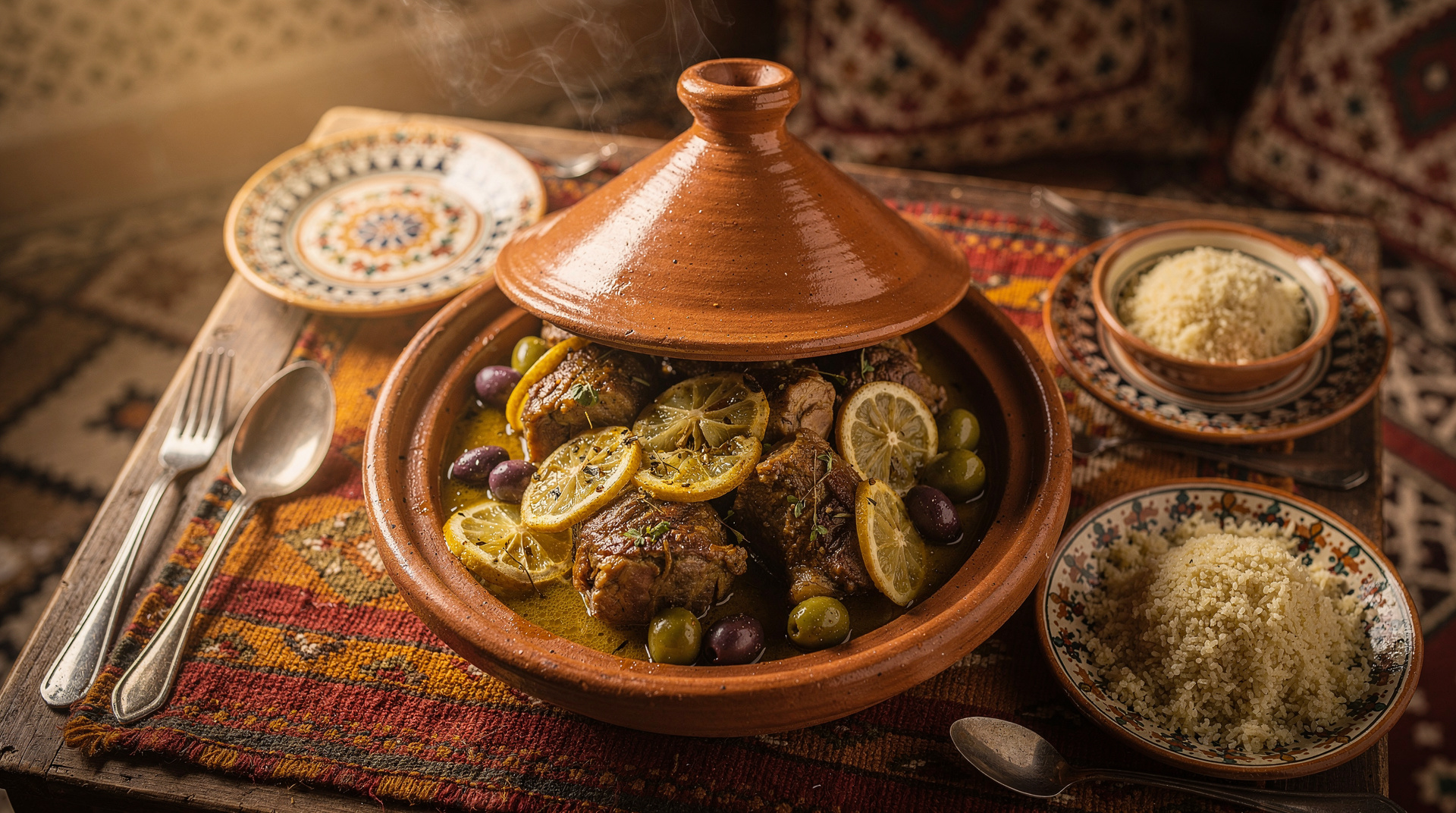
That is the Morocco paradox. Visually and culturally, the country feels exotic — unmistakably North African, with an Arab-Berber heritage, an Islamic rhythm punctuated by the call to prayer, a cuisine built around slow-cooked tagines and hand-rolled couscous. Yet practically, it is the easiest country in North Africa for a first-time visitor to navigate. You can land in Marrakech or Fes on a low-cost flight from Europe, pay with euros in some places, tap a credit card in most restaurants, and get around on trains and buses that run broadly on time.
For many travellers, Morocco is also the gateway to a deeper love of North Africa. Once you have spent a week crossing from medinas to mountains to the edge of the Sahara, places like Tunisia, Egypt, or even Mauritania feel less abstract and more accessible.
At a glance
| Where | Marrakech, Fes, or Tangier are the easiest first landings |
| Flight time from Europe | around 3-4 hours direct |
| Cost for a week | budget travellers can manage on roughly $40-60/day; a comfortable riad-and-driver trip runs higher |
| Getting around | trains between imperial cities, grand taxis or a private driver for the rest |
| Best time | spring (Mar-May) or autumn (Sep-Nov) for the most comfortable temperatures |
How Morocco compares to other North African first trips
Morocco is not the only option, but it is the one that removes the most friction for a first-timer. Egypt has the deeper ancient history but demands more logistics (Nile cruises, guided sites, a less flexible transport network). Tunisia is smaller and calmer but has fewer direct low-cost flights and a thinner tourism infrastructure outside the coast. Mauritania and Algeria are for travellers who already have North Africa experience, not a starting point.
| Country | Ease for first-timers | What it’s known for | Visa for most Western passports |
|---|---|---|---|
| Morocco | Easiest | Medinas, Sahara, Atlas mountains, imperial cities | Visa-free on arrival, 90 days |
| Tunisia | Moderate | Mediterranean coast, Carthage ruins, desert south | Visa-free for many, shorter typical stay |
| Egypt | More demanding | Pyramids, Nile, ancient temples | E-visa or visa on arrival, extra planning |
| Algeria / Mauritania | Advanced | Vast desert, minimal tourism infrastructure | Visa required, more paperwork |
If you want the version of North Africa that eases you in rather than throws you at the deep end, Morocco is the pick — and once you have it under your belt, the rest of the region becomes a much less intimidating proposition. Our Atlas vs Sahara comparison and solo female travel guide are good next reads if you are building out the rest of the trip.
The logistical reasons
Quick to reach
Morocco is three to four hours from most European capitals by direct flight. Low-cost carriers fly into Marrakech, Fes, Agadir, Tangier, and Casablanca almost daily. From the US East Coast, direct flights to Casablanca take around seven hours. From the US West Coast, it is a single connection through Europe. Few “exotic” destinations are this close.
Visa-free for most Western passports
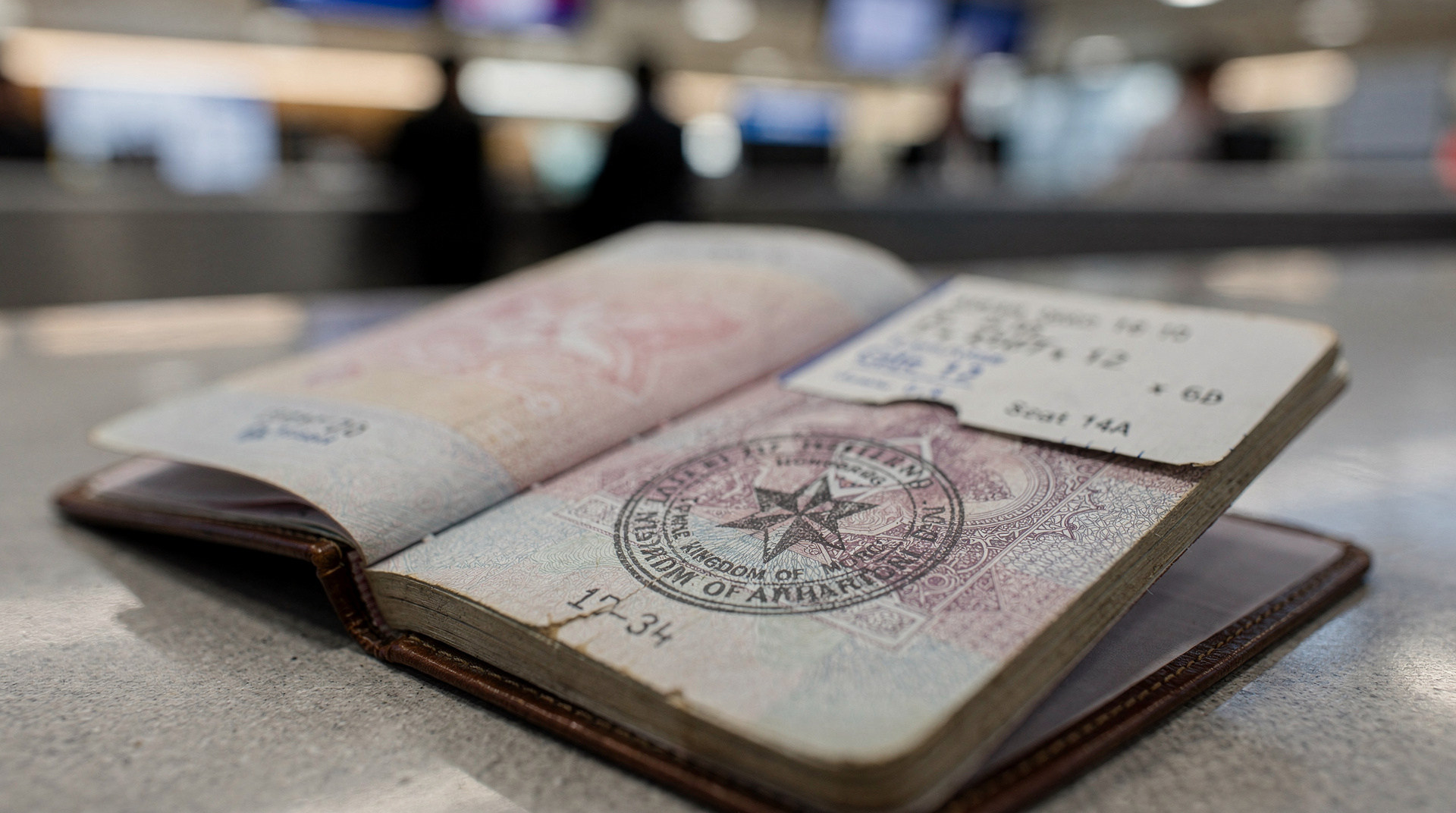
Citizens of the US, UK, EU, Canada, Australia, New Zealand, and many other countries get a 90-day visa stamp on arrival at no cost. This removes a significant friction compared to, say, visiting Egypt or several West African countries. Our visa and entry guide covers the details.
A real rail network
Morocco has the only high-speed train in Africa. Al Boraq links Tangier to Casablanca in 2 hours and 10 minutes, continuing south to Rabat and Marrakech. Combined with older ONCF intercity trains, you can move comfortably between all the major imperial cities without driving. See our getting around Morocco guide.
English works
In Marrakech, Fes, Chefchaouen, Essaouira, and Merzouga — the cities most visitors actually spend time in — English is widely spoken in the tourism ecosystem. French is the second lingua franca for anything involving administration, and a few Arabic or Darija phrases go a very long way, but you will rarely be stuck.
Money and connectivity are simple too
The dirham is a closed currency, so you exchange or withdraw once you land rather than sourcing cash in advance. ATMs are common in every city listed above, and cards work in most mid-range and upscale restaurants and hotels. Our currency and money guide covers exchange tips and typical daily budgets, and if you want data on arrival, the best eSIM options for Morocco guide saves the airport-kiosk scramble.
The emotional reasons
Sensory overload, in a good way
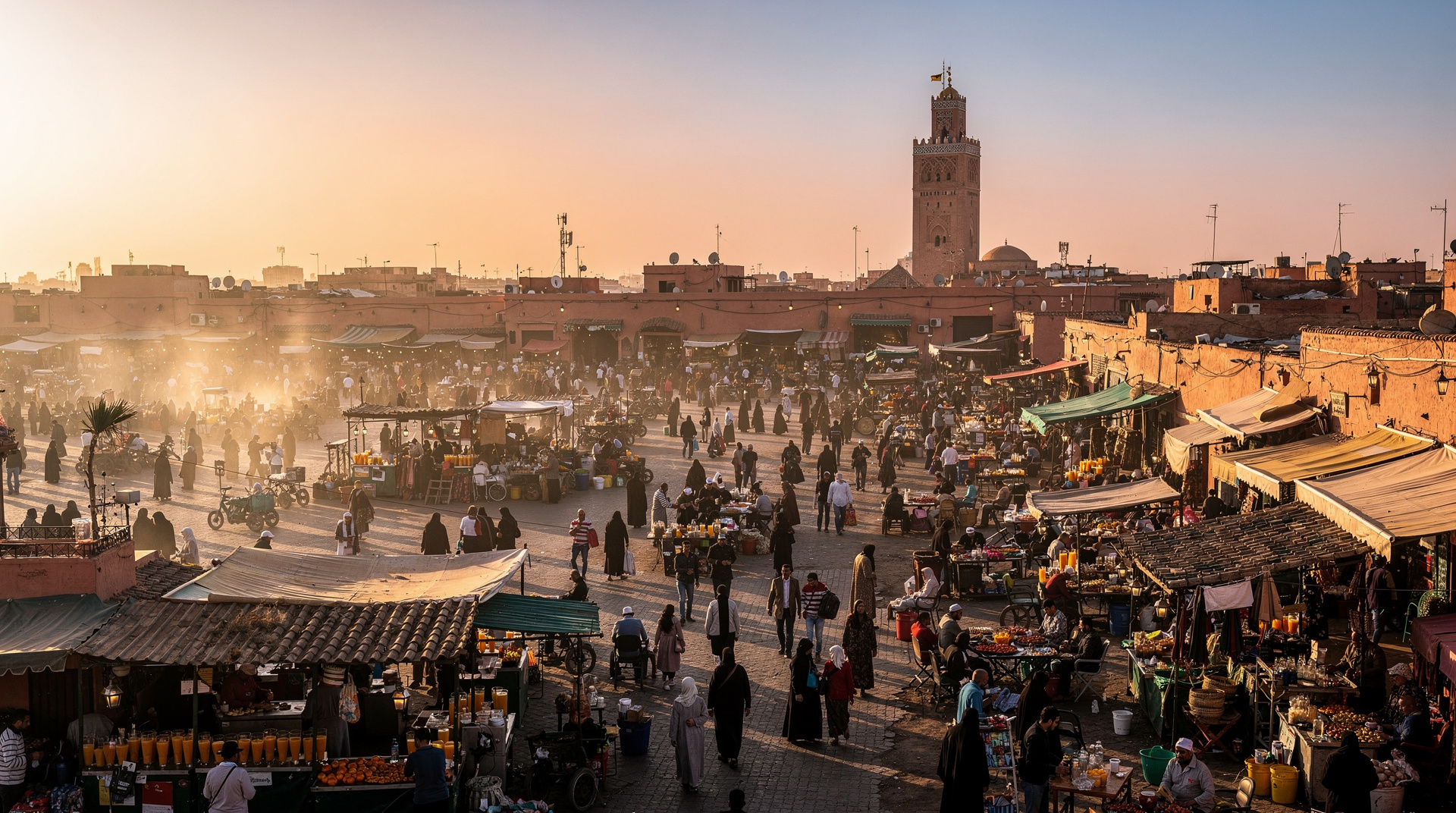
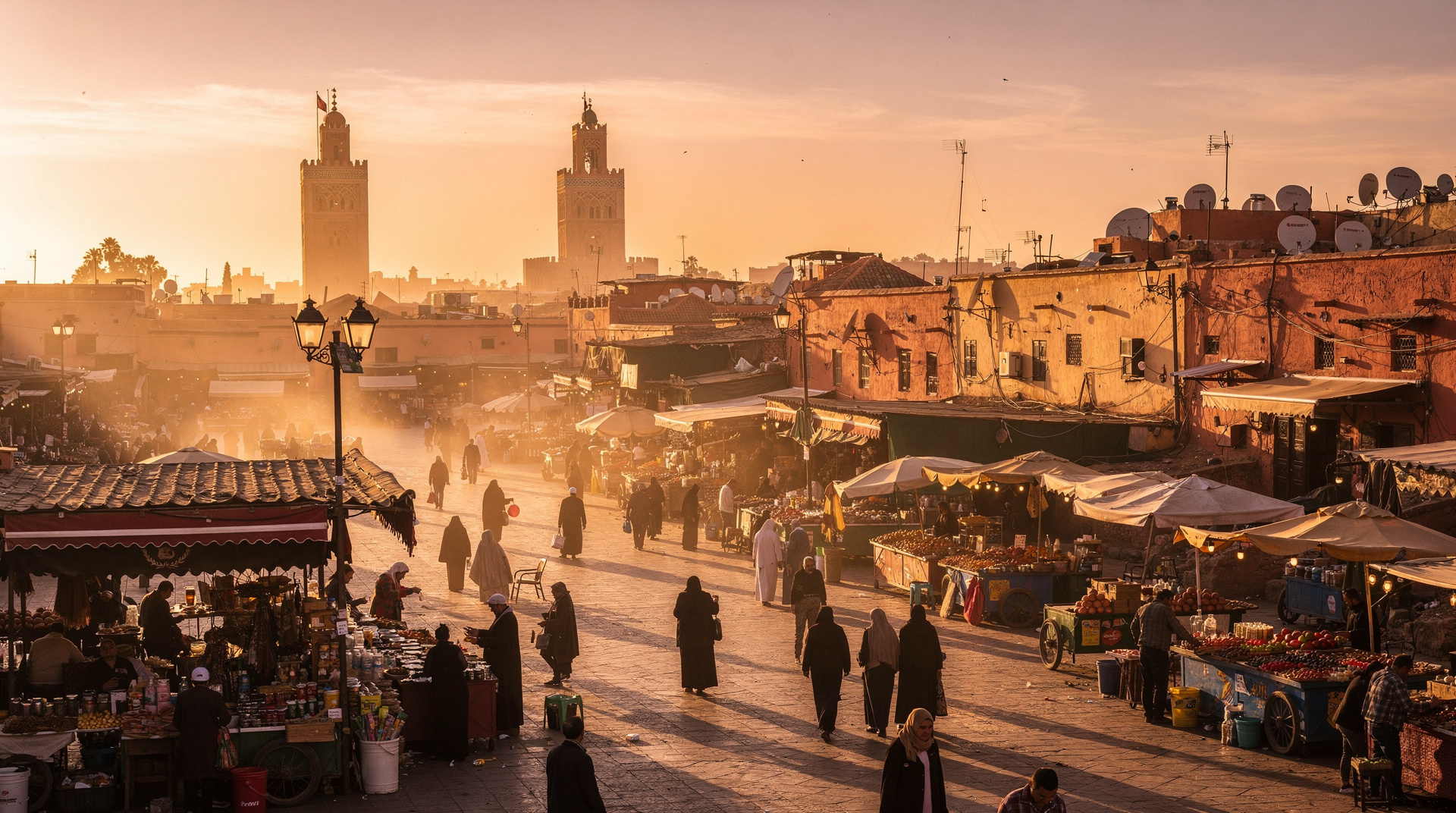
Nothing prepares you for your first walk into a Moroccan souk. The smell of cumin and saffron piled into pyramids, the percussion of brass workers hammering lanterns, shafts of light slicing through woven roof canopies, a hundred shades of leather dyed in open vats — it is a lot, and it is wonderful. For travellers used to sanitised Western tourism, Morocco’s street-level texture is immediately transporting.
Diverse landscapes in a small country
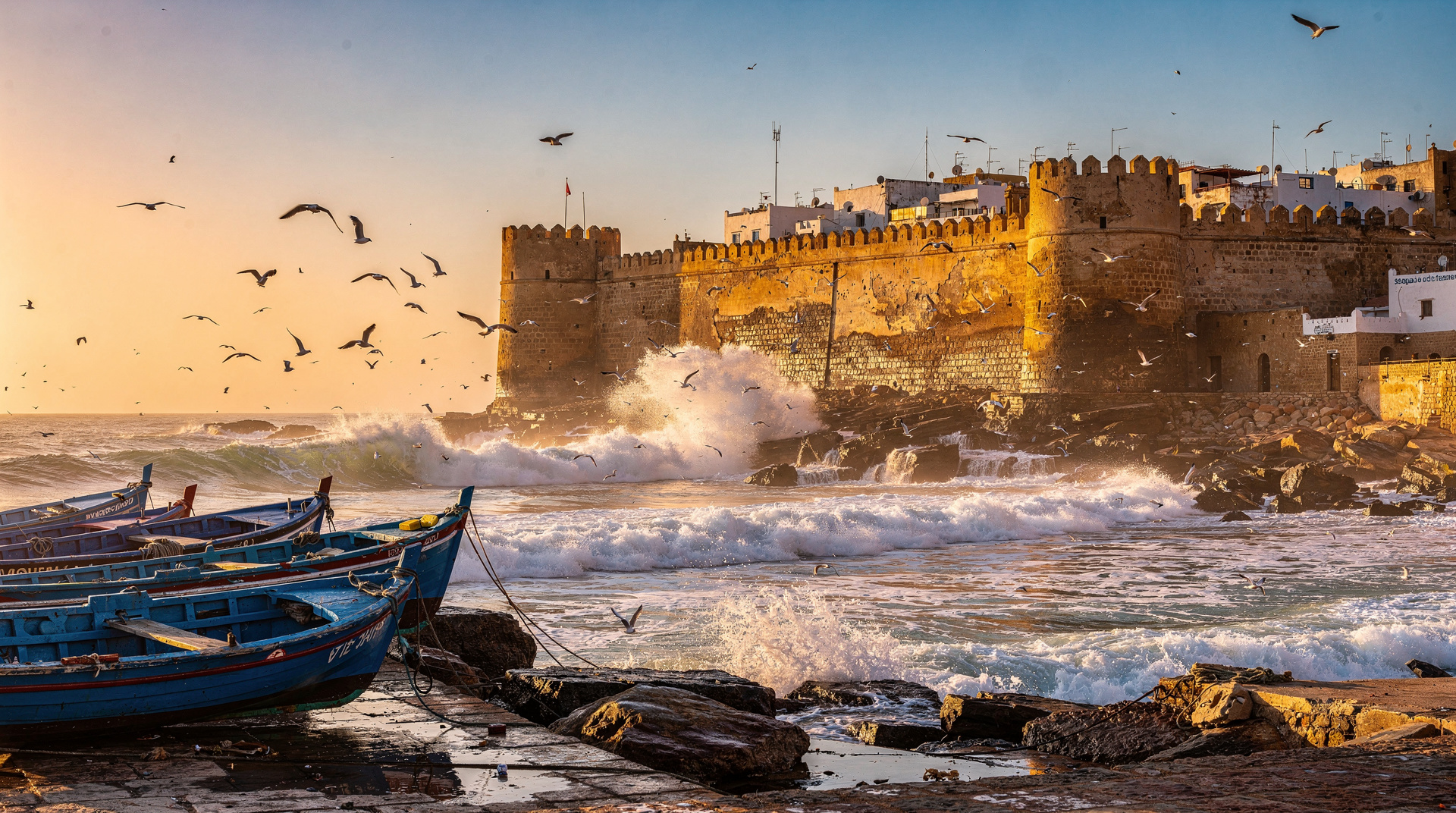
In one well-planned week you can see the medina of Marrakech, hike in the Atlas mountains, sleep in a Sahara desert camp, and wake up by the Atlantic in Essaouira. Few countries compress this much variety into a single trip. Our 7-day Morocco itinerary shows exactly how.
For a practical entry into that variety, the 3-day tour of imperial cities and the Atlas Mountains from Marrakech covers the cultural and natural highlights without requiring a full self-drive itinerary.
Meaningful hospitality
Moroccan hospitality is not a performance for tourists — it is an actual cultural norm, rooted in Islamic tradition. A shopkeeper offering you mint tea is not necessarily trying to sell you anything. Guests are honoured. A meal refused feels like a personal rejection. It takes a day or two to adjust, but once you do, the interactions become some of the most memorable parts of the trip.
The honest caveats
Morocco is not effortless. Scams exist in the tourist medinas. The drive from Marrakech to Merzouga is ten hours. Bargaining is mandatory in souks and exhausting if you hate it. Ramadan changes the rhythm of daily life dramatically. Women travelling solo receive more attention than they would at home — not usually threatening, but persistent.
None of this is a reason to stay away. It is a reason to plan. Our first-time visitors guide collects the 25 rookie mistakes to avoid, and our is Morocco safe article gives the honest safety breakdown with the nuance generic “is X safe” articles never bother with.
How to start
If this is your first North African trip, don’t try to see everything. Pick one or two anchors — Marrakech plus a desert trip is the classic — and let yourself slow down. The Marrakech guided medina history and culture tour is the right first-day move: two to three hours with someone who knows where to look, before you spend the next two days exploring on your own terms. Morocco does not reward rushing. The best moments tend to happen during the third mint tea with a shopkeeper, not on the fifteenth monument of the day.
When you are ready, our 3-day, 5-day, and 7-day itineraries give you concrete frameworks. Pick the one that matches your time, customise the rest, and book.
Frequently asked questions about Why Morocco should be your first North African trip
Is Morocco a good first trip if I have never been to Africa or the Middle East before? Yes — it is generally considered the most approachable entry point into North Africa for exactly that reason: visa-free access for most Western passports, widely spoken English in tourist areas, cards that work in most restaurants, and a rail network that removes the need to self-drive.
How many days do I need for a first Morocco trip? Around 7 days lets you combine an imperial city, the Atlas mountains, and a Sahara desert night without rushing. Our 3-day and 5-day itineraries work well if you have less time and want to focus on fewer regions.