5 Days in Morocco
Overview of this 5-day Morocco itinerary
Five days is the minimum to do the Sahara properly. You can just about fit Marrakech, the mountain pass, Aït Benhaddou, the Todra Gorge, Merzouga dunes, and a camel ride into five days — but only if you accept that two of those days will be long drives. That is the honest truth about this itinerary. Morocco is not small, and the road south from Marrakech to Merzouga is 550 km of mostly single-lane mountain road. It takes 10 hours.
This is still absolutely worth doing. The Tizi n’Tichka pass at 2260 metres, the kasbahs of the Draa Valley, the red Todra Gorge walls, and the Erg Chebbi dunes rising 150 metres out of flat hammada — these are experiences that justify the long haul. You will want to do this with a guided 3-day desert tour booked from Marrakech, which handles the driving, accommodation, and logistics. Going independently by rental car is possible but adds stress on a 5-day trip.
Route at a glance: Marrakech (2 nights) → Aït Benhaddou + Ouarzazate → Todra Gorge → Merzouga dunes (1 night) → Marrakech
Total estimated cost (per person, mid-range, flights excluded): €600–900
At a glance
| Where | Marrakech (2 nights) + Aït Benhaddou/Todra en route + Merzouga dunes (1 night) |
| Cost (pp, mid-range, flights excluded) | around €600–900, dominated by the 3-day desert tour |
| Time needed | 5 days minimum for a genuine Sahara loop |
| Getting there | fly into Menara Airport (RAK); the desert leg is best done via a guided 3-day tour, not self-drive |
| Driving time | around 10 hours each way, Marrakech to Merzouga (usually split with stops) |
| Best time | October–April; the desert is brutally hot in summer |
Day 1: Marrakech — medina immersion
Morning: arrival and orientation
Land at Menara Airport, take a petit taxi to your riad (€4–6), and drop your bags. If you arrive early, walk the medina without a plan. The Djemaa el-Fna square is 15 minutes from most northern medina riads. Orange juice at the square costs €0.50 and is genuinely very good.
Afternoon: palaces and souks
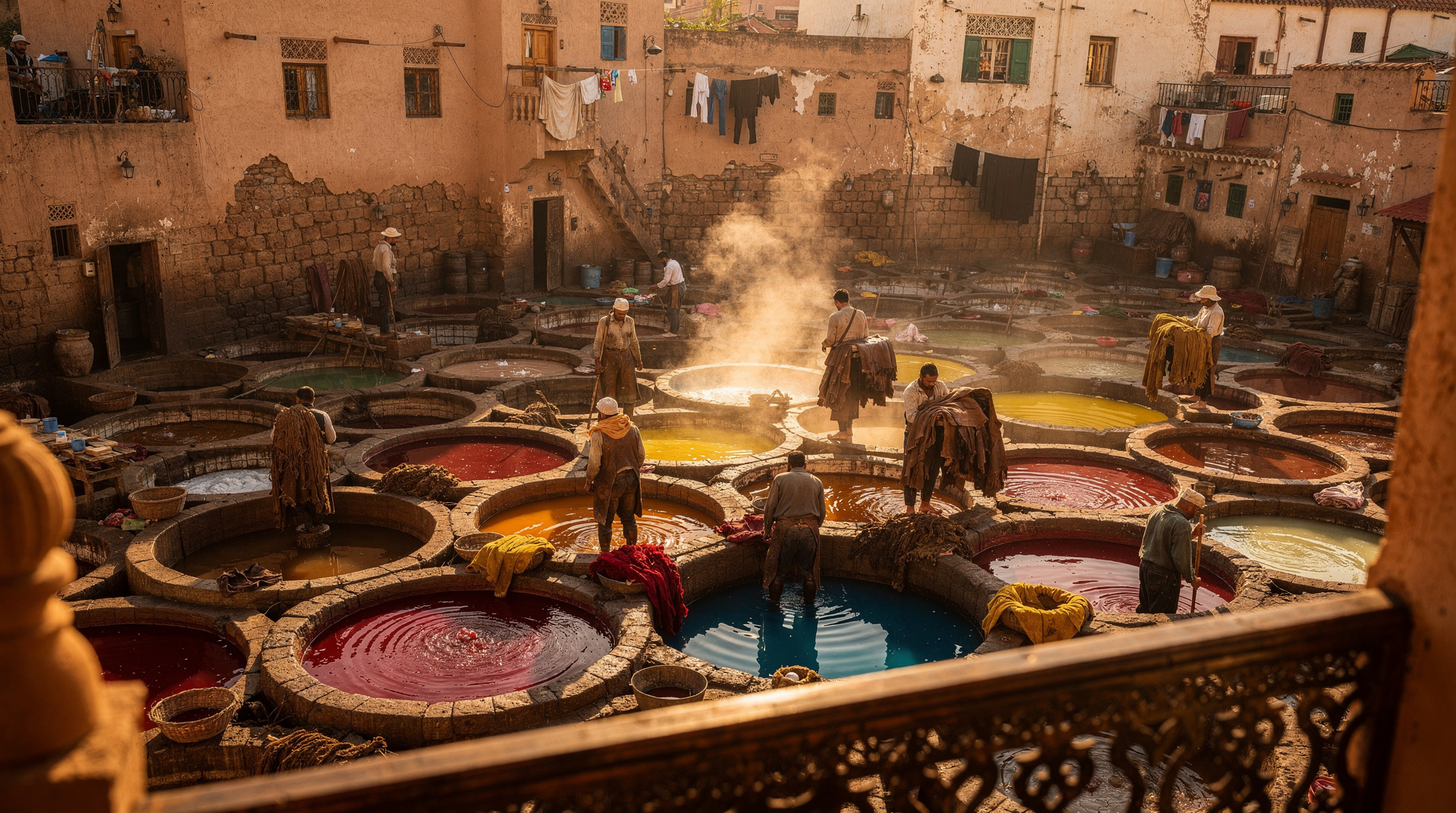
The Bahia Palace and Saadian Tombs are within 10 minutes of each other in the southern medina. Both are under €3 entry. Do not skip the Saadian Tombs — a 16th-century mausoleum that was bricked up for 200 years and only rediscovered in 1917 via aerial photography. After the palace circuit, walk north through the souks: the Souk Semmarine branches into leather (the smell of the Chorb ou Chouf tanneries hits before you see them), spice stalls (you will be handed something to smell approximately every 90 seconds), and endless lantern sellers.
For a deeper cut of the city history, book the private Marrakech medina and palaces tour — worth every cent on a short trip where you want context, not just photos.
Evening: Djemaa el-Fna after dark
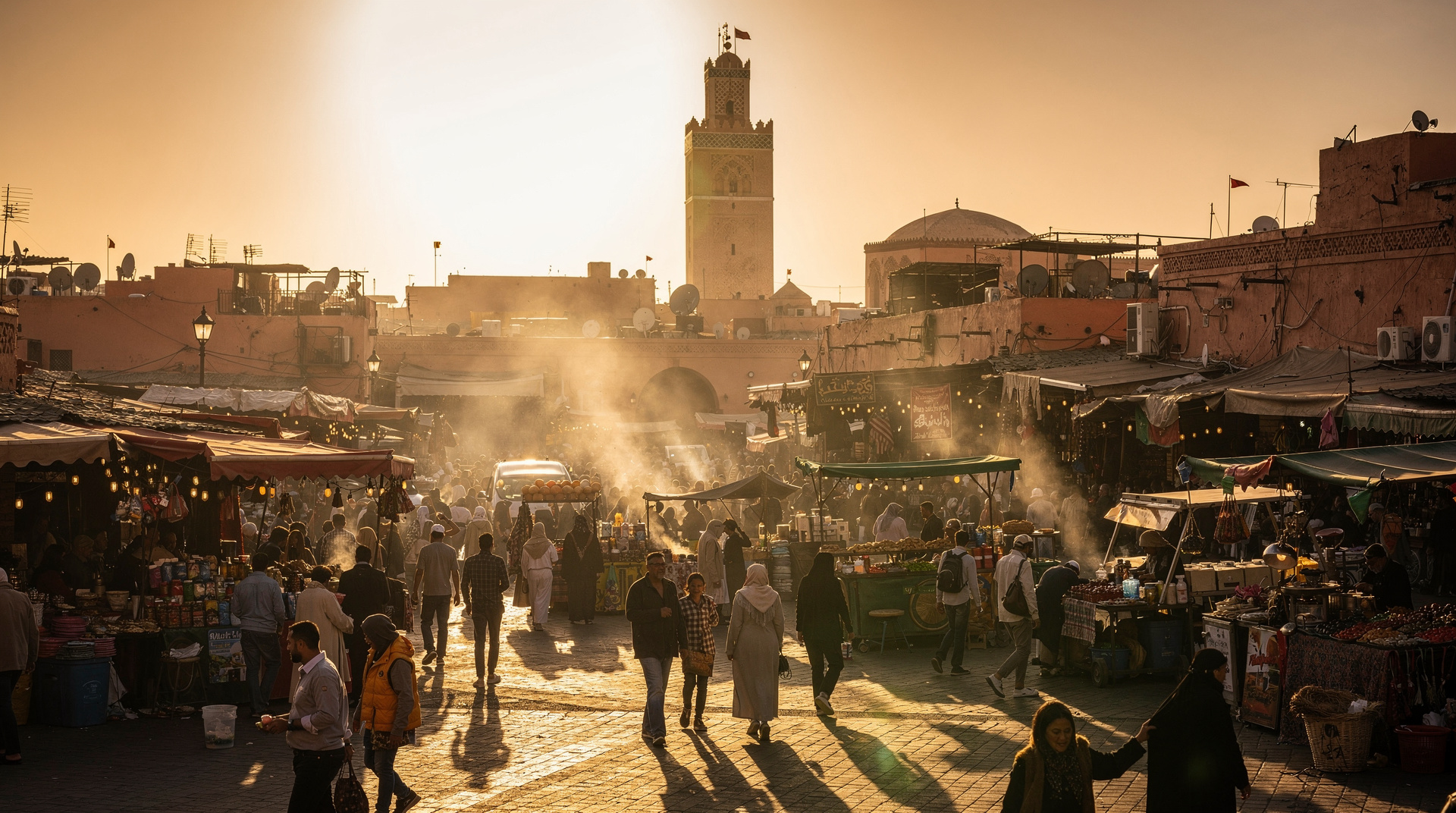
The square transforms at sunset. Stall holders light their grills, smoke fills the air, and musicians with guembri lutes settle into corners. Eat here (€6–10 for a full dinner) or at a riad restaurant for a quieter setting. Early night recommended — Day 2 is a 10-hour drive that leaves at 07:00.
Where to stay: Riad Yasmine or Riad Jardin Secret (mid: €80–130); La Sultana (boutique luxury: €280+)
Budget estimate today: €70–130
Book in advance: Riad; medina tour; confirm your 3-day desert tour pickup details
Day 2: The long drive south — Tizi n’Tichka, Aït Benhaddou, Ouarzazate
This is the big driving day — embrace it
Pickup from your riad: 07:00 or 07:30. Your tour vehicle heads south out of Marrakech immediately into the High Atlas foothills. The ascent to the Tizi n’Tichka pass (2260m) takes 2–3 hours. The road is well-maintained but winding — if you get carsick, sit in the front, take medication the night before, and keep water handy.
At the pass there are small argan oil cooperatives and fossil sellers. The fossils (trilobites, ammonites) from the Draa Valley area are genuinely ancient — the Anti-Atlas was an ocean floor 400 million years ago. The argan oil is real but so is the upselling pressure; budget €10–15 if you want some, and know that women’s cooperatives in the Essaouira region tend to give a fairer price.
Midday: Aït Benhaddou
The UNESCO-listed ksar of Aït Benhaddou is a fortified village of earthen towers that has been used as a film set for Gladiator, Game of Thrones, Lawrence of Arabia, and the Babel. It looks exactly as cinematic in person as on screen. Cross the river (stepping stones or a small ferry, depending on water level) and walk up through the ksar. Entry is €3; add a local guide from the village for €10 and you will hear stories about which tower was which HBO set.
Lunch in Aït Benhaddou: the restaurants along the river wall are tourist-priced (€8–15 per person) but have terraces with the ksar view. Worth it once.
Afternoon: Ouarzazate + onward to Tinghir
Ouarzazate (pronounced war-zuh-ZAT) is the gateway city to the south. Atlas Corporation Studios here has sets from Gladiator and The Mummy still standing. Entry is €6 if film history is your interest. Most 3-day tour programmes skip the studio to keep driving — that is also fine.
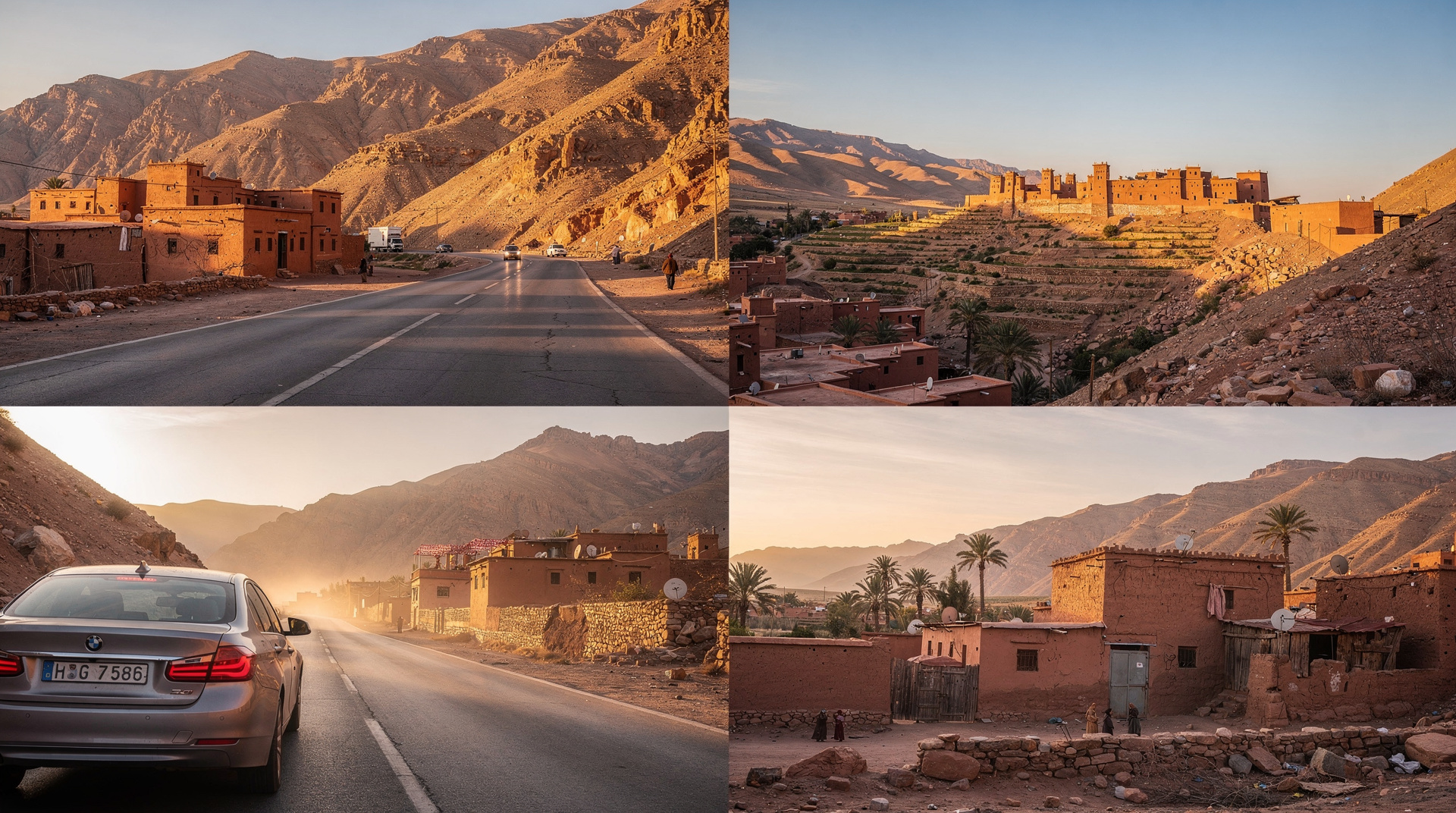
From Ouarzazate the road heads east through the Draa and Dades valleys. The drive from Ouarzazate to Tinghir (gateway to the Todra Gorge) takes 3–4 hours through increasingly arid but beautiful landscape: palm oasis ribbons, pink earthen kasbahs, and distant rock formations. Arrive in Tinghir or the Todra Gorge area for the night.
Where to stay: Guesthouse in the Todra Gorge area (budget: €30–50; mid: €60–90). The view from some guesthouse terraces directly onto the gorge walls is one of the best in Morocco.
Budget estimate today: Included in tour package (typically €180–280 for the full 3-day tour per person, covering transport, accommodation, and breakfast)
Book in advance: 3-day Sahara desert tour from Marrakech
Day 3: Todra Gorge + Merzouga dunes + camel ride
Morning: Todra Gorge
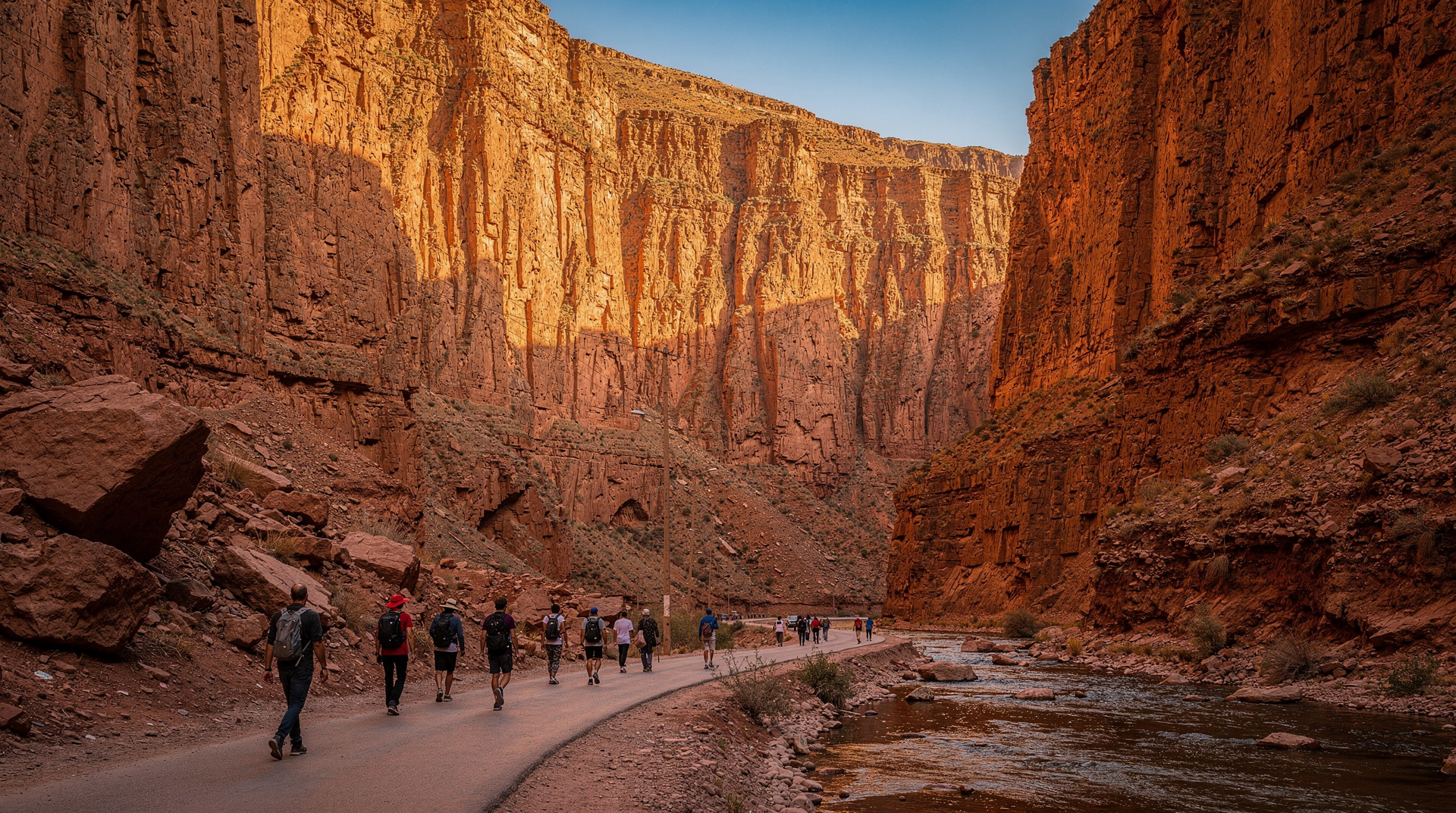
The Todra Gorge is a narrow canyon where the walls rise 300 metres on both sides and the gap narrows to 10 metres at the deepest point. A cold river runs through it year-round. It is short — the dramatic section is only about 600 metres — but it is one of those geological moments that feels genuinely improbable. Walk in. Walk back. Take photos that will not do it justice.
Rock climbers come here from across Europe for the limestone walls. If you want to try a short beginner climb, your tour guide can usually arrange a local instructor at the gorge for €20–30.
Afternoon: the drive to Merzouga
This is 4 hours through the Ziz Valley and Erfoud. The landscape flattens into the pre-Saharan hammada — flat black gravel plains stretching to the horizon, then out of nowhere, the Erg Chebbi sand sea. The first sight of the dunes from the road is genuinely disorienting in the best way: a wall of orange sand rising 150 metres out of flat rock.
Your camp or hotel is usually just outside Merzouga village, at the dune edge.
Book this 3-day Sahara desert trip from Marrakech — it covers the full route including Aït Benhaddou, Todra, Merzouga camp, and return.
Sunset camel ride
The camel ride into the dunes leaves at 17:00–17:30. It is 45–60 minutes to the camp inside the dunes. Camels are ungainly getting up and sitting down; grip the saddle horn. Wear closed shoes (sand gets into sandals immediately). The summit of the main dune at sunset: high wind, orange light, absolute silence below you once the other tourists drop out of sight.
Alternatively, book the Merzouga overnight camp with camel ride separately if you are self-driving.
Night in the desert camp
Dinner in the main tent: tagine, bread, mint tea, Berber music and drumming. Temperature drops sharply after 21:00. Sleeping in a tent on the dune is cooler and quieter than the main camp — ask if there is a tent option. The stars here are extraordinary. The Milky Way is visible most nights from October to April.
Where to stay: Sahara Luxury Camp (upscale, €150–200/night including dinner); Hotel Kasbah Mohayut (mid-budget option just outside the dunes, €40–70)
Budget estimate today: Included in tour package
Day 4: Sunrise on the dunes + return drive (split option)
Dawn: climb the dune
Wake-up call at 05:30. The trek to the dune crest takes 20–30 minutes of leg-burning sand climbing. At the top: the sun rises over Algeria, the shadow of the dune sweeps across the plain, and the temperature goes from cold to warm in about five minutes. This is the payoff for the 10-hour drive south.
Return drive — 10 hours
The return to Marrakech is the same distance but your tour usually takes a slightly different route — sometimes via the Dades Gorge rather than the Todra Gorge. Lunch stop is usually in Ouarzazate or Aït Benhaddou again. Arrival in Marrakech: 18:00–20:00 depending on stops.
This is a long day in a vehicle. Download podcasts or audiobooks. The last 2 hours over the Tizi n’Tichka pass in the dark can be slow in winter if there has been snow.
Where to stay: Back in Marrakech, same riad or a new one
Budget estimate today: Included in tour package + €20–40 for lunch and dinner independently
Day 5: Marrakech — Majorelle + last morning
Morning: Majorelle Garden
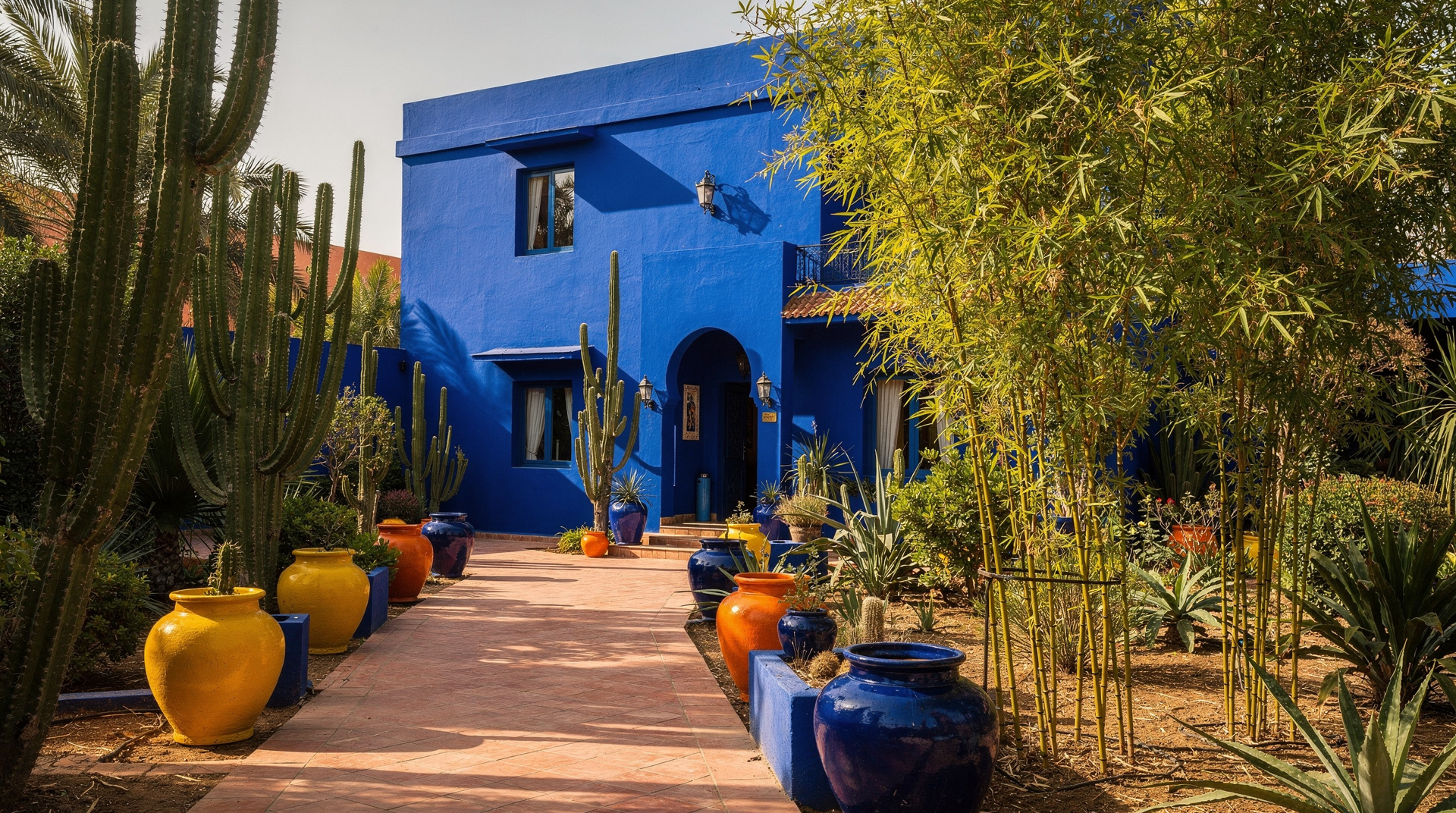
Use your final morning for what Day 1 did not have time for. The Majorelle Garden entry including the Berber Museum is best done before 10:00 when tour groups arrive. The cobalt blue against the green palms is instantly recognizable — Yves Saint Laurent kept it as his private retreat for decades.
Midday: last souk run and lunch
One final circuit through the souks. By now you have your bearings and your bargaining instincts are sharper. Lunch at a medina rooftop restaurant (Nomad or Zeitoun Cafe are reliable) before heading to the airport.
Afternoon: departure
Allow 2 hours before your flight for the taxi to the airport and check-in.
Where to stay: Same riad as before (or airport hotel if very early departure)
Budget estimate today: €60–100
Total trip cost estimate
| Item | Budget (pp) | Mid-range (pp) |
|---|---|---|
| Accommodation (2 nights Marrakech riad) | €80 | €200 |
| 3-day Sahara tour (transport + camp + breakfast) | €180 | €280 |
| Food and drink (5 days, excl. tour meals) | €80 | €160 |
| Entry fees (palaces, gardens) | €30 | €50 |
| Local transport | €20 | €30 |
| Total (flights excluded) | €390 | €720 |
What to skip if you only have 4 days
Drop Day 5 in Marrakech and move your return flight to the evening of Day 4. You miss Majorelle but gain a less rushed final morning in the desert. Alternatively, drop Aït Benhaddou on the drive south and go straight to Todra — you save 2 hours of driving but miss the most photogenic stop on the route.
Route map description
Starting at Marrakech airport, the route heads south on the N9 over the Tizi n’Tichka pass at 2260m. It descends into Ouarzazate, turns east through the Draa and Dades valleys, passes Tinghir and the Todra Gorge, then continues east through Erfoud and Rissani to Merzouga. The return retraces most of the same route. Total round-trip driving: approximately 1100 km.
Logistics tips
Driving vs. guided tour: For a 5-day trip, a guided 3-day Sahara tour departing and returning to Marrakech is almost always better value than self-driving. You save on rental car insurance, fuel, and the stress of navigating rural southern Morocco on mountain roads after dark. If you want flexibility, rent a car only for days 1–2 in Marrakech and join a tour for the desert leg.
The drive is genuinely long: Marrakech to Merzouga is 10 hours with stops. If you are prone to motion sickness, eat light before departure, sit in the front, and take dimenhydrinate (Dramamine) the night before. Keep water in the vehicle at all times — the south is very dry and very warm.
Money in the south: ATMs exist in Ouarzazate and Erfoud. There are no ATMs in Merzouga village. Bring cash in Moroccan dirhams (MAD) for the desert camp. A reasonable amount to carry is 2000–3000 MAD (approximately €180–280) for the 3-day southern leg, covering tips, any purchases, and extras not included in the tour.
Choosing a tour operator: The Marrakech-Merzouga-Marrakech 3-day tour is one of the most competitive tourism products in Morocco. Dozens of operators offer it. Prices range from €60 (shared minivan, basic camp) to €500+ (private vehicle, luxury tent). The sweet spot is €150–250 per person for a small-group shared tour with a proper camp and camel ride included. Read recent reviews on TripAdvisor or GetYourGuide before booking, and check specifically whether the accommodation is inside the dunes or just near them — a camp 200 metres from the dune edge is meaningfully worse than one inside.
What to wear in the desert: The desert temperature swing is extreme — potentially 30°C in the afternoon and 8°C after midnight. Pack: a light but genuine warm layer (a down gilet works well), closed shoes (sandals fill with sand immediately and stay that way), sunscreen rated SPF 50+ (the Sahara sun at altitude is intense), a headscarf or buff to cover your nose and mouth if it is windy (wind-driven sand stings), and a phone battery pack because charging in camp is unreliable.
The sandboarding option: If you do not want to ride a camel, every camp around Merzouga can rent you a sandboard (essentially a snowboard or disc) for €5–8. Climbing the dune on foot and descending on a board is a physically demanding and genuinely fun alternative. It is also how you see the dune from a different angle — from the inside, climbing, rather than sitting atop a moving camel.
Photography in the desert: Sunset and sunrise are the obvious moments. The Milky Way from 22:00 to 02:00 on a moonless night requires a smartphone with a night mode or a camera with manual settings (ISO 3200–6400, 20–30 second exposure, f/2.8 if possible). The sand itself photographs well in the first and last 30 minutes of light when the shadows are long and the colour is warm. Midday photographs of sand dunes are generally flat and disappointing.
Extending this to 7 days
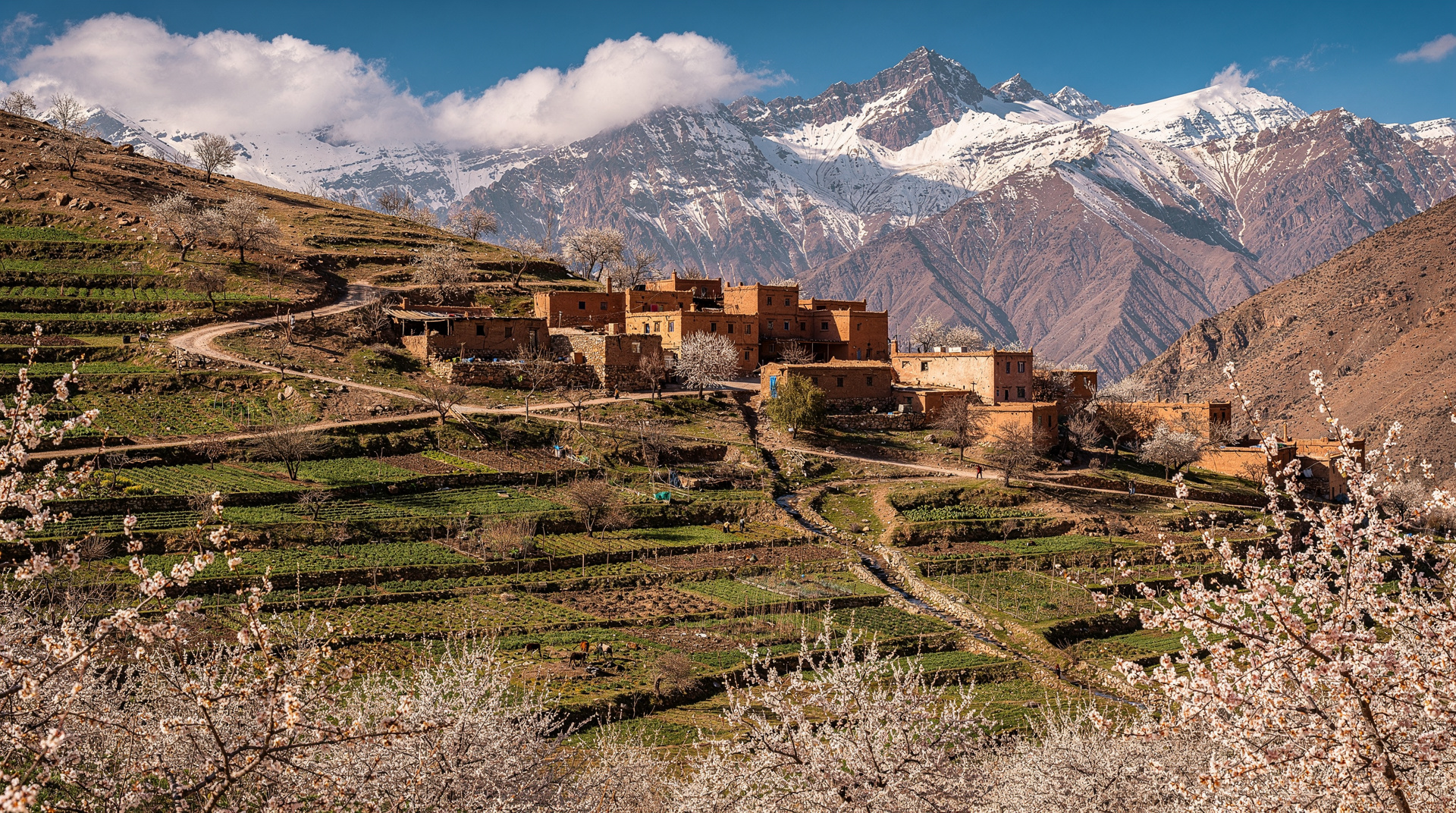
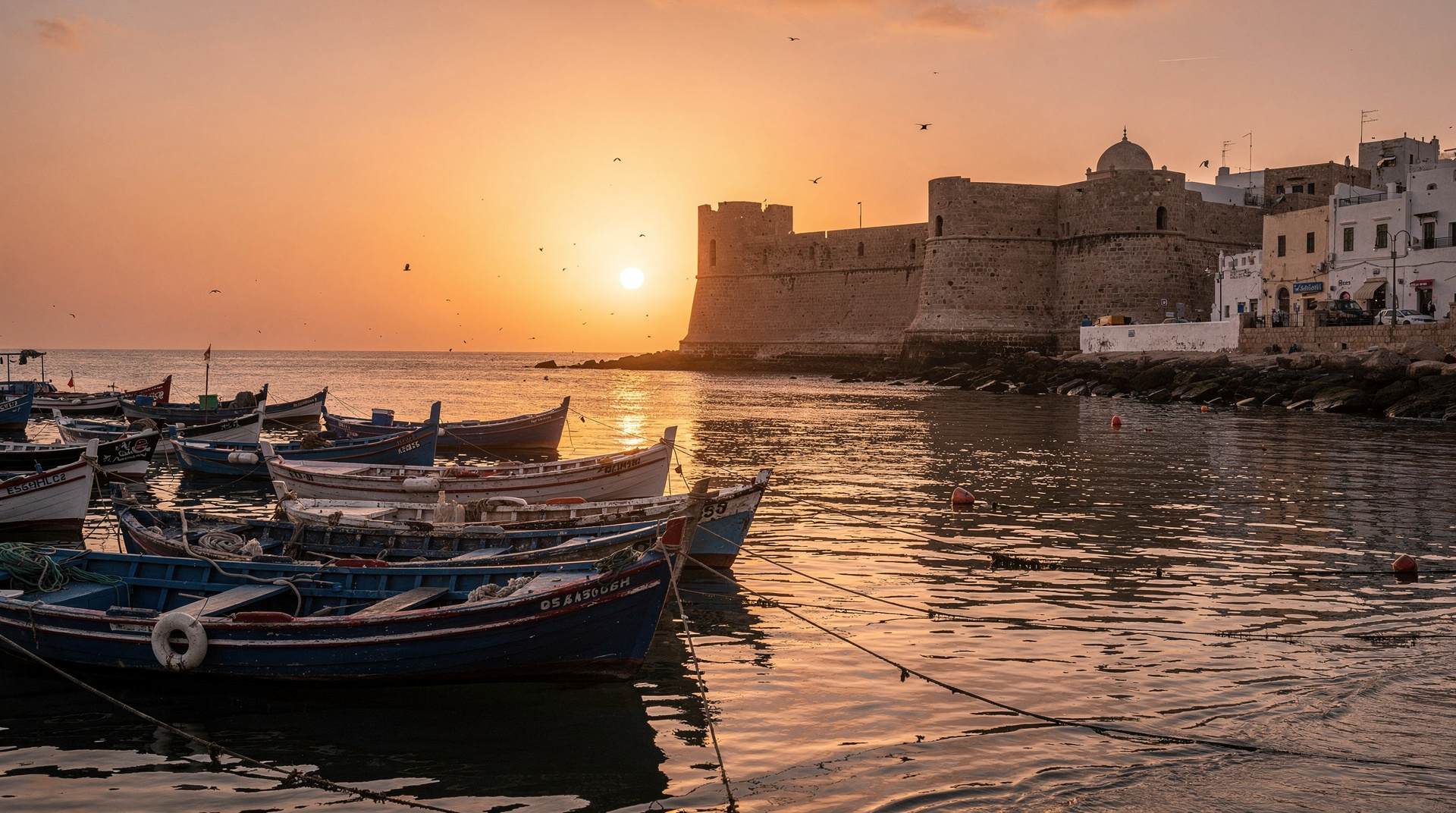
If you can add two more days, the obvious additions are: an Essaouira overnight on the Atlantic coast (2h30 west of Marrakech by grand taxi) and a Berber village day trip into the High Atlas. Our 7-day Morocco itinerary covers this exact extension, adding Essaouira and the Atlas foothills to the core Sahara loop.
Alternatively, if the south is your primary interest and you want more desert time rather than more cities, a second night in Merzouga transforms the experience — you have an entire day in the dunes rather than arriving for sunset and leaving after sunrise. This is the strongest recommendation for anyone for whom the desert is the specific reason they came to Morocco.
For more detail on the desert region, read our Merzouga destination guide. For detail on the drive south, our Tizi n’Tichka pass guide covers the mountain crossing in depth. If you have a full week, the 7-day Morocco itinerary adds Essaouira and the Atlas for a much more complete experience.
Is 5 days the right length for the Sahara, or too rushed?
Five days is the honest minimum for a real Sahara experience, not a comfortable one. Two of the five days are largely spent driving, which means the dune time itself is compressed into one sunset, one night, and one sunrise. That is enough to justify the trip — the dune summit at sunset and sunrise are genuinely worth 20 hours of driving — but if the desert is the entire reason you are visiting Morocco rather than one stop on a wider trip, consider a second night in Merzouga, which the 7-day itinerary makes room for.
Anyone tempted to squeeze this loop into 3 or 4 days should read that as a warning sign: the driving does not compress, and a rushed version means arriving in Merzouga after dark and leaving before you have properly seen the dunes.
5 days vs. 3 days vs. 7 days: what changes
| Itinerary | Reaches the Sahara? | Pace |
|---|---|---|
| 3 days | No — Agafay desert only, 40 minutes from Marrakech | Relaxed |
| 5 days (this one) | Yes — one night in Merzouga, two long driving days | Tight but complete |
| 7 days | Yes — plus Essaouira and Atlas foothills | Comfortable |
Frequently asked questions about 5 Days in Morocco
Is the Marrakech to Merzouga drive worth it for just one night in the desert? Yes, for most first-time visitors — the Tizi n’Tichka pass, Aït Benhaddou, and the Todra Gorge are worthwhile stops in their own right, not just transit, and one night in the dunes with a sunset and sunrise is enough to justify the trip. If you would rather spend more time in the desert itself and less driving relative to dune time, the 7-day itinerary is the better fit.
Can I do the Sahara in 5 days without a guided tour? It is possible with a rental car but not recommended on a first trip — the southern roads are safe but the distances and mountain driving are demanding, and a guided 3-day tour from Marrakech typically costs about the same once rental, fuel, and insurance are counted, without any of the navigation stress.