Is Marrakech overrated? An honest opinion after five visits
A question I get asked every week
People who have never been ask it hopefully, as if they want permission to skip it. People who have been ask it ruefully, as if they are looking for someone to validate their disappointment. After five separate visits to Marrakech — spread across a decade, in different seasons, with different companions — I have a complicated answer.
Short version: Marrakech is neither as magical as the Instagram posts suggest nor as exhausting as the worst TripAdvisor one-stars make it sound. It is a real city with a real medina, a genuinely disorienting beauty, a tourism industry that has grown faster than its infrastructure, and a handful of experiences that remain absolutely worth the chaos.
Let me break it down properly.
At a glance
| Minimum stay | 3 nights (4 is better) |
| Best time | March-May or September-November |
| Where to stay | Medina riad for atmosphere, Guéliz/Hivernage for quiet |
| Getting there | RAK airport, around 6km from the city centre |
| Who it suits | Travellers comfortable with friction who want craft, food, and architecture |
Where the hype is genuinely earned
Jemaa el-Fnaa at dusk
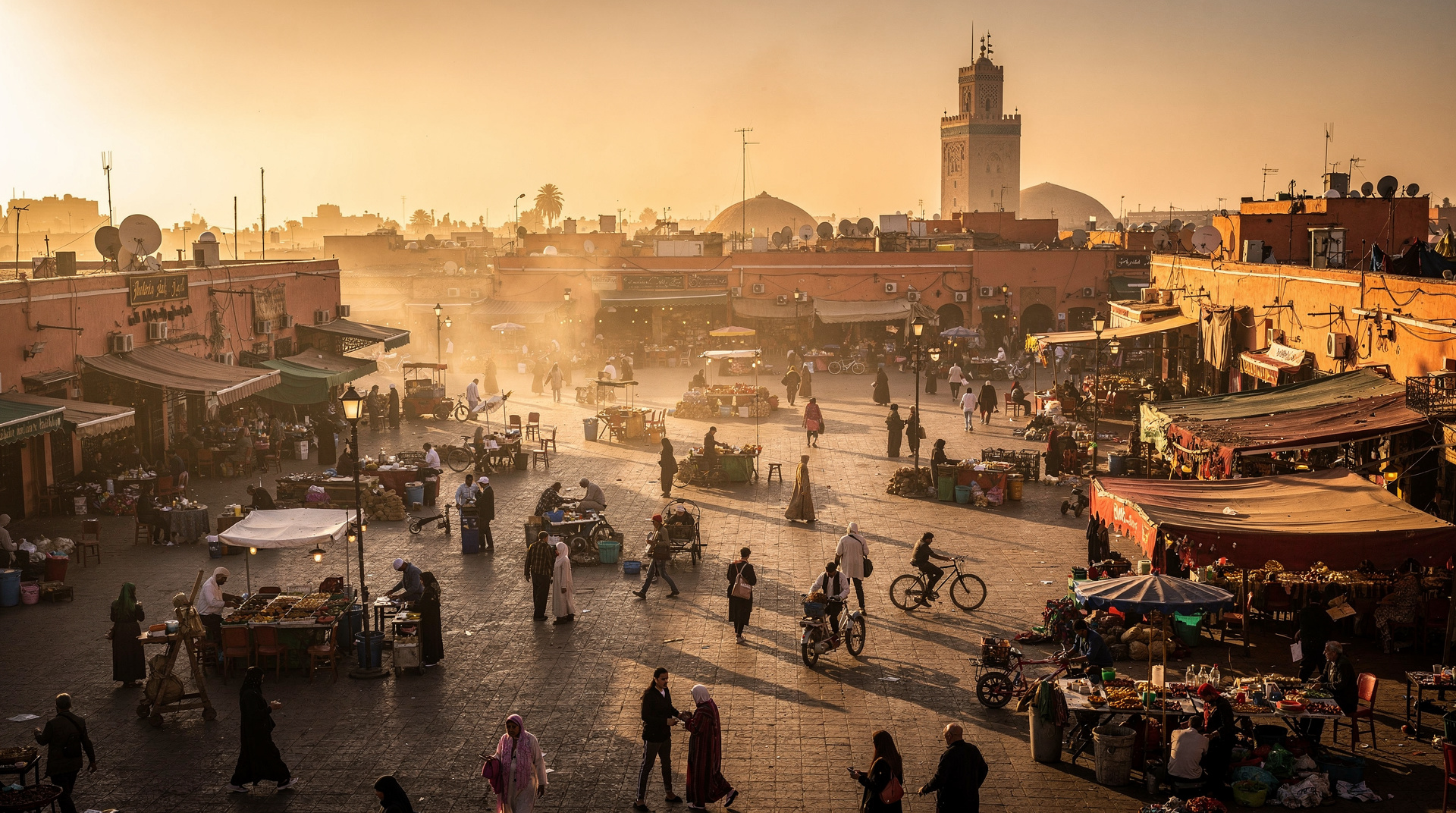
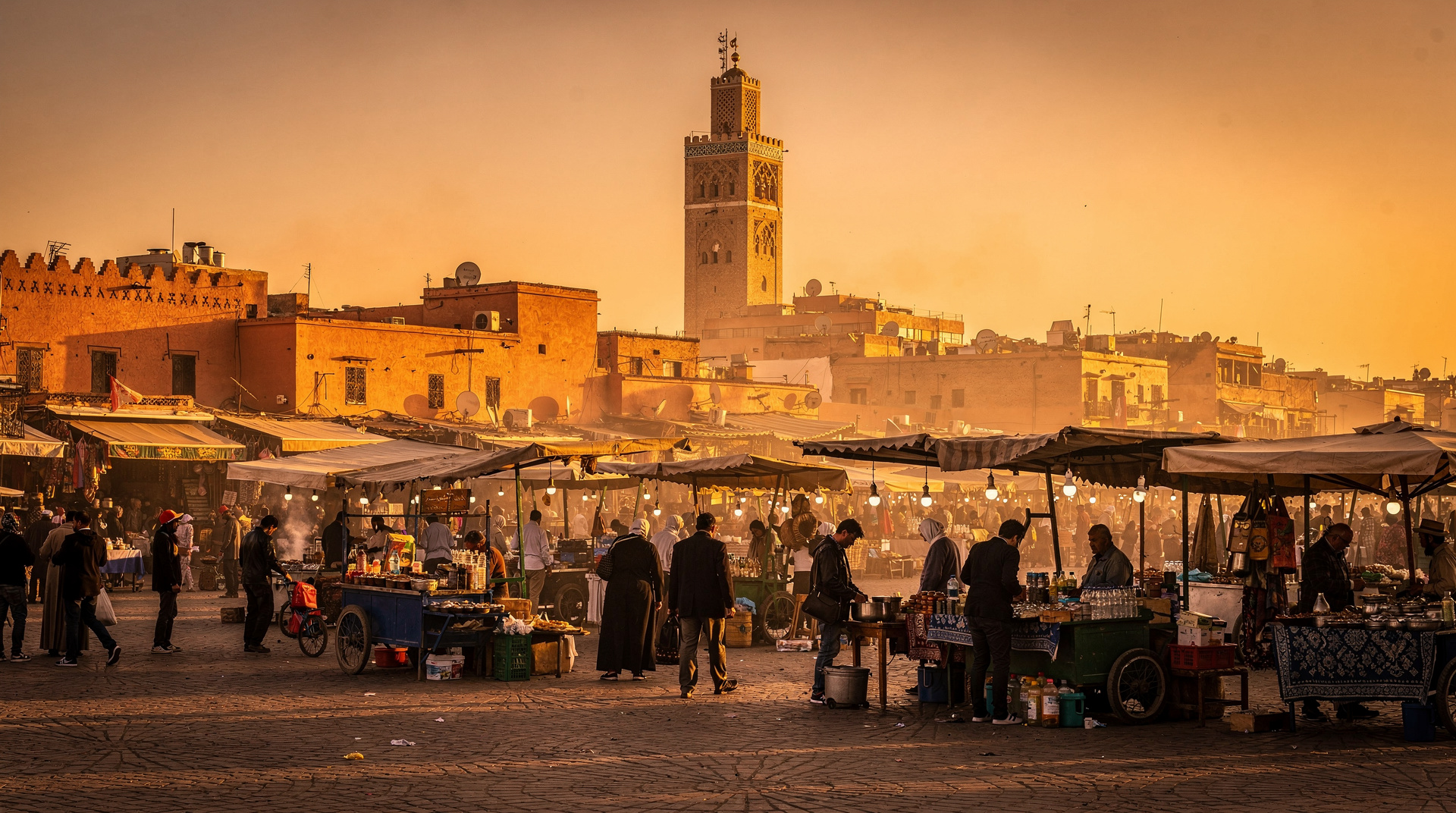
There is no square in the world quite like Jemaa el-Fnaa as the light goes orange. Snake charmers, acrobats, henna women, storytellers in Arabic, the smoke from a hundred grill carts, the percussion of Gnawa musicians, the call to prayer echoing from the Koutoubia minaret above it all. I have stood at the edge of this square at dusk on five separate occasions and felt the same gut-level thrill every time. You cannot fake that energy. It is real, it is old, and it is unlike anything in Europe or North America.
Yes, someone will try to drape a monkey on your shoulder and ask for money. Yes, a woman will grab your hand for an uninvited henna application. Know that this is coming, say “La, shukran” firmly, and enjoy the spectacle regardless. The square does not owe you a filtered experience.
The medina architecture
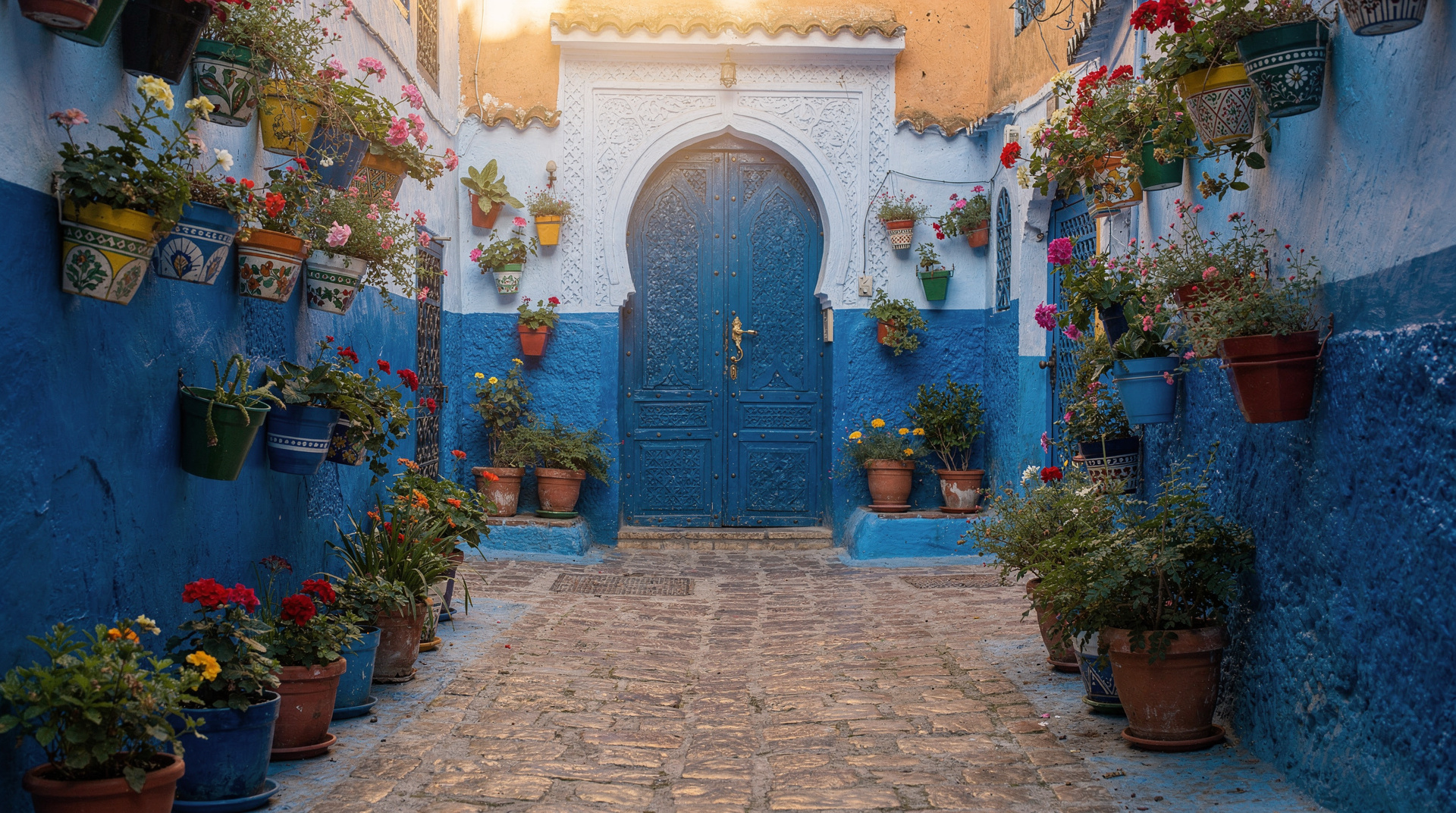
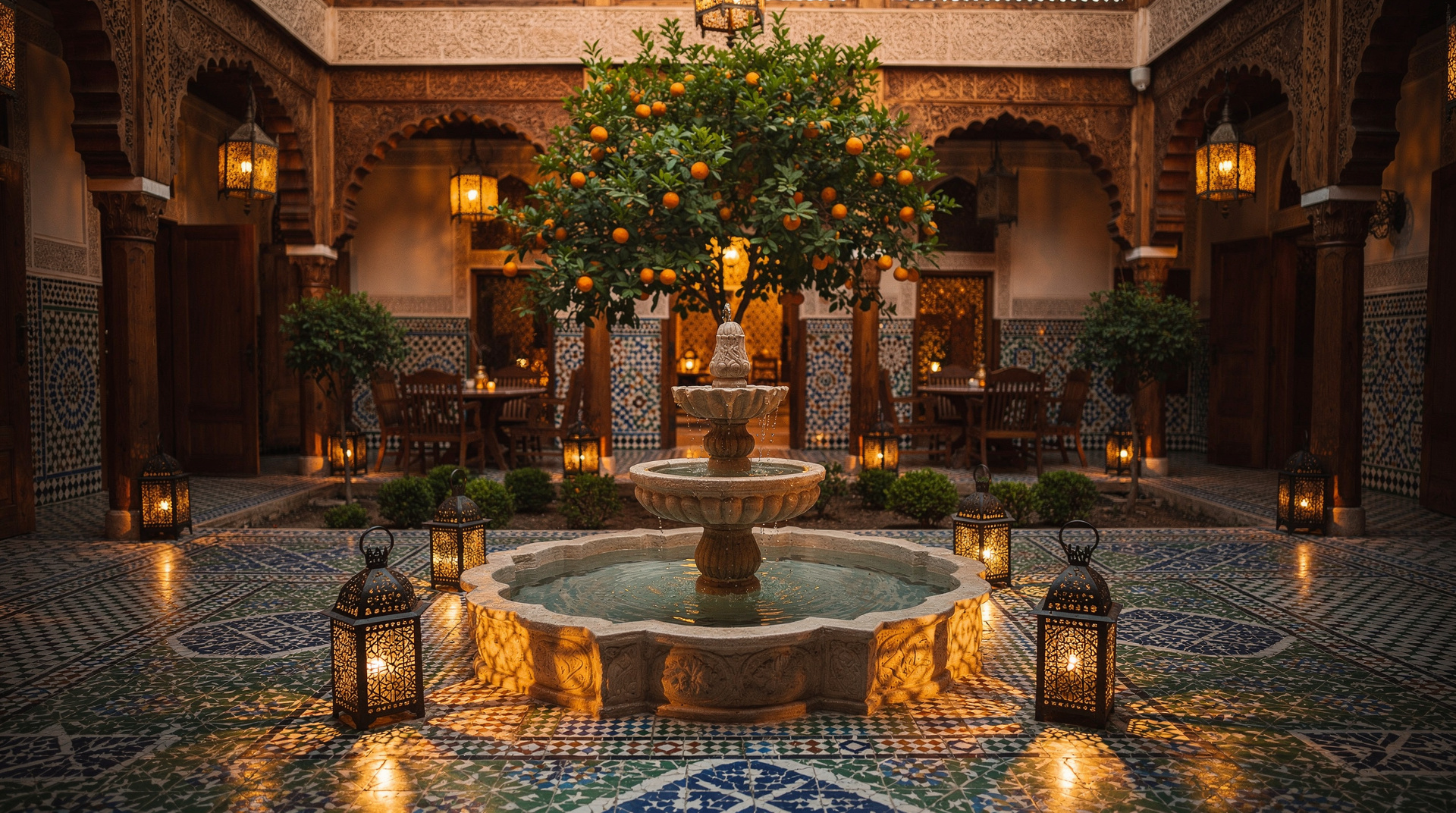
The riads of Marrakech — those introverted courtyard houses with rough exterior walls and stunning interior tilework — represent one of the most distinctive domestic architectures in the world. Walking through the souks you see almost nothing of what lies behind those weathered walls. The contrast, when you finally step through a riad door and into a courtyard of carved plaster and mosaic, is genuinely breathtaking.
Even as a tourist you can access this: book a riad (not a hotel in Guéliz), and you will live inside this architecture for the duration of your stay. My favourite riads cluster around the Mouassine and Bab Doukkala neighbourhoods — quieter than the area around the Saadian Tombs, still deep in the medina. Our Marrakech destination guide has neighbourhood breakdowns.
Majorelle Garden
I went in grudgingly the first time, convinced it was a tourist trap. I was wrong. Yves Saint Laurent’s cobalt-blue art deco garden, now owned by the foundation he established with Pierre Bergé, is genuinely beautiful — dense with cacti, fragrant with jasmine, designed with a precision that rewards slow wandering. The Berber Museum inside is excellent. The YSL Museum next door is one of the better fashion museums I have been to. Come early (it opens at 8 am) to avoid the crowds that peak from 10 am onward.
The food scene, when you look past the obvious
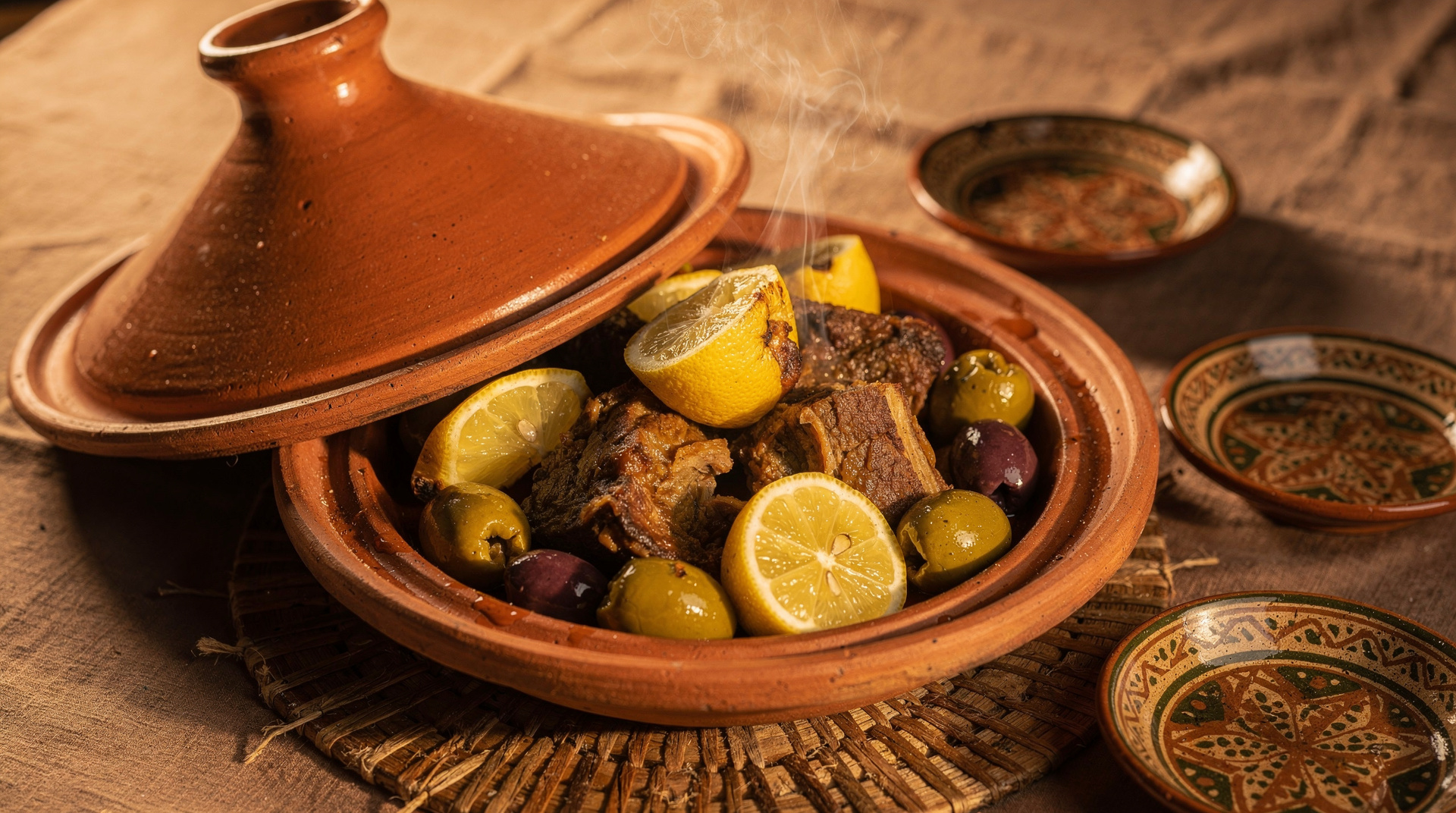
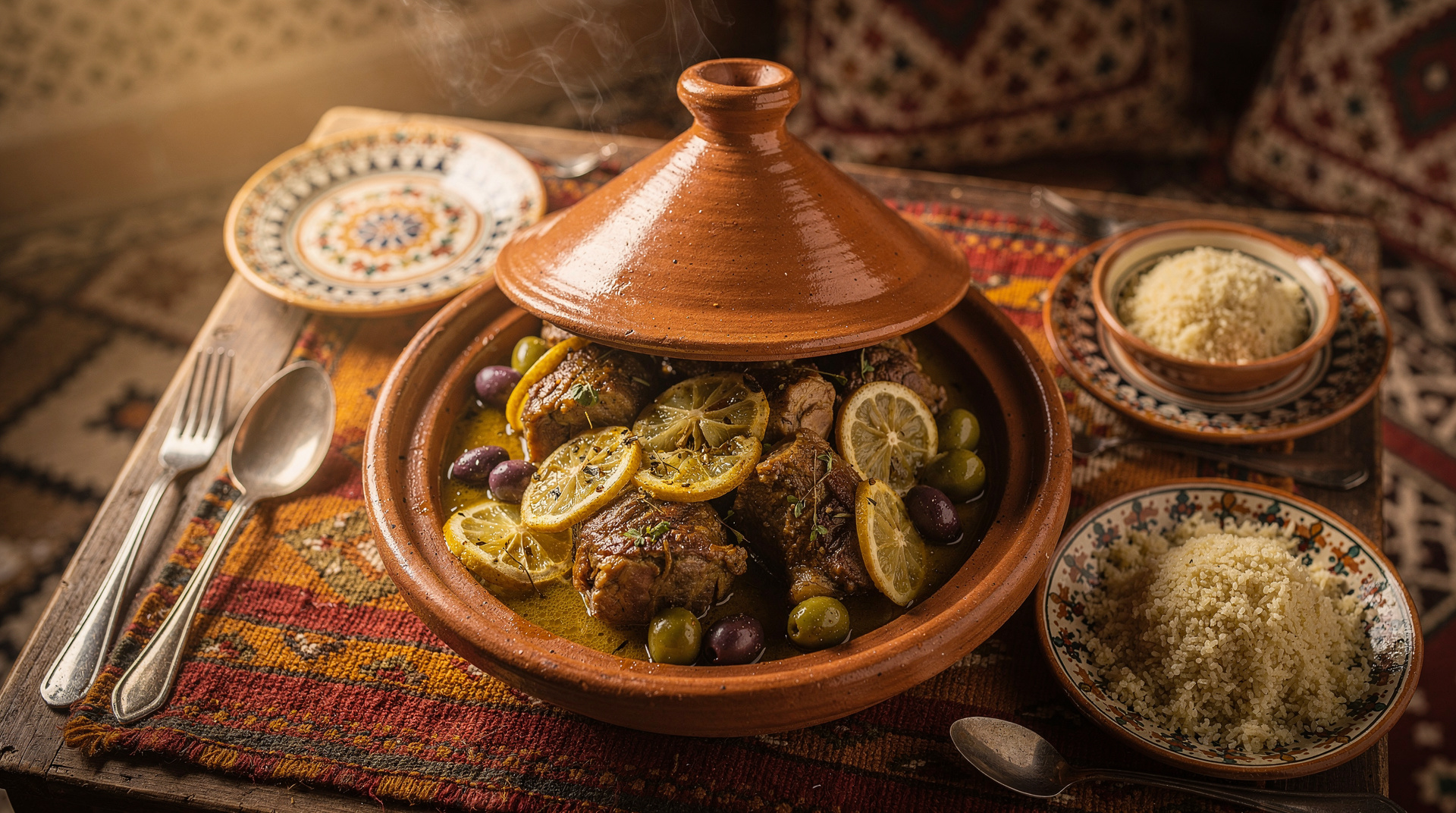
The mediocre tagine mills around Jemaa el-Fnaa are real and best avoided. But Marrakech has a genuine restaurant culture — a mix of traditional Moroccan, French-Moroccan fusion, and a small handful of innovative young Moroccan chefs running forward-thinking kitchens. Nomad in the Mouassine area, Café Clock in the medina, and the old-school institution Dar Yacout have all earned their reputations.
The street food circuit — bissara (fava bean soup) for breakfast at a hole-in-the-wall near Bab Doukkala, fresh-squeezed orange juice in the square, lamb offal sandwiches from grill carts on Avenue Mohammed V — is also genuinely wonderful if you follow a guide who knows where locals eat rather than where tourists go.
The street food tour by night we have linked for years consistently gets strong reviews for exactly this reason — a local guide navigates you past the tourist grill carts to the real thing.
Where Marrakech overpromises
The souk experience is increasingly stage-set
The main artisanal souks — the coppersmiths’ souk, the dyers’ souk, the leather souk — used to be working commercial districts where craftsmen made and sold things to other Moroccans. They still exist in that form, but the accessible tourist-facing sections have tipped heavily toward mass-produced goods from China with a Moroccan aesthetic veneer. Leather bags with “handmade” labels that cost 40 euros in the souk cost 8 euros wholesale in Guangzhou.
This does not mean good craft does not exist in Marrakech — it does. But you have to work harder to find it. The fixed-price Ensemble Artisanal cooperatives, the women’s cooperatives selling argan products outside the city, and the deeper artisanal quarters behind the main souk corridors are where the real stuff lives. Our souk shopping guide tells you where to look.
The hassle is real and persistent
I will not minimise this. Walking through the medina as an obvious tourist, especially in the central areas between Jemaa el-Fnaa and the Mouassine Fountain, involves a near-constant low-level negotiation of approaches, offers, directions (always leading somewhere), and redirections. For someone who has done it five times, it is a familiar rhythm. For a first-timer, it can feel genuinely overwhelming.
The intensity is worse than it was ten years ago and better than it was during the worst of the 2010s — when the government cracked down on the most aggressive practices — but it has not gone away. If you have a low threshold for this kind of interaction, Essaouira will suit you much better on a first trip. Our why Essaouira beats Marrakech for first-timers post makes this case at length.
The riad bubble can disconnect you
This is a stranger complaint: staying in a beautiful riad, eating at the good restaurants, doing the curated cooking class and Majorelle visit, you can complete a Marrakech trip having had a perfectly pleasant experience that has almost nothing to do with what Moroccan life actually looks like. The city has become expert at providing high-quality tourism infrastructure that floats above the real city like a beautiful, slightly sealed membrane.
Whether this bothers you depends on what you are looking for. If you want comfort and beautiful spaces, the riad-and-restaurant circuit delivers. If you want to understand Morocco, spend time in Guéliz (the French colonial new town, where locals actually live), visit a neighbourhood hammam at 7 am, take a bus to a market town, or do a day trip to the Atlas mountains with a guide from the village you visit.
Day-trip Marrakech is a different city
A significant chunk of the tourists in Jemaa el-Fnaa at any given moment are on day trips from beach resorts in Agadir — five-hour coach rides, three hours in the medina, photo at the square, back on the coach. This influx peaks in the afternoon and creates a particular flavour of tourist-facing friction. If you are staying in Marrakech for several days, the morning hours (before 10 am) and evenings (after 6 pm) are when the city returns to something more like itself.
What kind of traveller does Marrakech suit?
It suits people who are curious, comfortable with friction, interested in craft and architecture and food, and willing to do some research before they arrive. It suits people for whom “chaotic and beautiful” is a feature rather than a bug.
It is harder for people who want peace and predictability on a first trip. It is harder for solo women on their first visit to a country where street-level attention is constant (though not usually threatening). It is harder for people with very young children (though not impossible — see our Morocco with a toddler post).
The verdict after five trips
Overrated? No. Misrepresented? Yes.
The Instagram version of Marrakech — all soft light, rose petals in the riad courtyard, no other tourists — sets up an expectation that the real Marrakech cannot meet. But the real Marrakech has things the Instagram version cannot capture: the smell of the tanneries on a warm afternoon, the particular silence of the medina in the hour before the call to prayer, the taste of a proper harira on a cold January evening.
Go in with accurate expectations. Stay in the medina. Hire a guide for your first half-day in the souks — not to be protected, but to understand the context. Eat at places locals eat. Give yourself at least three nights so the city has time to reveal itself rather than just overwhelm you.
A guided medina history and culture tour on your first morning changes everything about how you navigate the rest of your stay — worth every dirham.
If Marrakech is your only Morocco trip and you leave disappointed, the city is not to blame. You needed more time and better preparation. If it becomes the anchor of a longer trip that also takes in Fes, the Sahara, and the Atlantic coast, it snaps into context as what it actually is: a difficult, extraordinary, irreplaceable city that rewards patience.
That is not overrated. That is just complicated.
Practical notes
- Best time: March–May or September–November. July–August is brutal (40°C+). January is cold but uncrowded and beautiful.
- How long: Minimum three nights. Four is better. Two is not enough.
- Where to stay: Inside the medina for atmosphere; Guéliz or Hivernage for quiet.
- Getting there: RAK airport is 6 km from the city. Our airport transfer guide covers options.
- Connecting it: Most visitors pair Marrakech with a Sahara tour, a day trip to the Atlas, and sometimes a night in Essaouira. Our 7-day Morocco itinerary maps this out.
Marrakech versus the alternatives, honestly
| Compared to | Where it wins over Marrakech | Where Marrakech wins |
|---|---|---|
| Essaouira | Far less hassle, relaxed coastal pace, easier first-timer city | Depth of craft, food scene, and architecture; more to do for longer stays |
| Fes | Fes el-Bali is more intact and less commercialised as a medina | Better restaurant and riad infrastructure; easier logistics for first-timers |
| Casablanca | Not really a competitor for atmosphere — more a transit hub | Everything: culture, souks, food, architecture |
If your honest priority is “I want the least stressful possible Morocco city,” read why Essaouira beats Marrakech for first-timers before you book. If your priority is depth and you have the patience for a working, chaotic medina, Marrakech is worth every bit of the friction described above.
What changes the experience most
Two things separate travellers who leave loving Marrakech from those who leave exhausted: length of stay and where they base themselves. Two nights is genuinely not enough — you spend it disoriented and defensive rather than settled. Three or four nights lets the rhythm of the medina become familiar rather than overwhelming, and lets you experience the quieter early-morning and evening hours described above. Basing yourself deep in the medina (Mouassine, Bab Doukkala) rather than in a generic hotel also matters more than people expect — waking up inside a riad courtyard changes your relationship to the city from “visitor passing through” to something closer to “temporary resident,” which changes how the medina treats you back.
Frequently asked questions about Is Marrakech overrated? An honest opinion after five visits
Is three nights really enough time in Marrakech? It is the practical minimum. Two nights tends to leave visitors disoriented rather than settled; three lets you experience both the tourist-heavy midday hours and the calmer early mornings and evenings that locals themselves prefer.
Is Marrakech safe for first-time and solo travellers? Yes in the sense of physical safety — violent crime against tourists is rare. The more relevant issue is the constant low-level hassle (persistent vendors, unsolicited “guides,” overcharging), which is real but manageable with firm, polite refusals and some research beforehand.