Why Essaouira beats Marrakech for first-time Morocco visitors
The advice nobody gives you before your first Morocco trip
Everyone tells you to start in Marrakech. It is the most convenient hub, the most written-about city, the one with the most direct flights and the most accommodation options. The Lonely Planet starts there. Every Morocco roundup starts there. The GYG experience catalogue is twenty pages of Marrakech tours before it mentions anywhere else.
I am going to make a different argument. For a significant subset of first-time Morocco visitors — specifically those who are easily overwhelmed, who hate hard sells, who want to read a book on a terrace as much as they want to explore souks, and who would prefer to ease into a country rather than be thrown into its deep end — Essaouira is a better starting point than Marrakech.
This is not a slight against Marrakech. I genuinely love Marrakech. But I have also seen people arrive in Marrakech for their first day in Morocco, spend three disorienting hours getting lost in the medina while being hassled by every shop front, and return to their riad sunburned and exhausted with a creeping suspicion that they have made a mistake.
That does not happen in Essaouira. Here is why.
| At a glance | |
|---|---|
| Where | Atlantic coast, around 2.5-3 hours from Marrakech |
| Cost | Similar or slightly cheaper than Marrakech for riads and food |
| Time needed | 2-3 nights is enough for a first visit |
| Getting there | CTM/Supratours bus or grand taxi from Marrakech, several daily departures |
| Best time | April-September for the wind and warm days; year-round mild by Moroccan standards |
Essaouira is actually walkable
The Essaouira medina is roughly 1.5 km from north to south. You can walk its entire length — walls to walls — in twenty minutes. You can walk back in twenty minutes. There are few enough alleys that you are never more than a few minutes from a landmark or the sea breeze that blows off the Atlantic and tells you which direction is west.
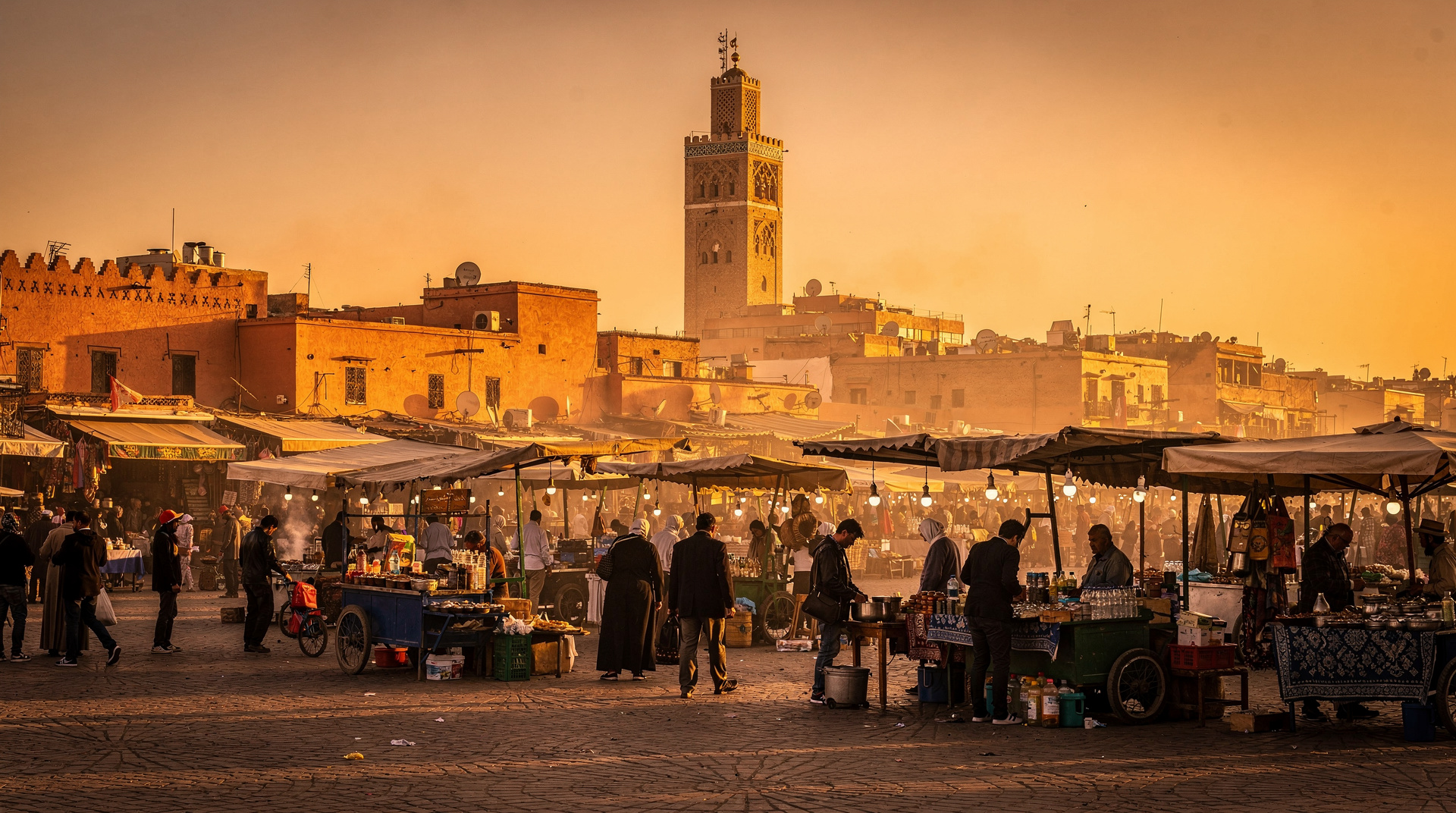
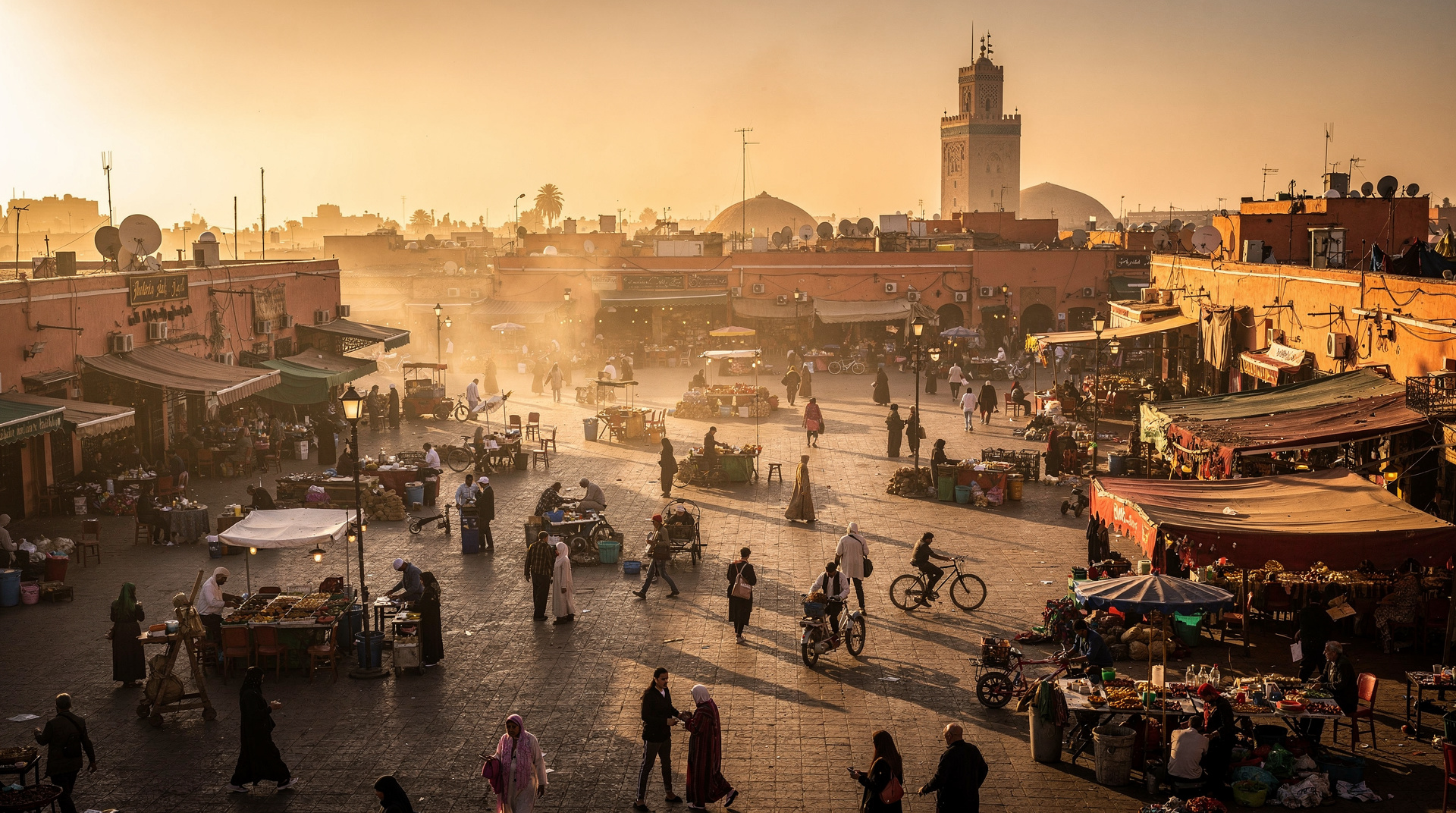
The Marrakech medina is roughly 4 km across its longest diagonal and contains, depending on how you count, somewhere between 6,000 and 9,000 alleyways. Google Maps is unreliable inside it. Your blue dot drifts through walls. It is designed — and has been for nine centuries — to disorient outsiders. This was historically a defensive feature. For a first-time visitor trying to calibrate to an entirely new country, it is instead a significant stress.
Essaouira’s medina is logical. The main avenue, Rue Mohammed el-Qorri, runs its length. The ramparts frame the whole thing on two sides. The port is at the south end, the main square at the north. You know where you are. You know how to get back. This is underrated as a quality-of-life factor when you are also trying to navigate cultural differences, dietary adjustments, a new currency, and a dozen other simultaneous novelties.
The hassle is dramatically lower
Essaouira is not hassle-free. Anyone who tells you any Moroccan medina is hassle-free is either lying or has been there in December. There are touts, there are commissions, there are men who will walk alongside you and try to guide you somewhere you did not ask to go.
But the volume and intensity of this is substantially lower in Essaouira than in the tourist core of Marrakech. This is partly because Essaouira’s tourism economy is smaller and more organic, partly because the city has a different character — more artistic, more Gnawa music, more surfers, more of a fishing economy that does not depend entirely on tourism — and partly because the medina’s layout gives you less opportunity to appear helplessly lost, which is when the approaches intensify.
Women travelling solo consistently report Essaouira as one of the more comfortable Moroccan cities. Not comfortable by the standards of home — Morocco is Morocco — but comfortable relative to the tourist medinas of Marrakech and Fes.
The seafood is the best in Morocco
I will make this argument simply: if you care about food, Essaouira’s port-side fish stalls offer some of the best value eating in Morocco. For 80–120 MAD (roughly 7–11 euros) you can eat grilled sardines, calamari, prawns, and a whole sea bass at a table two metres from where the boats came in. The fish was in the Atlantic three hours ago.
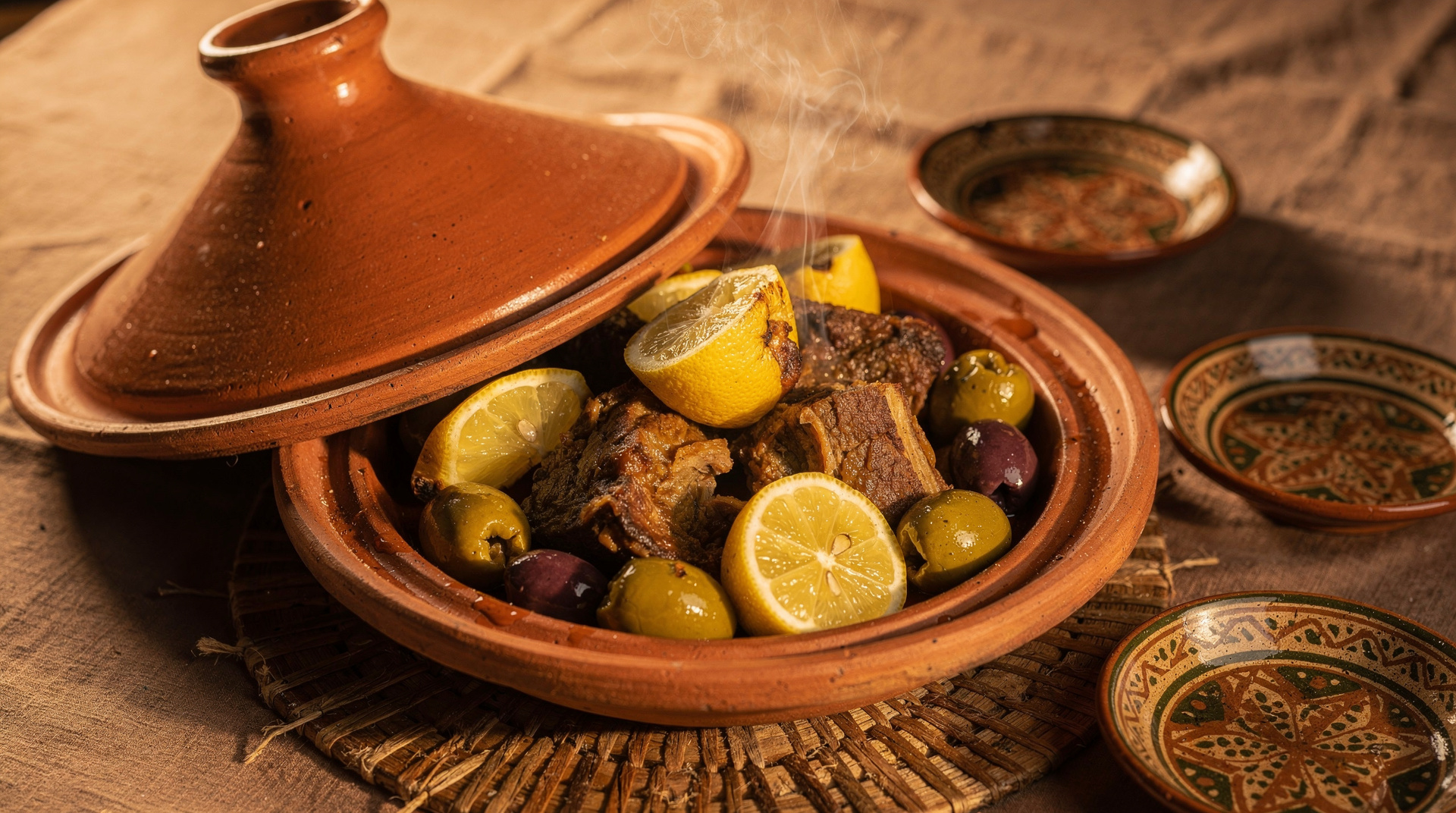
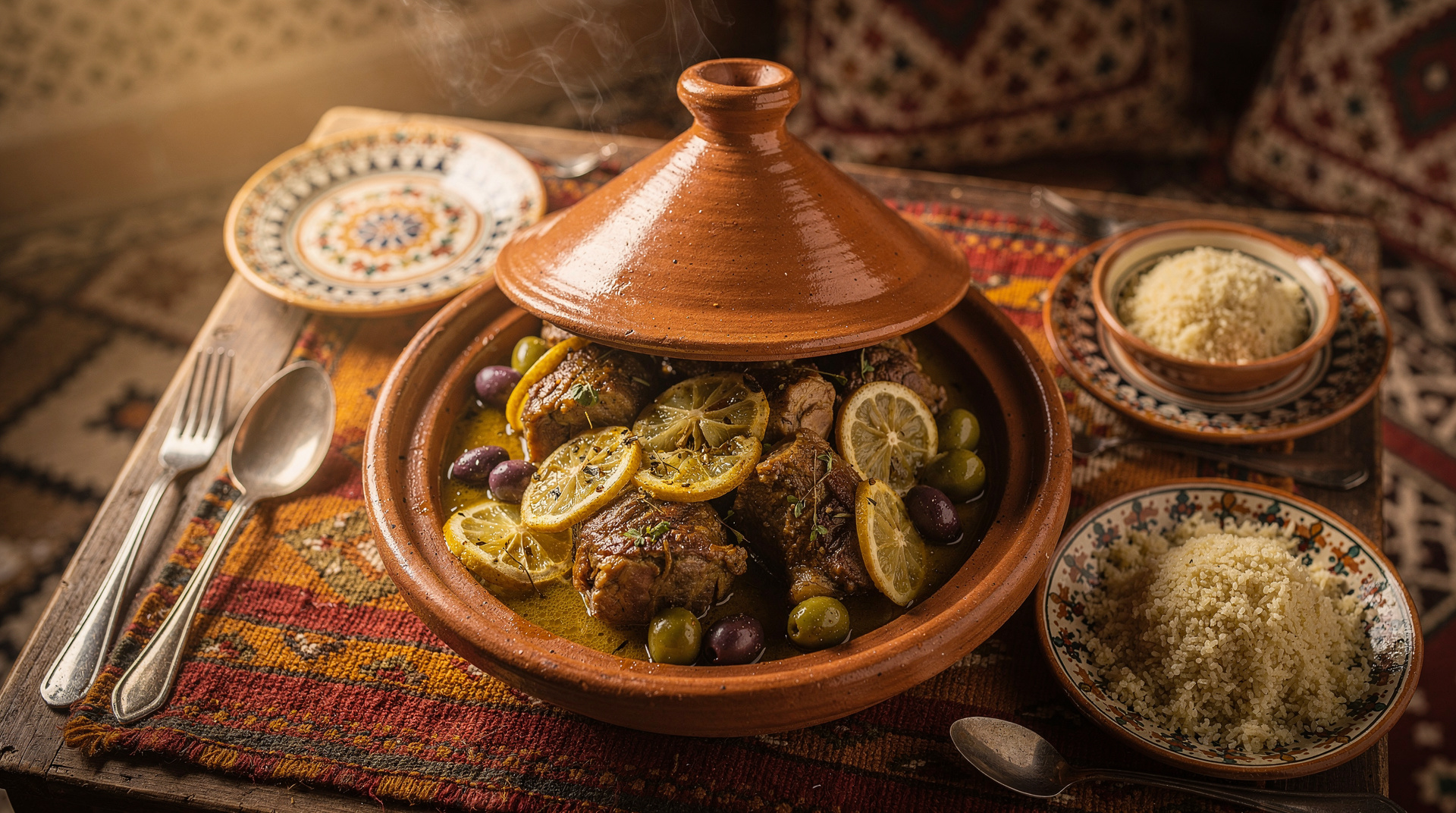
Marrakech does tagine well. Fes does traditional Moroccan cuisine at depth. But if you want to understand that Morocco is also a coastal country with four hundred kilometres of Atlantic coastline and a fishing culture going back two thousand years, you need to sit at a plastic table in Essaouira port with grilled fish and argan oil and watch the blue boats rock in the harbour.
This is irreplaceable. No other city in Morocco does it quite like this.
Essaouira vs Marrakech for first-timers
| Factor | Essaouira | Marrakech |
|---|---|---|
| Medina size | ~1.5 km, walkable in 20 minutes | ~4 km diagonal, easy to get lost |
| Hassle level | Lower, more manageable | Higher, especially near the souks |
| Signature food | Port-side grilled seafood | Tagine, street food density |
| Pace | Slower, decompression-friendly | Demands constant engagement |
| Best for | Easing in, solo travellers, food lovers | Souks, architecture, nightlife energy |
If you want the fuller case for the other side, our is Marrakech overrated? piece makes the counter-argument.
The medina is beautiful without being overwhelming
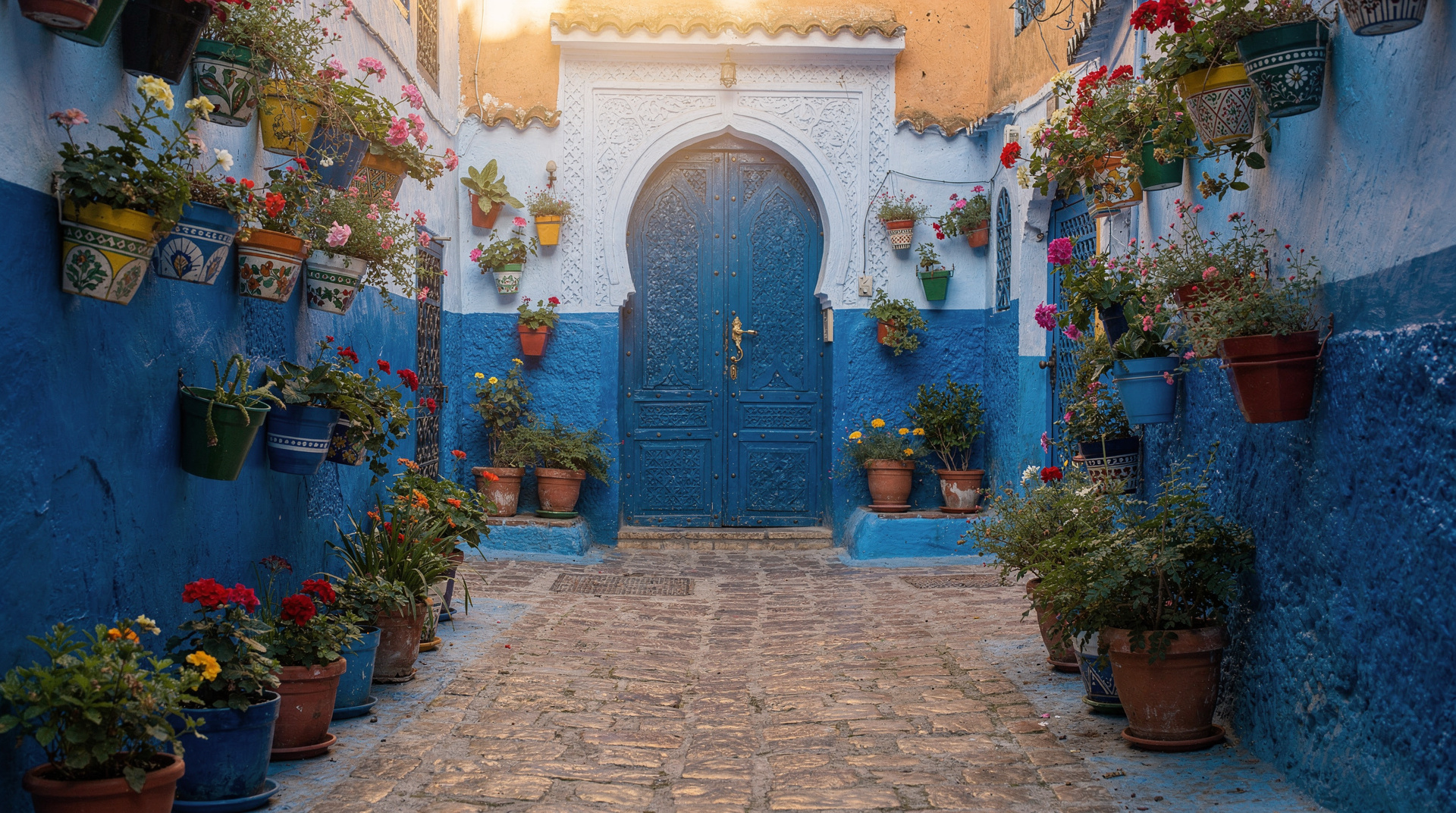
Essaouira’s old city is a Portuguese-designed fortified port from the eighteenth century. It is a UNESCO World Heritage site with reason: the blue-and-white painted walls, the riads with their carved cedar woodwork, the Skala ramparts with their line of Portuguese cannons pointing out to sea, the Bab Doukkala arched entrance — all of it has a coherent architectural logic that rewards slow looking.
But it is also genuinely photogenic in a way that does not require the particular eye that Marrakech’s chaos eventually trains in you. Essaouira gives you its beauty immediately. You do not have to work for it or earn it by getting lost fifteen times. The light off the Atlantic, the blue paint, the wooden riads — it hands you the aesthetics straight away.
A guided medina walking tour in Essaouira is excellent for context — the city has a layered history (Phoenician trade post, Portuguese fort, Moroccan imperial port, hippie haven) that is richer than it looks. But unlike Marrakech, you can also just wander without a guide and have a good time.
You can actually rest
This sounds embarrassingly basic and it is not meant as a slight to more energetic travellers. But one of the underrated things about a Morocco trip is how much cognitive and sensory bandwidth the experience demands. The new food, the language shift, the navigation challenges, the negotiation of every small transaction — by the third day in Marrakech, even experienced travellers often feel pleasantly exhausted.
Essaouira gives you the option of doing less. The beach south of the medina is five kilometres of flat Atlantic sand where you can read, walk, or watch the kite surfers in the famous Essaouira wind. The wine and argan oil farms in the hinterland offer a genuinely relaxing half-day. The rooftop cafés that overlook the ramparts are excellent places to do nothing at all for two hours.
This is not what Marrakech is for. Marrakech is a city that demands your engagement. Essaouira is a city that lets you set your own pace. For a first visit to Morocco, when you are still calibrating to everything, the second kind of city has real value.
The wind, the waves, and a different Morocco
Essaouira sits in a permanent wind corridor. The Alizé trade wind blows off the Atlantic almost every afternoon between April and September, cooling the city by ten degrees relative to Marrakech and making outdoor activity possible even in July. The sea itself is cold — Atlantic cold, not Mediterranean warm — but the beach is wide and wild and the kite surfing and wind surfing communities that cluster around Essaouira give the town a particular energy you will not find anywhere else in Morocco.
A surf lesson in Essaouira is one of the most fun half-days you can spend on a Morocco trip if you have any inclination toward the water. The waves are consistent, the instructors are genuinely good, and the fact that you are surfing in Morocco — a country most people imagine as purely desert — is a delightful dislocation.
The practical case for starting here
Essaouira is 2.5 to 3 hours from Marrakech by CTM bus or grand taxi — a reliable daily connection. It is also increasingly connected by direct Supratours bus from Marrakech airport. A logical itinerary for a week’s first trip might be:
- Days 1–3: Fly into Marrakech, spend nights there. Day one guided medina tour, day two Majorelle + hammam, day three Atlas mountains day trip.
- Days 4–5: CTM bus to Essaouira. Two nights, beach time, fish lunch at the port, rampart walk at sunset.
- Days 6–7: Return to Marrakech. Fly out, or extend south to Agadir for beach recovery.
In this structure, Essaouira functions as the decompression chamber in the middle of the trip. You arrive in Marrakech’s chaos, spend three days calibrating, and then reward yourself with Essaouira’s gentler rhythm before the journey home.
Alternatively, for the genuinely hassle-averse, do it in reverse: fly into Marrakech, bus to Essaouira immediately, spend your first two nights there, return to Marrakech with your bearings already calibrated. It sounds counterintuitive and it works surprisingly well.
Our 7-day Morocco itinerary has an Atlantic coast variant that builds Essaouira in as more than a day trip.
What Essaouira is not
It is fair to note the limits of my argument. Essaouira is not Morocco’s most complex or historically layered city. It does not have the depth of Fes’s medina or the spectacle of Marrakech’s square. Its cuisine is narrower — fish and tagine, excellent, but not the full range you find in Marrakech or Fes. It is a small city and you will run out of new things to do by day three.
It is also not cheap in the way Morocco used to be cheap. Riad prices in Essaouira have risen significantly over the last decade, partly because the city has become fashionable with European second-home buyers who have pushed up property prices throughout the medina. You will not find the bargain riads of 2015 anymore.
But as an entry point — as the first Moroccan city you stand in, the first medina you navigate, the first Moroccan meal you eat — it is hard to beat. The learning curve is gentler, the city is forgiving, and you arrive in Marrakech afterwards (if the plan goes right) with your confidence calibrated rather than your nerves frayed.
That is a better beginning to Morocco than most people get.
How to combine both cities
None of this means skip Marrakech — it means sequence it wisely. A first-week Morocco trip that pairs the two cities, rather than choosing one, gets the best of both: our 7-day Morocco itinerary has an Atlantic coast variant built around exactly this pairing, and the Marrakech vs Essaouira base guide walks through which city to use as your main base if you are short on time.
Frequently asked questions about Why Essaouira beats Marrakech for first-time Morocco visitors
Is Essaouira a good first stop in Morocco, or should I always start in Marrakech? Essaouira works well as a first stop for travellers who want a gentler introduction — a smaller, walkable medina and lower hassle — before tackling Marrakech’s intensity. Marrakech remains the better choice if you want maximum energy and souk density from day one.
How do I get from Marrakech to Essaouira? CTM or Supratours bus, or a shared grand taxi, takes around 2.5-3 hours and runs multiple times daily; booking a day ahead is worthwhile in peak summer.