Quick facts
- Language
- Tachelhit, Darija
- Distance from Agadir
- 1h by car (60 km)
- Nearest town
- Imouzzer des Ida Outanane (3 km)
- Best for
- Natural pools, canyon scenery, hiking, day trips
The Canyon That Earns Its Name
| At a Glance | |
|---|---|
| Where | Anti-Atlas foothills, 1 hour (60 km) north of Agadir |
| Cost | Around 100–200 MAD for lunch; day tours from roughly 250–450 MAD per person |
| Time needed | Half day for the pools, full day with Imouzzer town and lunch |
| Getting there | Self-drive via the R207, organised day trip, or grand taxi to Imouzzer |
| Best time | March–May for full pools and flowing waterfall; September–October for fewer crowds |
An hour from Agadir’s beach resort strip, the land folds sharply upward into the Anti-Atlas foothills and the Sous plain gives way to a canyon that the local tourist industry has named, with reasonable justification, Paradise Valley. The valley of the Tamraght River — the proper geographical name — cuts through pink and ochre limestone cliffs draped in Canary palms, argan trees, and seasonal wildflowers. At the bottom of the canyon, pools of clear spring water collect in natural basins of polished rock, and for about eight months of the year (the drought-free months), these pools are deep enough to swim in.
The combination of the canyon scenery, the swimming, and the relative inaccessibility — you need a car and some willingness to navigate an increasingly narrow road through the village of Imouzzer des Ida Outanane — keeps Paradise Valley genuinely pleasant despite its name having appeared on every Agadir day trip list for the past decade. The crowds that arrive are manageable outside school holiday weeks, and the upper canyon above the main tourist pools remains virtually empty.
Above the canyon, the road continues to the town of Imouzzer itself, perched at 1,180 metres with views across the Sous plain and a waterfall that flows in winter and spring. The town has a small traditional honey souk and a Thursday market that sell produce from the surrounding agrar (argan and almond) farms. Together, the valley and the town constitute one of the most rewarding half-to-full-day excursions accessible from Agadir.
Getting There
From Agadir by car: Take the N1 north toward Essaouira, then turn inland on the R207 toward Imouzzer. After about 50 km, the road begins to climb dramatically into the Anti-Atlas foothills. The valley and pools are signposted off this road, approximately 57 km from Agadir. Total journey: about 1 hour depending on stops.
By organised day trip: The most practical option for those staying at Agadir beach resorts. Tours include transport, a guided walk in the canyon, swimming time, lunch at a local restaurant, and sometimes honey tasting in Imouzzer.
Book a Paradise Valley day trip with lunch from AgadirBy grand taxi: Grand taxis run from Agadir to Imouzzer (around 60–80 MAD per seat, 1.5 hours). From Imouzzer, the valley pool descent is a 30-minute walk.
Getting Around
The main approach to the pools involves walking a path from the roadside parking area down through the palm groves to the canyon floor — about 15–20 minutes descent, 25–30 minutes back up. The pools are then accessible along the river bed, some requiring careful rock-hopping.
For the wider canyon and the upper valley above the main tourist area, proper walking shoes and a local guide add significant value. The trail up the canyon above the pools continues for several kilometres through increasingly remote terrain.
Getting to Imouzzer town and its waterfall from the pool area requires either a car or a 3 km uphill walk.
Top Things to Do
Swim in the Natural Pools
The defining activity of Paradise Valley. The Tamraght River, even at its lowest in late summer, feeds a series of natural pools in the canyon floor — polished limestone basins that fill to depths of 1–3 metres with clear, cold spring water. The colours are improbable: the water shifts from pale green to deep turquoise depending on depth and season, set against the orange-pink canyon walls and the drooping fronds of Canary palms.
The main pool accessible from the most-used path is typically 10–15 metres wide and 2–3 metres deep in spring (March–May). By September–October, the dry season has reduced it but swimming is still possible. By November, winter rains begin to refill the canyon and by January–February the pools are at their fullest — though cold (15–18°C).
Local teenagers dive from the rock ledges above. A rope swing has been rigged from a palm trunk. This is the version of Paradise Valley that photographs well.
Hike the Upper Canyon
Above the tourist pool area, the canyon narrows and the trail becomes a scramble between boulders and palm roots. Most day visitors stop at the main pool and return; continuing up the canyon for another hour or two reveals progressively wilder scenery and complete solitude. The vegetation — argan, thyme, wild sage, and the occasional cluster of oleander — is excellent walking country. A local guide can lead you to secondary pools and viewpoints that are not on the standard route.
Visit Imouzzer des Ida Outanane
The town above the valley (3 km from the pool area by road, or 45 minutes on foot uphill) is a compact Berber market town with a modest but genuine character. The Thursday souk brings in sellers from the surrounding Anti-Atlas villages; the honey market operates on the square most days. Imouzzer honey — produced from argan, thyme, and wild lavender — is among Morocco’s finest and dramatically cheaper here than in Agadir or Marrakech’s tourist markets.
The waterfall above Imouzzer flows between December and May, fed by winter rain and snowmelt from the higher Anti-Atlas. In the driest years (2022 was notably bad), it barely flows at all. Check conditions locally before making it a specific objective.
Honey and Argan Oil Tasting
The Ida Outanane tribes of this area are renowned across Morocco for their honey production, and several small farms and cooperatives along the valley road offer tastings — argan honey, thyme honey, wildflower honey — with the option to buy directly. Prices from the source are typically 80–150 MAD per 500g jar compared to 200–350 MAD in Agadir tourist shops. The argan oil pressed here is also genuine cold-pressed product; avoid the industrial versions sold in tourist shops.
Lunch in a Valley Restaurant
Several traditional restaurants have established themselves along the canyon road and on the valley floor, offering tagines cooked in clay pots over wood fires, fresh salads, and mint tea in a canyon setting. A full lunch at one of these — often served on a terrace above the pools with the palm canopy below — costs 100–180 MAD per person. The quality is consistently good; the setting is always excellent.
Where to Stay
Paradise Valley does not have significant accommodation. Most visitors come as a day trip from Agadir. The nearest overnight options are:
Imouzzer des Ida Outanane: A handful of small guesthouses operate in the town above the valley. Hôtel des Cascades near the waterfall is the most established — simple rooms, good Berber cooking, and views across the valley. Around 300–500 MAD per night.
Camping in the valley: Some visitors camp in the palm grove area with permission from local families. No formal campsite exists.
For all other accommodation, return to Agadir (1 hour). The beach resort hotels there are well-suited as a base for Paradise Valley day trips.
Where to Eat
Valley floor restaurants: The best dining option is one of the terrace restaurants directly on the canyon rim or valley floor. Tagines, mechoui, and fresh salads in a spectacular setting. Budget 120–200 MAD per person.
Restaurant Aqua Viva at the valley entrance is one of the most established options — a full menu of Moroccan dishes served on a palm-shaded terrace above the main pool. Consistently recommended.
Imouzzer souk food: On Thursday market days, the Imouzzer souk has food stalls serving freshly made msemen, amlou with argan honey, and grilled kefta at very low prices (20–50 MAD per person). The best cheap eating option in the area.
Day Trips from Paradise Valley
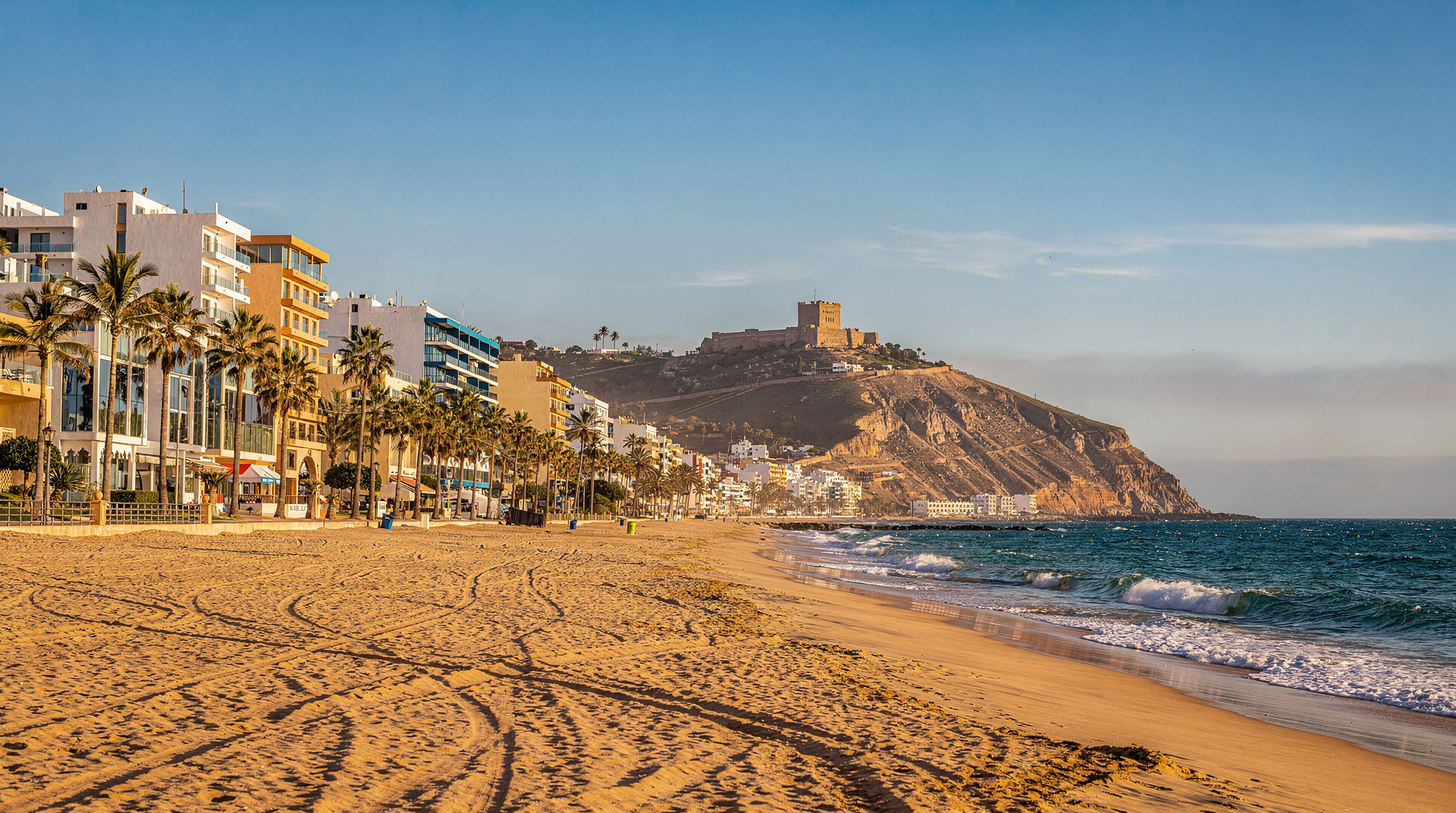
Agadir Beach: 1 hour south, the Agadir beach — 9 km of Atlantic sand with calm swimming — is the obvious contrast to a morning in the canyon. The combination of canyon swimming and ocean swimming in a single day is very good. Back in town, a guided tour of the Souk el Had is a useful option for a rest-day follow-up if you want a guide through Agadir’s big market.
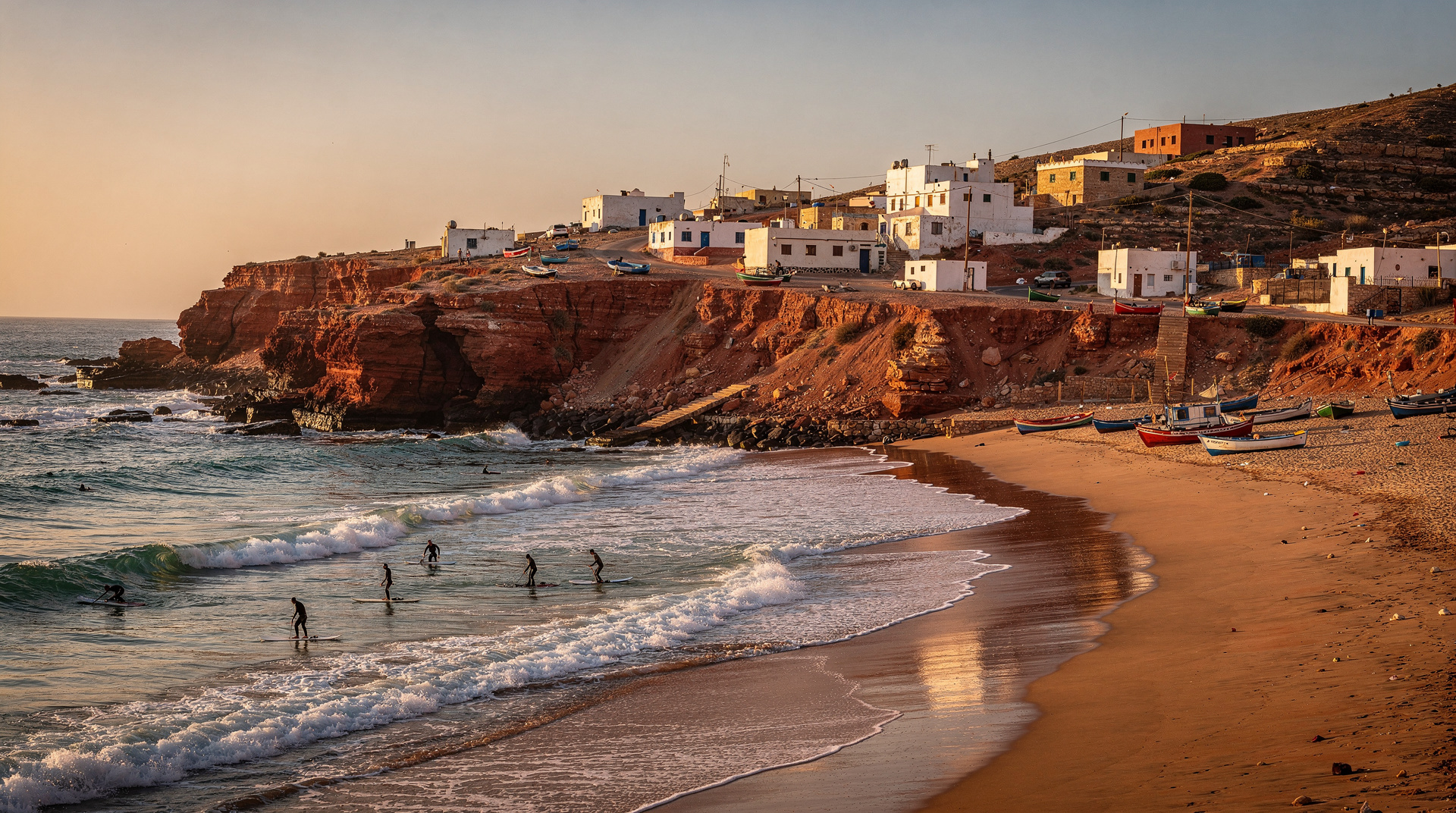
Taghazout: 35 km north of Agadir, this surf village is the most popular surf destination in Morocco, with consistent beach breaks and a thriving surf school scene. A half-day from Paradise Valley.
Tiznit: 90 km south on the N1, Tiznit is worth a morning for its silverwork souk and traditional medina.
Essaouira: 2.5 hours north on the N1, Essaouira is the Atlantic coast’s most atmospheric town — a UNESCO medina, ramparts, and one of the finest seafood restaurants in Morocco at the port. If you would rather not drive the distance yourself, a day trip from Agadir to Essaouira is an option, though it is a separate outing from the canyon.
Practical Tips
Water levels: Paradise Valley’s pools depend on winter rainfall and spring snowmelt. February through June offer the best water levels. August and early September can see the pools reduced significantly in dry years. Check with Agadir-based tour operators before going if water level is critical to your plans.
Crowds: July and August are the busiest months, when Moroccan families and European tourists both descend on the valley. Come on a weekday and arrive early (by 9 am) for the most peaceful experience. Weekends in June and September can also be busy.
The road: The R207 from Agadir climbs steeply through the Anti-Atlas foothills with hairpin bends and limited passing places in sections. Drive carefully and give way to vehicles coming downhill. A standard 2WD car handles the road without issue in dry conditions.
Slippery rocks: The pool-floor rocks are smooth and can be slippery when wet. Water sandals or old trainers are more practical than bare feet.
Children: The main pool area is suitable for children who can swim — the depth varies. Supervision at the water’s edge is essential, and young children should wear buoyancy aids in the deeper sections.
What to bring: Swimwear, a towel, water shoes, sunscreen, a water bottle, and cash (no ATMs in the valley or Imouzzer). Changing facilities are minimal to non-existent; change at your accommodation before leaving.
When to Visit
March to May is the optimum season. The pools are full from winter rains, wildflowers cover the canyon walls, the Imouzzer waterfall is flowing, and the temperatures are warm without being exhausting. The almond trees on the valley sides bloom in February–March.
September to October is also excellent — the summer heat has broken, the pools have been refreshed by any August rain, and the valley is significantly less crowded than peak summer.
December to February: The waterfalls are at their best, the canyon is lush and green, but the water is cold (15–18°C). Bring warm layers for the canyon even on mild days.
June to August: Popular with domestic tourists. Arrive early to beat the crowds at the main pool. The valley floor is shaded enough to be comfortable even in the heat.
How to Fit Paradise Valley Into a Morocco Itinerary
Paradise Valley is the quintessential Agadir day trip — close, accessible, and strikingly different from the beach resort environment. For any visitor spending more than two nights in Agadir, a full-day Paradise Valley excursion (including the drive up, the canyon swim, lunch in the valley, and a visit to Imouzzer) is the single best thing to do in the area.
For those on a longer southern Morocco itinerary including the Anti-Atlas, Paradise Valley can be incorporated into a route from Agadir toward Tafraoute — stopping for a swim in the valley en route — and then on to Tiznit, Sidi Ifni, and Legzira Beach.
Alternatively, combine it with Essaouira on a northward coastal drive: Agadir — Paradise Valley (morning stop) — drive to Essaouira arriving late afternoon. This uses the day productively without requiring a separate excursion day.
See also: the Agadir travel guide, our Souss-Anti-Atlas region guide, and our dedicated Paradise Valley day trip guide for a step-by-step plan, plus the full list of day trips from Agadir.
Paradise Valley vs Other Agadir-Area Day Trips
| Day trip | Distance from Agadir | Best for | Water/swim element |
|---|---|---|---|
| Paradise Valley | 60 km (1 hr) | Canyon swimming, palm scenery, honey tasting | Yes — natural pools |
| Taghazout | 35 km (35–45 min) | Surf lessons, beach village atmosphere | Yes — ocean |
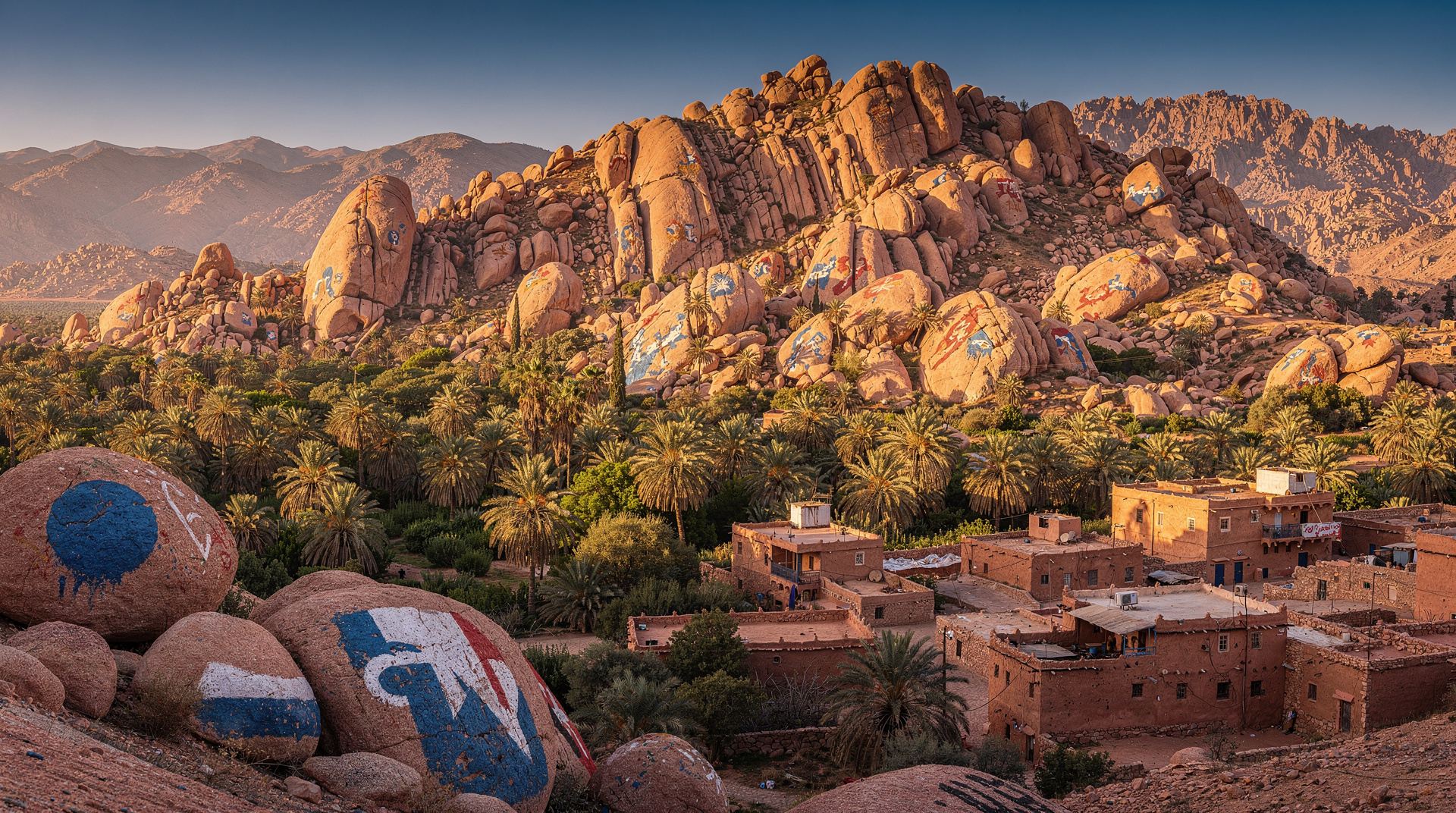
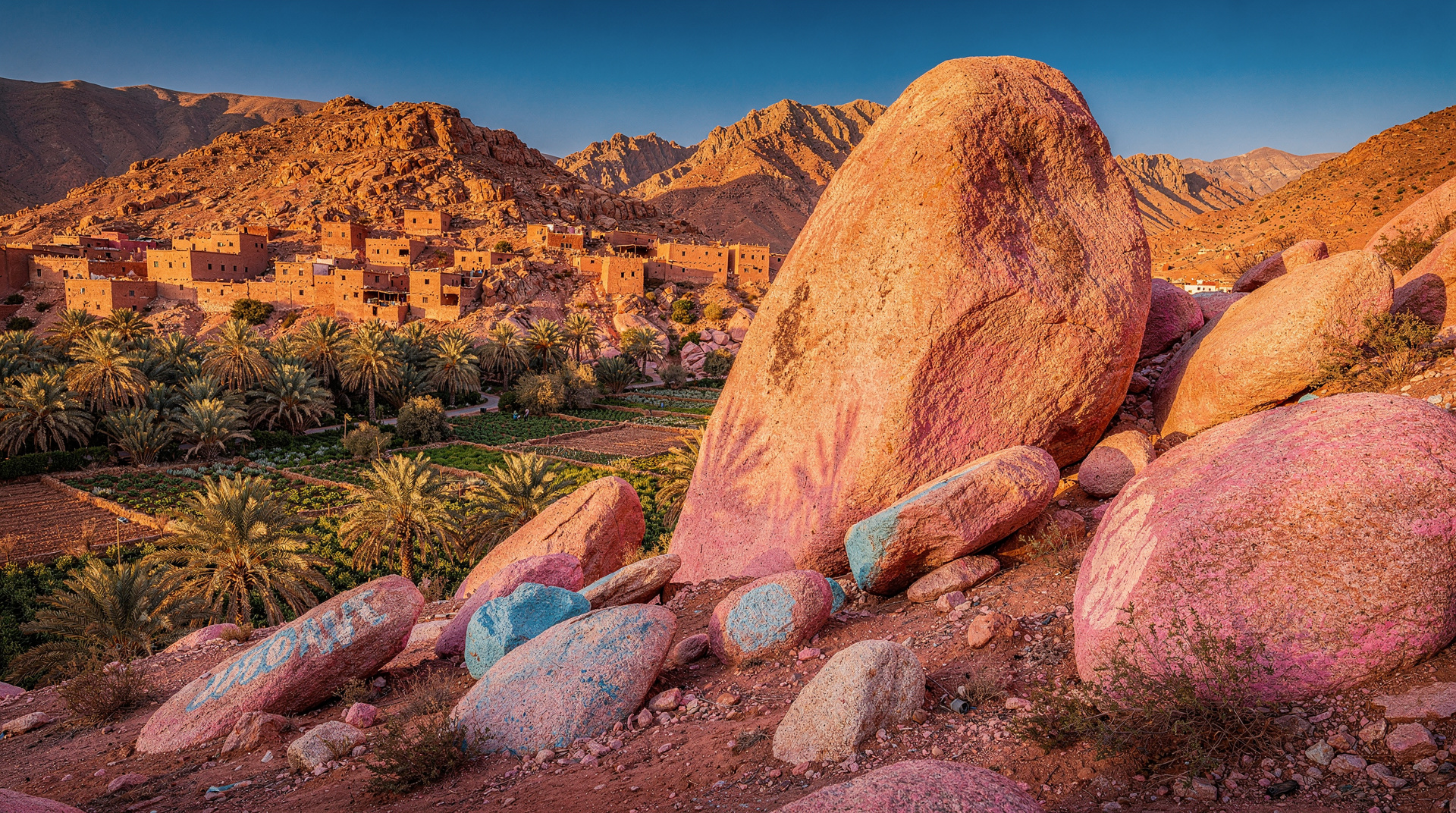
| Tafraoute | 165 km (2.5–3 hrs) | Painted rocks, Anti-Atlas mountain scenery | No |
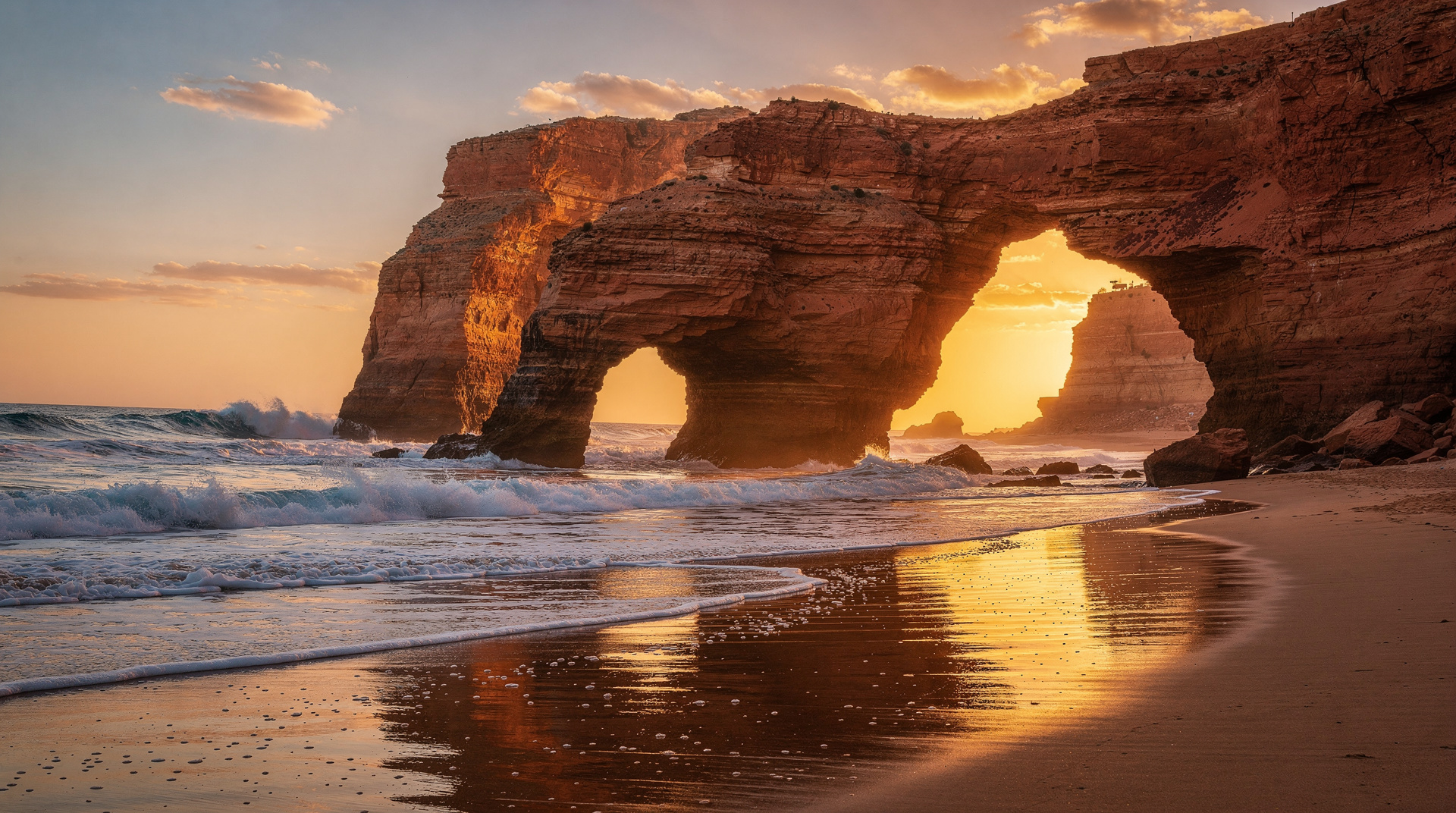
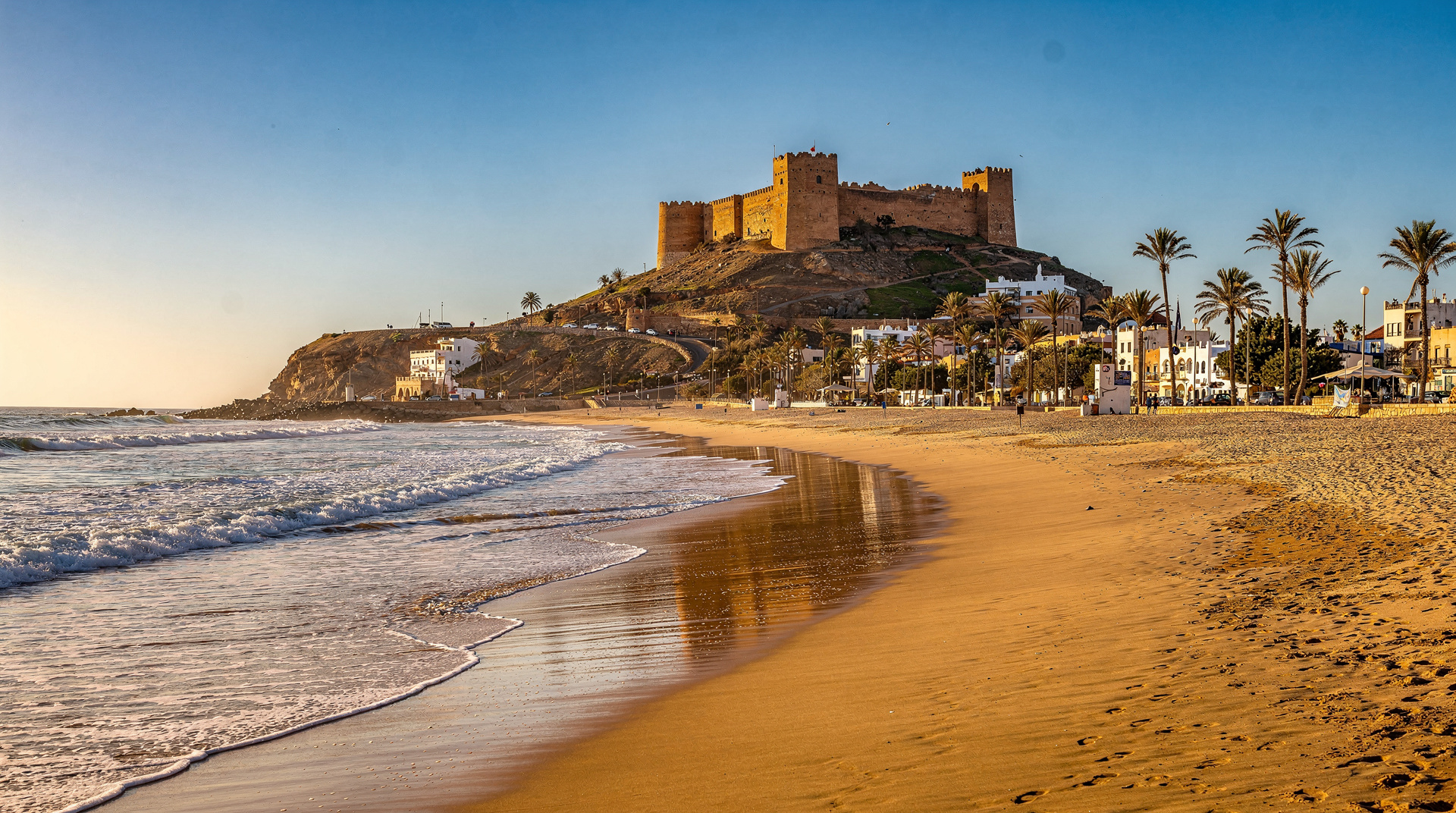
| Legzira Beach | 130 km (2 hrs) | Dramatic rock arch, quiet Atlantic beach | Yes — ocean |
Frequently asked questions about Paradise Valley Travel Guide
Is Paradise Valley worth it if I only have one day in Agadir?
Yes, for most first-time visitors it’s the single best inland excursion from the beach resort strip — the contrast between canyon swimming and the Agadir coastline is the appeal. If you’d rather stay coastal, Taghazout is the closer alternative.
Can I visit Paradise Valley without a car or organised tour?
Yes — grand taxis run from Agadir to Imouzzer des Ida Outanane for around 60–80 MAD per seat, and the pools are a 30-minute walk from there. It takes longer and requires more flexibility than a tour or self-drive, but it’s a workable budget option.