Argan oil in Morocco: cooperatives, extraction, and how to avoid fakes
Where can I visit an argan oil cooperative in Morocco?
The best cooperative experiences are along the Essaouira-Agadir road (N1 highway corridor) and in the Anti-Atlas south of Taroudant. Cooperatives typically offer free visits including a demonstration of the hand-extraction process, with sales at the end. Quality is significantly higher and prices fairer than tourist shops in Marrakech.
Morocco’s liquid gold: the argan tree and its world
The argan tree (Argania spinosa) grows in one place on earth: the Arganeraie biosphere of southwestern Morocco, covering roughly 800,000 hectares between Essaouira, Agadir, and the Souss-Massa plain. This zone — declared a UNESCO Biosphere Reserve in 1998 — is the sole source of authentic argan oil. Anything labelled “argan oil” that doesn’t originate here is either an imitation or a diluted product.
The tree itself is extraordinary. It lives for 200+ years, survives in conditions that defeat other species (poor soil, drought, temperatures from -5°C to 50°C), and the goats that climb its branches to eat the fruit — a sight that exists nowhere else in the world — are part of the ecosystem that sustains it. When a goat eats an argan fruit, the outer flesh is digested but the hard nut passes through intact. Traditionally, these nuts were collected from goat droppings to begin the extraction process, though most commercial operations now use fruit collected directly from the tree.
Understanding what argan oil is — and where it comes from — is the foundation for avoiding the tourist-shop fakes that saturate Marrakech and other major cities.
| At a glance | |
|---|---|
| Where to visit | Essaouira-Agadir road (N1) or Anti-Atlas south of Taroudant |
| Cost | No charge for a cooperative visit; 80-150 MAD per 100ml culinary oil |
| Time needed | Around 45-90 minutes for a roadside cooperative stop |
| Getting there | Self-drive or a combined day trip from Essaouira/Agadir |
| Best pairing | Combine with an Essaouira or Agadir day trip |
The two types of argan oil: critical distinction
This is the most important thing to understand before you buy a bottle:
Culinary argan oil is made from roasted argan kernels. The roasting gives it a deep amber colour and a rich, nutty flavour — often compared to roasted pumpkin seed oil or dark sesame oil. It’s used in cooking, drizzled over couscous and salads, blended into amlou (the Moroccan almond-argan paste eaten with bread), and stirred into savory preparations. It should not be heated to high temperatures — use it like a finishing oil.
Cosmetic argan oil is made from unroasted (cold-pressed) kernels. It’s a lighter, golden colour with almost no flavour or smell. It’s used in skincare, haircare, and beauty products. It is not for cooking — the flavour is neutral and the nutritional composition is different from the culinary version.
Tourist shops in Marrakech often sell bottles labelled simply “argan oil” without specifying which type, at prices that range from genuinely cheap (suspect) to moderately premium (may be real). The inability to distinguish the two is the main reason visitors end up with the wrong product or a fake.
What fake argan oil looks like
The global argan oil market is worth over $700 million and growing. Where there’s money, there’s adulteration. Common fraud forms:
Dilution with other oils: Pure argan oil is blended with cheaper oils — sunflower, peanut, or ordinary olive oil — and sold as 100% argan. A visually identical bottle can contain anywhere from 20% to 95% actual argan oil.
Old or improperly stored oil: Argan oil goes rancid relatively quickly (6-18 months for culinary, 12-24 months for cosmetic). Old oil smells musty or acrid rather than nutty. Some tourist shops rotate stock rarely.
Mineral oil or synthetic carriers (in cosmetic products): “Argan oil” skincare products may contain argan as a minor ingredient while the primary carrier is mineral oil or silicone. Legally compliant but misleading.
Price signals: Pure culinary argan oil retails at cooperatives for 80-150 MAD per 100ml. If you’re being offered something cheaper in a tourist shop, question what’s in the bottle. Cosmetic-grade argan is similarly priced.
How to recognise genuine argan oil
Smell: Culinary argan smells distinctly of roasted nuts — warm, toasty, similar to roasted sesame. If it smells neutral, it may be cosmetic grade. If it smells stale or musty, it’s old or adulterated.
Colour: Culinary argan is amber-brown. Cosmetic argan is light golden. Both should be clear, not cloudy (cloudiness can indicate contamination or improper processing).
Label: Look for COSUMAR (Moroccan standards certification) or ECOCERT (organic certification). The label should specify the origin (Arganeraie region) and production date. Cooperative products often include the cooperative’s name and registration number.
The rancidity test: A small amount of culinary argan oil on the wrist should smell nutty and warm. If it smells slightly sour or “off” after a minute, the oil is rancid.
Price paid at cooperatives: The cooperative price is a reliable benchmark. Anything sold for significantly less in Marrakech tourist shops deserves scepticism.
Women’s cooperatives: visiting and what to expect
The argan cooperative model emerged in the 1990s as a way to formalise women’s traditional role in argan oil production while providing fair wages, profit sharing, and social benefits (including literacy programmes) to members. Today, roughly 50 cooperatives operate in the Arganeraie zone, employing thousands of women who would otherwise have limited economic options.
A cooperative visit typically includes:
The extraction demonstration: A cooperative member shows you each stage of the process — cracking the hard argan nut with two stones (a skill that takes years to develop efficiently), extracting the kernel, grinding the kernels in a stone mill (traditional method), and kneading the paste with water until the oil separates. The full process to produce 1 litre of culinary argan oil requires approximately 15 hours of manual labor from 30kg of fruit. This is why genuine argan oil is expensive.
The product range: Beyond pure oil, cooperatives sell amlou (argan, almond, and honey paste — exceptional with bread), savon beldi (black soap), cosmetic argan preparations, and sometimes saffron and other regional products.
The purchase: No obligation to buy, but products are priced fairly at cooperative retail rates. This is the most reliable place to buy genuine argan oil in Morocco. Prices are posted clearly; there is no bargaining (it’s a cooperative, not a souk).
Where to visit cooperatives: best locations
Along the Essaouira-Agadir road (N1)
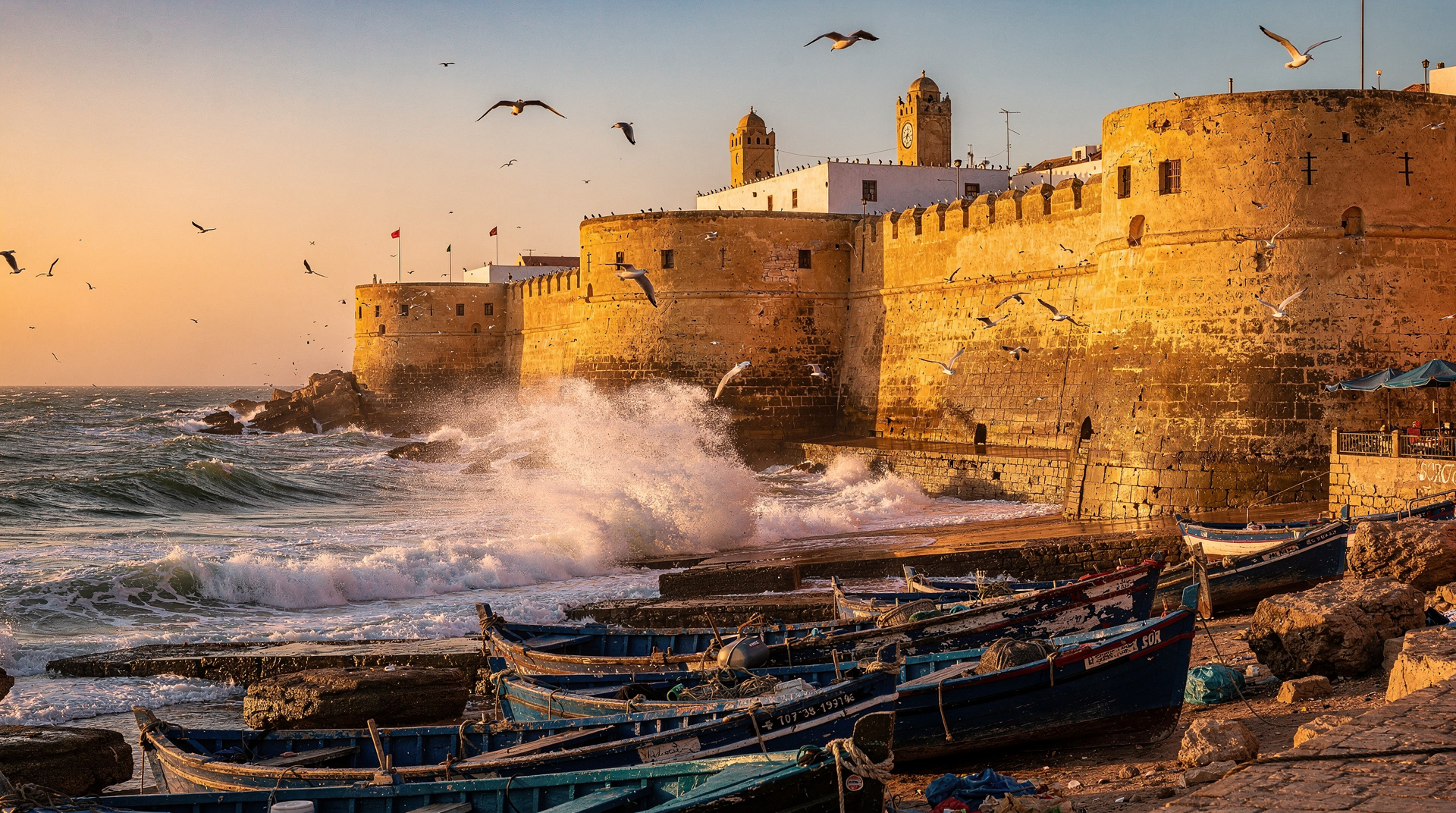
The coastal highway between Essaouira and Agadir passes through the heart of the Arganeraie. A string of cooperatives and argan-related stops sits along this route, making it a natural corridor for a self-drive visit or a combined Essaouira/Agadir day trip.
The cooperative Marjana, based near Ounagha village (approximately 35km south of Essaouira), is one of the most visited and organised — it’s on the main road, has clear signage, and the demonstration is thorough. The same applies to Cooperative Amal near Tizgzaouine.
If you are staying in Essaouira, it makes sense to pair the cooperative stop with a guided medina walking tour in Essaouira, which gives useful context on the town’s trading history before you head out along the coast.
How to visit: Roadside cooperatives welcome visitors without advance booking. Pull up, introduce yourself at the entrance, and someone will begin the demonstration within a few minutes. Time required: 45-90 minutes including the demonstration and shopping.
The Anti-Atlas south of Taroudant
Further inland, the Anti-Atlas mountains south of Taroudant contain more remote cooperative operations that receive fewer visitors and offer a more authentic experience — smaller facilities, often a single family-run setup, with less of the organised-tour feel of the roadside operations.
These visits require either a private vehicle or a combined tour from Agadir or Taroudant. The road south from Taroudant through the Anti-Atlas toward Tata passes through argan territory with cooperative signage.
Join a guided tour from Agadir to explore local markets and argan productionCooperative Tiguemine, near Agadir
One of the oldest cooperatives (founded 1996), Tiguemine is located outside Agadir toward the Souss Massa plain. More commercially developed than roadside cooperatives, with an organised visitor programme and English-speaking staff. A good option for visitors based in Agadir who want to visit without driving into the countryside.
Culinary uses: how Moroccans actually use argan oil
Understanding how argan oil is used in Moroccan cooking helps you appreciate what you’re tasting in restaurants — and what to do with the bottle you bring home:
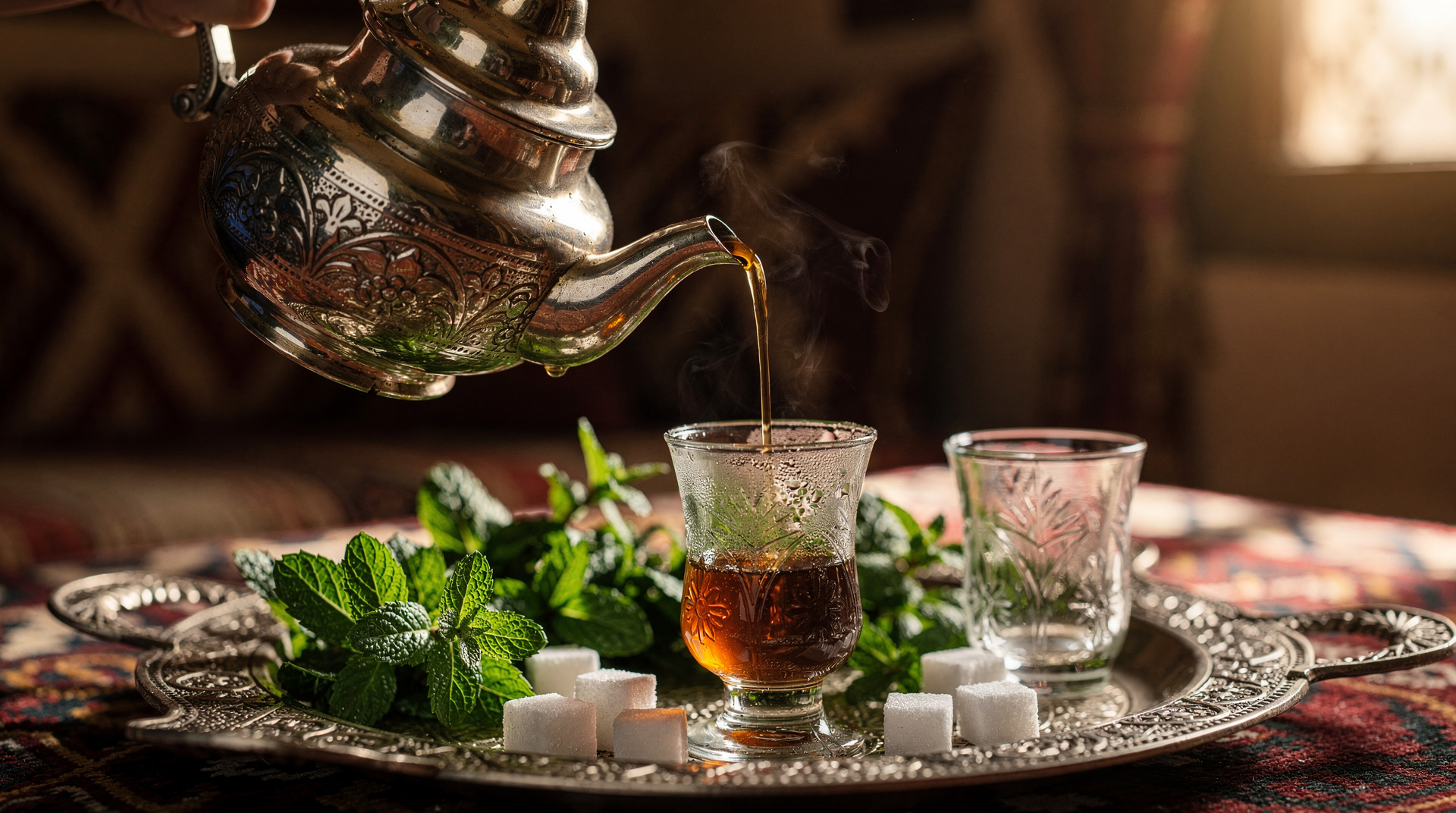
Amlou: The most traditional use — a paste made from ground toasted almonds, honey, and culinary argan oil, served in a small bowl with bread for breakfast or as an accompaniment to mint tea. The consistency is similar to natural peanut butter. Made from scratch, it’s extraordinary. The commercial versions sold in cooperatives are good; the home-made versions you may encounter in riads are exceptional.
If you would like to cook with argan oil yourself, a traditional Moroccan cooking class with a market visit in Marrakech is one option, though check with the organiser whether argan oil features in the menu.
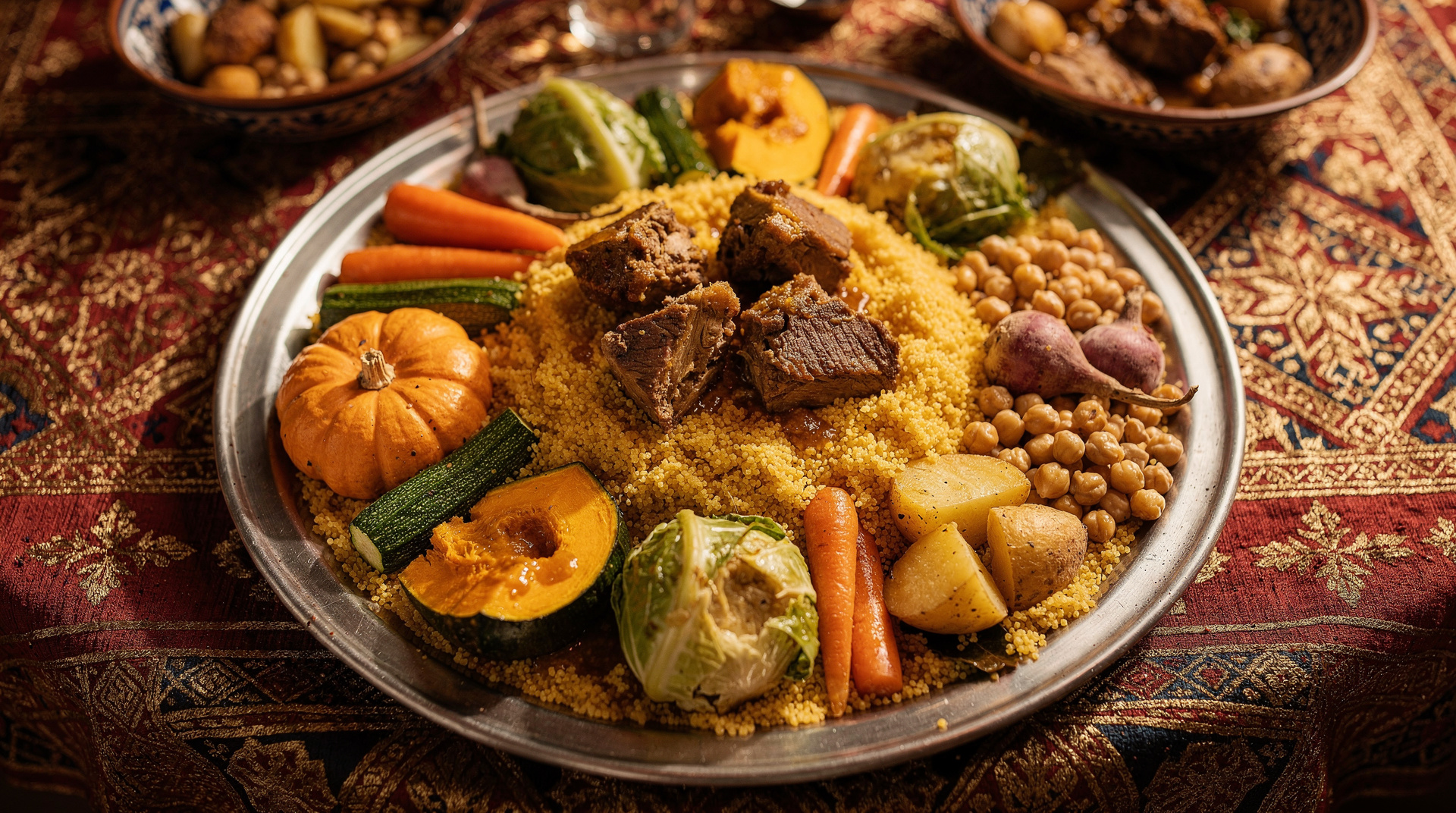
Drizzled on couscous: A finishing drizzle of culinary argan over Friday couscous is traditional in the Souss-Massa region. The nut flavour plays against the sweetness of the vegetables and the richness of the broth.
In salad dressings: Mixed with lemon juice, garlic, and preserved lemon, argan makes an excellent Moroccan salad dressing that complements both cooked vegetable salads (zaalouk, taktouka) and fresh herb preparations.
With eggs: A simple Moroccan breakfast preparation — fried eggs in olive oil, finished with a drizzle of argan and some cumin salt. Common in traditional riads and village cooking.
In bastilla and complex dishes: Some versions of pastilla and other Fassi pastry preparations use a small amount of culinary argan for depth of flavour. It’s a background note, not a dominant presence.
Buying argan oil: practical guide
Best places to buy (in order of reliability):
- Directly from a cooperative in the Arganeraie region
- Cooperative-certified shops in Essaouira and Agadir medinas
- Amal Women’s Training Center in Marrakech (sources from verified cooperatives)
- Carrefour or Marjane supermarkets (look for certified brands with clear labelling)
- Tourist shops in Marrakech medina (use the quality checks described above)
Quantities to consider: Culinary argan oil is perishable — 100-250ml is a practical amount to bring home if you won’t use it quickly. Cosmetic argan keeps longer. Both should be stored in a cool, dark place.
Customs and import: Argan oil is classified as a food product and can be brought through European and North American customs in standard quantities (under 1 litre in checked luggage, within liquid limits in carry-on). Keep your cooperative receipt as proof of purchase if asked.
Price reality check at cooperatives: 100ml culinary argan: 80-120 MAD. 200ml culinary argan: 150-200 MAD. 100ml cosmetic argan: 100-140 MAD. 250g amlou paste: 60-100 MAD.
Argan oil and the broader Moroccan food story
The argan experience connects naturally to several other food and culture threads in Morocco. The food tours in Essaouira guide covers the coastal food culture that uses argan extensively. The cooking classes in Marrakech guide explains how argan appears in traditional recipes. The mint tea ritual guide covers the broader context of Moroccan food culture.
For visitors building a southern circuit, the Essaouira-Agadir corridor that passes through cooperative territory makes sense combined with the Atlantic coast destination guides and a possible excursion toward Taroudant. The Agadir day trips section covers how to structure this.
Frequently asked questions about Argan oil in Morocco
Is argan oil at cooperative shops cheaper than in Marrakech?
Yes, typically 20-40% cheaper, and significantly more reliable in quality. The Marrakech tourist shop markup is real, and the reliability of the product is lower.
Can men visit women’s cooperatives?
Yes. Cooperatives welcome all visitors. The demonstration is usually given by a cooperative member and the visit is entirely public. Male visitors are not unusual.
How long does argan oil last?
Culinary argan: 6-12 months once opened, stored in a dark, cool place. Cosmetic argan: 12-24 months. Both degrade faster in heat and sunlight — do not leave bottles on a sunny windowsill.
Is argan oil worth the price?
For culinary use, genuine argan oil is a truly unique flavour with no real substitute — nothing else tastes like it. For cosmetic use, the science on argan’s skincare benefits is solid, though the marketing claims are often exaggerated. Whether it’s worth the price depends on how much you value genuinely distinctive ingredients.
Can I visit an argan cooperative as part of a day trip from Marrakech?
Not easily — the Arganeraie zone is centred on Essaouira and Agadir, both several hours from Marrakech, so a dedicated cooperative visit doesn’t fit a Marrakech day trip. Travellers based in Marrakech usually encounter genuine argan products either through the Essaouira day trip from Marrakech (roadside cooperatives sit along the route) or by buying from a vetted source like the Amal Women’s Training Center in the city itself.
Does it matter which cooperative I choose?
To some degree. Longer-established, roadside cooperatives like Marjana or Amal near Essaouira are well organised and used to visitors, while more remote Anti-Atlas cooperatives offer a quieter, more authentic visit but require more effort to reach. Both are legitimate; the choice is really about how much time and driving you want to invest versus how commercial an experience you’re comfortable with.
Combining an argan visit with the wider Anti-Atlas
Travellers exploring the Anti-Atlas around Tafraoute will find themselves passing through argan and almond territory throughout the region — the two crops share growing zones in the Souss foothills. If mountains and cooperatives both interest you, base yourself in Tafraoute for a couple of days and ask your guesthouse to point you toward a nearby family-run cooperative rather than driving back to the busier N1 corridor. For trekkers doing the Anti-Atlas trekking circuit, a cooperative stop makes a natural rest-day activity between hiking days.