Best cooking classes in Marrakech: the honest guide
Which cooking class in Marrakech is best?
La Maison Arabe is the most polished premium option (100-120€). Souk Cuisine excels for market-immersion formats. Amal Women's Training Center is the best value with strong social impact. All three teach tagine, couscous, and pastilla — the choice depends on budget and how hands-on you want to go.
Why take a cooking class in Marrakech
| At a glance | |
|---|---|
| Where | La Maison Arabe (medina), Souk Cuisine (medina), Amal Center (Guéliz), or independent riads |
| Cost | Around 40-120€ per person depending on venue |
| Time needed | 3 hours for a standard class, 4-5 hours with a market visit |
| Getting there | Walk from a medina riad, or a short taxi to Guéliz for Amal Center |
| Best time | Year-round; book 2-3 days ahead in March-May and October-November |
Marrakech is Morocco’s culinary capital, and the best way past surface-level tourism is learning to cook what you’re eating. A good cooking class does three things at once: it teaches you technique, gives you access to a riad kitchen or rooftop terrace most visitors never see, and hands you the context to actually understand what you taste in restaurants. You’ll go home being able to make a proper tagine — which is more than most visitors can say after a week in the medina.
The market for cooking classes in Marrakech ranges from genuine culinary schools staffed by professional chefs to casual riad sessions where a local host shows you three dishes before lunch. This guide focuses on the formats that consistently deliver for travellers with different budgets and expectations.
What you’ll cook: the Moroccan kitchen basics
Every serious Marrakech cooking class covers the same core repertoire. Understanding what’s on the menu before you book helps you pick the class that matches your interests.
Tagine: Morocco’s defining dish is a slow-braised stew cooked in its iconic conical clay vessel. The lid traps moisture and returns it to the pot, keeping chicken, lamb, or vegetables tender without constant attention. Classic variations include chicken with preserved lemon and olives, lamb with prunes and almonds, and kefta (minced beef) with eggs and tomato. Every class teaches at least one tagine.
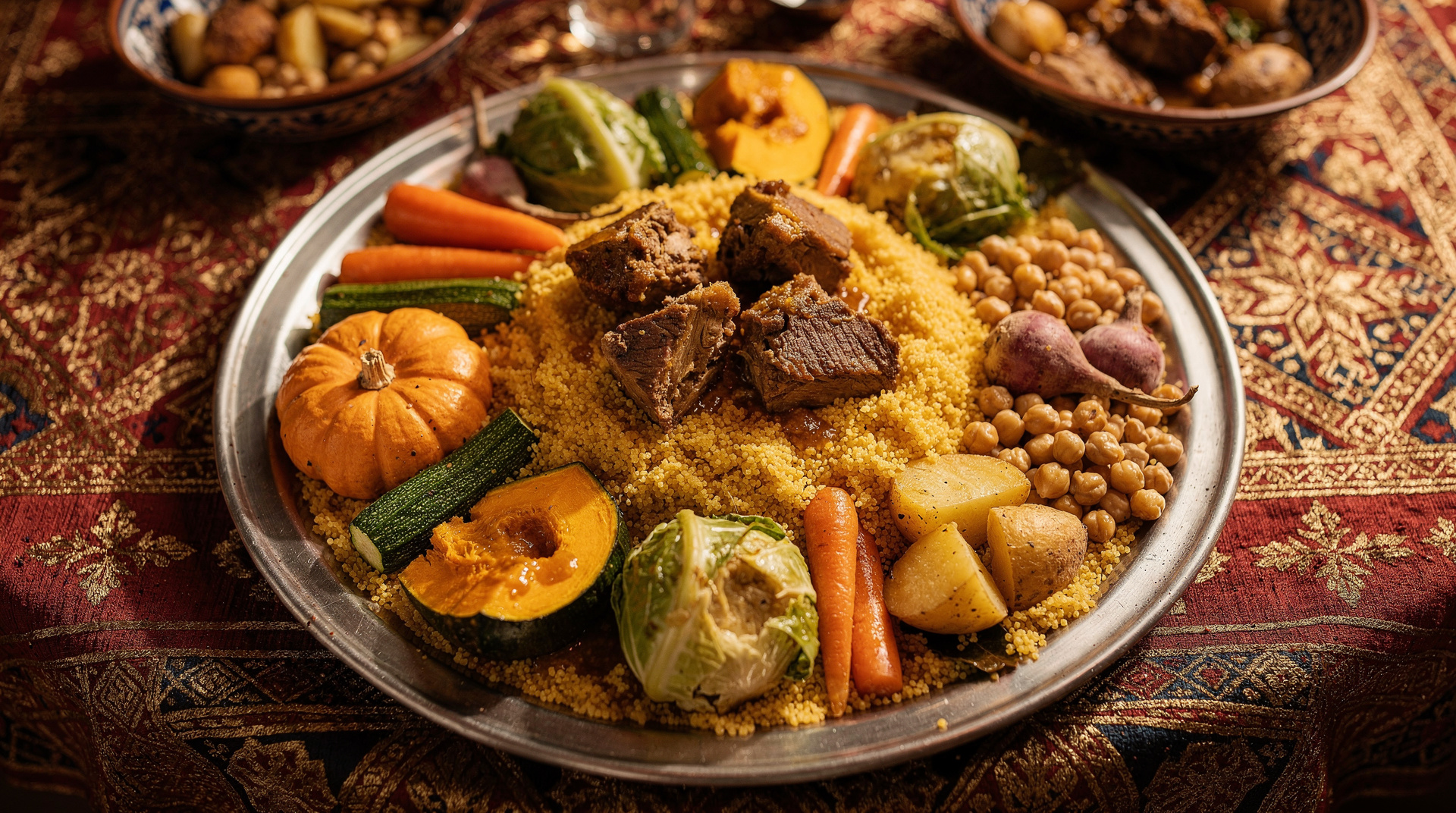
Couscous: The national dish of Friday — traditionally served for the communal family lunch after mosque prayers. Real couscous is hand-rolled from semolina and steamed multiple times, not poured from a box. A proper couscous lesson takes 3-4 hours and teaches you why the instant version tastes nothing like the real thing.
Pastilla: The great showpiece of Moroccan cooking — a paper-thin warqa pastry pie filled with pigeon (sometimes chicken), almonds, saffron-spiced eggs, and dusted with cinnamon and powdered sugar. The contrast of savoury and sweet, crisp and yielding, is one of Morocco’s greatest culinary achievements. Not every class teaches it; seek out the ones that do.
Harira: The tomato and lentil soup that sustains Morocco through Ramadan and beyond. Deceptively simple, deeply spiced with ginger, turmeric, and fresh herbs.
Briouates: Small triangular or cylindrical pastry parcels filled with minced meat, cheese, or kefta. A solid addition to any mezze spread.
Moroccan salads: What arrives before the main course — cold and warm vegetable preparations like zaalouk (smoky aubergine), taktouka (roasted peppers and tomatoes), and carrot salad with cumin. Often overlooked, always worth learning.
The market visit format: where food starts
The best cooking classes in Marrakech begin before you enter a kitchen. A market visit — typically 1-2 hours in the medina souks or a neighbourhood food market — teaches you to shop for ingredients the way Moroccan home cooks do.
You’ll visit the spice vendors (ras el hanout, preserved lemons, orange blossom water), the butcher, the herb stalls, and the produce section. A guide explains what to look for in fresh coriander versus dried, why quality argan oil looks and smells different from the tourist-shop versions, and which spice blends are pre-mixed shortcut versions versus the real thing.
This market visit format adds 60-90 minutes to the class but significantly deepens the learning. If you have a choice between a kitchen-only class and a market-plus-kitchen class at a similar price, take the market version.
Book a traditional Moroccan cooking class with market visit in MarrakechLa Maison Arabe: the premium experience
La Maison Arabe is Marrakech’s oldest hotel and one of its most historically significant — a riad that has been hosting international guests since 1946. The cooking school operates from a dedicated kitchen space staffed by professional Moroccan chefs, not improvised riad sessions.
What you get: Small groups (maximum 8 people), professional instruction, printed recipe cards to take home, a proper kitchen setup with individual workstations, and a sit-down lunch of everything you cooked with wine or mint tea.
What you cook: The curriculum rotates but consistently covers tagine, briouates, a complex Moroccan salad selection, and typically pastilla or couscous as the centrepiece dish. Sessions run approximately 3 hours.
Price: 100-120€ per person depending on session and group size. This is the top end of the Marrakech cooking class market, and the quality reflects it.
Best suited to: Travellers who want a genuinely professional culinary experience in a beautiful setting. The kitchen is immaculate, the instruction is precise, and the riad itself is worth the visit even if you didn’t cook a thing.
Location: Rue Fatima Zohra, in the heart of the medina near the northern souks.
Book the La Maison Arabe cooking workshop in MarrakechSouk Cuisine: the market-immersion specialist
Souk Cuisine has built its reputation specifically around the market-visit format. The class starts with a medina market tour led by a local guide who knows exactly which vendors to visit, then moves to a riad kitchen where the morning’s purchases become the meal.
What you get: A medina market walk (1.5 hours), hands-on cooking session (2 hours), and a shared lunch of everything prepared. Groups are small — typically 4-8 people. The format emphasises learning about ingredients and sourcing, not just technique.
What you cook: Three to four dishes chosen by the chef based on the market day’s best produce. You always cook a tagine. Salads, soup, and a pastry course typically round it out.
Price: 75-90€ per person. Good value for the immersiveness of the format.
Best suited to: Travellers who want to understand Moroccan food culture, not just the recipe. The market portion is as valuable as the cooking itself. Also good for those interested in where ingredients come from and how local food markets operate.
Amal Women’s Training Center: social impact cooking
Amal (which means “hope” in Arabic) is a nonprofit restaurant and culinary training center in Marrakech’s Guéliz neighbourhood. It trains vulnerable women — including domestic violence survivors and economically marginalised single mothers — in professional cooking and hospitality skills.
Booking a cooking class here does two things: you learn to cook authentic Moroccan food, and your money directly supports the centre’s training programmes.
What you get: A hands-on cooking lesson covering 4-5 Moroccan dishes, ingredients included, with lunch afterwards. Classes run in the centre’s bright, modern kitchen. Instruction is in English (with translation when needed).
What you cook: Traditional Moroccan dishes — tagine, couscous, salads, harira — with a strong emphasis on home-cooking techniques rather than restaurant-style presentation.
Price: 40-60€ per person. The most affordable of the quality options in Marrakech, with every dirham going to a legitimate social cause.
Best suited to: Budget-conscious travellers, solo travellers who want a genuinely local atmosphere rather than a polished tourist format, and anyone who cares about where their money goes. The food is excellent and the staff are warm.
Location: Rue Allal Ben Ahmed, Guéliz (the modern district), a 15-minute walk from the medina or a short taxi ride.
Riad-based cooking classes: the mid-range option
Beyond the three main operations above, dozens of riads in Marrakech offer cooking classes hosted by the riad’s cook or a local home chef. These vary enormously in quality — some are excellent, many are perfunctory.
The key markers of a quality riad class:
- Maximum 6-8 students (not a demonstration for 20 people)
- You actually cook, not just watch
- The menu includes at least one dish that requires time and technique (not just a salad assembly)
- Recipe cards or a handout to take home
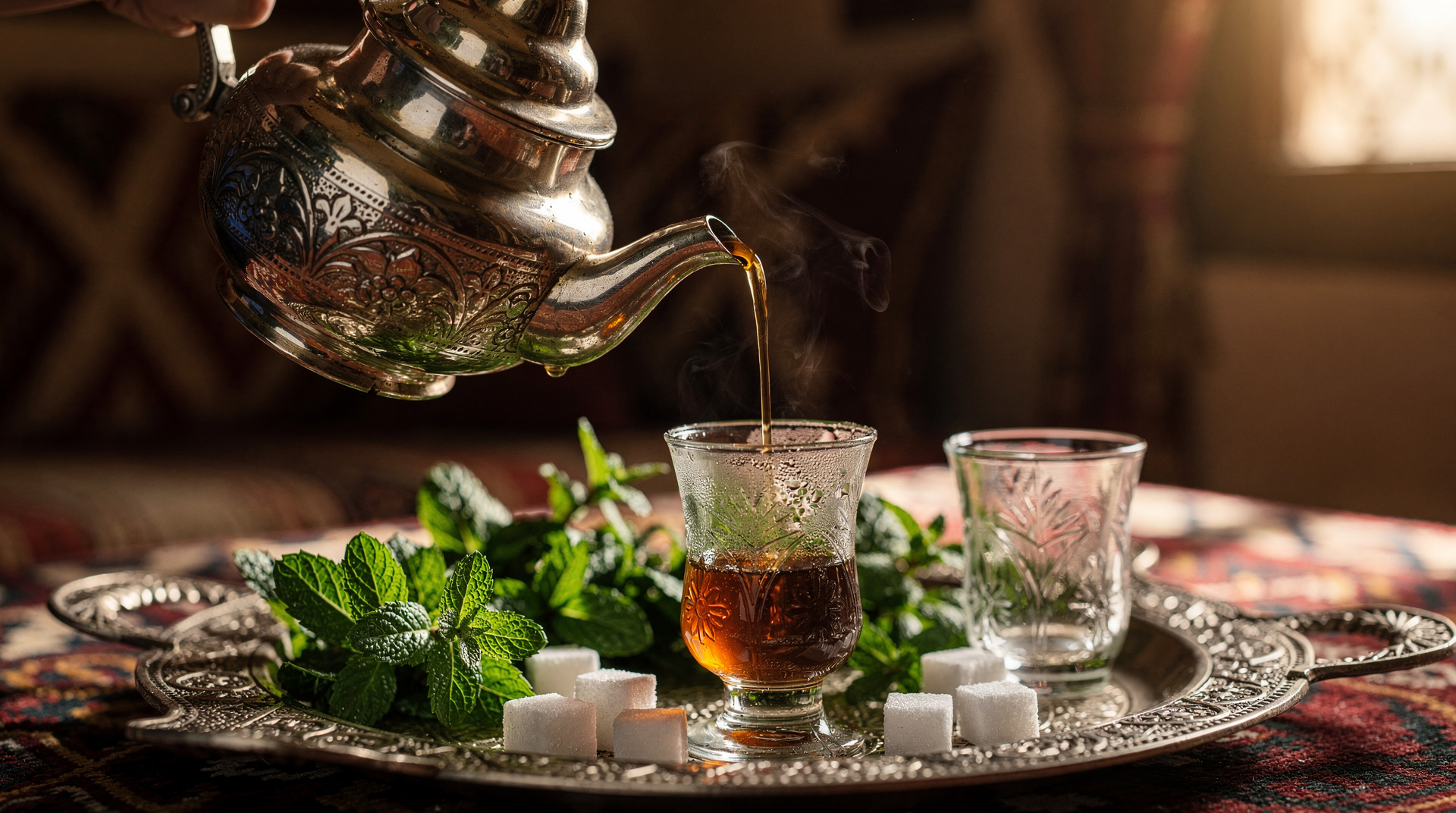
- The lunch includes everything you cooked, plus mint tea
Price comparison at a glance
| Option | Price per person | Market visit | Group size | Setting |
|---|---|---|---|---|
| La Maison Arabe | 100-120€ | No | Max 8 | Boutique hotel kitchen |
| Souk Cuisine | 75-90€ | Yes (1.5h) | 4-8 | Riad kitchen |
| Amal Center | 40-60€ | No | Varies | NGO training kitchen |
| Standard riad class | 50-80€ | Sometimes | 4-12 | Private riad |
Prices are per person and typically include all ingredients, equipment, and a meal of everything cooked. Drinks are sometimes extra at premium venues.
What to know before you book
Book at least 2-3 days ahead for La Maison Arabe and Souk Cuisine — sessions fill up, especially in peak season (March-May and October-November). The Amal Center is slightly easier to book on shorter notice.
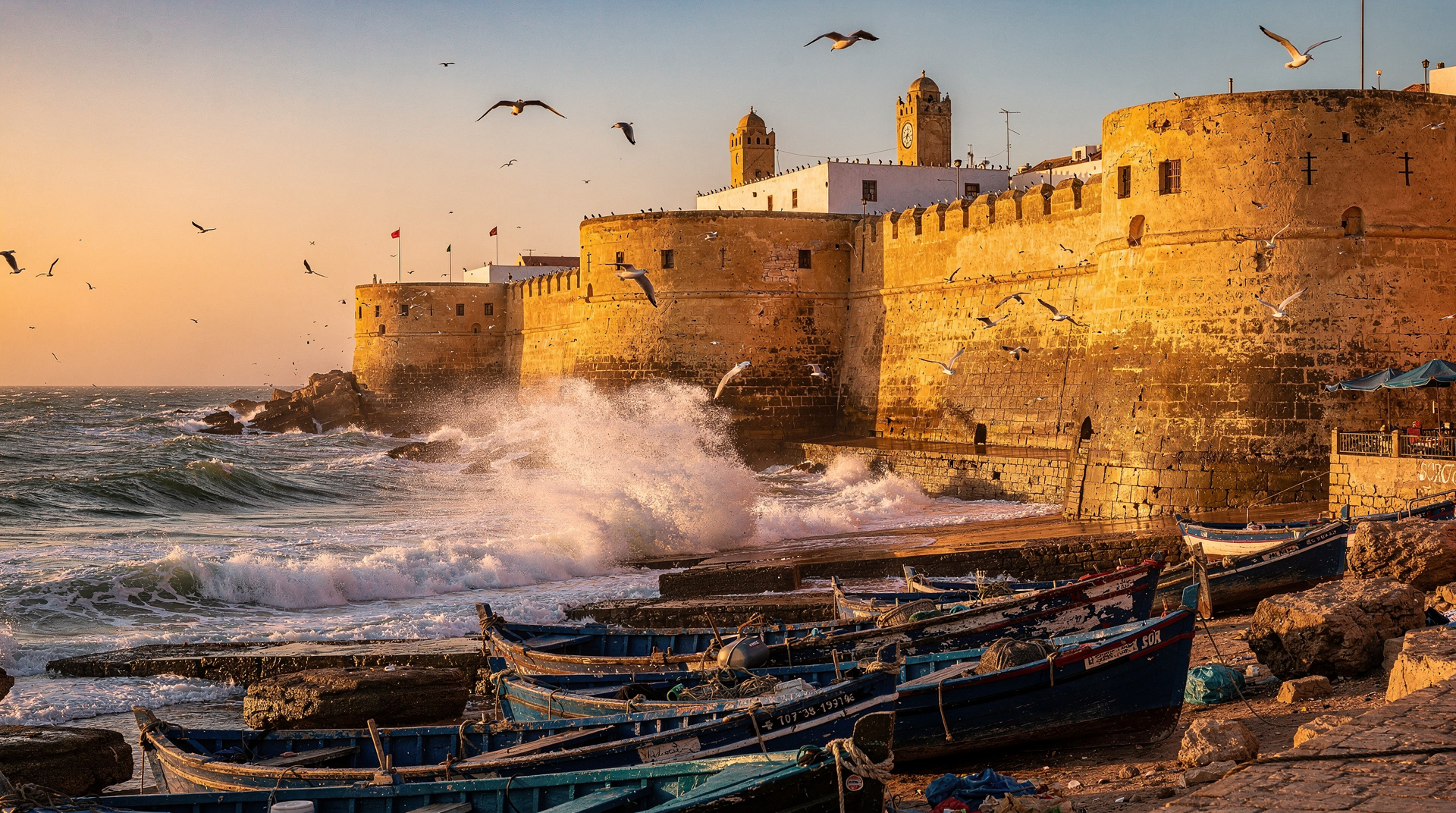
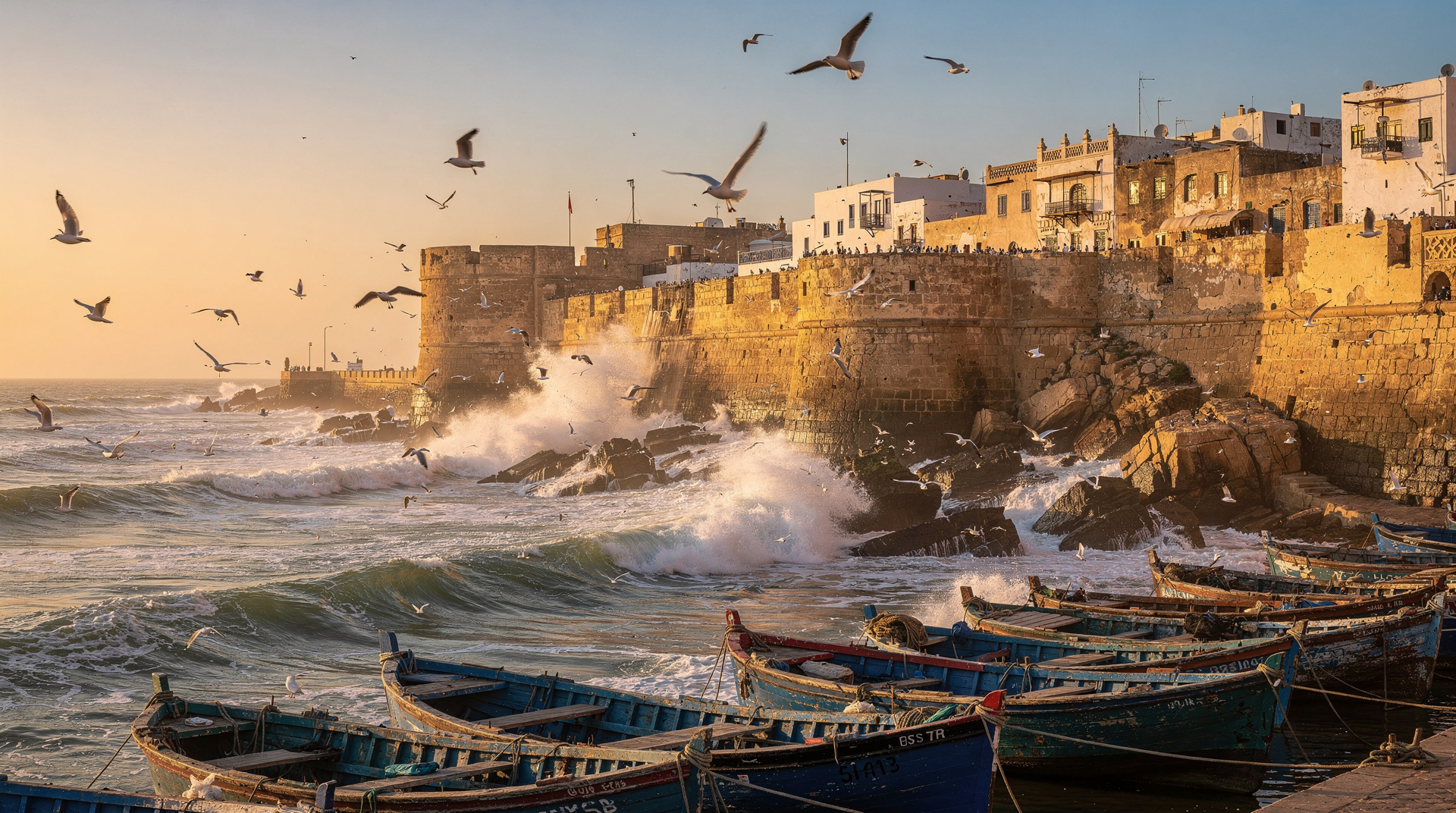
Dietary requirements: All operators accommodate vegetarian participants without issue. Gluten-free and vegan requests require advance notice. Seafood-focused classes are rare in Marrakech (you want Essaouira for fish-centric cooking).
Wear appropriate clothing: You’ll be in a kitchen. Comfortable, slightly loose clothing is better than a dress or formal trousers. Aprons are provided.
Language: All classes listed here operate in English. Some also offer French-language sessions — check at booking.
What’s actually “hands-on”: Ask this specifically when booking. “Demonstration class” means you watch. “Hands-on” means you make the dough, debone the chicken, and pound the spices yourself. The difference in learning and satisfaction is significant.
Extending your food education in Marrakech
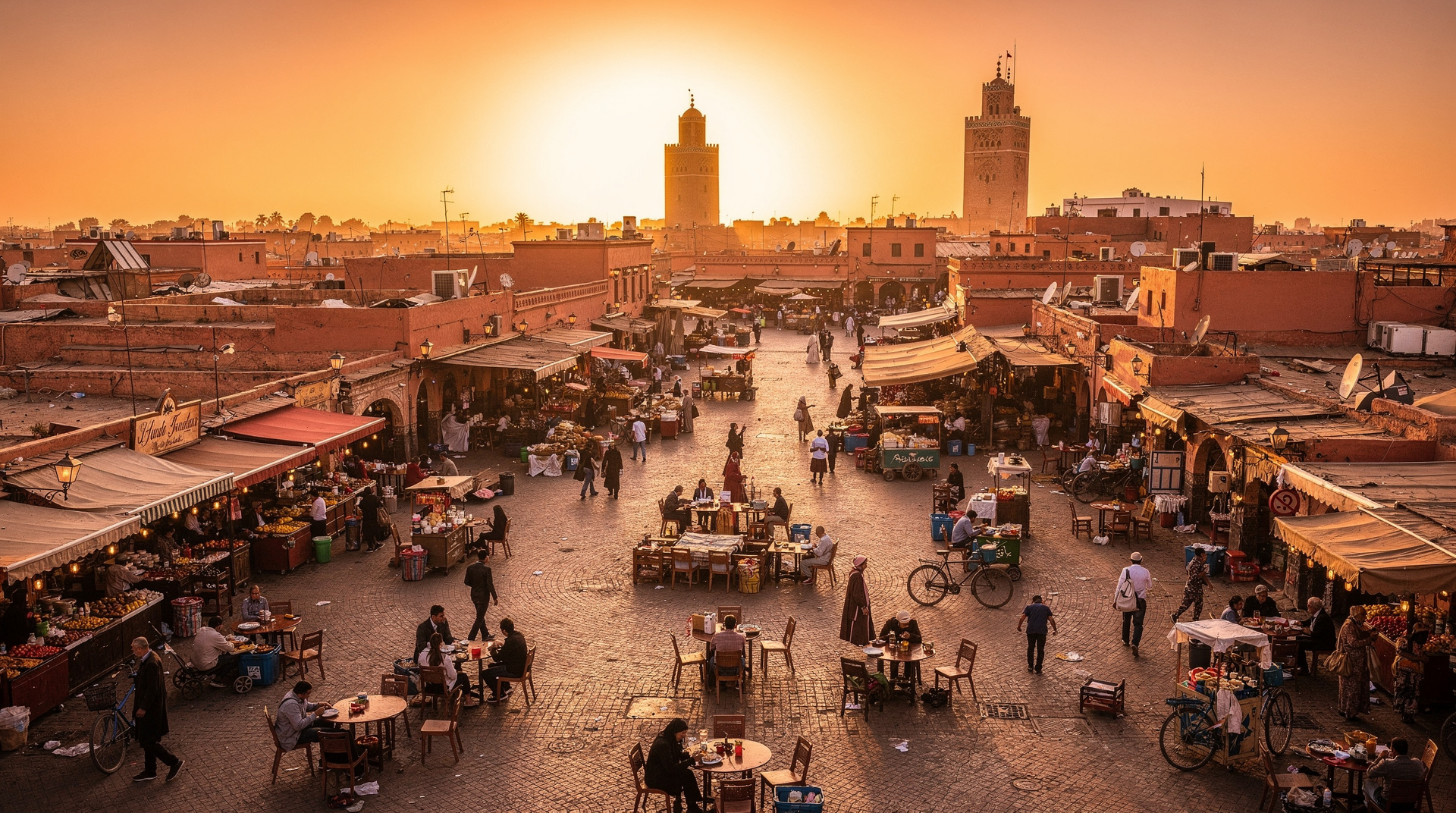
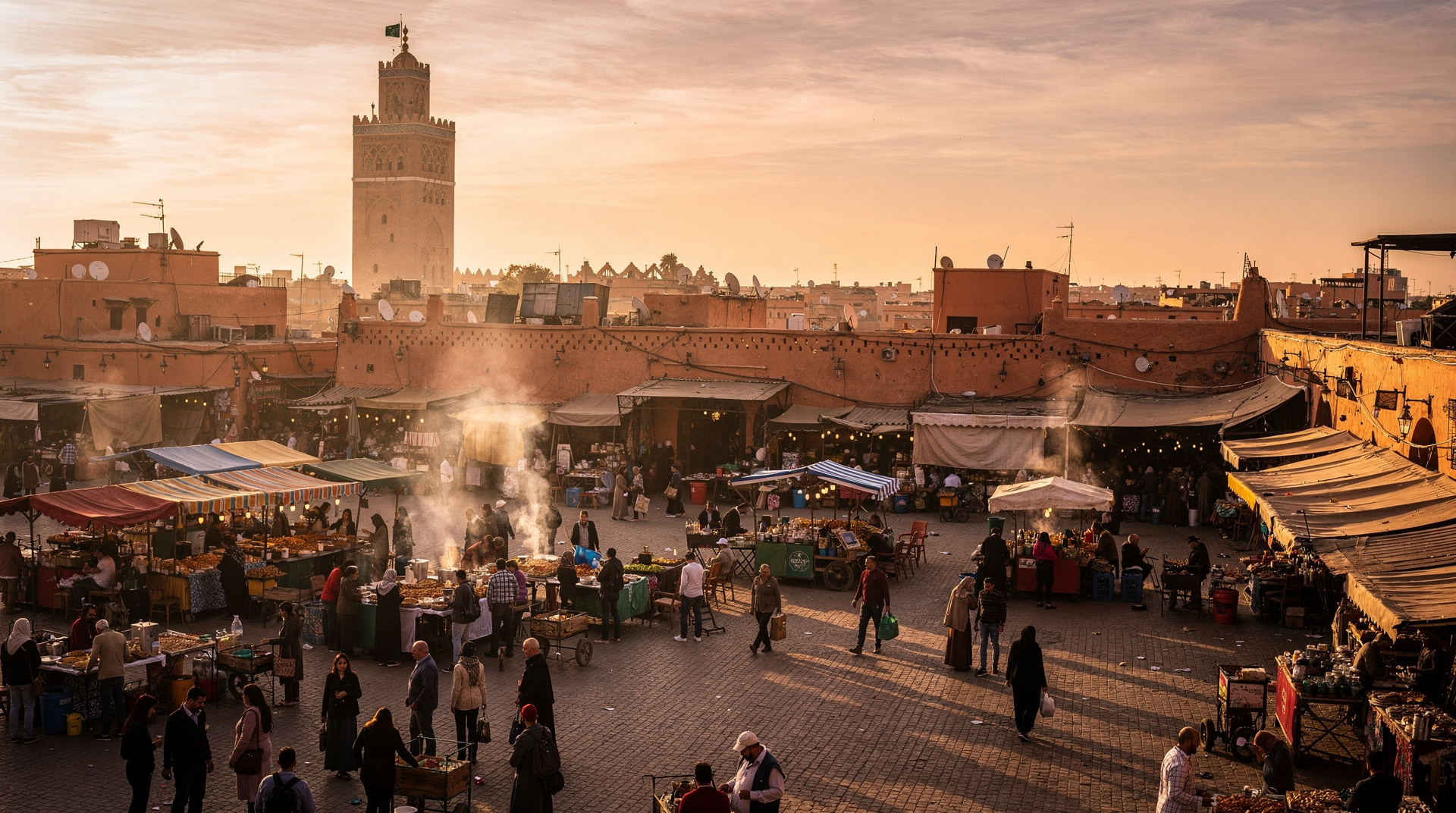
A cooking class pairs well with a street food tour of Marrakech — ideally the cooking class in the morning and the food tour in the evening, so you can compare professional preparation with street vendor technique. Jemaa el-Fnaa’s evening food stalls are the best follow-up class that exists, and they’re free to explore.
If argan oil features prominently in your class (it’s used in bastilla and sweet dishes), the argan oil cooperative guide explains how to evaluate genuine products versus tourist-shop fakes — useful for shopping after your class.
For the full Marrakech food picture, the medina cooking scene connects directly to the city’s souk infrastructure. The Marrakech destination guide covers how the souks, food markets, and restaurant neighbourhoods relate to each other geographically.
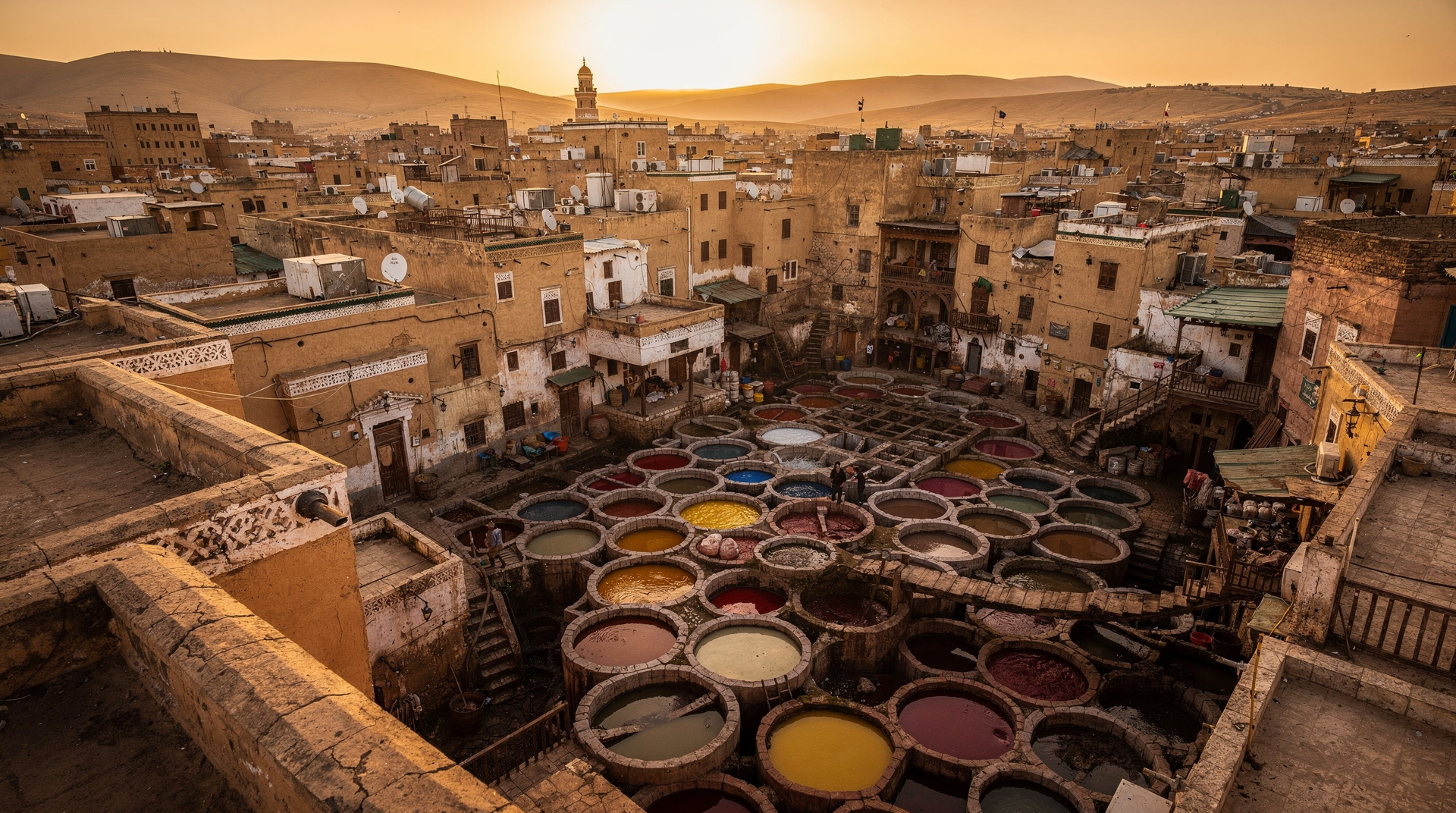
If you’re deciding between Marrakech and Fes for your class, the cooking classes in Fes guide covers the smaller, more intimate riad format found in the older imperial city. And whichever city you choose, the couscous guide explains why a proper couscous lesson can’t be rushed into a 2-hour session.
Where a cooking class fits in a Marrakech itinerary
Most visitors spend 3-4 days in Marrakech, and a cooking class works best on a day without a full-day excursion booked. Pairing it with a half-day activity — a visit to the Ourika Valley in the morning and a class in the late afternoon, for example — makes efficient use of a single day without over-scheduling. If you’re also considering a day trip from Marrakech such as Essaouira or Ait Benhaddou, plan your cooking class for a day you’re staying in the city, since most classes run 3+ hours and don’t combine well with a long excursion.
Frequently asked questions about Best cooking classes in Marrakech
How long does a cooking class in Marrakech take?
Most classes run 3-4 hours including preparation, cooking, and eating. The Souk Cuisine market-visit format extends to 4-5 hours with the medina walk. Plan for a late lunch or early afternoon finish.
Do I need cooking experience to join?
No. All classes listed here accommodate complete beginners. Moroccan home cooking relies on technique and timing, not advanced skill — a good instructor can teach anyone to make a proper tagine in an afternoon.
Can children join cooking classes in Marrakech?
Most classes welcome children aged 8 and above. La Maison Arabe is the most formal and may not suit restless younger children. Amal Center’s relaxed atmosphere is usually fine for families. Confirm the age policy when booking.
What should I do with leftovers?
You eat everything you cook during the class lunch. If there’s surplus, most kitchens will package it to take back to your riad. A tagine makes an excellent dinner a few hours later.
Is the Amal Center legitimate?
Yes — it’s a well-established nonprofit operating since 2012 and has been covered extensively by international food media. The cooking is genuine and the social mission is real, not a marketing construct.
Should I book a Marrakech or Fes cooking class if I’m only doing one?
If you have to choose, Marrakech offers more variety and a more polished top-end option (La Maison Arabe); Fes offers a more intimate, home-kitchen experience closer to the roots of Moroccan cuisine. See the cooking classes in Fes guide for the full comparison if you’re weighing both cities.