Best cooking classes in Fes: the honest guide
Are cooking classes in Fes worth it?
Yes — Fes cooking classes often surpass Marrakech equivalents in authenticity. The city's culinary traditions are older and less filtered by the tourist industry. Expect to cook pigeon pastilla, tajine mrouzia (lamb with prunes and honey), and harira in proper riad kitchens. Prices range from 50-95€ per person.
Why Fes produces Morocco’s finest cooking classes
| At a glance | |
|---|---|
| Where | Riad kitchens inside the Fes el-Bali medina, occasionally Ville Nouvelle |
| Cost | Around 50-150€ per person depending on format (see price table below) |
| Time needed | 3-4 hours for a standard class, up to a full day combined with a medina tour |
| Getting there | Walk from your riad (medina classes) or a short taxi from Ville Nouvelle |
| Best time | Year-round; book 3-5 days ahead in March-May and October-November |
Fes is the culinary soul of Morocco, even if Marrakech gets more of the tourist attention. The oldest imperial city harbours the country’s most ancient food traditions, several of which exist nowhere else. Pigeon pastilla originated here. Tajine mrouzia — the complex sweet-savoury lamb stew of Eid celebrations — is a Fassi recipe. Harira in Fes uses slightly different proportions than the version you’ll find in the south. A cooking class here isn’t just a tourist activity; it’s access to a living culinary tradition that has evolved over a thousand years.
The city’s medina is also a genuine working food city in a way that parts of Marrakech’s medina are no longer. Dar Batha market, the spice souks around Bou Inania, and the neighbourhood food stalls of the Andalusian quarter are all functional, local-facing operations — not tourist staging grounds. A class that starts with a market visit in Fes’s medina is often the most authentic cooking experience available in Morocco.
The Fassi culinary tradition: what makes it distinct
Moroccan cuisine varies significantly by region, and Fes occupies the top of the hierarchy when it comes to complexity and historical depth. Several characteristics define Fassi cooking:
Andalusian influence: When Muslim and Jewish populations fled the Christian Reconquista of Spain in the late 15th century, a significant portion settled in Fes. They brought Spanish-Moorish culinary traditions that merged with existing Moroccan techniques. The result is a cuisine that’s more layered and delicate than the hearty Berber cooking of the Atlas or the simple grilled fish traditions of the Atlantic coast.
Preserved ingredients: Fes is the heartland of Morocco’s preserved lemon tradition. The city’s cooks also use smen (preserved butter with a strong, aged flavour), confited onions, and dried fruits in combinations that can seem overwhelming on paper but balance beautifully in the pot.
Sweet-savoury integration: More than anywhere else in Morocco, Fes cooking plays seriously with the contrast between sweet and savoury. Pastilla’s icing sugar on spiced pigeon is the most famous example. Tajine mrouzia combines lamb, ras el hanout, honey, raisins, and almonds into something that tastes like no other cuisine on earth.
Complexity in spicing: Ras el hanout in Fes traditionally contains more ingredients than southern versions — some blends include 30+ spices. A good cooking class will have you smell and taste individual spices before they go into the pot.
Key recipes you’ll learn
Pigeon pastilla (bastilla)
Morocco’s most impressive dish by technical demand. The filling is pigeon (or chicken as a substitute) slow-cooked with saffron, ginger, and caramelised onions, then combined with a separate preparation of scrambled eggs spiced with herbs. This filling goes into paper-thin warqa pastry layers, topped with fried almonds, and baked until the pastry is shatteringly crisp. The finished pie is dusted with cinnamon and powdered sugar.
Learning to make warqa pastry properly — painting thin sheets of dough onto a hot dome pan — is a class in itself. Many classes use pre-made warqa, which is fine; the filling technique is the more transferable skill.
Tajine mrouzia
A dish traditionally prepared for Eid al-Adha and preserved for weeks using the fat content of the meat and the antibacterial properties of honey. The method involves browning lamb on the bone, building a sauce with ras el hanout, saffron, and ginger, then adding honey, raisins, and blanched almonds in the final phase. The sweet depth of a properly made mrouzia is unlike anything in Western cookery.
Harira
Fes harira is a meal in itself — not a starter course. The tomato and chickpea base is enriched with lamb or beef, fresh coriander, parsley, celery, ginger, and a thickener called tedouira (flour mixed with water). Good harira requires patience: the flavours need time to develop, and the seasoning must be adjusted repeatedly through cooking.
Couscous with seven vegetables
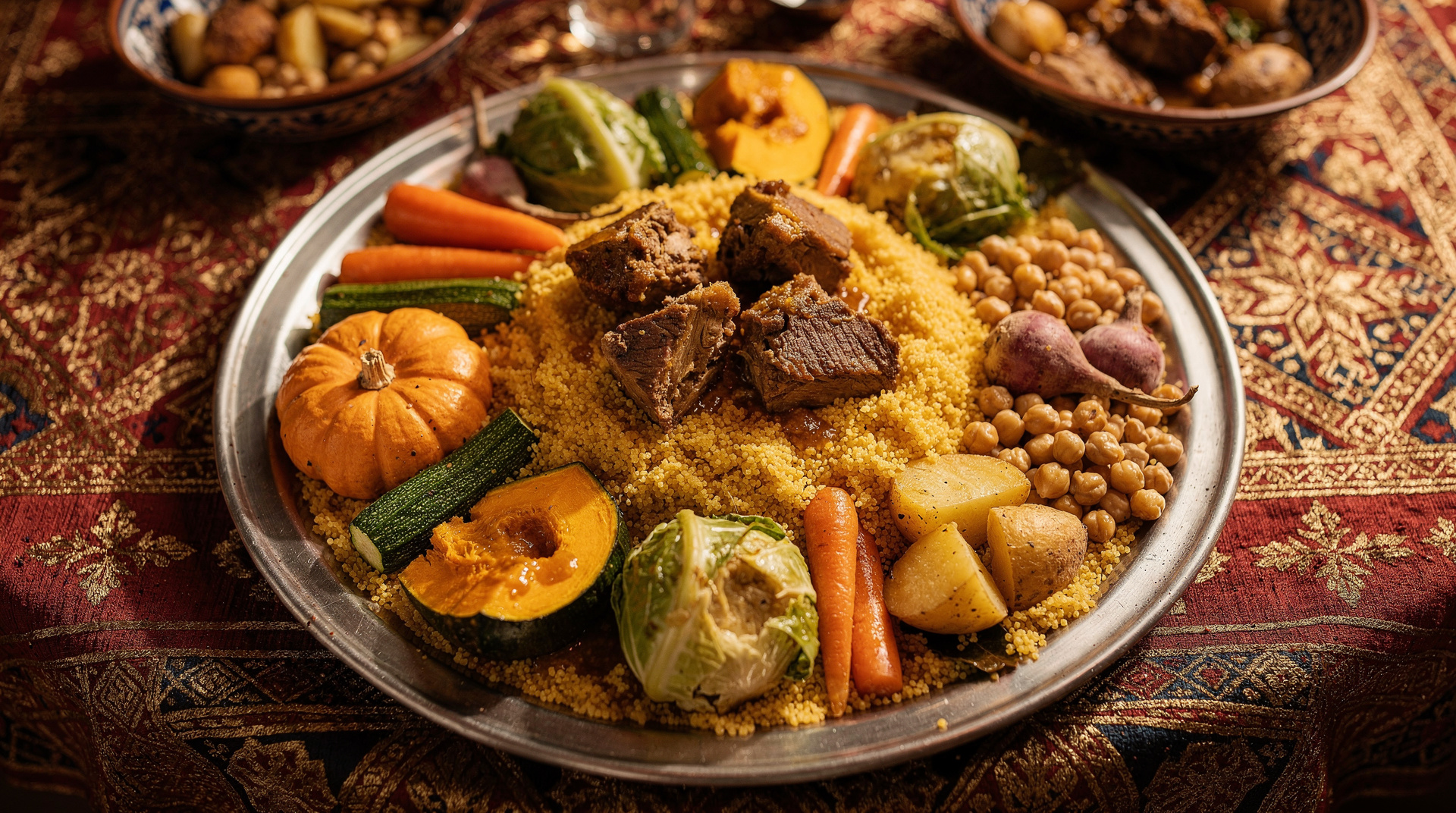
Friday couscous in Fes is an event. The traditional recipe uses seven vegetables — carrots, turnips, courgette, cabbage, onion, pumpkin, and tomato — each added to the broth at different times to preserve their integrity. The couscous itself is hand-rolled and steamed three times in a couscoussier. Classes that rush this process produce inferior results; a good class allocates 2+ hours to couscous alone.
The medina market visit: where to source ingredients
Fes’s medina contains several distinct food market zones. A cooking class that begins with a guided market tour typically covers:
R’cif and Seffarine area: Central medina markets with fresh produce, spices, and butchers who will explain unfamiliar cuts on request.
Ain Allou spice district: Vendors here stock real saffron (verify by smell — genuine Fassi saffron is intensely floral, not musty), ras el hanout in house blends, dried rose petals, and orange blossom water.
The covered kissaria: Textiles and household goods, but also the herbal medicine vendors (attar) who stock cooking ingredients like dried rosebuds, mastic, and dried herbs in quantities unavailable in supermarkets.
Dar Batha neighbourhood market: A more local-facing daily market near the museum, selling seasonal produce at prices pitched to residents rather than tourists.
Book the Flavors of Fes market visit and hands-on cooking classRiad cooking classes: the main format in Fes
Unlike Marrakech, which has dedicated culinary schools like La Maison Arabe, most cooking instruction in Fes happens in private riads operated by the cook herself (usually a woman in her 40s or 50s) or under the direction of a riad’s resident chef. This format has real advantages:
- You’re cooking in a home kitchen, not a demonstration setup
- Class sizes rarely exceed 6-8 people
- The instruction tends to be more personal and less scripted
- You eat in the riad’s courtyard or terrace — often one of the city’s most beautiful spaces
The tradeoff is variable quality. Not every riad cook is an exceptional teacher. Look for classes with verified reviews mentioning specific recipes taught (not just “great food!”) and a clear indication of what’s hands-on versus demonstration.
Book a cooking class and dinner in a traditional Fes riadCombined cooking class and medina visit format
The most efficient use of time for visitors to Fes combines a morning medina tour with an afternoon cooking class. This approach is well-suited to a single day that covers both cultural exploration and food learning.
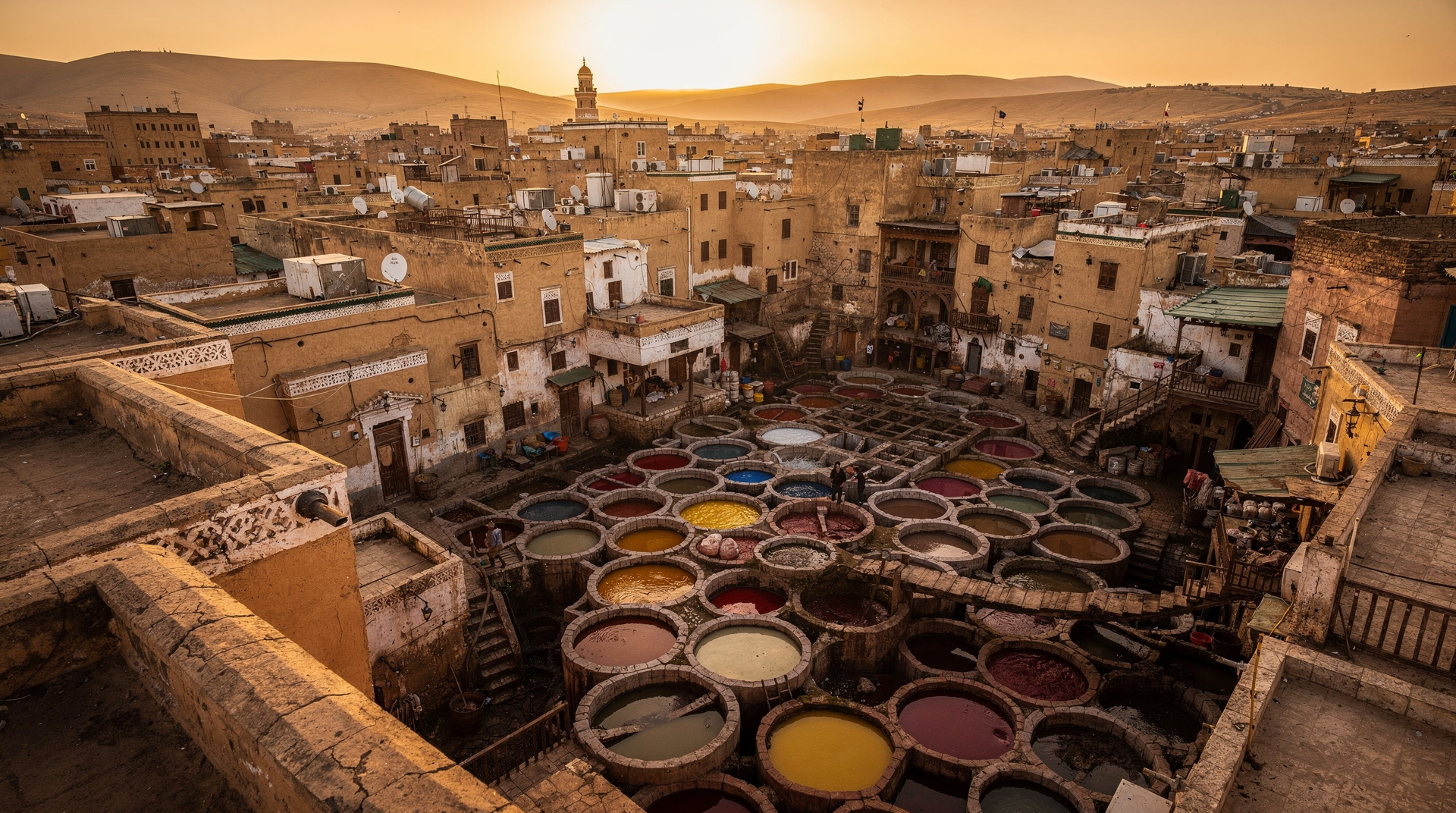
The morning medina walk covers the tanneries (Chouara), Bou Inania madrasa, Al Attarine madrasa, and a spice market tour. The afternoon moves to a riad kitchen for 3 hours of cooking. You eat dinner at the riad before returning to your accommodation.
This format makes Fes’s two great attractions — its architectural heritage and its culinary tradition — work together rather than competing for time. It also means your afternoon cooking context is enriched by a morning spent understanding the city’s history.
Book an authentic Fes cooking class with old medina visitPrices and what to expect
| Format | Price per person | Duration | Includes |
|---|---|---|---|
| Riad cooking class only | 50-70€ | 3-4 hours | Ingredients, lunch/dinner |
| Market visit + cooking | 70-85€ | 5-6 hours | Market, ingredients, meal |
| Combined medina tour + cooking | 80-100€ | Full day | Tour guide, market, ingredients, dinner |
| Private class (2 people) | 120-150€ total | 3-4 hours | Everything + flexibility on menu |
Prices typically include all ingredients, equipment, recipe cards, and a full sit-down meal of what you cooked. Drinks (wine, beer) are sometimes extra — confirm at booking.
Practical advice for booking
Advance booking: Fes has fewer cooking class options than Marrakech, and quality classes fill up. Book 3-5 days ahead in peak season (March-May, October-November). Some riad classes run with as few as 2 participants, which is excellent value.
Where the riad is located matters: Fes’s medina is the largest car-free urban area in the world. If your class is in the heart of the Fes el-Bali medina, you’ll need 20-40 minutes to walk there from the main hotels. Confirm the exact location and get walking directions from your accommodation before you go.
Dietary considerations: All operators handle vegetarian versions without issue. If you’re vegetarian, the chicken pastilla replaces pigeon cleanly. Vegan participants require advance notice as several dishes use egg or butter as integral ingredients.
Bring a notebook: Recipe cards are provided at most classes, but the verbal instruction contains nuances that no printout captures. Notes on timing, the “right” colour for fried onions, how the sauce smells when the spices are properly bloomed — these details are what make the difference between a good home attempt and a mediocre one.
How Fes cooking classes fit into your trip
A full Fes itinerary typically allocates 2-3 days to the city. The cooking class fits most naturally on day 2, after an orientation walk through the medina on day 1 familiarises you with the city’s geography. If you’re combining Fes with other imperial cities, the Fes destination guide explains the city’s neighbourhoods and the best order to explore them.
The medersas of Fes guide covers the architectural context for the medina you’ll walk through before your class — Bou Inania and Al Attarine are both near the main spice markets. Understanding the architecture makes the neighbourhood feel less overwhelming.
For travellers doing an imperial cities circuit, the Volubilis guide covers the easy day trip from Fes, and the best museums in Morocco guide covers what’s worth your time in Rabat if you’re continuing north.
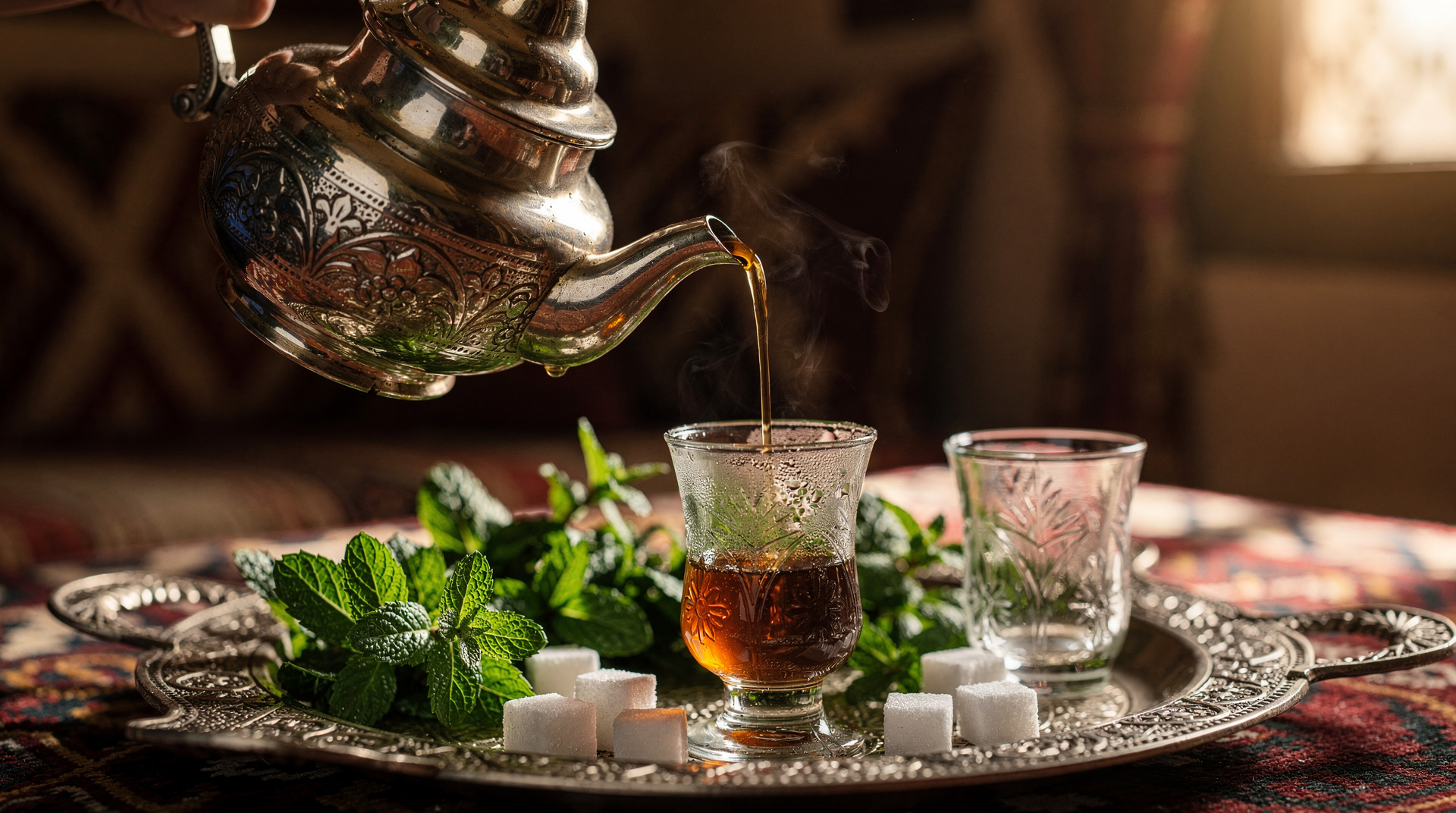
If your interest in Moroccan food extends beyond cooking technique, the mint tea ritual guide explains the culture around Moroccan tea service — something your riad cooking class instructor will almost certainly demonstrate during the meal.
If you’re staying in the medina for your class, the best riads in Fes guide helps you pick accommodation close enough to walk to your kitchen. And if the market visit whets your appetite for negotiating, the bargaining in Morocco guide covers the etiquette you’ll want before shopping the spice souks on your own.
Fes versus Marrakech cooking classes: a quick comparison
If you’re deciding which city to prioritise for a class, the two experiences differ more than the shared repertoire suggests.
| Factor | Fes | Marrakech |
|---|---|---|
| Format | Small riad-based, home-cook led | Wider mix — schools, NGOs, riads |
| Authenticity | Older, less filtered by tourism | Polished, more consistently professional |
| Price range | Around 50-100€ | Around 40-120€ |
| Group size | Usually 2-8 | 4-12 depending on venue |
| Best dish to prioritise | Pigeon pastilla, tajine mrouzia | Tagine, pastilla, market-sourced menus |
For the full breakdown of Marrakech options, see the cooking classes in Marrakech guide. If you’re weighing tagine against couscous before you book, the couscous guide explains why a proper couscous lesson needs 3-4 hours on its own.
For street food to compare your riad meal against, the street food in Fes guide covers the medina’s stalls and what to try. Travellers building out a wider Fes trip should also check the day trips from Fes guide for how to fit a cooking class around Volubilis, Chefchaouen, or Meknes.
Frequently asked questions about Best cooking classes in Fes
Is Fes or Marrakech better for cooking classes?
Both are excellent but different. Marrakech has more infrastructure and professional school options like La Maison Arabe. Fes tends toward smaller, more intimate riad settings with deeper connection to the oldest Moroccan culinary traditions. If you’re visiting both cities, consider doing different class formats in each.
Can I learn to make pastilla in a half-day class?
Pigeon pastilla requires 3-4 hours minimum to make properly — the filling, the egg layer, and the pastry assembly each need time. Half-day classes (2-3 hours) can cover it with some shortcuts. A full-day class is the better choice if pastilla is specifically what you want to learn.
Do classes run during Ramadan?
Some do, with modified schedules. Cooking classes during Ramadan are often taught by non-fasting staff or run in the late afternoon so the meal at the end coincides with iftar (the breaking of the fast). It’s a genuine experience — harira and chebakia for iftar in a Fassi riad is one of the most atmospheric meals Morocco offers.
What’s the difference between tajine and tagine?
Purely spelling — they refer to the same dish. Tajine is the French-influenced Moroccan spelling; tagine is more common in English-language contexts. The clay cooking vessel and the slow-braised food it produces are identical.
Do I need to speak French or Arabic to join a class?
No. Riad cooking classes in Fes are used to hosting international visitors and are typically conducted in English, sometimes with French as a backup. If you book through a riad where staff speak limited English, confirm language availability at booking — it’s rarely an issue but worth a quick check.
Is alcohol served at cooking classes in Fes?
Rarely, and not as standard. Most riad classes serve mint tea or soft drinks with the meal. If wine matters to you, ask specifically when booking — the alcohol in Morocco guide explains where and how alcohol is available more broadly in the country.