Quick facts
- Language
- Tamazight, Darija
- Distance from Marrakech
- 60 km (1 hour by car)
- Waterfall hike
- 45 min each way from Setti Fatma village
- Best for
- Day trips, Berber culture, waterfalls, hiking
An Hour from Marrakech, a World Away
| At a Glance | |
|---|---|
| Where | High Atlas foothills, 60 km southeast of Marrakech |
| Cost | Around 250–600 MAD per person (shared tour to private taxi day-hire) |
| Time needed | Half day minimum, full day recommended |
| Getting there | Grand taxi, organised day trip, or self-drive via the S513 |
| Best time | March–May for waterfall flow and wildflowers; September–October for cooler, harvest-season calm |
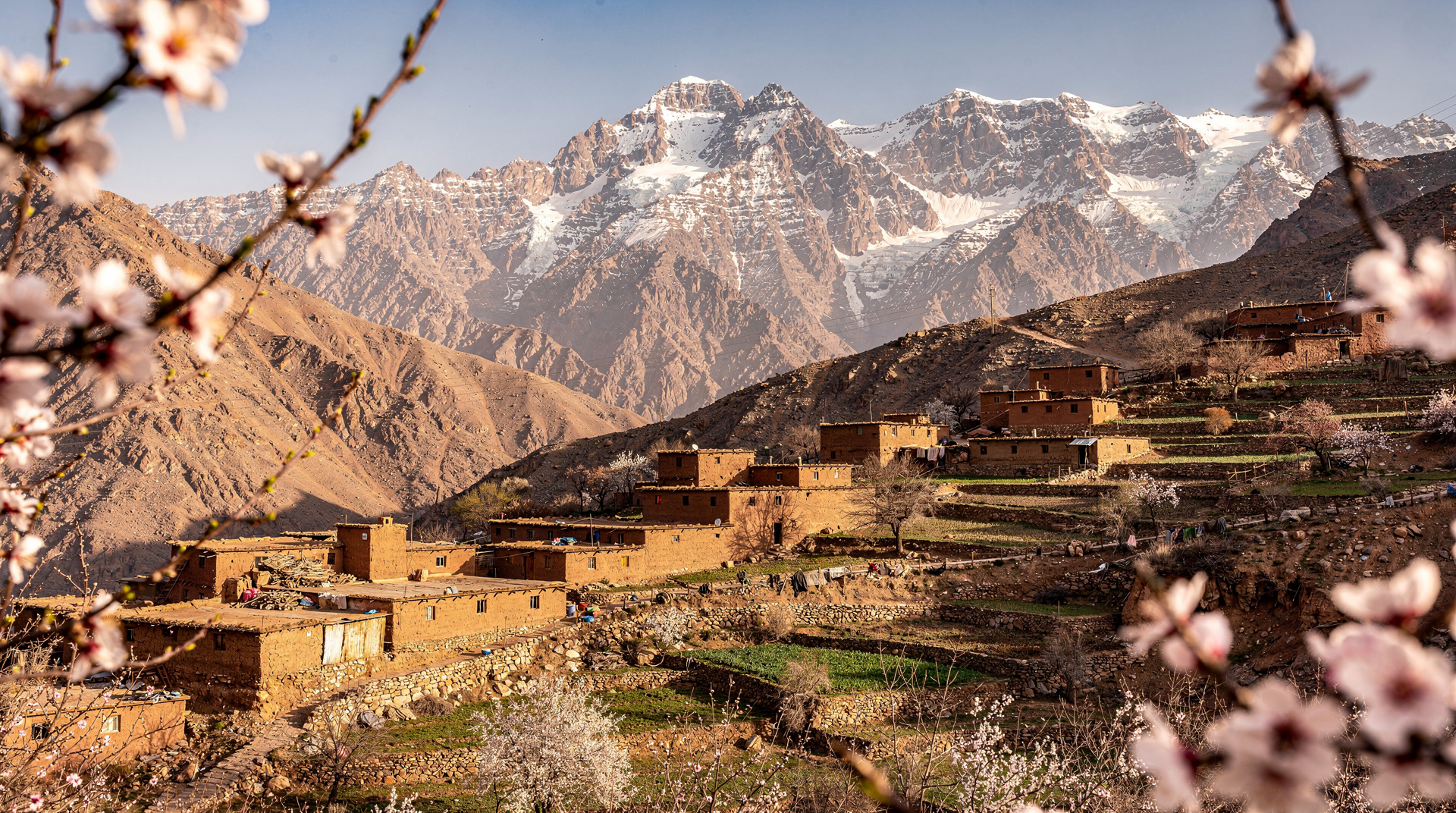
The Ourika Valley begins just 30 km south of Marrakech where the High Atlas rises abruptly from the Haouz plain, and by the time you reach the village of Setti Fatma at the valley’s head — 60 km and 1,400 metres above the city — you are in a landscape that feels geographically and culturally remote. The valley is Berber country: terraced barley fields and walnut groves climbing the canyon walls above the Ourika River, mule tracks connecting villages of red-mud houses, and women in traditional dress selling argan oil and pottery from roadside stalls.
The Ourika Valley is Marrakech’s most popular day trip, and with good reason. For travellers who want to experience a traditional Berber mountain village, walk to a genuine waterfall, and eat tagine on a terrace above a tumbling mountain river — all within a single day from the city — the Ourika Valley delivers every element. It is not a pristine wilderness: the main road through the valley is developed with tourist restaurants, and the Setti Fatma waterfall trail has enough visitors in high season that you are rarely truly alone. But the landscape is beautiful, the culture is authentic, and the air tastes nothing like Marrakech’s city dust.
For those seeking something more adventurous, the valley also serves as the approach route to Mount Toubkal — North Africa’s highest peak at 4,167 m — accessed via the village of Imlil further west in the adjacent valley.
Getting There
From Marrakech by car or taxi: The valley is 60 km southeast via the S513 road — a straightforward 1-hour drive in dry conditions. A hired taxi for the day (Marrakech to Ourika valley, 5 hours with stops, returning to Marrakech) runs approximately 400–600 MAD. Negotiate before departure.
By organised day trip: Most Marrakech-based tour operators and your riad’s front desk can arrange a shared day trip to the Ourika Valley including transport, a Berber village visit, and lunch. Prices run from 250–500 MAD per person depending on group size and lunch inclusion.
Book an Ourika Valley day trip from Marrakech with lunchPrivate tour: A private day tour allows you to set your own pace, spend more time in the valley’s upper reaches, and avoid shared minibus constraints.
Book a private Ourika Valley day trip from MarrakechBy public transport: Shared taxis from Bab Ourika (south of Marrakech’s medina) run to Setti Fatma for around 30–40 MAD per person. The journey takes 1.5 hours in a shared vehicle. Good for independent travellers on a tight budget.
Getting Around
In the valley: The main S513 road runs the length of the valley. Most travellers with private transport drive to Setti Fatma at the valley head (60 km from Marrakech) and use the village as the base for the waterfall hike.
Setti Fatma village: Walkable in 10 minutes. The trailhead for the waterfalls starts at the northern end of the village, crossing the Ourika River on stepping stones or a makeshift bridge before climbing the canyon.
Berber village visits: Several traditional villages are visible from the road between Aghbalou (km 35) and Setti Fatma. Local guides from tourist restaurants in Aghbalou offer village walks for 80–150 MAD per person.
Mules: Available for hire in Setti Fatma for the steeper upper sections of the waterfall trail. Useful for those with limited mobility; around 100–150 MAD per animal.
Top Things to Do
Setti Fatma Waterfall Hike
The main attraction: a 45-minute hike from Setti Fatma village up the gorge to a series of seven waterfalls. The trail involves scrambling over boulders, crossing the river on stepping stones, and climbing some steep sections with unofficial ropes and metal hand-holds. The first waterfall (a 15-minute walk) is the most accessible; the second and third require more scrambling but reward with greater seclusion. Take sturdy footwear rather than sandals — the rocks are slippery near the water.
The hike is guided by local young men who position themselves along the trail as informal guides. While officially optional, their help is genuinely useful on the difficult sections. Tip 30–50 MAD per person for a reasonable guiding contribution.
Berber Village Walk
The villages between Aghbalou and Ourika Bab are among the most traditional in the High Atlas foothills — compact clusters of red-earth houses with flat roofs, terraced gardens growing saffron and barley, and communal threshing floors where grain was processed until recently by hand. A guided walk through one of these villages (arranged through restaurant owners in Aghbalou) offers insight into rural Berber life that can’t be experienced from the road.
Tagine Lunch on the Terrace
The valley has dozens of riverside restaurants between Aghbalou and Setti Fatma, all built on terraces over the Ourika River and all serving essentially the same menu: harira soup, Moroccan salads, lamb or chicken tagine, and fresh khobz bread. The quality varies, but the location — terrace planks over the rushing river, Atlas peaks above — makes any lunch here memorable. Budget 80–130 MAD per person including tea.
Medicinal Plant and Herb Farm Visit
Several cooperatives along the valley road cultivate and sell traditional Berber medicinal plants and products: rose geranium oil (from the Atlas slopes), dried thyme and lavender, argan oil, and various herbal preparations. The most established is the Nectarome herb garden and spa complex near Ourika — a charming garden with visitor tours and a licensed spa (massage 250–400 MAD per hour). Worth 30 minutes.
Atlas Mountain Views
Even if you don’t hike, the valley’s upper reaches at Setti Fatma offer views into the High Atlas that most visitors to Marrakech never see — snow-capped peaks (November to May) above terraced valley walls, the Ourika River churning green below. Simply sitting on a restaurant terrace and looking up is its own reward.
Where to Eat
Restaurant Asgaour (Setti Fatma village, near the waterfall trailhead) is consistently recommended for its reliable tagines and good location right at the start of the hiking trail. An excellent base for the morning before the waterfall walk. Tagine with mint tea: 100–120 MAD per person.
Les Deux Cigognes (Aghbalou, km 35) is a popular stopping point on organised tours — large terrace over the river, reliable cooking for groups. Good for a quick lunch; expect 90–130 MAD per person.
Au Bord de l’Oued (Setti Fatma) is a smaller restaurant right at the river’s edge — slightly elevated in quality compared to its neighbours, with a more personal approach. The owner speaks good French and can advise on the trail conditions.
Where to Stay
The vast majority of visitors do the Ourika Valley as a day trip from Marrakech. Overnight options are limited but functional for those who want an early start on the waterfall trail or plan to continue further into the Atlas.
Auberge Ramuntcho (Setti Fatma) is the main overnight option in the valley head — basic but clean rooms from 250–350 MAD per person including breakfast. The owner can arrange mountain guides for higher Atlas routes.
Kasbah Bab Ourika (lower valley, 42 km from Marrakech) is a boutique eco-lodge offering the valley’s most comfortable accommodation — beautiful rooms with Atlas views, garden, and an excellent restaurant. From 900 MAD per night. Worth it as a base for a longer atlas foothills exploration.
Day Trip Combinations
Marrakech base day trip: The Ourika Valley is the ideal complement to a morning in the Marrakech medina — drive out for lunch and the afternoon waterfall hike, return to Marrakech for dinner.
Atlas day trip circuit: Combine the Ourika Valley (morning) with the Agafay desert (afternoon sunset) for a single day covering both the mountain and desert landscapes closest to Marrakech.
Toubkal approach: For trekkers planning to attempt Mount Toubkal (4,167 m), the Ourika Valley is the first stage — continue west from Setti Fatma toward Imlil, the base village for Toubkal ascents.
Practical Tips
Flash floods: The Ourika River floods dangerously during heavy rainfall events — the 1995 flood killed over 200 people. If rain is forecast in the Atlas, postpone the valley visit. Ask locally about conditions; the restaurant owners along the road will know.
Dress: The valley villages are conservative Berber communities. Covered shoulders and knees are appropriate; this is not a beach destination. Bring a light layer as temperatures drop rapidly as you gain altitude.
Bargaining: Roadside craft stalls along the valley (Berber rugs, carved wooden items, argan products) are priced for tourist sale. Gentle bargaining (offer 60% of the asking price) is normal.
Weekends: The valley is popular with Marrakech residents on Saturdays and Sundays — the road can be slow and restaurants crowded. Visiting midweek avoids both problems.
Photography: Request permission before photographing individuals, especially women. A polite gesture and brief French explanation (“une photo, s’il vous plaît?”) is usually well received.
When to Visit
March to May is the best season — snowmelt fills the river and waterfalls to their highest flow, wildflowers cover the valley slopes, and the Atlas peaks are spectacularly snow-capped. The ideal combination of drama and accessibility.
September to October is excellent: cooler than summer, stable weather, and harvest season in the villages (almonds, walnuts).
November to February: Cold but clear. Snow possible above 1,500 m (Setti Fatma is at 1,500 m). The waterfalls continue year-round. Good for visitors who want the mountains without the summer dust haze.
June to August: Hot in the valley (30–35°C) but fresh compared to Marrakech. Popular with Moroccan families escaping city heat. Most crowded period.
How to Fit the Ourika Valley into Your Marrakech Stay
Half-day from Marrakech: Leave at 9 am, reach Setti Fatma by 10:30 am, hike to the waterfalls by noon, lunch on a terrace, return to Marrakech by 4–5 pm. A well-paced half-day covering the main attractions.
Full-day with village walk: Leave at 8 am, stop in Aghbalou for a Berber village walk (2 hours), continue to Setti Fatma for lunch and the waterfall hike, return via a sunset stop at the Nectarome herb garden.
Combined with Ouzoud Waterfalls: Ambitious but feasible — Ourika Valley in the morning (closer to Marrakech), then continue west to Ouzoud for the afternoon (2.5 hours further). Very full day requiring an early start.
Atlas trekking base: Combine an Ourika Valley overnight with a second day trekking above the snowline (November–April) toward the Tizi n’Oucheg pass, returning to Marrakech on day 3.
See our Marrakech travel guide for the full picture of day trips from the city, and our guide to getting around Morocco for transport logistics. For a deeper comparison of the two most popular treks in this area, see Imlil vs Ourika for trekking, and our dedicated Ourika Valley day trip guide for a step-by-step itinerary.
Ourika Valley vs Other Marrakech Day Trips
| Day trip | Distance from Marrakech | Best for | Physical effort |
|---|---|---|---|
| Ourika Valley | 60 km (1 hr) | Berber villages, waterfall hike, mountain scenery | Moderate (scrambling on the falls trail) |
| Ouzoud Waterfalls | 150 km (2.5 hrs) | Morocco’s biggest waterfall, boat trips, macaques | Easy–moderate |
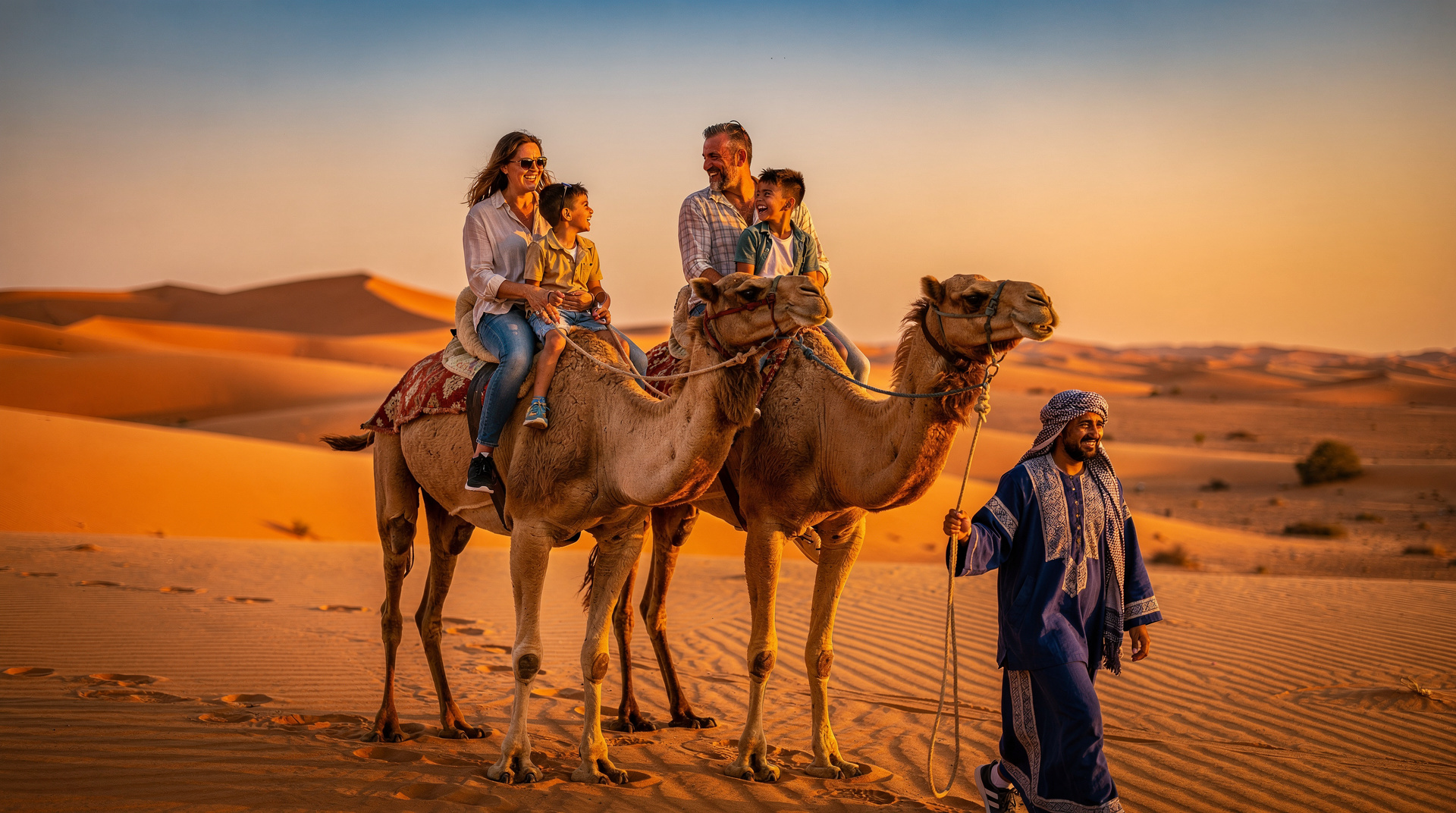
| Agafay Desert | 30 km (45 min) | Stone-desert sunsets, camel rides, quad biking | Easy |
| Imlil (Toubkal approach) | 65 km (1.5 hrs) | Serious trekking, mountain guesthouses | Strenuous |
For travellers deciding between the two most-compared options, our Imlil vs Ourika trekking comparison breaks down which suits your fitness level and timeframe.
Frequently asked questions about Ourika Valley Travel Guide
Is the Ourika Valley worth it if I’ve already done the Atlas Mountains elsewhere?
Yes, if “elsewhere” means a single viewpoint stop on a Sahara transit route. The Ourika Valley is a dedicated Berber-culture and waterfall experience rather than a drive-through mountain pass, and the Setti Fatma hike gives a hands-on element that most Atlas transit routes don’t offer.
Can I combine the Ourika Valley with Ouzoud Waterfalls in one day?
Technically yes but it makes for a very long day — see the combination note above. Most travellers who want both do the Ourika Valley on one day and Ouzoud on a separate day, ideally as described in our three-day Marrakech day-trip plan.