Solo female Morocco itinerary: 10 days safe and independent
Is Morocco safe for solo female travelers?
The honest answer: yes, with preparation and realistic expectations. Hundreds of thousands of women travel Morocco solo every year and have extraordinary experiences. Morocco is not without its challenges — unwanted attention, persistent touts, and occasional harassment in heavily touristed medinas are real. But these are manageable and the country offers enough that the preparation is overwhelmingly worth it.
The keys are route choice, accommodation type, and tour selection for vulnerable points. This itinerary is built around those three principles. It prioritises riads over hotels (riads have locked medina gates, courtyard community, and strong local knowledge), group tours for the Sahara segment (avoiding the isolated desert camp with an unknown private driver scenario), and the most traveler-friendly medina cities in Morocco.
Chefchaouen and Essaouira are the two most relaxed cities in Morocco for solo women — the blue medina of the north and the Atlantic coast town of the south are genuinely low-pressure. Fes is more intense but navigable with the right guide. Marrakech demands more vigilance but offers more in return.
Route at a glance: Fly into Tangier → Chefchaouen (2 nights) → Fes (2 nights) → overnight train to Marrakech → Marrakech (2 nights) → group Sahara tour (2 nights) → Essaouira (2 nights) → fly out of Marrakech
Best season: March–May or September–November. Summer months add heat to the solo navigation challenge; December–February can be cold in Chefchaouen and the mountain road to the city occasionally closes.
Total estimated cost (per person, flights excluded): €900–1,400
At a glance
| Route | Tangier → Chefchaouen → Fes → Marrakech → Sahara group tour → Essaouira |
| Duration | 10 days, mostly bus and train between cities |
| Cost (per person) | around €970–1,675 excluding flights |
| Accommodation | riads only, not hotels — see safety tips below |
| Sahara | group tour, not a private driver, for the desert nights |
| Best time | March–May or September–November |
Day 1: Tangier — arrive and head north to Chefchaouen
Arrival in Tangier
Many international flights connect through Casablanca, but Tangier Ibn Battouta Airport (TNG) is worth considering for this itinerary — it puts you immediately in the north for the Chefchaouen start. If flying into Casablanca (CMN), the Al Boraq high-speed train connects Casablanca to Tangier in 2h10 (€20–30 first class).
Tangier itself merits at minimum an afternoon. The Kasbah Museum, the Medina Socco Chico (small square), and the legendary Café Hafa perched on the cliff above the Strait — these are hour-long pleasures each. The medina is compact and navigable. The view across to Gibraltar and Spain from the northern promontory is arresting.
The shared grands taxis from Tangier to Chefchaouen run throughout the day (3h, €10–15/seat). Or take the CTM bus (3h30, €8). Arrive in Chefchaouen before dark. The drive through the Rif Mountains is dramatic and the final approach to the blue city along the valley is unlike anything else in Morocco.
Evening: Chefchaouen arrival
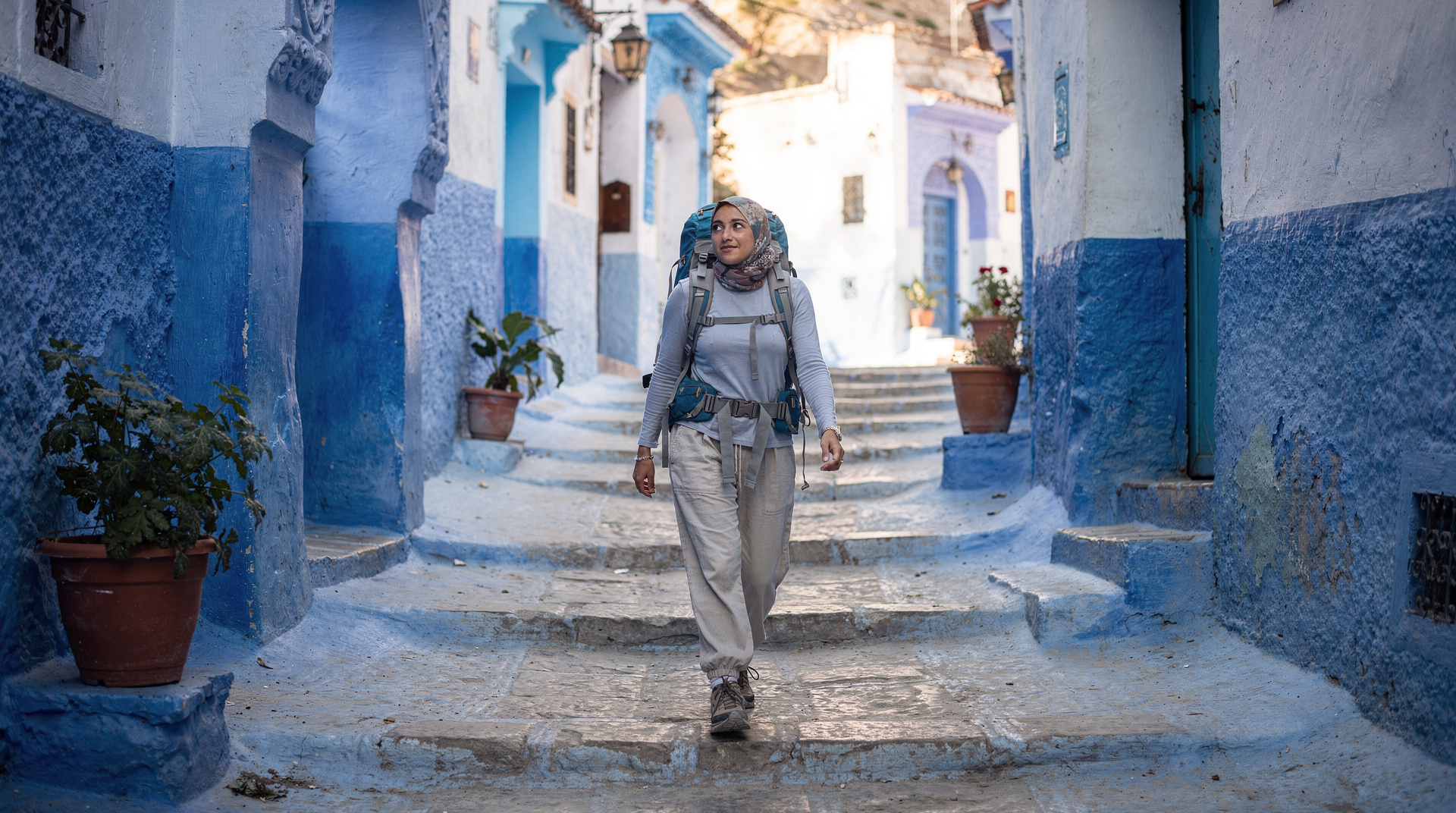
Chefchaouen’s medina is small (walkable in 20 minutes) and has an entirely different character from Fes or Marrakech. The blue-painted walls, the Plaza Uta el-Hammam at the heart, the small cafés on every corner — it is genuinely, not just instagrammably, beautiful. Dinner at Restaurant Tissemlal on the main square is reliably good (€8–15 for a full Moroccan meal).
Where to stay: Riad Baraka (good location, women-friendly, €45–70/night), Casa Perleta (outstanding reviews from solo women, €50–80/night), or Riad Cherifa
Budget estimate today: €80–130 including transport from Tangier and dinner
Day 2: Chefchaouen — full medina day
Morning: blue medina photography and walk
Chefchaouen’s medina is best before 09:00, before the day-trippers arrive from Tangier and Fes. The blue-and-white lanes around the Kasbah and the upper medina are genuinely quiet at 07:30. Bring your camera. The light enters the narrow lanes at different angles in the morning than at noon — both are beautiful, neither is bad.
Book the Chefchaouen Blue City private walking tour for the morning — a local guide gives the historical context that transforms a beautiful medina walk into an understanding of why the city was painted blue (theories range from Jewish Kabbalistic practice to mosquito repellent to a 1930s renovation), the Andalusian refugees who settled here after the fall of Granada, and the current craft economy. €30–50 for a 2-hour private tour.
Afternoon: Akchour Waterfalls hike
The Akchour Waterfalls are 28 km from Chefchaouen, reachable by shared taxi (€3 each way) or the organised day trip. The hike to the first waterfall takes 45 minutes each way through a river gorge with dramatic limestone walls. The second waterfall (1h30 further) is for the committed hiker. The swimming hole at the base is clean and refreshing in summer. A local guide is recommended and available at the trailhead for €15–20.
Book the Akchour Waterfalls day trip from Chefchaouen for the most convenient experience with transport and a guide included. Cost: €25–40 including transport.
Evening: Plaza Uta el-Hammam
The main plaza at dusk is Chefchaouen’s social centre. Order a mint tea, sit at one of the plaza café tables, and watch the evening unfold. Harassment here is notably lower than in Marrakech — it is not absent, but the pace is slower and the medina is small enough that shopkeepers know their neighbours. You can decline a sales pitch and sit five metres away without any tension.
Where to stay: Same Chefchaouen riad
Budget estimate today: €70–120 including tour, hike transport, meals
Day 3: Chefchaouen to Fes by bus
Morning: departure for Fes (4h30)
The CTM bus from Chefchaouen to Fes runs once or twice daily and takes 4h30 through the Rif Mountains. Book the ticket online (ctm.ma) or at the Chefchaouen bus station. Cost: €12–15. The scenery is excellent — the Rif cedar forests, the high-altitude farming towns, the descent toward the Middle Atlas. Bring snacks.
Afternoon: arrive in Fes, orient yourself
Fes el-Bali — the old medina — is genuinely the most complex urban space most travelers will ever encounter. It has more than 9,000 streets and alleys. Getting momentarily disoriented is inevitable; getting genuinely lost requires effort and is easily corrected by asking any shopkeeper for the nearest landmark (Bab Bou Jeloud, the blue gate, is the standard orientation point).
Book a riad inside the medina rather than a hotel in Ville Nouvelle. The riad experience in Fes is particularly good — the medina’s residential lanes are quieter than Marrakech and the riads more embedded in genuine neighbourhood life. Riad Laaroussa (excellent breakfast, central location, €70–120/night), Riad Idrissy (good value, welcoming host, €50–80/night), and Dar Seffarine (near the brass-workers souk, distinctive, €60–90/night) are all well-regarded.
Evening: Bab Bou Jeloud and first medina impressions
Walk to the Bab Bou Jeloud at dusk — the main ornamental gate at the medina’s western entrance, covered in blue and green tilework. The Talaa Kebira street that runs from here into the medina is lined with shops and the smell of bread from the communal wood-fired ovens. Eat near the gate tonight — there are several reliable restaurants on Talaa Kebira with set menus for €10–20.
Where to stay: Riad Laaroussa or Riad Idrissy (€50–120/night)
Budget estimate today: €60–110 including bus ticket, accommodation, dinner
Day 4: Fes — full medina day with guide
IMPORTANT: hire a guide in Fes
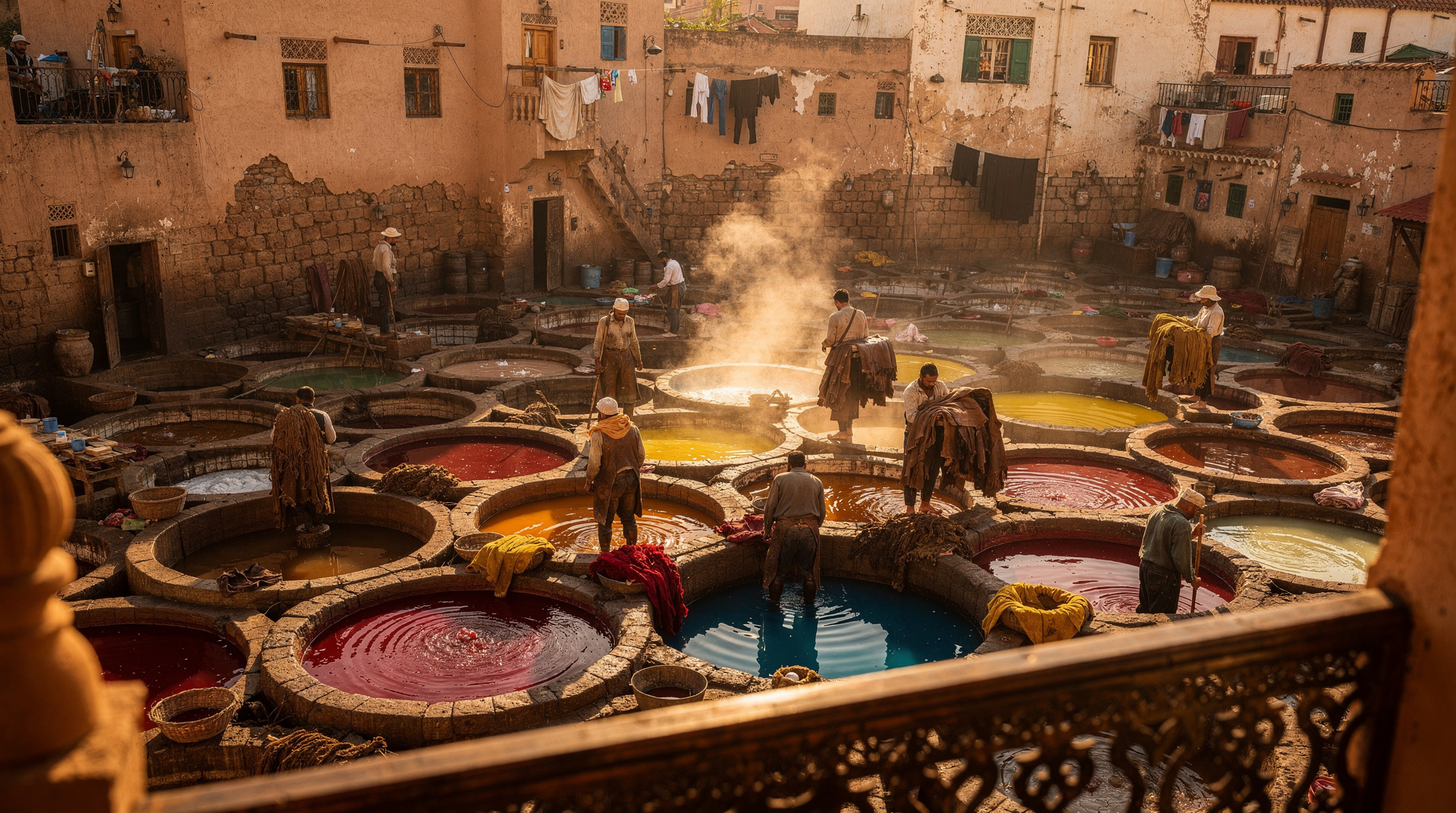
This is the one non-negotiable recommendation in this itinerary. Fes’s medina requires a guide not because it is dangerous but because the complexity is genuinely interesting only when someone can tell you what you are looking at. The tanneries, the Al-Qarawiyyin mosque (the world’s oldest continuously operating university), the Bou Inania Madrasa, the seven souks — each has a story that transforms the visual experience. Guides are available at the Bab Bou Jeloud gate or through your riad.
Book the Fes museum, Al-Attarine madrasa, tannery, and medina tour for the morning — this covers the major highlights including the Chouara tannery view (the famous leather dyeing vats, best seen from the terrace of a neighbouring leather shop with the mint they give you held to your nose against the smell), the Al-Qarawiyyin complex exterior, and the Al-Attarine Madrasa (outstanding 14th-century tilework and carved stucco). Cost: €40–60 for a half-day private tour.
Afternoon: self-guided medina
With the morning’s orientation, the afternoon medina walk is a completely different experience. The brass-workers souk (Seffarine Square) is one of the most authentic artisan spaces in Morocco — apprentices beating brass trays while trainee calligraphers work in the corner of the square. The textile souk north of Talaa Kebira has the best quality djellabas and Fes-style kaftans.
Evening: cooking class
The Flavors of Fes market visit and cooking class is an excellent evening option — market shopping with a local followed by hands-on cooking in a riad kitchen. €50–70 per person; small group. An excellent solo travel context for meeting other travelers.
Where to stay: Same Fes riad
Budget estimate today: €90–150 including guide, cooking class, meals
Day 5: Overnight train to Marrakech
Morning: Fes at leisure
The overnight train from Fes to Marrakech departs around 21:30–22:00. This gives you a full final morning in Fes. Visit the Merenid Tombs on the hill above the medina (15-minute walk, free entry, exceptional view over Fes el-Bali — this is where you finally understand the scale of the old city below).
The Palais Faraj hotel at the top has a terrace café with the same view — breakfast or lunch here is a reasonable luxury at €10–15 per person.
Evening: overnight train to Marrakech
The ONCF overnight train takes 8h30 and arrives in Marrakech around 06:00–07:00. Book a couchette berth (first class, €30–40) rather than a seat — the 6-berth compartments are lockable and the train is well-regarded as a safe overnight option by solo female travelers. Pack your own food and water. The compartment will likely contain a mix of Moroccan families and other travelers.
For more detail on the train network, see our getting around Morocco guide.
Where to stay: Overnight train (couchette €30–40)
Budget estimate today: €40–70 including lunch and train ticket
Day 6: Marrakech — arrive and recover
Morning: arrive, check in early
Your riad may not have your room ready at 07:00 but will store your bag and let you use the common areas. A hammam session at 08:00 resets the body after an overnight train. Many Marrakech riads have in-house hammams; if not, a local hammam near the medina will be open from 07:00 for women (women-only hours are usually morning; men’s hours are evening — timing varies by hammam, so ask at your riad).
A riad in Marrakech is strongly recommended over a hotel — the locked gate, the gatekeeper, and the enclosed courtyard create a secure base that makes the medina much less overwhelming. Riad Yasmine, Riad BE Marrakech, and Dar Attajmil (female-run, particularly welcoming to solo women) are all excellent choices. Budget €80–150/night for a comfortable riad.
Afternoon: Djemaa el-Fna
The square is best in late afternoon. The advice for solo women: stay mobile, have your phone in a front pocket, and treat persistent sellers with a firm but cheerful “la shukran” (no, thank you) while continuing to walk. Stopping to explain or engage extends the interaction. Moving on ends it.
The Jemaa el-Fna food stalls are perfectly safe to use — eat at a numbered stall, agree the price before sitting, and pay exactly what was agreed. The food is excellent.
Evening: rooftop café
Dozens of rooftop cafés look directly over Djemaa el-Fna. Café de France and Café des Épices are the best-known; the view from the rooftop at dusk is the iconic Marrakech image. Sit, have a tea, watch the square transform into its evening persona.
Where to stay: Riad Yasmine or Dar Attajmil (€80–150/night)
Budget estimate today: €80–130 including hammam, meals, and activities
Day 7: Marrakech highlights
Morning: Majorelle, Bahia, and medina
Book the Marrakech medina history and culture tour for 09:00 — a small group guided medina walk gives you the context to navigate independently afterward. The guide knows which alleys to take, which shops are genuine craftsmen, and which are tourist-trap fronts. €25–45 for a 3-hour small group tour. Very useful for solo travelers arriving in Marrakech for the first time.
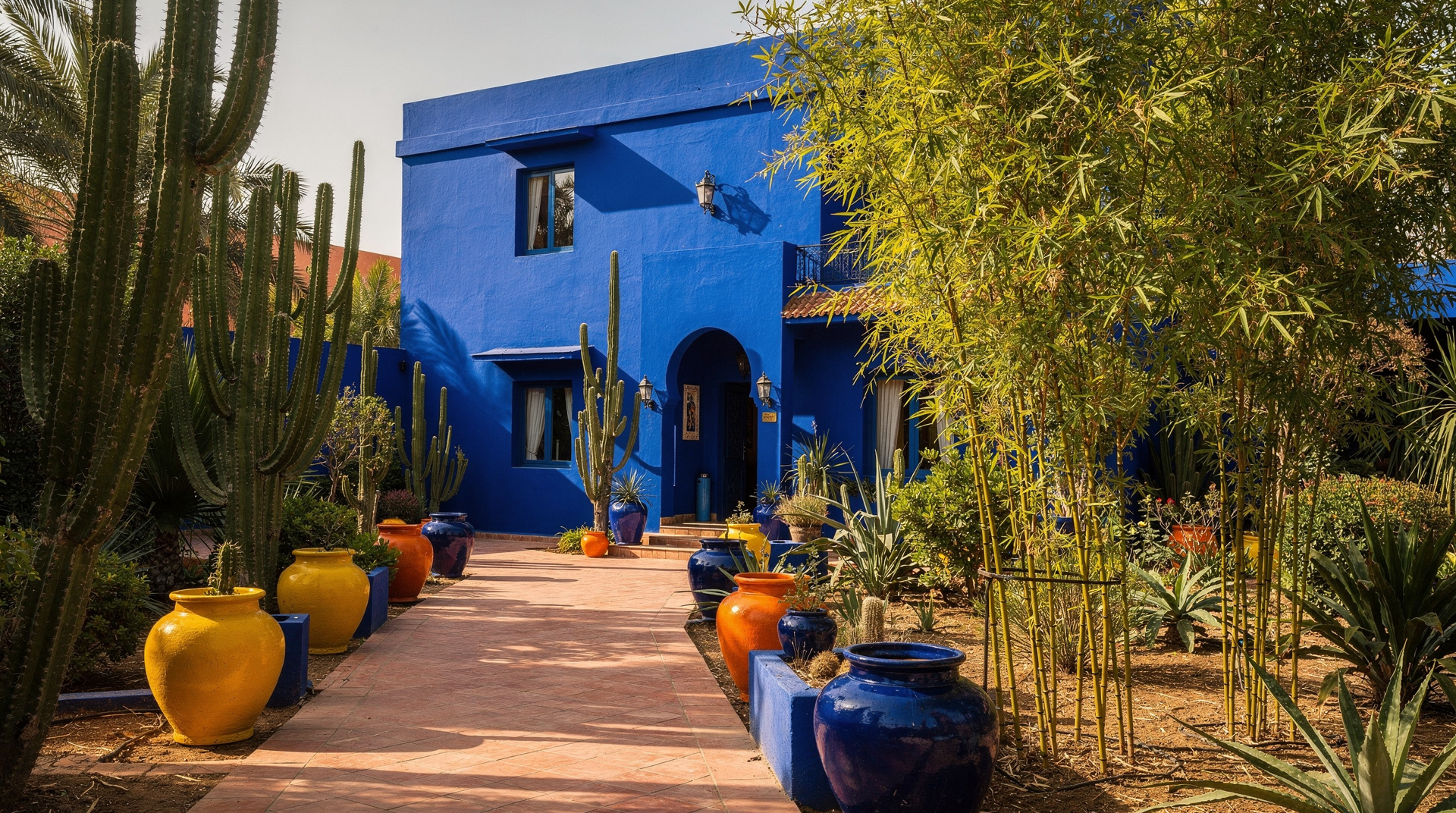
After the group tour, spend an independent hour in Majorelle Garden (book entry online, €12) or visit the Bahia Palace (€2) on your own.
Afternoon: Marrakech hammam
Book the traditional Moroccan hammam and spa experience for 14:00 — this booking ensures a professional setting with trained staff and clear communication, which is particularly important when navigating the hammam process for the first time. €30–50 including scrub and basic massage.
Where to stay: Same Marrakech riad
Budget estimate today: €90–150 including guided tour, Majorelle, hammam, meals
Days 8–9: Group Sahara tour to Merzouga
Why a group tour for the Sahara
The Marrakech-to-Merzouga route takes 10 hours each way. Doing this with a private driver you have never met, staying at a desert camp where you will be the only guest, involves trust that takes time to establish. Group tours run by reputable operators solve this: you travel with 6–12 other travelers, you know who you are with, and the camp environment has multiple guests. Operators to look at: Desert Majesty, Sahara Experience Tours, and tours bookable through Viator or GetYourGuide all run established group circuits.
Book the 3-day Sahara desert trip from Marrakech to Merzouga — this handles transport, Aït Benhaddou stop, guesthouse stays, camel ride, desert camp overnight, and return. Cost: €180–280 per person. Solo travelers often make their best Morocco friends on this tour.
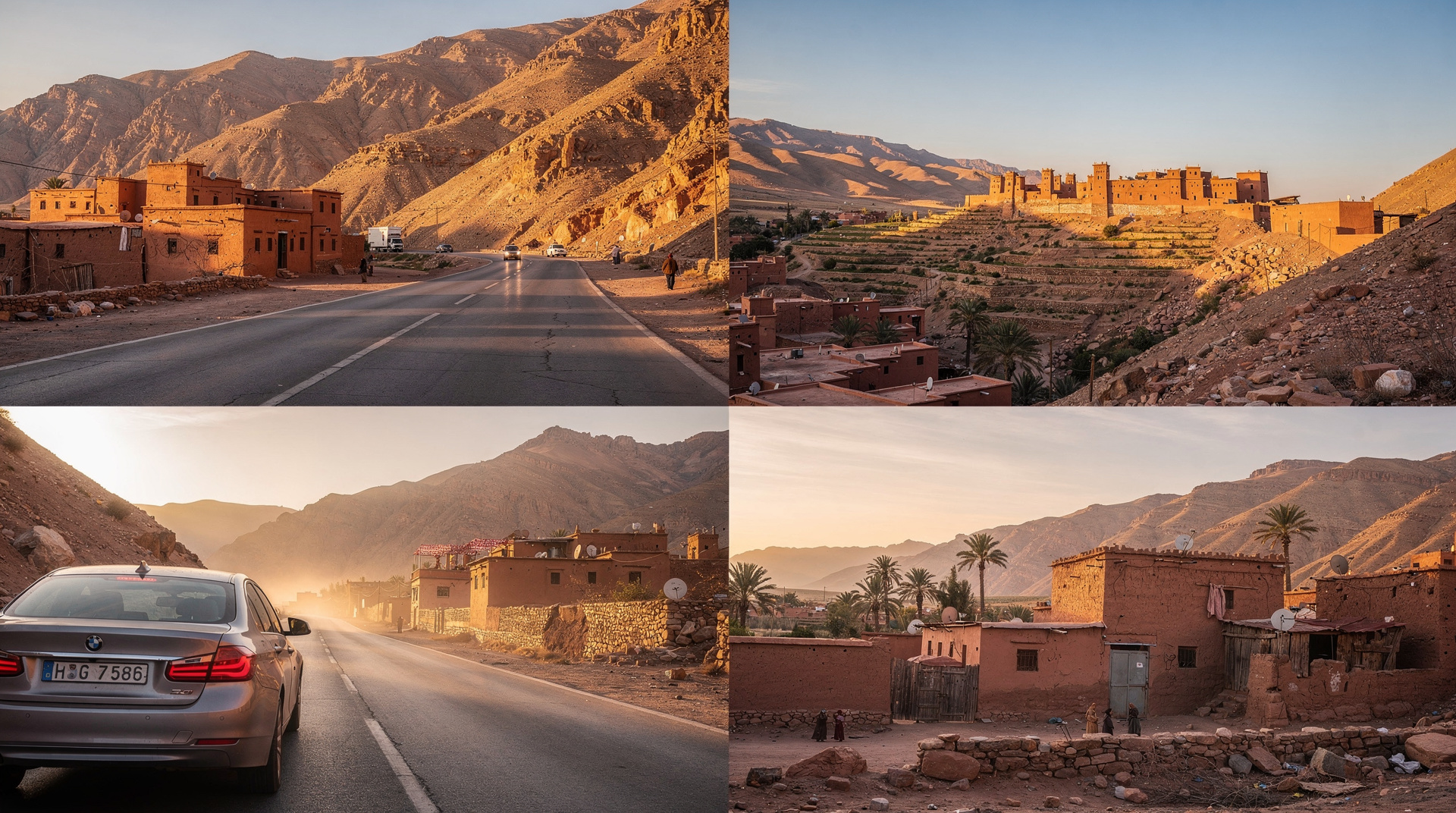
Day 8: Pickup at 07:00 from your Marrakech riad. Drive south over Tizi n’Tichka pass, stop at Aït Benhaddou, continue through Ouarzazate, overnight in the Dades Valley area or Todra Gorge.
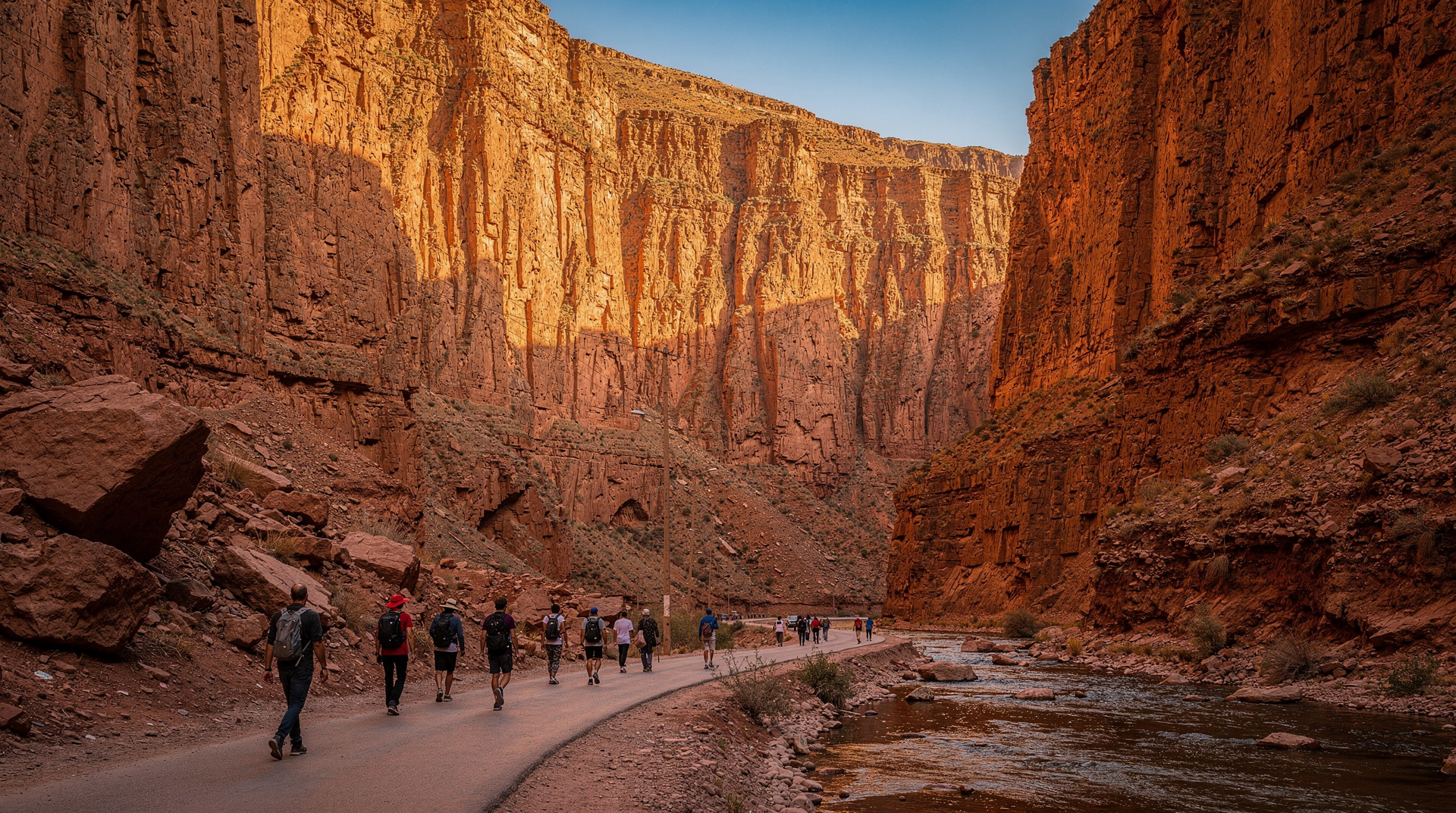
Day 9: Dawn in Todra Gorge (300-metre walls, spectacular light), drive to Merzouga. Sunset camel ride across the Erg Chebbi dunes. Overnight at desert camp with Berber music and the best night sky in Morocco.
Where to stay: Guesthouse in Dades Valley (Day 8, included); desert camp near Merzouga (Day 9, included)
Budget estimate (Days 8–9): €180–280 included in group tour price; bring €30–50 for drinks and tips
Day 10: Return to Marrakech → Essaouira
Morning: Sahara sunrise
The dune sunrise on Day 10 morning — 05:30 alarm, 30-minute sand climb, 5 minutes of the most extraordinary light you will ever photograph — is the non-negotiable climax of the Sahara visit. The ride back to Marrakech takes 10 hours with stops.
Arrive Marrakech evening, transfer to Essaouira next morning
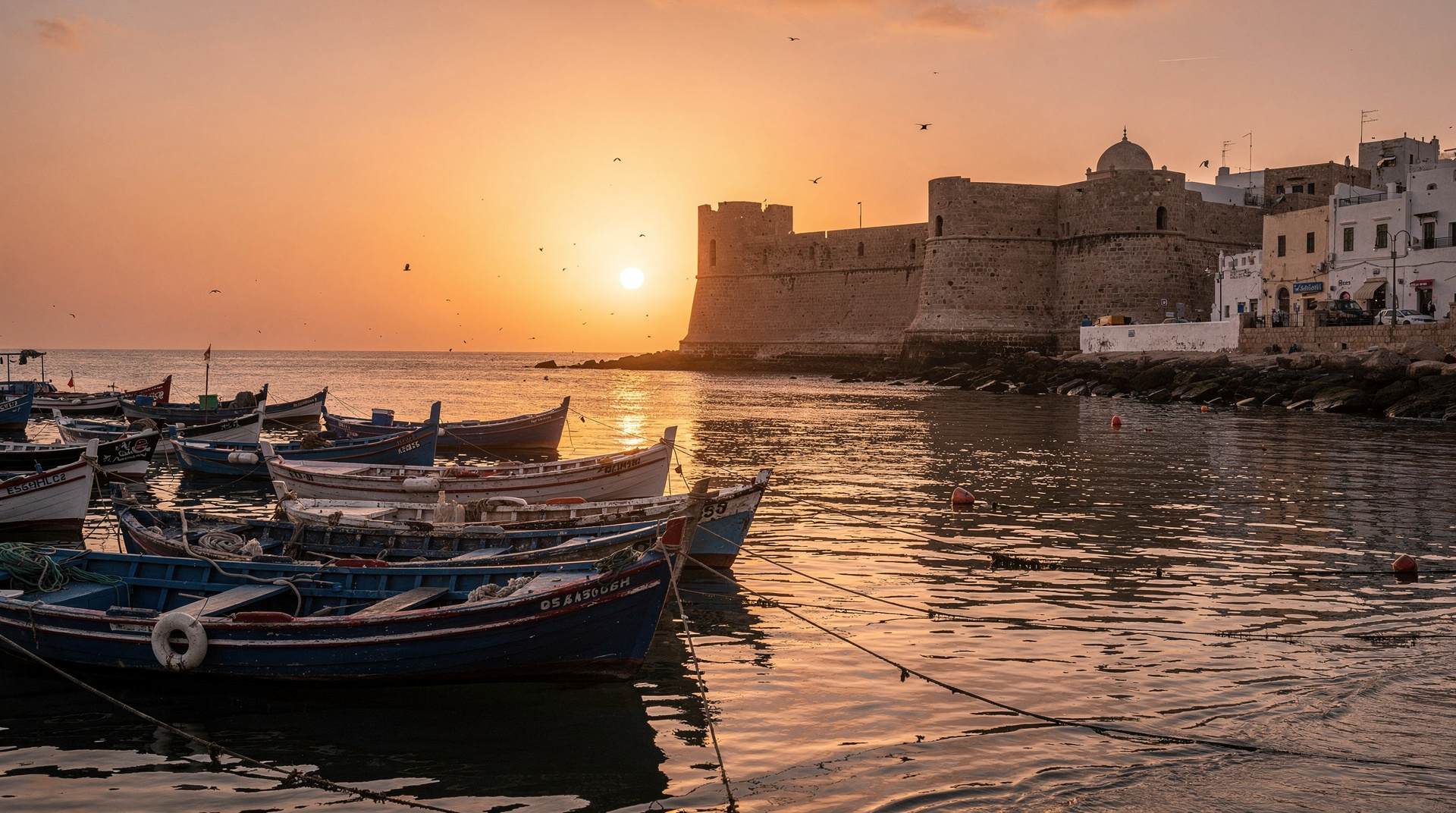
You may choose to add a Day 11 option: if your schedule allows, stay a night in Marrakech and transfer to Essaouira the following morning for a 2-night coastal finish. Essaouira is universally rated by solo female travelers as the single most comfortable city in Morocco — the pace is slow, the medina small, the atmosphere decidedly bohemian. Accommodation at Riad Baladin or Villa Quieta (€70–110/night).
If you cannot extend, Essaouira as a day trip from Marrakech is possible (2h30 each way; full day of ramparts, medina, and seafood before returning). The Essaouira day trip from Marrakech makes this simple.
Where to stay: Marrakech riad (night 10) or Essaouira riad if extending
Budget estimate today: €60–100 including dinner and accommodation
Total trip cost estimate
| Item | Budget (pp) | Mid-range (pp) |
|---|---|---|
| Accommodation (10 nights) | €350 | €700 |
| Overnight train Fes–Marrakech | €35 | €40 |
| Buses (Tangier–Chefchaouen, Chefchaouen–Fes) | €25 | €25 |
| Group Sahara tour (3 days) | €180 | €260 |
| Food and drink (10 days) | €180 | €320 |
| Guided tours and entry fees | €150 | €250 |
| Local transport (taxis, trams) | €50 | €80 |
| Total (flights excluded) | €970 | €1,675 |
Safety tips that actually matter
Accommodation: Always choose riads in the medina over anonymous hotels. The locked gate, the on-call host, and the riad community feel create genuine security. Apps like Booking.com and Airbnb both list reputable riads with verifiable reviews.
Dress code: Conservative dress reduces unwanted attention significantly. Loose trousers or a long skirt, a light long-sleeved top, and a scarf that can be used as a head cover if entering mosques or more traditional areas. You are not required to dress conservatively, but you will have a more comfortable experience.
Medina navigation: The assertive approach to touts — firm, non-apologetic, keep walking — is more effective than polite hesitation. “La shukran” (no, thank you in Arabic) used once, clearly, with continued forward movement is the correct response. Engaging, explaining, or apologising creates an opening. Walking on closes it.
Nighttime: Stay in well-lit medina areas after dark. The main souks around Djemaa el-Fna are busy until 22:00 and feel safe. Narrow residential lanes away from the tourist areas at 23:00 are better avoided solo.
Read the comprehensive solo female travel Morocco guide before your trip and the is Morocco safe guide for full context. For the northern Morocco section of this route, see our northern Morocco itinerary and the Chefchaouen destination guide. For Fes detail, see the Fes guide and for the Sahara segment, the Merzouga guide and 3-day Sahara tour guide.
City-by-city comfort level
Not every stop on this route demands the same vigilance. Knowing which cities to relax in and which need more focus helps you pace the trip.
| City | Comfort level for solo women | Why |
|---|---|---|
| Chefchaouen | High | Small medina, slower pace, low tout pressure |
| Essaouira | High | Bohemian, relaxed, medina is compact and calm |
| Fes | Moderate | Complex medina genuinely needs a guide, not danger — disorientation, not risk |
| Marrakech | Moderate | More persistent touts and street hassle; riad security and firm responses handle it |
| Tangier | Moderate | Fine for a first afternoon; less relevant once you head north |
If this itinerary feels like more city-hopping than you want, the northern Morocco itinerary covers Chefchaouen and Tangier at a gentler pace and skips the Sahara leg and the overnight train.
Frequently asked questions about Solo female Morocco itinerary
Do I need to speak French or Arabic to travel Morocco solo? No. English is widely spoken in tourist areas, riads, and by guides on the bookable tours in this itinerary. A few French phrases help outside tourist zones, but they are not essential for this route.
Is the overnight train from Fes to Marrakech safe for a solo woman? Yes, when booked in a couchette (first class) rather than a seat. The 6-berth compartments lock from the inside and are widely used by solo female travelers. Avoid unreserved seating carriages overnight if traveling alone.