Travelling Morocco during Ramadan surprised me in ways I did not expect
The guidebook version
Every guidebook that mentions Ramadan says roughly the same thing: daytime food service will be limited, many locals will be fasting and possibly irritable by late afternoon, alcohol is hard to find, and you should be discreet about eating in public. Some go further and suggest avoiding Morocco during Ramadan altogether if you can help it.
I had read all of this before my trip in March 2023. Ramadan that year fell in late March and ran through to the Eid al-Fitr holiday in late April. My trip overlapped with the final two weeks of the holy month.
What actually happened was different enough from the guidebook version that I want to write it down, not to contradict the practical advice — most of which is accurate — but to describe the texture of what Ramadan travel actually feels like, which is a thing the guidebooks consistently fail to capture.
At a glance
| Where | Marrakech and Fes, 2 weeks |
| Timing | Final two weeks of Ramadan, March–April |
| Cost impact | Similar overall; some alcohol and daytime dining options unavailable |
| Getting around | Grand taxi and bus schedules run on adjusted hours — plan transport earlier in the day |
| Best time to eat out | After Iftar (sunset) rather than midday |
What the guidebooks got right
Let me start with accuracy. The practical limitations are real. Many restaurants and food stalls in the medinas of Marrakech and Fes do close during the day, or open late and keep reduced menus. The local café culture — men sitting with small glasses of tea at outdoor tables from early morning — essentially vanishes from the street. By 4 pm, the medinas of both cities take on a particular mood: quieter than usual, with a tension in the air that is not hostile but is palpable. The energy of people who have not eaten or drunk water since before dawn and are in the final hours of the fast.
The alcohol situation is also real. Hotel bars in international hotels continue serving. The liquor stores that exist in Marrakech’s Guéliz neighbourhood close. Many restaurants that normally serve wine with meals do not during Ramadan. I did not drink much during those two weeks, partly by choice — it felt contextually odd — and partly by logistical necessity.
Carrying snacks was genuinely useful. I ate breakfast in my riad (most riads serve breakfast behind closed doors regardless of Ramadan), and for the rest of the day I had nuts and dried fruit in my bag for the stretches between meals. This is practical advice I would give anyone.
The first sunset prayer and everything that changed
But here is what the guidebooks do not tell you about. At Iftar — the breaking of the fast at sunset, announced by the Iftar cannon that fires in Marrakech and by the call to prayer — Morocco transforms completely.
I was sitting on the rooftop terrace of my riad in the Mouassine neighbourhood when the cannon fired on my first evening. In the five minutes that followed, the streets below went from near-empty to full. Every household opened their door. The smell of harira — the thick lemon-and-tomato soup that is the traditional Iftar first course — rose from every kitchen simultaneously. Neighbours appeared on the rooftops. Someone below started playing music. Children ran in the alleyways. The whole city, which had been holding its breath all day, exhaled.
I sat on that rooftop for two hours and watched Marrakech eat and talk and laugh in a way I had never seen it do before. None of it was for me. None of it was tourism. It was a city engaged in a ritual that predates anything we would call modern life, and I had accidentally positioned myself to witness it from above.
This is not something you can see at any other time of year.
The invitation
On my third day in Fes, I got lost in the medina — which is, in Fes, essentially inevitable. I ended up in a residential quarter behind the Bou Inania Madrasa, in an alley that narrowed to maybe a metre and a half, with no idea where I was. A woman appeared in a doorway, looked at me, looked at my useless phone GPS, and said, in French, “You are lost?”
I admitted that I was. She said, “Come,” and gestured inside.
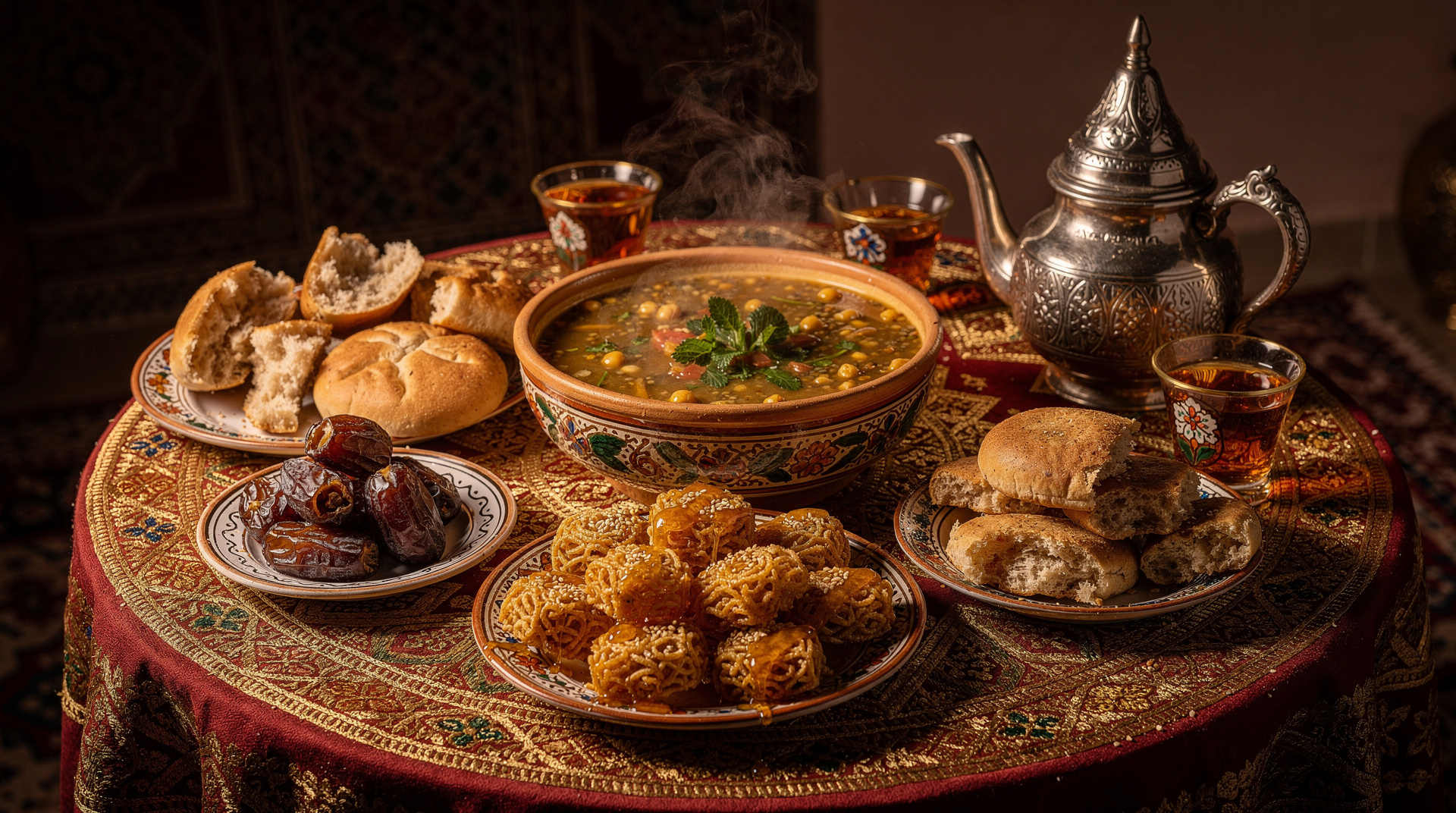
I hesitated for approximately half a second before following her into a courtyard. Inside was a family — her husband, two adult children, an elderly woman I took to be a grandmother — arranged around a cloth laid on the ground. It was the hour before Iftar. The table held harira, dates, shebakia (a honey-and-sesame fried pastry that appears everywhere at Ramadan), hard-boiled eggs, and a platter of fruit.
They invited me to sit. I sat. We ate — or rather, we waited together while the final minutes of the fast ticked down, and then ate — with barely a shared language between us. My French is serviceable but this family’s French was limited to the woman’s. The rest of the conversation was gesture, phone translation, and the particular wordless fluency that comes from sharing food.
I stayed two hours. I left with harira in a container the grandmother pressed on me. I was not able to properly explain where my riad was, and the husband walked me to a main street he knew and pointed me toward a recognisable landmark.
I think about this evening more than almost anything else from that trip.
What Ramadan does to tourist Morocco
One of the unexpected benefits of travelling during Ramadan is that the tourist infrastructure thins out. Many visitors avoid Morocco in Ramadan based on the guidebook advice. This means the medinas are noticeably less crowded during the day, the hassle from touts and commission-hunters is reduced (many of them are also fasting and conserving energy), and the experiences that do remain open — museums, architectural sites, guided medina walks — are more tranquil than at any other time of year.
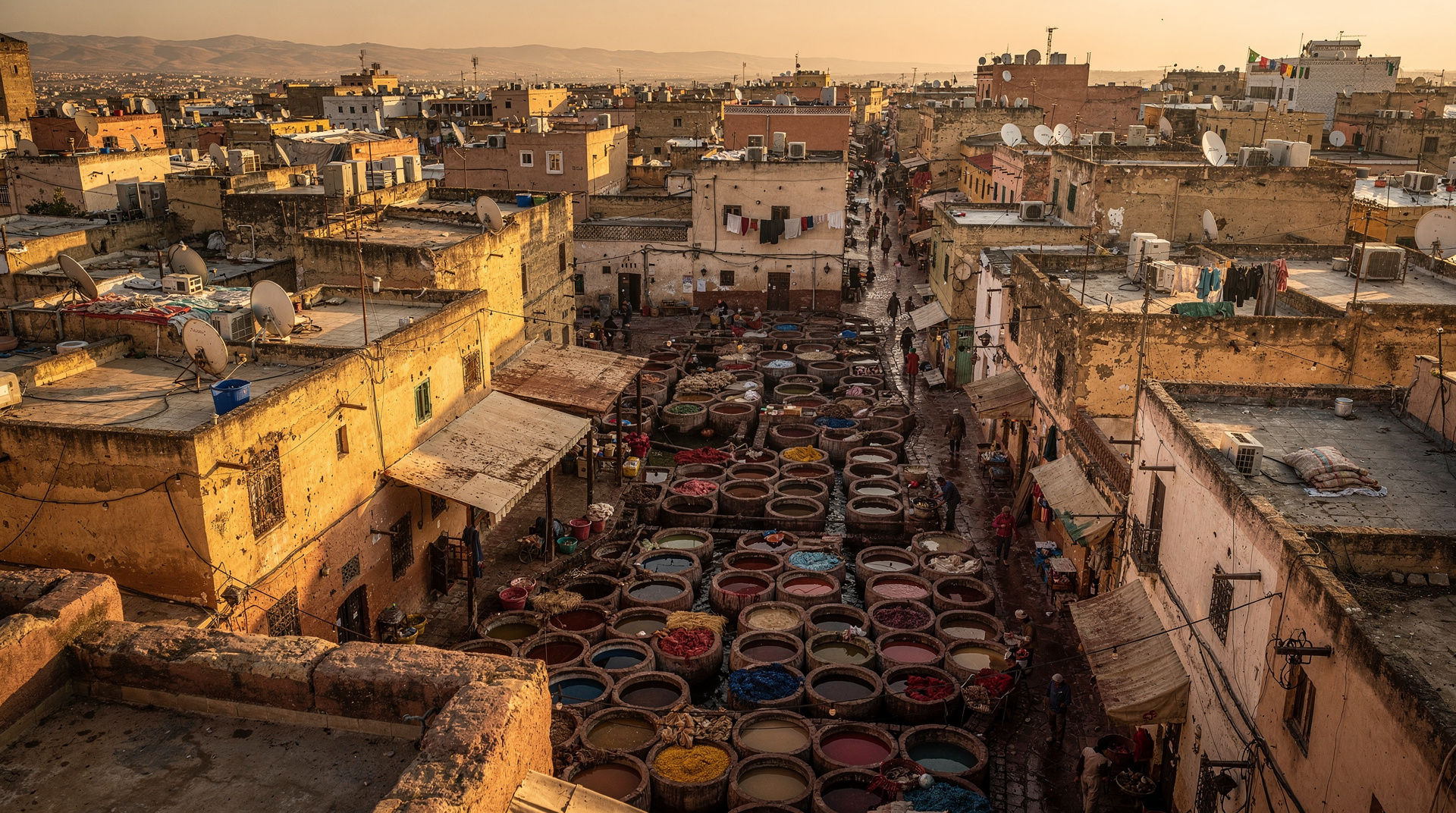
The Fes full-day cultural tour is particularly worth booking during Ramadan precisely because the crowds are thin — the tanneries, madrasas, and medina lanes are at their most contemplative.
The tanneries in Fes at 10 am during Ramadan: almost no other tourists. The Chouara tannery, which is normally three-deep at the viewing terrace, had six people when I visited. Six. The leather workers below were going about their work in the vats of dye and pigeon dung with the same rhythm they have kept for centuries, undisturbed by tour group selfie sticks.
The Bahia Palace in Marrakech, which in April normally requires navigating organised tour groups in every courtyard, was quiet enough that I sat in the cedar-ceilinged salon for forty-five minutes without feeling hurried. I read. A cat came and sat near me. The light shifted through the carved screens.
These are Ramadan’s secret gifts.
The food, when you find it
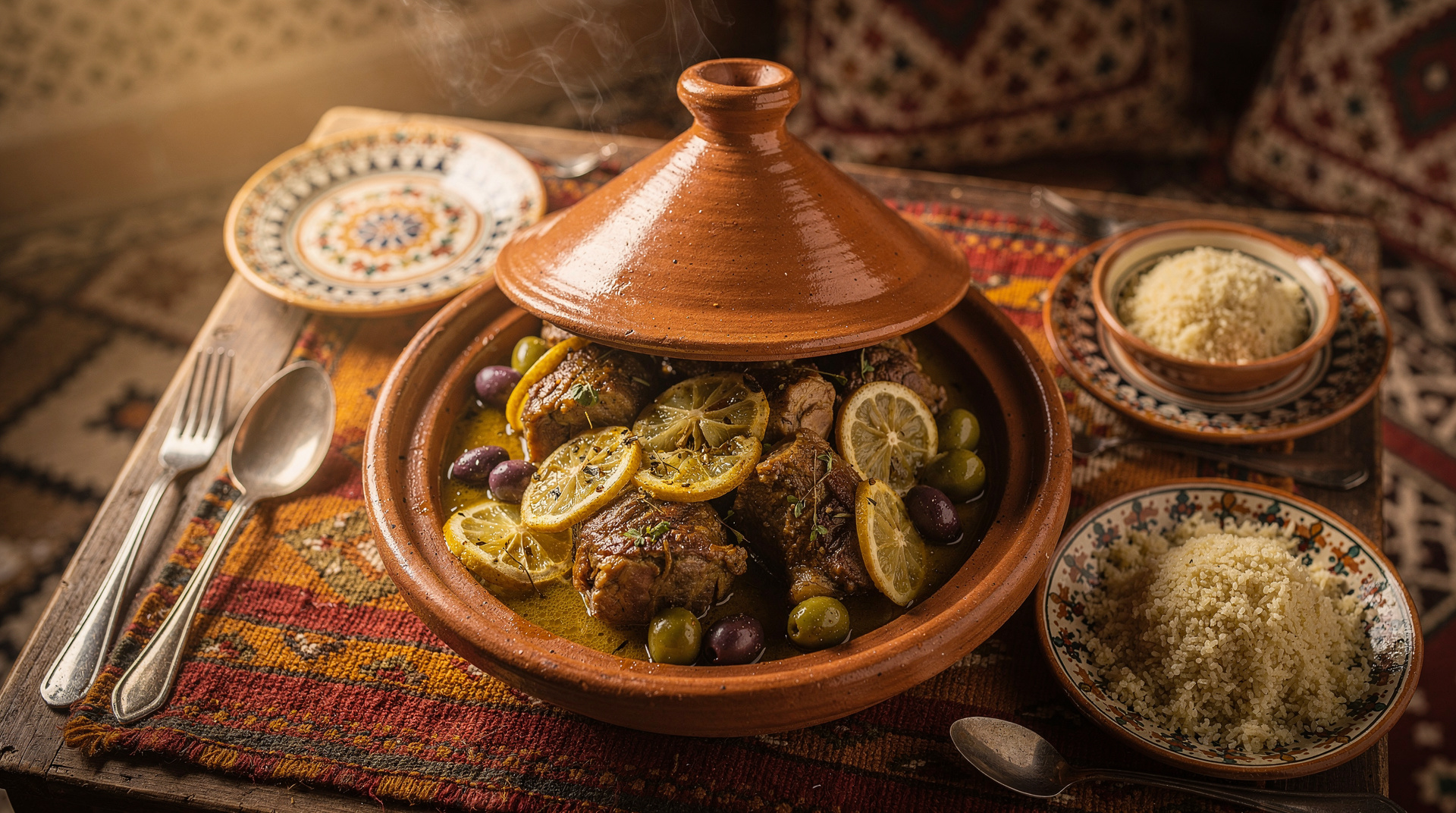
The tourists who avoid Ramadan miss the Ramadan food. This is the great irony. The pastry shops — normally excellent — go into seasonal mode: shebakia piled in mountains, different varieties of chebba and sellou, the syrupy fried pastries that are made specifically for this month. The harira served at the street stalls that reopen at Iftar is better than the harira I have eaten at any other time of year — richer, cooked longer, thicker with chickpeas and lentils, seasoned with fresh cilantro.
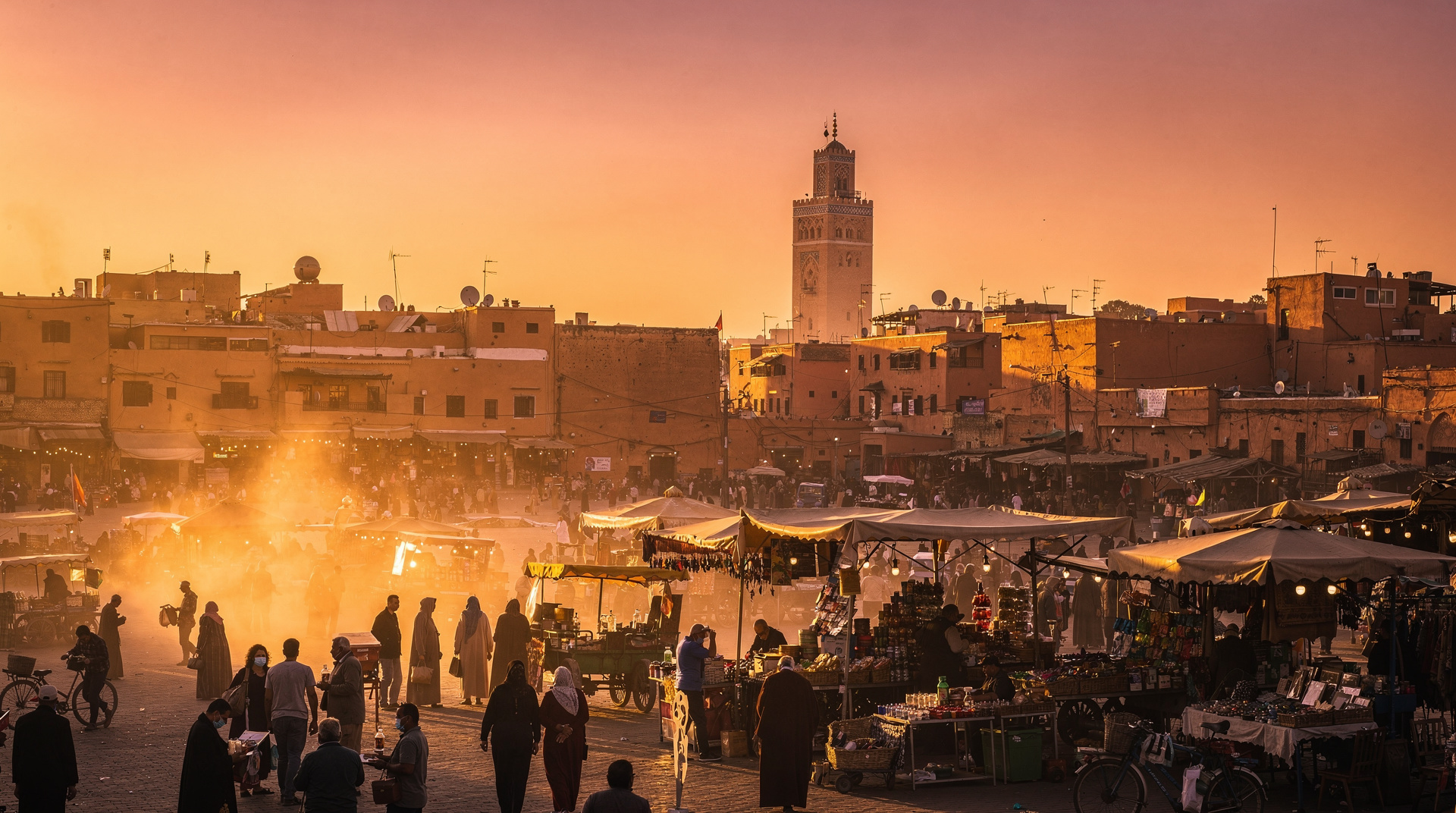
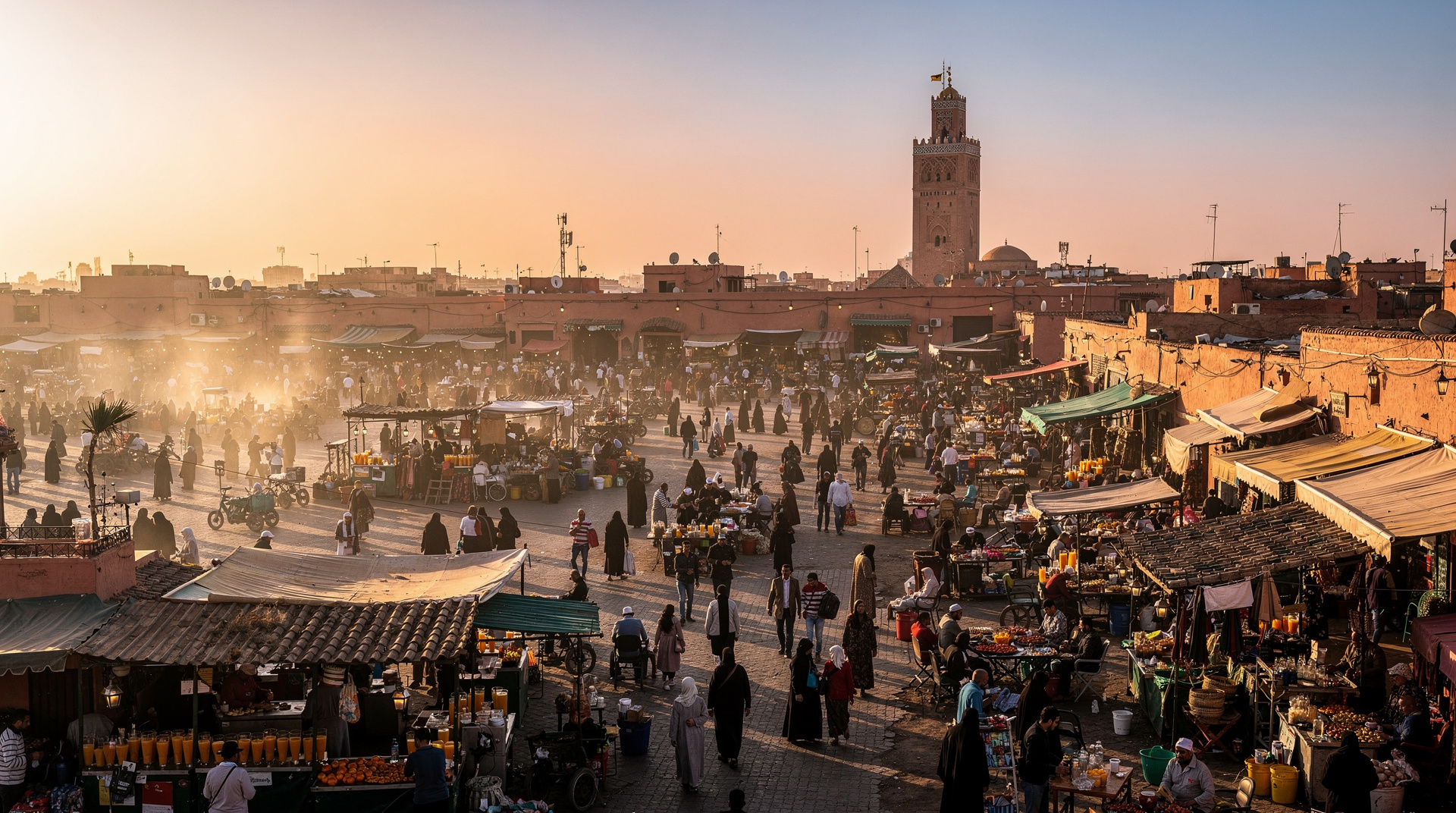
The night market atmosphere after Iftar in Jemaa el-Fnaa in Marrakech is something completely different from the daytime tourist performance of the square. Families out together. Teenagers in groups. An atmosphere of collective celebration and relief that has a warmth that the regular tourist-season evening does not always have.
I stumbled into a late-night impromptu Gnawa music gathering in Fes at 11 pm that went on until 2 am. The musicians were not performing for tourists — there were two of us, accidentally present, in a circle of maybe sixty locals. This is not an experience I could have choreographed. It happened because the city’s social life had moved to nighttime, and I had moved with it.
The honest difficulties
I do not want to over-romanticise. There were hard days. One afternoon in Fes, genuinely hungry by 5 pm, I could not find a single open restaurant. I ended up eating peanuts from a supermarket while sitting on a step in the medina, which was both undignified and fine. I missed morning coffee badly — not the coffee itself, but the ritual of sitting in a café with it, watching the street.
The late afternoon energy of the medinas — particularly in Marrakech, where the tourist economy and the fasting economy collide — is sometimes tense in a way that is wearying if you are navigating it alone. Some of the shopkeepers are genuinely depleted by late afternoon. The famous Moroccan hospitality, normally robust, can thin slightly under the weight of an eighteen-hour fast.
Transport also changes. The grand taxi routes operate on adjusted schedules. Some local bus services reduce frequency. Travelling between cities mid-afternoon during Ramadan can involve longer waits and shorter tempers. Do your transport earlier in the day.
Ramadan Morocco at a glance: what changes and what doesn’t
| Changes during Ramadan | Stays the same | |
|---|---|---|
| Restaurants | Many close or reduce hours midday | Tourist-facing spots and riads keep serving |
| Alcohol | Liquor stores close; many restaurants stop serving wine | Hotel bars in international hotels continue |
| Transport | Grand taxi and bus schedules adjust, especially mid-afternoon | Trains between major cities run largely as normal |
| Crowds | Thin out noticeably at monuments and medinas | Peak-season sites like the Bahia Palace stay open |
| Evenings | Transform entirely after Iftar — markets, food, music | The call to prayer rhythm is unchanged |
This trip covered Marrakech and Fes; the pattern holds broadly across other cities too, though smaller towns can have fewer tourist-facing options open during the day. Our Ramadan food guide covers the seasonal dishes — shebakia, harira, sellou — mentioned throughout this post in more depth, and if you are weighing whether to travel during this specific window at all, our Ramadan travel in Morocco guide has the fuller practical checklist.
Would I do it again?
Yes, without hesitation. With the following caveats:
- Carry snacks and water. Eat breakfast properly at your accommodation.
- Plan your main meal for the evening, after Iftar. The best eating happens then anyway.
- Adjust your schedule. Start early, rest in the late afternoon when the city is winding down, come back out after sunset.
- Accept that some experiences will be unavailable or modified. Be flexible.
- Be respectful of public fasting. Do not eat conspicuously in public during the day in the medinas. It is not illegal, but it is considerate.
And go to Iftar somewhere. Ask your riad host if you can observe the family Iftar, or accept an invitation if it comes. It is the best window into Moroccan daily life that the tourism industry cannot package and sell to you.
Our best time to visit Morocco guide covers Ramadan timing by year, since the lunar calendar shifts the dates forward by about eleven days annually, and our first-time visitors guide has a cultural norms section relevant to Ramadan travel.
The harira at sunset was worth it. The grandmother’s food, eaten in a stranger’s courtyard in Fes, is still the best meal I have had in Morocco. I did not plan any of it. That is also worth noting.
If you want a version of the Iftar food experience that is planned — more reliable, less serendipitous — the Marrakech night food tour with dinner at Jemaa el-Fnaa gives you the evening food culture of the square with a guide who explains what you are eating and why. The context it provides is worth more than the food itself, especially during Ramadan when the square’s atmosphere changes after Iftar.
Frequently asked questions about Travelling Morocco during Ramadan surprised me in ways I did not expect
Does Ramadan affect flights and trains in Morocco? Trains between major cities generally run close to normal schedules. Local buses and shared grand taxis are more likely to have reduced or adjusted frequency, particularly in the hour or two before Iftar — plan intercity transport earlier in the day where possible.
Can tourists eat and drink in public during Ramadan in Morocco? It is not illegal, but discretion is appreciated — eating in a quiet spot rather than the middle of a busy souk is the common-sense approach locals themselves suggested. Hotel and riad dining rooms are unaffected.