My worst Sahara tour mistake — and what I'd do differently
It started with a very good deal
I found the listing on one of the large hostel booking platforms: a three-day shared desert tour from Marrakech to Merzouga and back, camel ride included, meals included, desert camp included, 79 euros. Every review said the guide was “friendly” and the scenery was “stunning.” I booked it immediately.
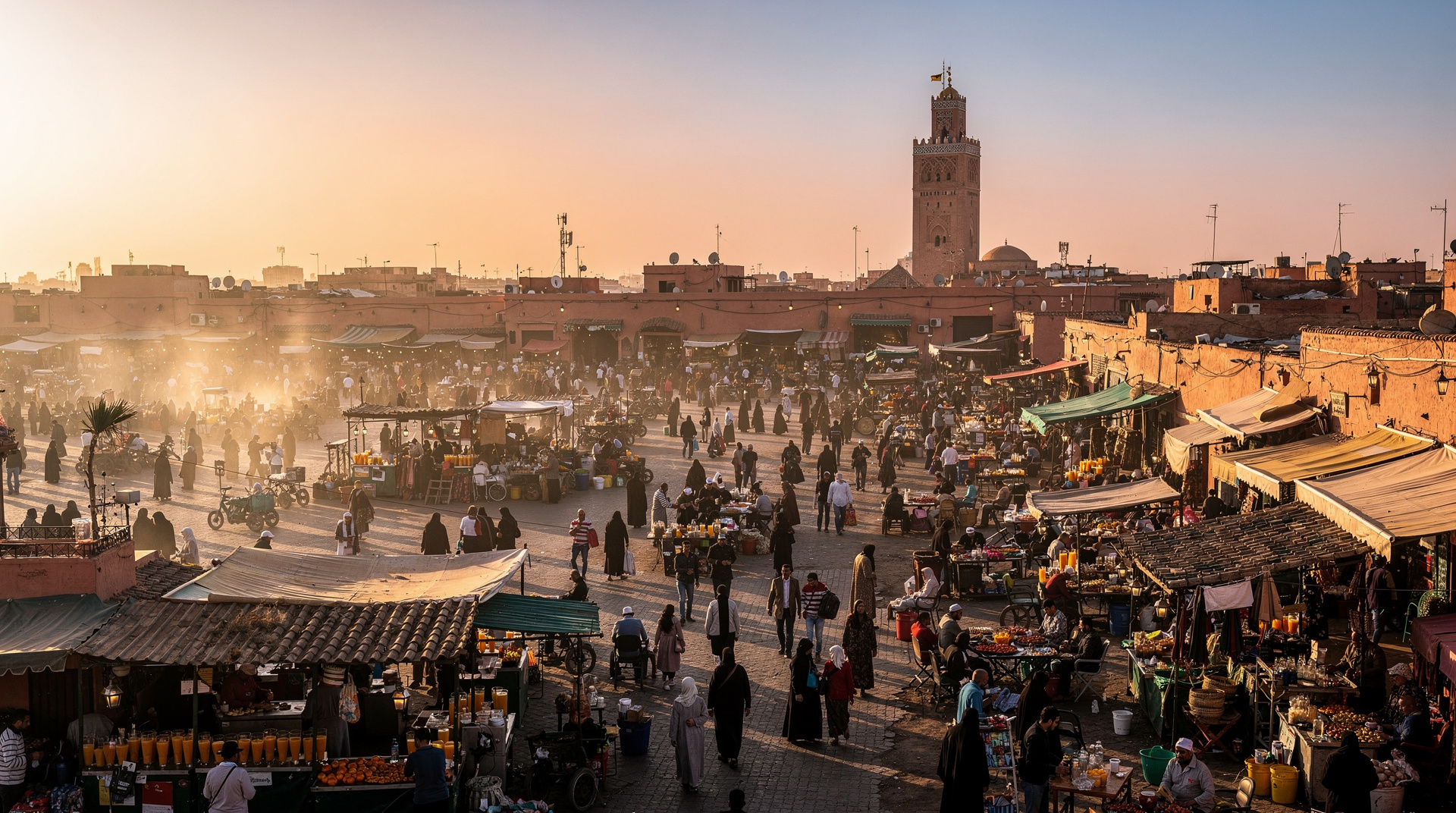
I want to be clear about this: the scenery was stunning. The landscape between Marrakech and Merzouga — the Tizi n’Tichka pass, the valley of Ait Benhaddou, the Draa Valley palmeraies, the Todra Gorge, the slow approach to the Erg Chebbi dunes — is one of the most beautiful road journeys I have taken anywhere. None of what I’m about to tell you changes that.
But I also want to be honest about what 79 euros for three days actually buys you, because nobody who sold me that tour was honest about it.
At a glance
| Route | Marrakech → Ait Benhaddou → Ouarzazate → Dades Valley → Merzouga |
| Cost (budget shared tour) | Roughly 70–120 euros for 3 days, 2 nights |
| Time needed | 3 days minimum from Marrakech; ~10 hours driving each way |
| Better options | Private driver (~250–400 euros/day) or a mid-range small-group tour |
| Alternative if short on time | Zagora — 2 days, closer, cheaper |
The group
Twelve people in a Toyota Hi-Ace minibus designed for eleven. I got the fold-down seat in the middle row — the one without a headrest — which I occupied for approximately fifteen hours across three days. The passengers were a mix of solo backpackers, three couples, and a pair of friends celebrating a birthday. Ages ranged from about 22 to 55. Nobody had met before.
This could have been fine. In fact, at the start, the group energy was genuinely fun — the kind of spontaneous travel camaraderie that people reminisce about. But twelve strangers in close quarters for seventy-two hours on a punishing road have a compressed social arc that goes from camaraderie to negotiated tolerance to barely concealed irritation faster than you might expect.
The birthday celebrants wanted to stop for photos every forty minutes. A couple from the Netherlands had dietary restrictions that made meal stops complicated. One solo traveller got altitude nausea on the Tichka pass and needed two unscheduled breaks. None of this was anyone’s fault. It was just the inevitable physics of twelve very different people locked into a shared itinerary.
Day one: the schedule illusion
We left Marrakech at 7:30 am. The itinerary promised: Tichka pass, Aït Benhaddou, Ouarzazate studio tour, Skoura palmeraie, Boumalne Dades, Todra Gorge. I read this and thought: full but doable.
What I did not understand is that “promised” and “rushed through” are synonyms on a budget shared tour. Aït Benhaddou — a UNESCO World Heritage kasbah that deserves two hours of unhurried wandering — we spent exactly 45 minutes on, including a very fast lunch. The Atlas Film Studios in Ouarzazate were a drive-by photo opportunity, not a visit. Todra Gorge, where the rock walls close to eight metres apart and the light turns extraordinary at dusk, we arrived at in the dark.
By 10 pm we were in a guesthouse in Boumalne Dades that charged 20 euros per person for dinner — separate from the tour price, despite “meals included” being listed. The “included” meals turned out to mean breakfast. A point buried in paragraph six of the terms I had not read.
The desert camp
This is where things either save a budget tour or confirm your worst fears about it. Ours confirmed fears.
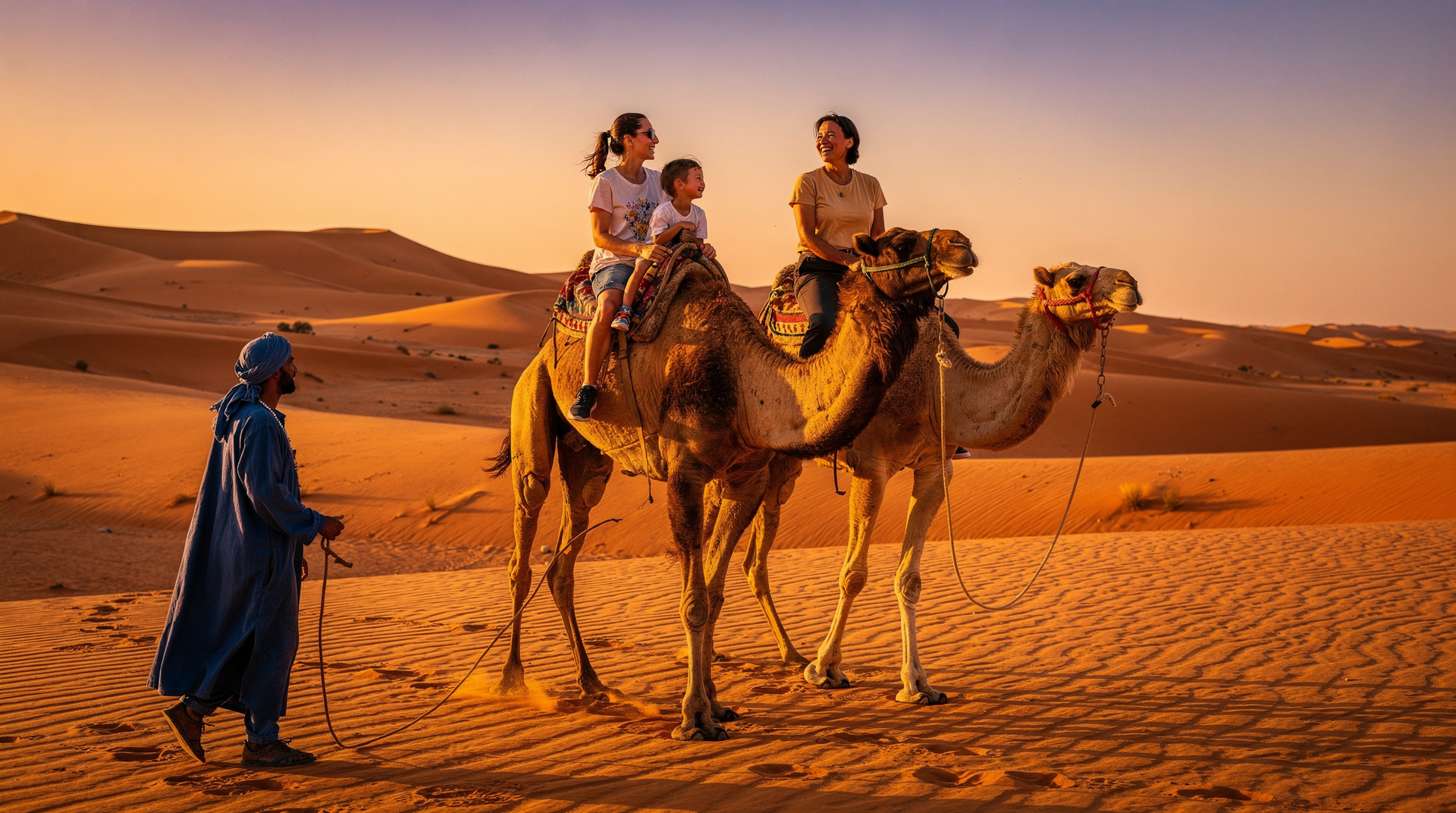
The “desert camp” was a cluster of fixed canvas tents about forty minutes from Merzouga by camel — a ninety-minute ride that was genuinely wonderful, one of the moments I would not trade. But the camp itself was the kind that operates at such volume that romance is structurally impossible. Generator noise. A Bluetooth speaker playing Spotify at one end. Shared bathroom facilities that I will describe only as: functional. Thin mattresses on camp beds with blankets that had seen better days.
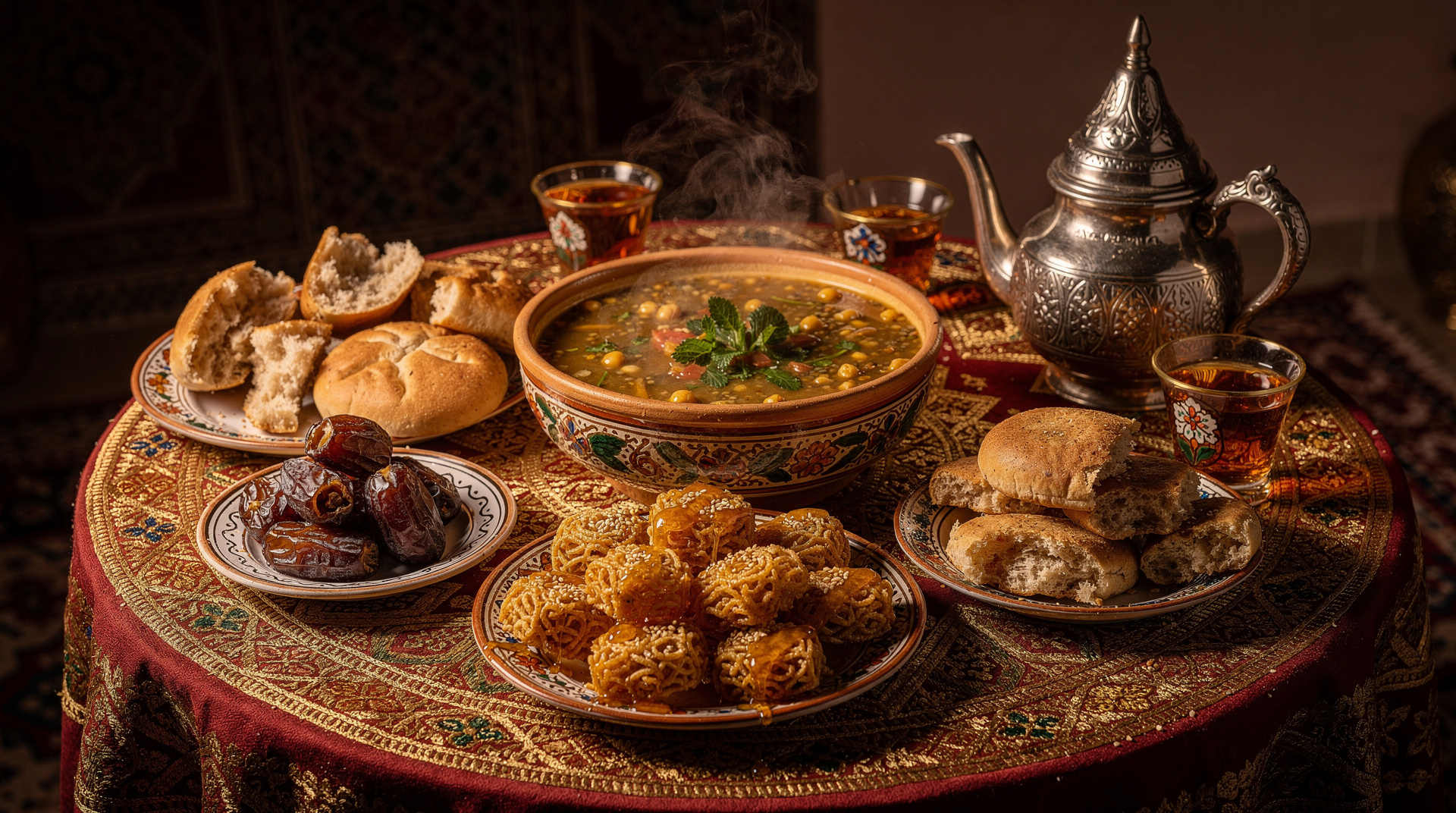
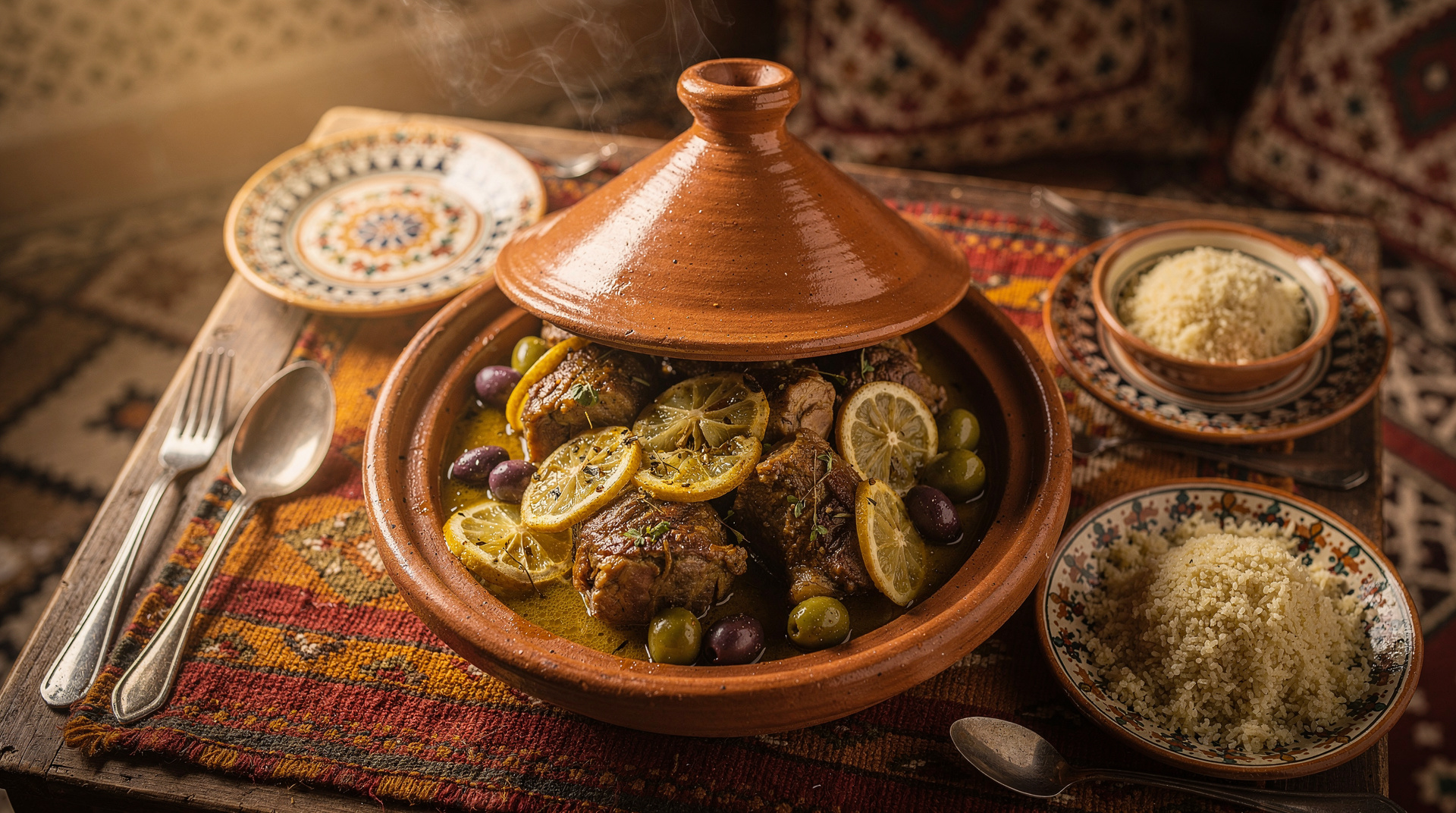
The dinner was fine — a decent tagine served communally. The fire was a fire. The stars were, as promised, magnificent — this at least is a thing the Sahara delivers on budget or luxury: the sky above Erg Chebbi on a clear night is one of the most overwhelming things you will ever see.
But I lay awake at 2 am listening to the generator and thinking about the photo I had seen in a travel magazine of a private Berber-style tent in the dunes, lantern-lit, with a proper bed and silence, and I felt the specific grief of having saved two hundred euros and lost something I cannot quite quantify.
What I’d do differently
Book a private driver instead of a group tour
The single biggest change. A private driver — typically an experienced Moroccan man with a 4x4 or a comfortable sedan, personal knowledge of the route, and flexibility to stop when and where you want — costs between 250 and 400 euros per day depending on the vehicle and itinerary. For two or three people splitting that cost, it competes favourably with budget shared tours on a per-person basis, while giving you the ability to spend two hours at Aït Benhaddou if you want to, stop at a village your guide knows, or skip the studio tour because you have been to enough studios.
Our private driver guide for Morocco goes into detail on how to find and vet one.
Choose luxury camp over cheap camp — or skip the camp
This might sound obvious, but I genuinely had not done the arithmetic before this trip. The difference in nightly price between a budget desert camp (30–50 euros per person) and a quality luxury camp (150–350 euros per person) sounds enormous. But when the camp is the emotional centrepiece of your entire Morocco trip — when you have driven ten hours from Marrakech specifically to sleep in the Sahara — the experience gap is not proportional to the price gap.
A luxury overnight camp in Merzouga with camel ride and dinner costs significantly more than what I paid for my entire three-day tour. It also, I am told by people who have done both, makes the budget camp feel like a different country. Our full luxury desert camp review breaks down exactly what you get and whether it’s worth it.
Do Zagora if you want simple
Zagora is the closer Sahara alternative — two days from Marrakech instead of three, sand dunes instead of Erg Chebbi (smaller, but real), and significantly cheaper across the board because the drive is shorter. If your budget is genuinely limited and you want a desert night, Zagora is the honest choice. Merzouga on a budget asks you to compromise on experience while paying for the premium destination. Zagora at least matches budget to expectation.
A two-day Zagora desert tour from Marrakech is the version I would recommend to budget travellers who want the overnight Sahara experience without the compromises of a three-day Merzouga run.
Read the inclusions list obsessively
Every budget tour lists inclusions. “Meals included” almost always means breakfast. “Transport included” may mean a specific vehicle class. “Accommodation included” is doing a lot of heavy lifting if the accommodation is a 12-person dorm in a guesthouse. If the listing does not specify, ask specifically before booking: what meals exactly, what accommodation category, what vehicle type, how many people maximum.
Decide what matters most to you before booking anything
For some travellers, the budget shared tour is exactly right. If you genuinely do not mind the pace, enjoy meeting strangers, can sleep anywhere, and view the dunes as the destination rather than the camp, a 79-euro three-day tour delivers legitimate value. The scenery costs the same at any price point.
But if the desert experience itself — the silence, the stars without a generator, the solitude of a private tent — is what you are coming for, you need to budget for it honestly. Saving on the tour to afford the camp, or saving on both and doing a shorter Zagora version, are both better decisions than I made.
Sahara tour options compared
| Option | Group size | Camp quality | Price (per person) | Best for |
|---|---|---|---|---|
| Budget shared tour | 10–14 | Basic, generator noise | ~70–120 euros | Travellers who want the dunes, not the atmosphere |
| Mid-range shared tour | 6–8 | Better paced, dinner included | ~150–250 euros | A balance of budget and comfort |
| Private driver + luxury camp | 1–4 (your group) | Private tent, full flexibility | ~400–700 euros (3 days) | Anyone for whom the camp is the point of the trip |
| Zagora 2-day alternative | Varies | Smaller dunes, simpler camp | Lower than any Merzouga option | Limited time or budget, still want an overnight desert |
Our Merzouga vs Zagora comparison goes deeper on which dunes suit which traveller, and our how to book a Sahara tour guide walks through vetting an operator before you commit money.
What I’d ask before booking now
Having made every mistake once, here is the specific list of questions I ask an operator before paying anything: How many people maximum in the vehicle, and is there a spare seat for rotation on long drives? Which meals exactly are included — ask for the specific meal, not the word “included”? Is the desert camp fixed or does it move seasonally, and how far by camel or 4x4 from the pickup point? Is the camp shared with other tour operators’ groups, which affects both noise and bathroom queues? What happens if someone in the group needs an unscheduled stop — is the itinerary rigid or does the driver have flexibility built in?
None of these questions guarantee a great trip, but they would have caught most of what went wrong with mine. Our 4x4 Sahara tours guide has a longer checklist if you are comparing several operators side by side.
The part I do not regret
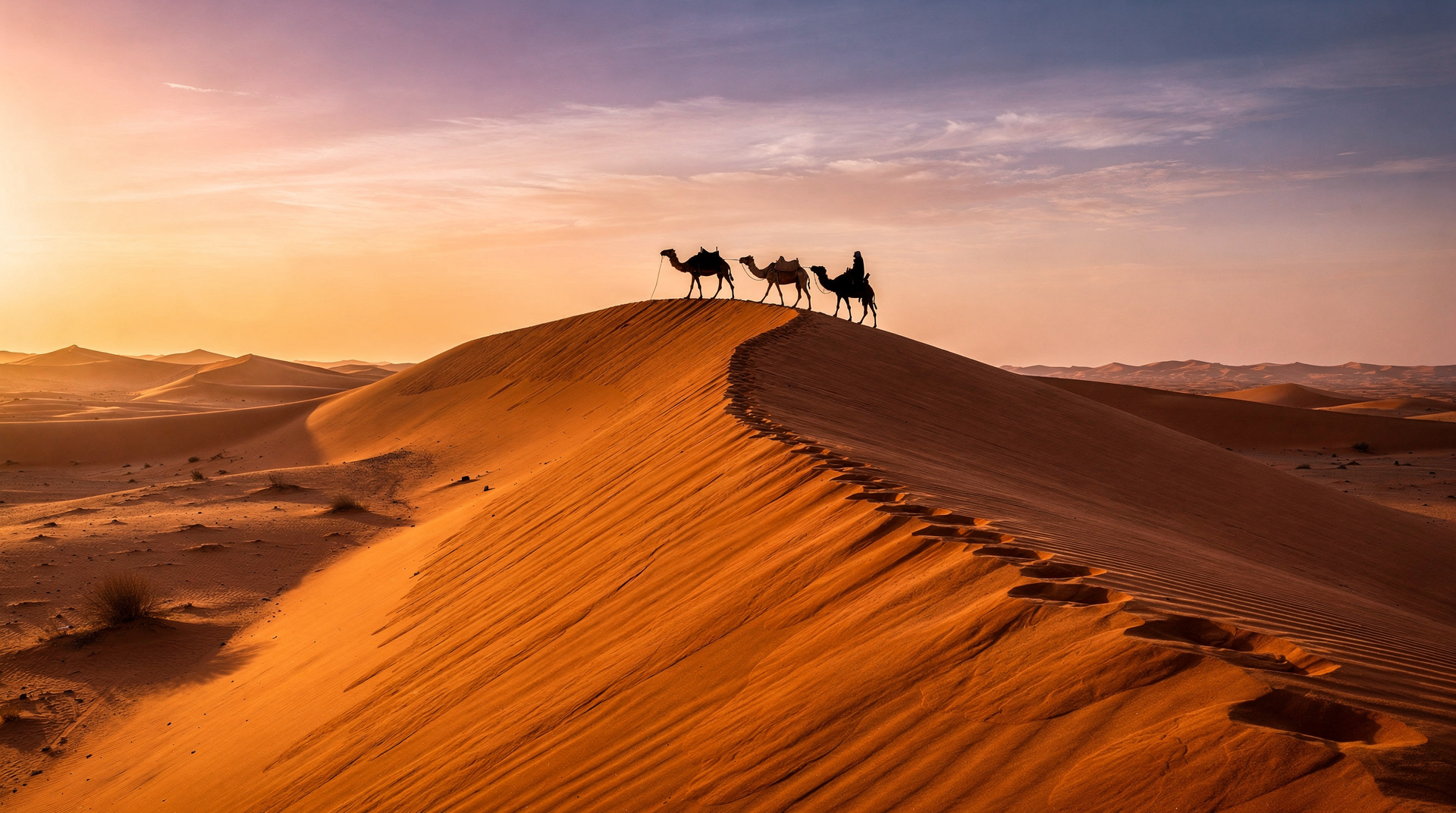
On the second morning, before the group had woken up, I walked out of the camp into the dunes alone. The sun had just cleared the horizon. The sand was still cold underfoot. The dunes were the colour of gold that verges on orange. There was no sound at all — no generator, no other tourists, no guides. Just the soft whisper of wind reshaping the crest of the nearest dune.
That lasted about twenty minutes, until the first person appeared with a phone and the morning’s social contract resumed. But those twenty minutes happened. They were real. And they would have been real on any tour, at any price.
The Sahara gives this to everyone who makes it out there early enough. You do not need the luxury tent to access the thing that actually matters. What you do need is to know, before you book, which version of the experience you are paying for — and whether the gap between that and what you wanted is one you can live with.
I could not. Next time I go back, I will spend more. But I also think about those twenty minutes in the cold sand quite a lot, and I am not sure they would have felt the same if I had paid five times as much to get there.
Practical summary
- Budget shared tours (70–120 euros): Expect 10–14 people, rushed itinerary, basic accommodation, breakfast only. Scenery is identical to any price point.
- Mid-range shared tours (150–250 euros): Smaller groups (6–8), better-paced stops, included dinners, better camp quality.
- Private driver + luxury camp (400–700 euros per person for 3 days): Full flexibility, private 4x4, luxury Sahara camp with private tent. Best experience by a significant margin.
- Zagora alternative: 2 days from Marrakech, smaller dunes, lower prices, honest about what it is.
- Key route: Marrakech → Tizi n’Tichka → Aït Benhaddou → Ouarzazate → Dades → Todra → Merzouga. Ten hours driving each way. It is the most beautiful drive in Morocco and worth every hour.
See our 3-day Sahara tour from Marrakech guide for the full route breakdown and timing, and our Merzouga destination guide for what to do once you are there.
Frequently asked questions about My worst Sahara tour mistake — and what I’d do differently
Is a budget shared Sahara tour from Marrakech worth it? It can be, if you accept what it is: a rushed itinerary and a basic communal camp in exchange for a low price. The scenery along the route is the same at every price point. Where budget tours fall short is the desert camp itself and the pace at stops like Ait Benhaddou.
How much should I budget for a private Sahara driver instead? Expect roughly 250–400 euros per day for a private driver and vehicle, which becomes competitive per person once split between two or three travellers, especially when weighed against the flexibility and quality gained. See our private driver guide for how to vet one.