Surf Morocco itinerary: 10 days on the Atlantic coast
Morocco’s Atlantic coast: the European surfer’s winter escape
The stretch of Atlantic coast between Agadir and Essaouira is one of the most consistent surf destinations accessible from Europe. From October to May, the North Atlantic swell wraps around Cap Sim and delivers reliable waves to a 200 km coastline of point breaks, beach breaks, and reef breaks. Water temperature stays at 16–20°C year-round — cold enough for a 3/2mm wetsuit in winter, surfable in summer with a shorty.
The infrastructure has grown significantly in the past decade without losing the character that made the coast attractive in the first place. Taghazout remains a fishing village; Imsouane is quieter than it was 10 years ago but still small; Essaouira’s surf scene operates around the edges of a genuinely intact historic medina. None of these places has been overrun in the way that, say, Fuerteventura or the Portuguese coast has.
This 10-day itinerary is structured around the three best zones on the coast: Taghazout (point breaks, largest surf culture concentration), Imsouane (the long bay wave), and Essaouira (the kitesurf and windsurf capital, with a good beach break for beginners). A rental car is recommended for maximum flexibility, though each zone is also accessible by grand taxi.
Route: Agadir → Taghazout (4 nights) → Imsouane (2 nights) → Essaouira (3 nights)
Total estimated cost (per person, flights excluded): €700–1200
At a glance
| Day | Route | Overnight |
|---|---|---|
| 1 | Fly to Agadir, transfer to Taghazout | Taghazout |
| 2 | Taghazout: surf lesson, explore the breaks | Taghazout |
| 3 | Taghazout: full surf day + Paradise Valley afternoon | Taghazout |
| 4 | Taghazout: surf morning + afternoon rest | Taghazout |
| 5 | Drive north: Imsouane (1h) | Imsouane |
| 6 | Imsouane: bay wave + cathedral reef | Imsouane |
| 7 | Drive north: Essaouira (2h) | Essaouira |
| 8 | Essaouira: surf lesson or kitesurfing intro | Essaouira |
| 9 | Essaouira: full day — waves + medina + seafood | Essaouira |
| 10 | Essaouira morning → return Agadir or fly home | — |
Understanding Morocco’s surf coast
Before planning where to surf, understand the variables:
Swell: The North Atlantic generates the swell. The best windows are October–April when low-pressure systems track across the Atlantic and send groundswell toward Morocco. Anchor Point (Taghazout) can hold 6–8 foot waves during big swells. Imsouane’s bay needs 4+ feet of swell to show its best form. Essaouira’s beach break is consistent at 2–4 feet year-round.
Wind: The coast is dominated by the trade winds (Alizées) in summer. These winds make Essaouira world-class for kite and windsurf but create onshore or choppy conditions for surfing. In winter (October–April), the wind is lighter and often offshore in the mornings. Early mornings are the best surf windows all along this coast.
Water temperature: 16–20°C year-round. A 3/2mm full wetsuit is comfortable October–April. A 4/3mm is warmer in January–February when SST drops to 16°C. In summer, a shorty (2mm short-arm/short-leg) or even boardshorts if you run warm.
Ability levels:
- Beginners: Taghazout beach break, Tamraght beach break, Essaouira beach break
- Intermediate: Imsouane bay, Hash Point, Panoramas (Taghazout)
- Advanced: Anchor Point, Killer Point, Boilers (Taghazout area); Cathedral reef (Imsouane)
Day 1: Arrive Agadir — transfer to Taghazout
Agadir Al Massira Airport (AGA) has direct connections from most European cities. A rental car from the airport puts you at Taghazout in 25 minutes — drive north on the N1 and turn left at the sign. Grand taxis from Agadir city or airport to Taghazout: €8–12 per vehicle (not per person; negotiate the full vehicle price).
Taghazout is 20 km north of Agadir on a headland above a right-hand point break. The village has about 2000 permanent inhabitants and perhaps 500 surf tourists at any given time in the winter season. The main street runs parallel to the beach; guesthouses and surf camps occupy most of the buildings on the upper and lower sides.
Check in and walk to Hash Point — the most accessible break in the village, a right-hand reef point that starts working at 3 feet and handles up to 6. Watch the local surfers and assess conditions. In November and March, afternoon sessions here are reliable.
Where to stay: Morocco Surf Adventures, Atlas Ocean, or Surf Berbère are established surf camp operators offering dorm + lessons packages (€50–80/night) or private room packages (€80–120/night). Book in advance — Taghazout fills up in peak season.
Day 2: Taghazout — first surf session
Morning is the best surf window. The offshore or light wind before 10:00 makes the waves cleaner. Be in the water by 08:00 if conditions allow.
If you are a beginner: Book a lesson with your surf camp (usually included in the package). The instructors take you to the most appropriate break for your level — typically the beach break at Tamraght (3 km south, more forgiving than the Taghazout points) or Taghazout’s own sandy section. A morning lesson covers: carrying the board, reading the waves, positioning, paddling technique, popping up. Two hours is enough for most people to stand on their first wave.
The Taghazout surf lesson for beginners is available via GetYourGuide if you prefer to book independently of a camp.
If you are intermediate or advanced: Paddle out at Hash Point for the morning session. The wave peels right from the headland across a shallow reef — best at 3–5 feet with a light offshore or no wind. At 6+ feet, Killer Point (1 km north) handles the bigger swell. The local surfers are welcoming to respectful visitors; the lineup is generally not localism-aggressive.
Afternoon: The Amouage Cafe and several juice bars on the main street do excellent avocado toast, fresh juices, and coffee. The afternoon is for watching the surf from the sea wall, eating, resting.
Day 3: Taghazout — Paradise Valley excursion
A rare non-surf day (or morning surf + afternoon excursion).
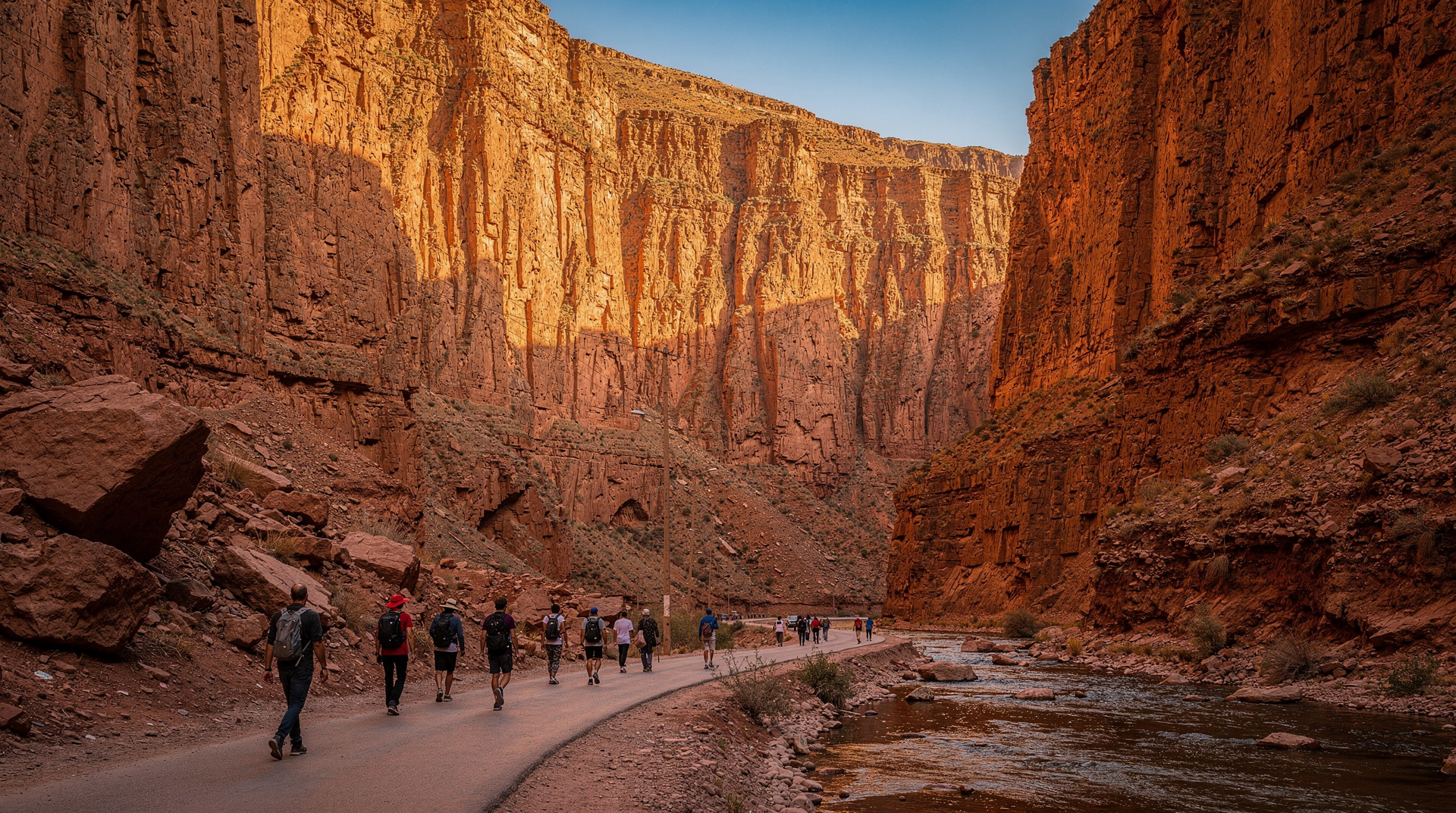
Paradise Valley is 30 km inland from Agadir — a river gorge cutting through the coastal mountains, lined with palms and inhabited by Barbary macaques. The natural swimming pools, fed by springs, are the cleanest fresh water swimming in the region. The gorge is accessible by local bus or grand taxi from Agadir (€5–8 per person each way) or by the Paradise Valley day trip from Agadir with lunch included.
The walk into the valley takes 1–2 hours depending on how far you go. The pools deepen and the canyon narrows as you walk upstream. Bring water shoes — the riverbed is slippery rock, not sand.
Return to Taghazout for an afternoon surf check and dinner in the village. The fish restaurants on the lower street serve fresh-caught grilled fish daily: sardines, sea bass, bream, at prices genuinely lower than the tourist coastal strip of Agadir (€6–12 per person for a full fish dinner with salad and bread).
Day 4: Taghazout — Anchor Point exploration
Anchor Point is Taghazout’s most famous wave: a right-hand point break that runs for 300+ metres when conditions are right. It is one of the longest point breaks in Africa, best at 4–8 feet, and gets hollow and powerful in the 6+ range. Intermediate to advanced surfers only.
The walk to Anchor Point from Taghazout village takes 20 minutes over the headland or 15 minutes by road. Paddle out carefully — the entry is over rocks and the take-off zone is a specific section of reef. Local surfers will show you where to sit if you ask respectfully.
Morning session: the water at Anchor Point at 07:30 with offshore wind and 5-foot swell is one of the finest surfing experiences in the Atlantic. Afternoon sessions are typically onshore or sideshore by November–March.
For non-surfers or rest day: Taghazout’s Souk (market) on Thursdays brings the agricultural hinterland to the village — olives, fresh vegetables, live chickens, spices, household goods. Agadir’s Souk el Had (the largest covered market in Morocco, open daily) is 20 km south and worth a half-day.
Day 5: Drive to Imsouane (1 hour north)
Check out of Taghazout and drive north on the coastal road. The N1 highway passes through Tamraght (worth stopping for a last look at the beach break) and continues through Cap Ghir — a headland with dramatic cliffs and a lighthouse — before the road descends to the Imsouane bay.
Imsouane sits at the foot of a wide bay with two breaks: the inside bay wave (long, slow, forgiving) and the Cathedral reef outside the bay (a powerful, hollow right that breaks over a reef shelf). The village has one main street, a handful of guesthouses, a fish market, and a permanently salt-sprayed atmosphere.
Check in, walk to the bay, and watch the wave. The Imsouane bay wave at 4–5 feet is one of the most technically interesting beginner-to-intermediate waves in Morocco: it peels slowly from the point across the bay, giving you time to make moves, adjust your line, and ride for 200–500 metres before the wave straightens.
Where to stay: Village guesthouses (€20–40/night private room); basic surf camp dorms (€12–18). Options are limited; book well in advance in the November–March peak season.
Day 6: Imsouane — a full day on the long wave
Get in the water at 08:00. The Imsouane bay wave at this hour — light offshore wind, smooth faces, nobody else in the water yet — is the best surfing on this trip for intermediate surfers.
The wave mechanics: paddle out through the channel on the right side of the bay. Position yourself at the take-off zone (a slightly deeper section of reef near the headland). The waves stand up, peel slowly to the right, and run for 400–700 metres across the bay before closing out on the beach. Each wave gives you a 3–5 minute ride. Ten waves in a morning session and you will have covered 4–5 km of waves.
For advanced surfers: the Cathedral reef outside the bay handles overhead-plus swell and breaks hollow over a shallow reef. It is a committed wave — the entry and exit over the reef require care, and the hold-down potential in larger surf is real. Assess with local guidance before paddling out.
Afternoon:
The Imsouane fish restaurant (there is essentially one) serves the best grilled fresh fish on the coast in the most unpretentious setting: plastic chairs on a terrace above the bay, whatever was caught this morning (usually sardines, mackerel, squid), bread, and mint tea for €6–10 per person. Eat here twice.
The village market on Sundays sells produce from the surrounding farming communities. The argan oil sold here is locally produced — press the vendor on the source before buying.
Day 7: Drive to Essaouira (2 hours north)
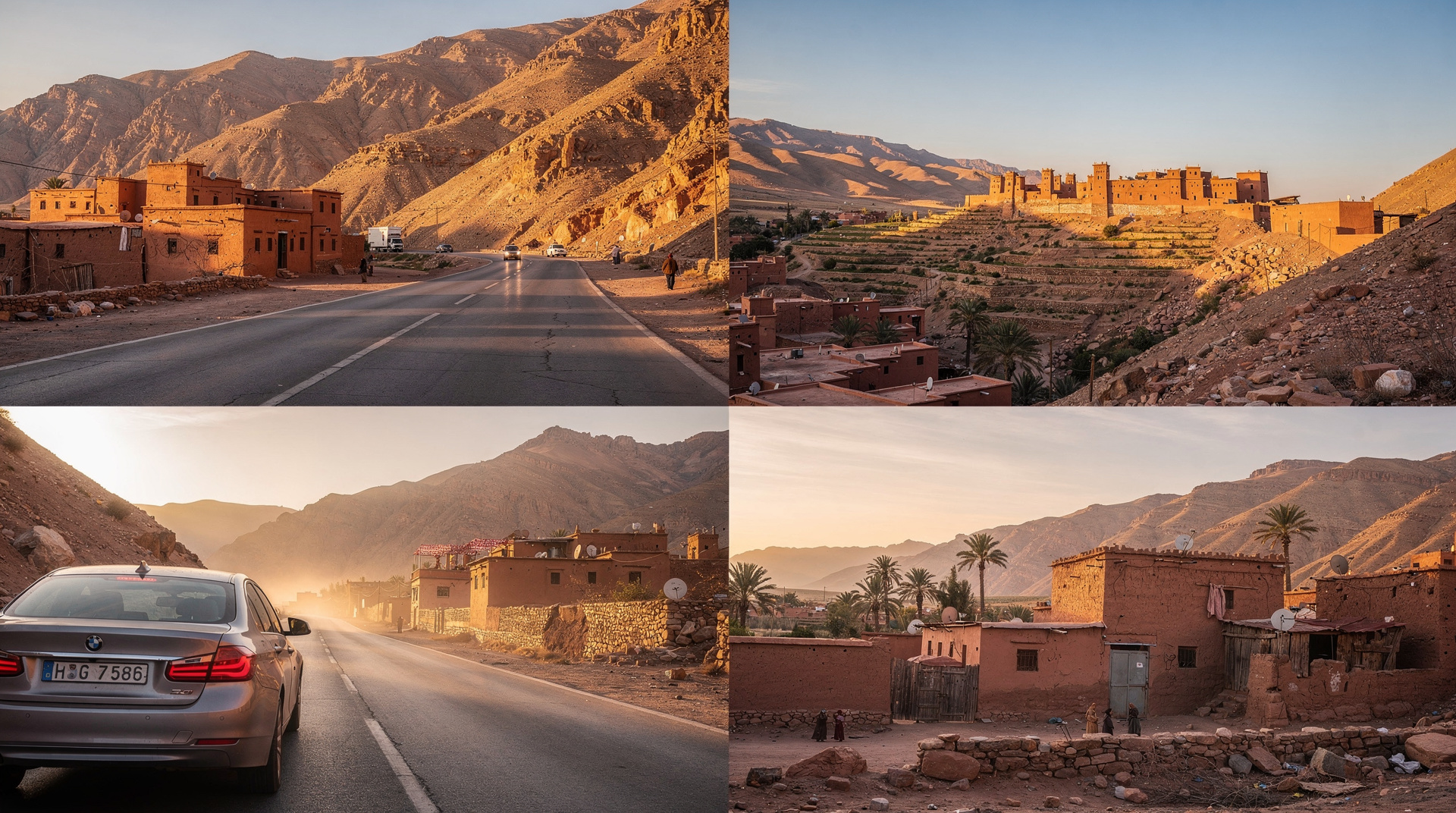
The coastal road from Imsouane to Essaouira runs 120 km north, passing through Cap Sim and several small fishing villages. The road is scenic and occasionally dramatic — cliffs above the Atlantic, argan tree-dotted hillsides, occasional surf spots visible from the road that have no obvious access point and no one in the water.
Stop at Sidi Kaouki, 25 km south of Essaouira — a windswept beach with a shrine and a small surf/kite community. In winter swell, the beach break here can be excellent and uncrowded.
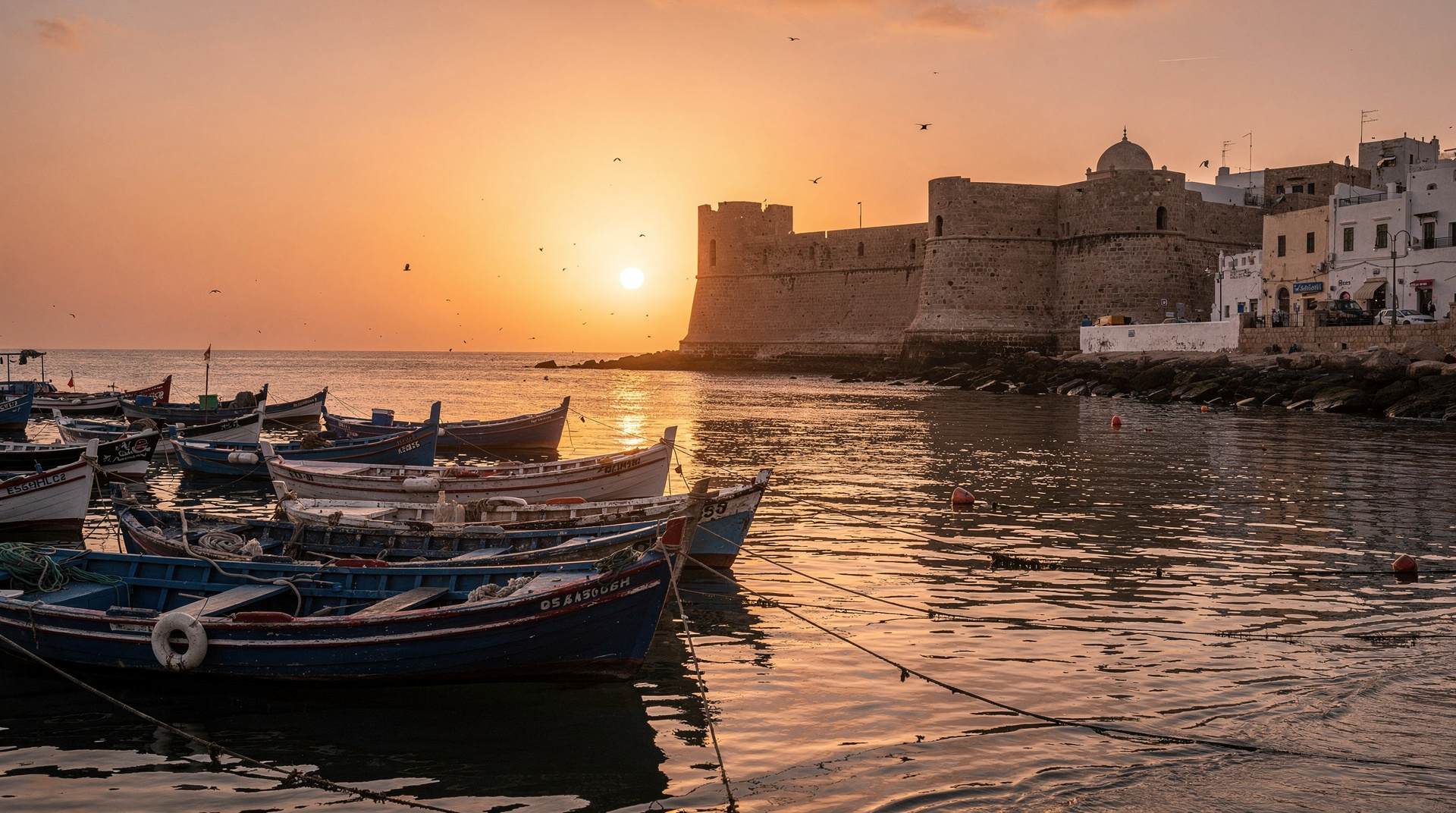
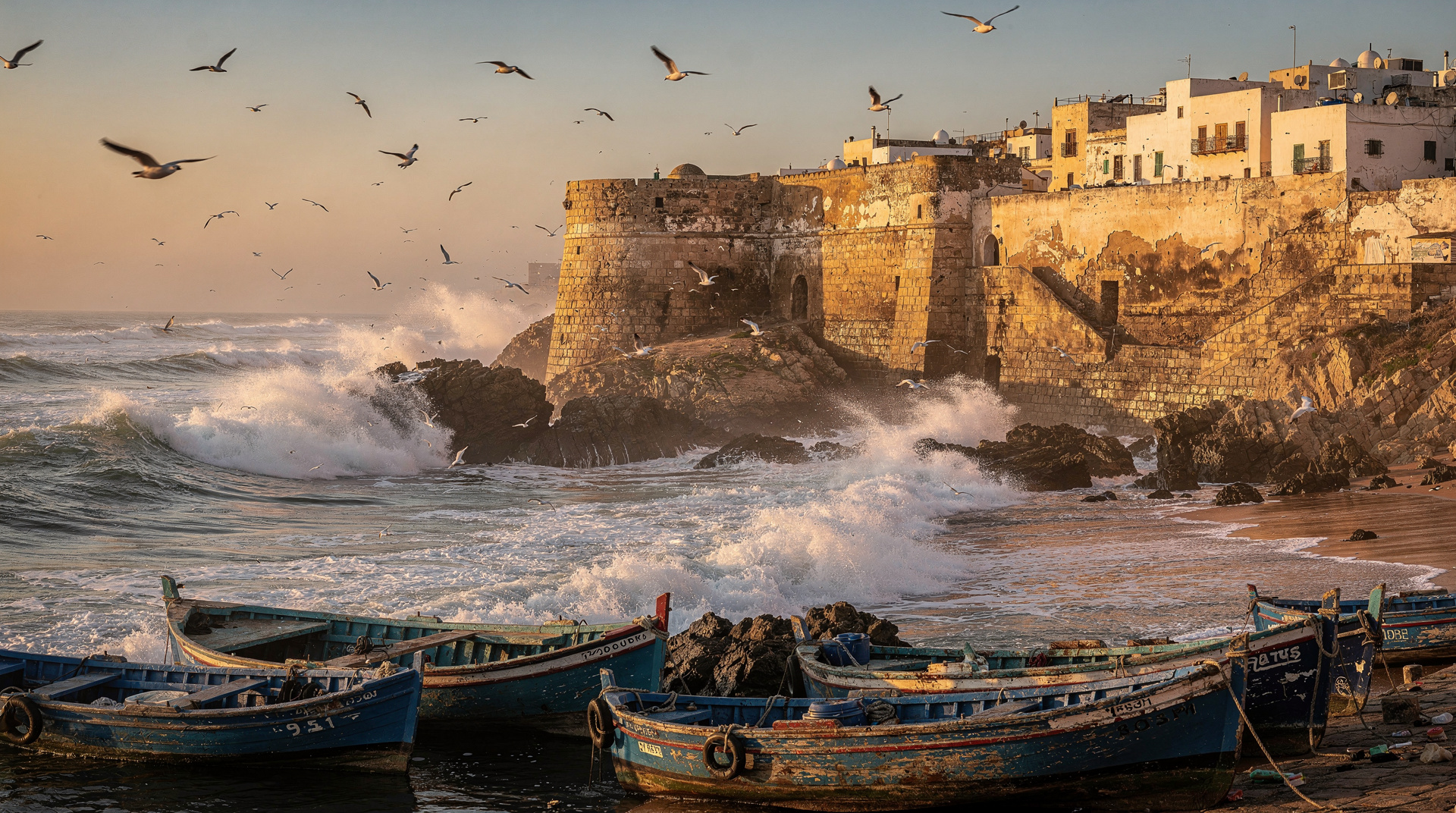
Arrive Essaouira by early afternoon. The medina is a UNESCO World Heritage Site and architecturally distinctive from all other Moroccan medinas: whitewashed walls with blue woodwork, ramparts above the Atlantic, wide lanes by medina standards. Check in and walk the ramparts before sunset.
Where to stay for surfers: The surf-oriented accommodation concentrates around Diabat (5 km south of the medina, nearer the main surf beach) or within the medina itself (closer to the city but 20 min walk to the beach). Riad Baladin (medina, €60–90), Dar Loulema (medina, €70–110), or a surf camp in the Diabat area (€30–50 for private room).
Day 8: Essaouira — surf lesson or kitesurfing intro
Essaouira has a split surf personality. The beach south of the medina is a consistent beach break at 2–4 feet, surfable year-round and ideal for beginner progression. The constant trade winds (20–30 knots, April–October) make the same beach world-class for kitesurfing.
For surfers: The Essaouira surf lesson for all levels covers beginners and those wanting to progress their technique. Operators on the beach include Ocean Vagabond and Magic Fun.
For kitesurfers: If the wind is up (and from April–October it almost always is), a kitesurfing intro session is the most memorable activity in Essaouira. The Essaouira kitesurfing lesson covers 3 hours including equipment, instructor, and IKO certification progress.
For windsurfers: Ocean Vagabond and Club Mistral both have windsurf schools on the beach. A beginner windsurf session (2 hours, €40–50) suits anyone who can stand up on a paddleboard.
Evening: the medina deserves a proper evening. Dinner at the Elizir restaurant on Rue d’Agadir (contemporary Moroccan, wine list, excellent cooking, €25–40 per person). Walk the Skala de la Ville ramparts at sunset.
Day 9: Essaouira — full day, waves and city
A final full day on the Atlantic coast. Morning surf session — the beach south of the medina breaks reliably at 2–4 feet in autumn and spring winds. The surf window in Essaouira is reversed from Taghazout: the wind is strongest in the afternoon, so the morning may actually be onshore, while the afternoon brings the cross-shore conditions that kiters want. Check local reports and ask your school.
Afternoon: Essaouira medina at depth
Two or three evenings in the city and you will have seen the main lanes, but the medina has more. The Mellah (Jewish quarter), now largely inhabited by Moroccan families, has a different architectural character — wrought iron balconies, narrow streets with a different rhythm from the main medina. The Skala du Port fortification on the harbour side (different from the Skala de la Ville) offers views of the working fishing harbour and the Ile de Mogador (home to a significant Eleonora’s falcon colony in summer).
The marquetry workshops are Essaouira’s signature craft: Thuya wood from the surrounding argan forests is turned and inlaid into geometric patterns. A well-made piece is a genuine souvenir; quality varies from tourist-grade to genuine artisan work. The difference is visible in the joint precision and the wood grain quality.
Seafood: The harbour fish stalls grill fresh catch at the most honest prices in Morocco. Whatever came in today (sardines, sea bass, squid, mackerel, prawns) is on the grill for €4–8 per plate. Eat here at least twice.
Day 10: Final morning + return Agadir
One final morning surf check before the drive south. Essaouira to Agadir Airport is 3 hours on the N1. Allow 4 hours total for driving plus check-in time.
If your flight is from Marrakech rather than Agadir: Essaouira to Marrakech is 2h30 by CTM bus or grand taxi. The CTM departs twice daily from near the medina.
Return your rental car at Agadir Airport. The car rental desks at AGA are straightforward; inspect the vehicle with the rental company representative before finalising.
Rental car notes for the surf route
The Agadir–Taghazout–Imsouane–Essaouira route is entirely on well-paved roads. A standard compact car (no 4x4 needed) handles it without issues. The advantage of a car over grand taxis on this itinerary is primarily timing: you can reach Taghazout for the 07:30 morning session, drive north in the afternoon when the surf dies, and explore back roads between breaks.
Parking: In Taghazout, park on the main road above the village (fee-free, attendant occasionally asks for 10 MAD / €0.90). In Imsouane, park on the approach road above the village. In Essaouira, use the paid car parks outside the medina walls (€5–8/day).
Budget estimate (10 days)
| Item | Per person |
|---|---|
| Accommodation (10 nights, mix surf camps + guesthouses) | €300–500 |
| Rental car (10 days) | €250–400 |
| Surf lessons (3–4 sessions) | €120–200 |
| Food (10 days, street food + restaurants) | €120–200 |
| Activities and miscellaneous | €50–100 |
| Total (flights excluded) | €840–1400 |
What to pack for a surf trip to Morocco
- 3/2mm full wetsuit (winter), shorty (summer) — rentable at all camps but better to have your own
- Board bag if travelling with your own board (Agadir Airport handles boards routinely)
- Surf wax (harder formula for Atlantic water temperature — “cold” or “cool” Sexwax)
- Rashguard and UV-protection lycra under wetsuit
- Zinc sunscreen for face and lips (important even in winter)
- Reef boots for rocky entries at Anchor Point and Imsouane Cathedral
- Waterproof bag or dry sack for phone and wallet at the beach
- Modest clothing for Essaouira’s medina (shorts are fine in tourist areas; covered shoulders appreciated)
Best months for Morocco surf
| Month | Waves | Wind | Weather | Crowds |
|---|---|---|---|---|
| Oct | 3–5ft consistent | Light | 22–25°C | Low |
| Nov | 4–6ft good | Light | 20–22°C | Low |
| Dec | 3–7ft, variable | Light-mod | 18–20°C | Very low |
| Jan | 4–7ft, powerful | Moderate | 16–19°C | Low |
| Feb | 4–8ft biggest swell | Moderate | 16–19°C | Low |
| Mar | 3–6ft | Light | 18–22°C | Medium |
| Apr | 2–5ft | Moderate | 20–23°C | Medium |
| May–Sep | 2–3ft (smaller) | Strong Alizées | 22–28°C | High (kite season) |
Best for surf: November–March. Best for kitesurfing: May–September.
Common mistakes
Arriving in summer expecting surf. June–August sees the smallest and most disorganised swell of the year. There are waves, but they are nothing like the consistent October–April windows. Come in winter for proper surf.
Staying only in Taghazout. Taghazout has the most infrastructure and the most famous breaks, but Imsouane’s bay wave and Essaouira’s beach break offer completely different experiences. The 3-zone circuit on this itinerary is the correct approach.
Not checking conditions before driving to a break. Magicseaweed and Surfline both have Morocco forecasts. Windguru is useful for Essaouira wind specifically. A 5-minute conditions check the night before saves driving to a blown-out spot.
Taking your board inside the medinas. In Essaouira especially: the medina lanes are not wide enough for a longboard. Leave boards at your accommodation or in the car.
Alternative variations
Without a car: Grand taxis connect Agadir–Taghazout (€2–3 per seat, 30 min), Agadir–Imsouane (€8–12 per seat, 1h15), and Essaouira–Marrakech or Agadir (€6–8 per seat). The main constraint is timing — grand taxis depart when full, which can mean a 30-minute wait.
Add Marrakech (3 days): If you want a cultural counterpoint to the surf trip, Marrakech at the start or end adds Djemaa el-Fna, the souks, and the Sahara day trip option. See our 7-day Morocco itinerary for a combined surf-and-culture approach.
Extend in Taghazout: Four nights is the minimum to surf Taghazout properly. Six nights allows you to wait for a solid swell window and maximise sessions at Anchor Point.
For more detail, explore our Taghazout surf guide and Essaouira guide.