Morocco vs Turkey: Which Exotic-but-Accessible Destination?
Should I visit Morocco or Turkey?
Both are exceptional value for European travellers and offer medina culture, hammams, and dramatic landscapes within 4 hours of flight. Turkey has Istanbul (one of the world's great cities), Cappadocia, and Aegean beaches. Morocco has more concentrated desert-mountain-coast variety and a more intact traditional medina culture. If you want the truly exotic feel of an ancient Islamic city, Morocco's Fes edges Istanbul. If you want Turkey's coastline and extraordinary cuisine, Turkey wins those categories.
Two “Islamic world accessible from Europe” destinations
Morocco and Turkey are frequently compared by European travellers looking for a culturally rich, affordable destination within a few hours’ flight. Both have ancient medinas, hammam traditions, spice markets, carpet bazaars, and dramatic landscapes. Both are Muslim-majority countries with well-developed tourist infrastructure. The question is: what makes them different, and which fits your specific trip better?
At a glance
| Morocco | Turkey | |
|---|---|---|
| Typical trip length | 7-10 days | 8-12 days |
| Getting there | ~3h30 from Paris/London | ~3h30-4h from Paris/London |
| Best time to go | March-May, September-November | May-June, September-October |
| Rough daily budget (mid-range) | 100-150 EUR | 100-160 EUR |
| Visa for EU/UK | Not required | E-visa required |
The quick comparison table
| Factor | Morocco | Turkey |
|---|---|---|
| Flight time from London | ~3h30 | ~4h |
| Flight time from Paris | ~3h30 | ~3h30 |
| Flight time from Berlin | ~4h | ~3h |
| Strongest city | Fes / Marrakech | Istanbul |
| Desert | Sahara — world-class | Not applicable |
| Mountains | High Atlas (4,167m) | Taurus range, Kaçkar |
| Coastline | Atlantic + Mediterranean | Aegean + Mediterranean + Black Sea |
| Beach quality | Good (Agadir, Essaouira, Al Hoceima) | Excellent (Bodrum, Antalya, Dalyan) |
| UNESCO sites | 9 | 21 |
| Hammam culture | Central, excellent quality | Excellent — Turkish bath is famous globally |
| Cuisine | Outstanding — spice-complex | Outstanding — arguably the world’s top 3 |
| Average cost/day (budget) | 40-60 EUR | 45-65 EUR |
| Average cost/day (mid-range) | 100-150 EUR | 100-160 EUR |
| Language barrier | Darija + French; English improving | Turkish; English in tourist areas |
| Currency | MAD (dirham) | TRY (lira — significant recent fluctuation) |
| Visa for EU citizens | Not required | E-visa required (simple online process) |
| Alcohol availability | Available in cities and tourist areas | Widely available |
| Safety 2026 | Generally safe | Generally safe; monitor for earthquake zones |
The case for Morocco
Morocco’s competitive advantage over Turkey is the combination of Sahara desert, High Atlas mountains, and living medieval medinas — all within one relatively small country. No other destination in the world at Morocco’s price point offers this specific combination.
Why Morocco works:
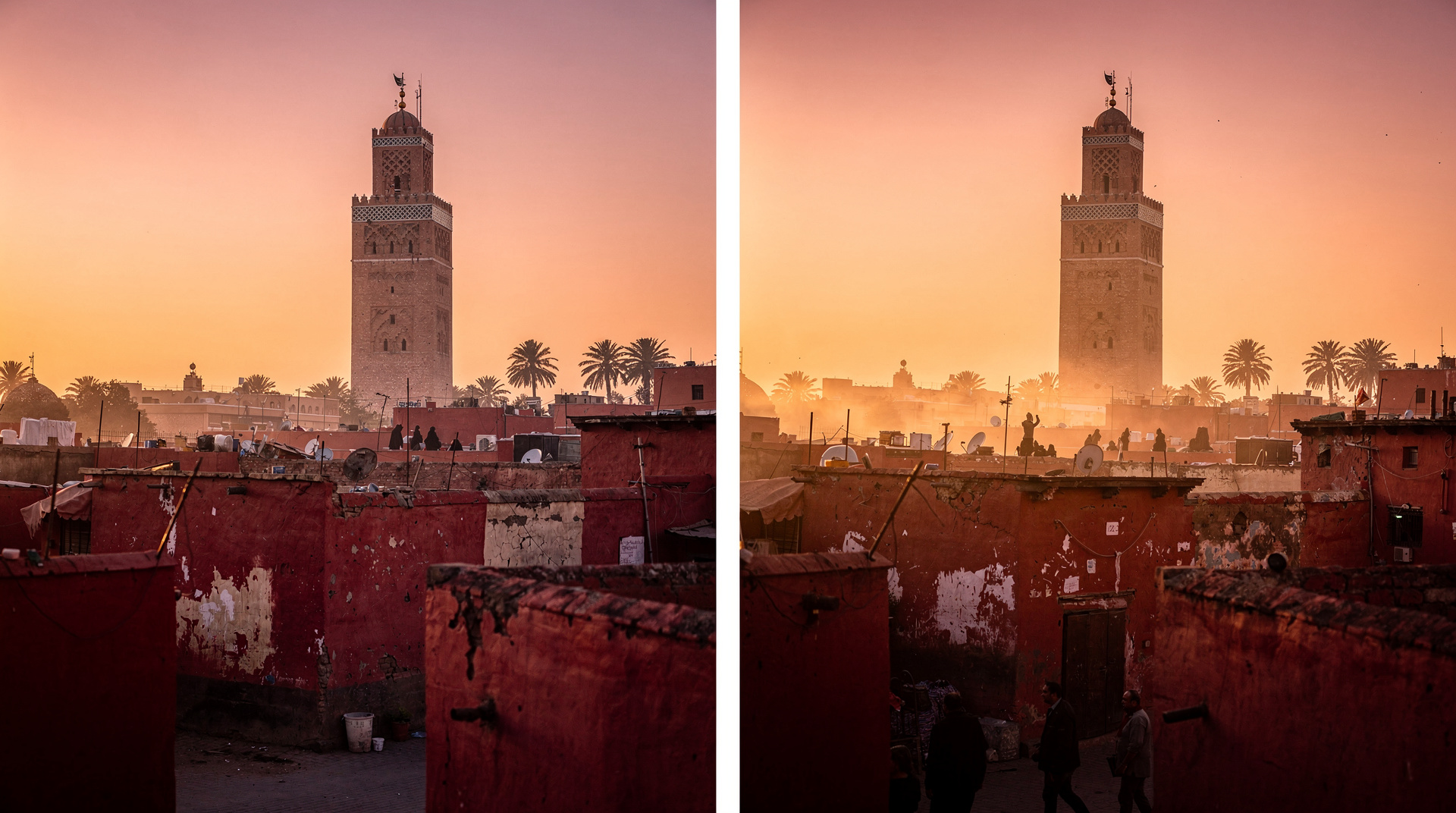
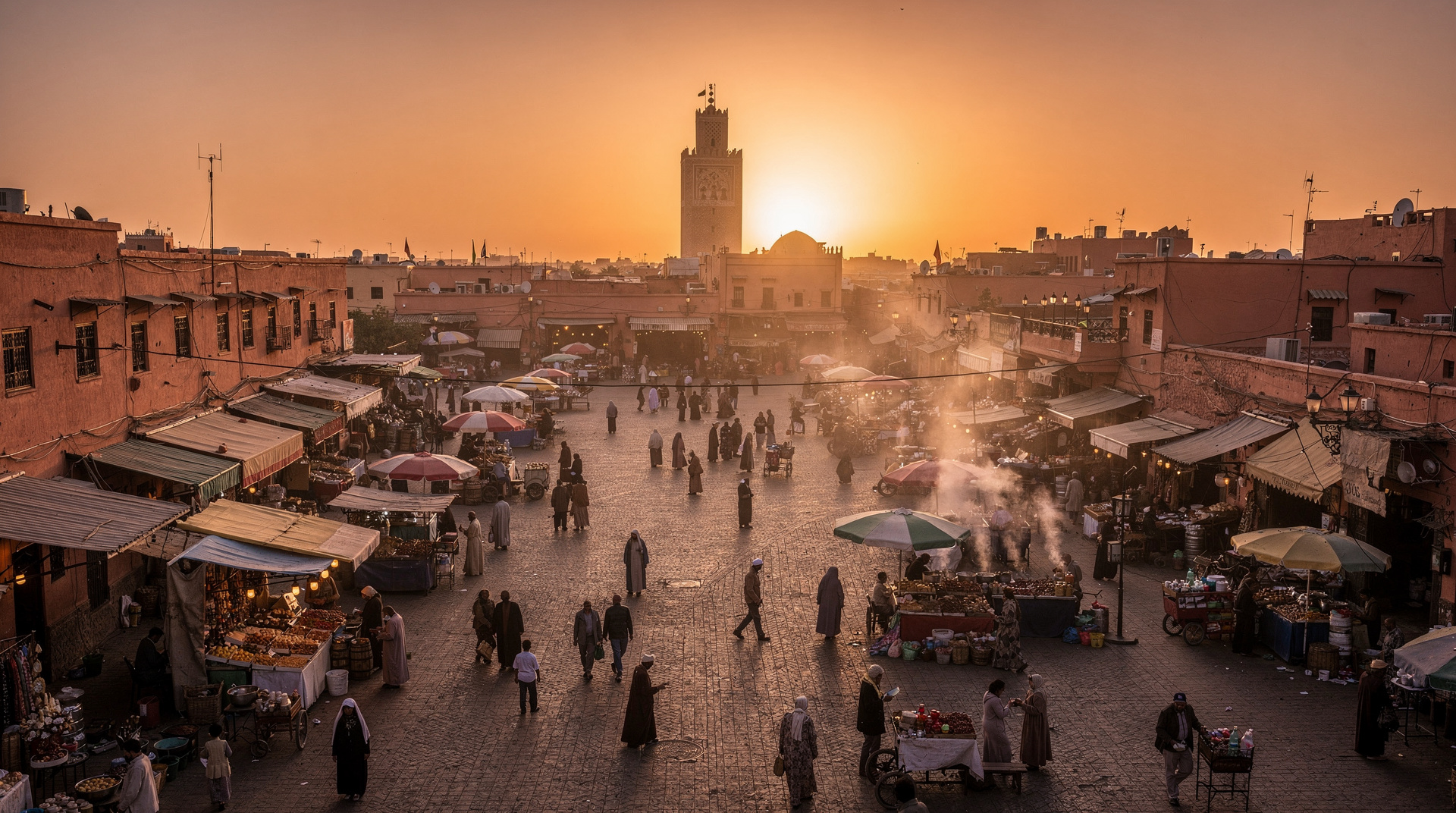
- The medinas of Fes and Marrakech are among the world’s best-preserved medieval Islamic urban environments. Walking through Fes el-Bali — 1,200 years old, still housing 150,000 people in its original footprint — is an experience that Istanbul’s bazaar district, impressive as it is, doesn’t replicate
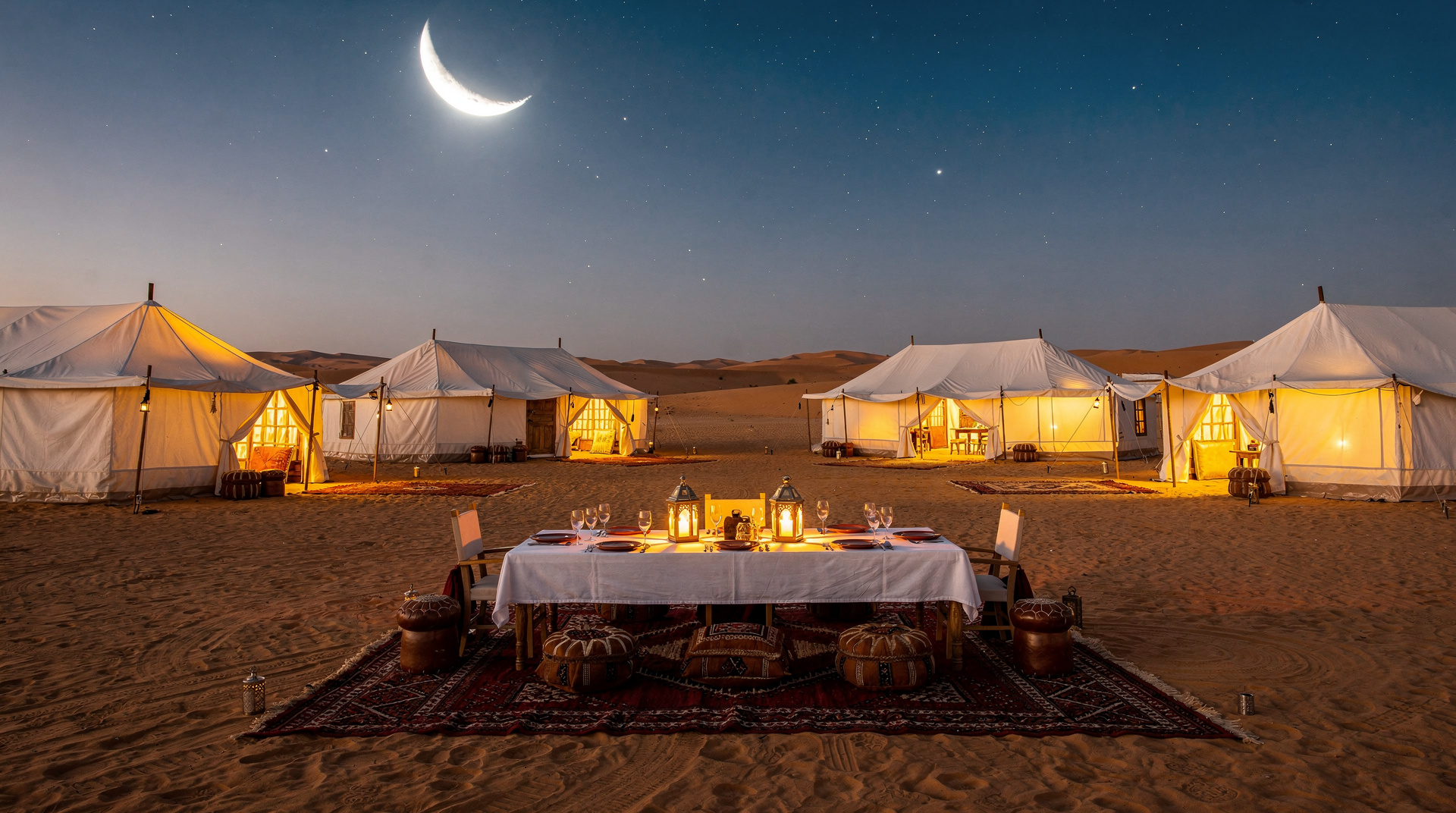
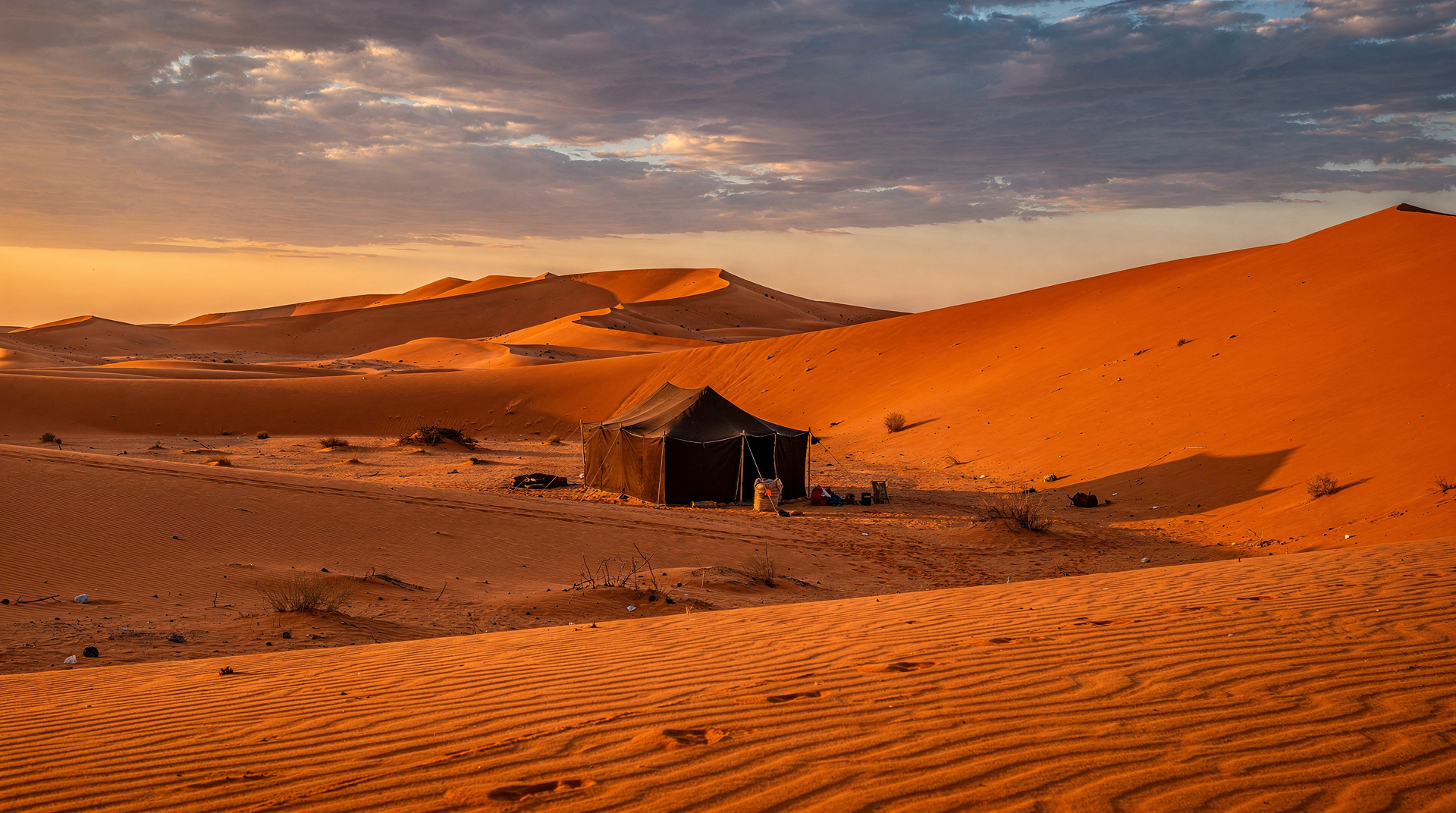
- The Sahara desert is a world-class experience available nowhere else in the region. Egypt has desert too, but the dune landscapes of Morocco — Erg Chebbi, Erg Chigaga — combined with the kasbah route and Atlas mountains create a journey that Turkey can’t offer. The classic 3-day Sahara tour from Marrakech to Merzouga is the anchor experience.
- The landscape variety in a 7-10 day trip is extraordinary. Atlantic coast, High Atlas crossing, southern kasbahs, Sahara dunes, and back — on a single itinerary
- The riad accommodation model — courtyard houses converted to boutique hotels in ancient medinas — creates a genuinely immersive accommodation experience
- The food: Moroccan cuisine (tagines, couscous, pastilla, bastila, harira) is complex, spiced, slow-cooked, and in some ways more distinct from European cooking than Turkish cuisine
What Morocco doesn’t match Turkey on:
- Beaches. Morocco’s Atlantic beaches are beautiful but cold. Turkey’s Aegean and Mediterranean coasts — Bodrum, Antalya, Dalyan — are warmer, calmer, and more developed for beach tourism
- Istanbul. As a city, Istanbul is genuinely extraordinary — the Hagia Sophia, the Blue Mosque, the Topkapi Palace, and the Bosphorus together create a city-experience that Morocco’s imperial cities, fine as they are, don’t quite match
The case for Turkey
Turkey’s trump card is Istanbul — one of the world’s three or four truly unmissable cities, straddling two continents, carrying 2,500 years of layered history from Byzantine to Ottoman to modern. Beyond Istanbul, Turkey has Cappadocia (fairy chimneys, hot air balloons, underground cities), the Aegean and Mediterranean coastlines, and one of the world’s truly exceptional cuisines.
Why Turkey works:
- Istanbul alone is worth the trip — the density of exceptional monuments, the Bosphorus strait, the Grand Bazaar, the hammam culture, the rooftop restaurants — this is a world-class city destination
- Cappadocia is visually unique — volcanic landscape eroded into fairy chimneys, underground Byzantine cities, and the world’s most photographed hot air balloon landscape
- The Aegean and Mediterranean coast (Bodrum, Dalyan, Antalya) provides excellent warm-water swimming in summer — a genuine beach holiday alongside cultural content
- Turkish cuisine is rightfully considered one of the world’s top three culinary traditions. From street-level köfte and döner to sophisticated meze spreads and the dessert culture — baklava, künefe — the food is exceptional
- Turkey is larger than Morocco and rewards multiple visits with different regions — the Black Sea coast, eastern Anatolia, and Cappadocia all feel like different countries
What Turkey doesn’t match Morocco on:
- Desert. Turkey has no Sahara equivalent — if the Saharan dune experience is your primary motivation, Morocco is irreplaceable
- Medina life. Istanbul’s Grand Bazaar is impressive but Fes el-Bali is a different category of experience — a living medieval Islamic city, not primarily a tourist market
- Compact variety. Turkey is large (780,000 km² vs Morocco’s 710,000 km²) but the must-see sites are more spread out — Istanbul is in the west, Cappadocia in central Anatolia, the best beaches on the south coast. Morocco’s variety is more accessible within a single circuit
By traveller type
City-focused travellers: Istanbul is one of the world’s great cities. Marrakech and Fes are excellent; Istanbul is a different tier.
Desert enthusiasts: Morocco, unequivocally. Turkey has no comparable desert landscape.
Beach holiday seekers: Turkey wins — warmer water, better-developed beach infrastructure, and Mediterranean weather patterns.
Food lovers: Both are extraordinary. Turkish cuisine has more global recognition; Moroccan cuisine is equally complex and less familiar to most Europeans.
Budget travellers: Morocco edges Turkey slightly on accommodation character-per-euro, particularly in the riad category. Turkey’s lira fluctuation makes pricing volatile.
Photographers: Morocco for desert landscapes, medina light, and the kasbah route. Cappadocia hot air balloons and Istanbul’s skyline for Turkey.
History enthusiasts: Istanbul carries 2,500 years of documented urban history. Fes is 1,200 years old. Both are extraordinary; Istanbul has more layers.
Verdict by scenario
First trip, 7 days, Europe departure: Morocco — more variety per kilometre, easier to plan as a circuit, and the riad/medina/desert combination is more distinctive than Turkey’s equivalent.
City break, long weekend: Istanbul for sheer city depth. Marrakech for a shorter flight and a more coherent weekend-in-a-medina experience.
Summer beach holiday: Turkey (Aegean/Mediterranean coast). Morocco’s Atlantic is too cold for comfortable swimming.
Adventure / overland trip: Morocco — the Atlas-desert circuit is a classic overland journey. Turkey has overland options but the geography is less dramatic in a single circuit.
Repeating a destination: Both reward return visits. Morocco’s south (Sahara, Draa Valley, anti-Atlas) and Turkey’s eastern Anatolia are genuinely off-the-tourist-track options for second-time visitors.
Can you combine both?
Not easily in a single trip. Turkey and Morocco are in opposite directions from Europe, and there’s no logical geographic connection. Both destinations work best as standalone visits. Many travellers do Morocco in one year and Turkey in another, or treat them as the “Europe-adjacent exotic” option on a rotating basis.
Planning the Morocco side of the decision
If Morocco wins the comparison, the next decisions are length and route. The best time to visit Morocco guide is the essential starting point given how different the mountain, desert, and coastal seasons can be. For itinerary length, the 7 vs 10 day Morocco guide explains what each extra few days actually buys you.
Morocco’s hammam and riad culture — the two experiences most directly comparable to Turkey’s hamam and boutique hotel scene — deserve their own planning. The hammam etiquette guide and the best riads in Marrakech guide cover what to expect and how to choose well. For the Sahara leg that Turkey has no equivalent to, see the camel trekking Morocco guide and the Merzouga destination guide.
Related comparisons and first-trip reading
If you are still weighing destinations, the Morocco vs Egypt guide and the Morocco vs Tunisia guide apply the same lens to the other obvious alternatives. Once Morocco is your choice, the first-time visitors guide and the plan your trip guide turn the decision into a workable plan, while the visa and entry guide covers the paperwork side of the comparison. For the desert leg, Atlas vs Sahara helps you decide how to split your time between mountains and dunes.
Frequently asked questions about Morocco vs Turkey
Which is cheaper, Morocco or Turkey?
Both are affordable for European travellers. Morocco offers excellent value, particularly in the mid-range riad and restaurant sector. Turkey’s costs vary with the lira’s exchange rate — which has been volatile. Budget roughly 40-60 EUR/day for budget travel and 100-150 EUR/day for comfortable mid-range in both countries.
Is Morocco more authentic than Turkey in terms of Islamic culture?
“Authentic” is a problematic frame, but Morocco’s medinas — particularly Fes — contain a more intact traditional Islamic urban culture than Turkey’s main tourist areas. Istanbul is cosmopolitan and secular in many respects; Fes el-Bali is a functioning medieval Islamic city. Both are genuine in different ways.
Do I need a visa for both countries?
EU and UK citizens don’t need a visa for Morocco. Turkey requires an e-visa (simple online process, around 50-60 USD, obtained in minutes before departure). US citizens need to check current requirements for both.
Which has better hammam experiences?
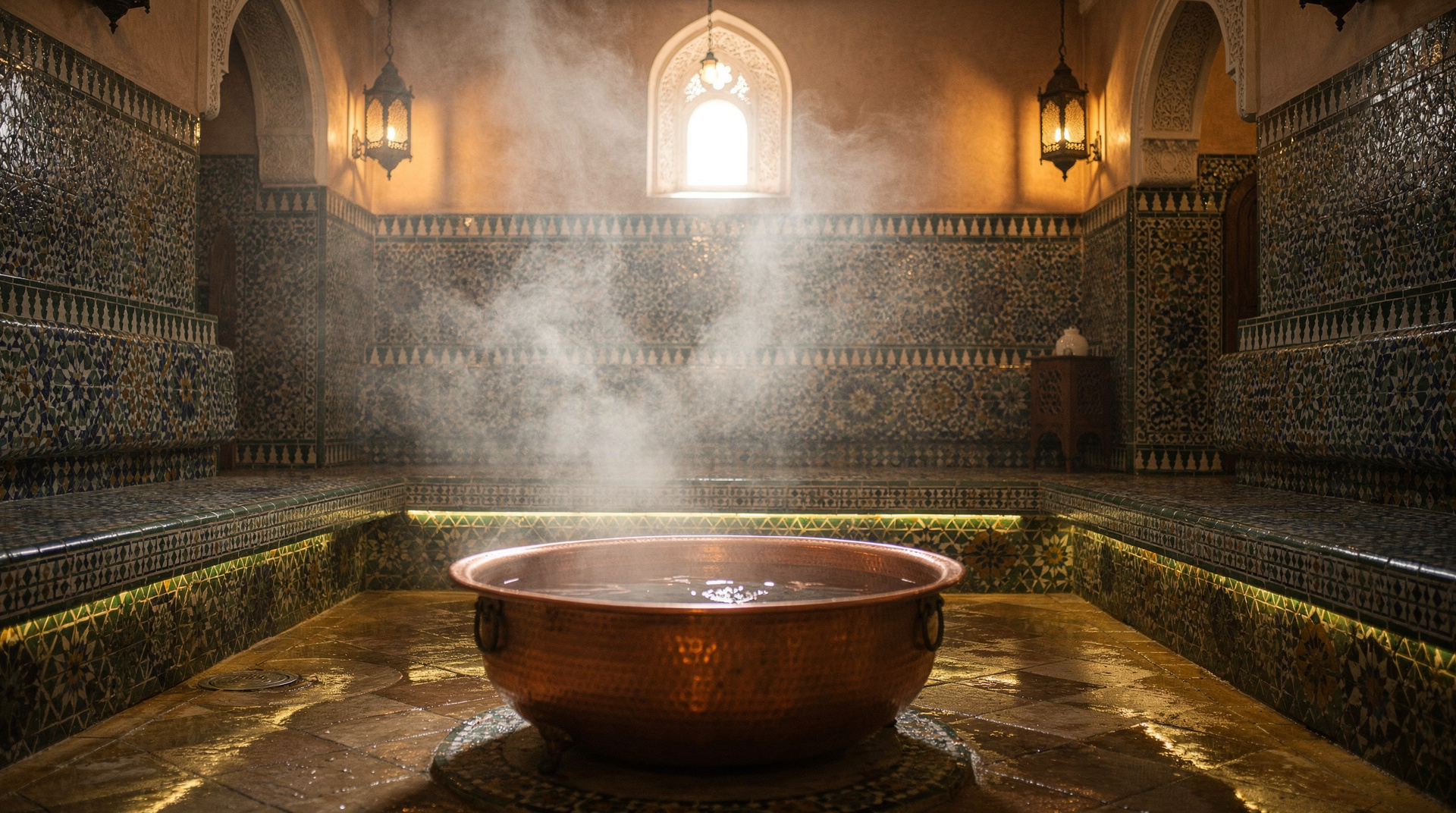
Both have excellent hammam cultures. Turkish bath (hamam) is one of the world’s most famous bathing traditions — particularly in Istanbul, where historic Ottoman baths have been restored. Moroccan hammams are equally central to the culture and often cheaper — public hammams in Marrakech cost 10-20 MAD (1-2 EUR).
For a structured first experience, a traditional Moroccan hammam and spa session in Marrakech covers the full ritual with black soap, kessa scrub, and massage. The difference is that Turkish baths are more formalised for tourists; Moroccan public hammams are more genuinely local.
What’s the best month to visit Morocco vs Turkey?
Morocco: March-May and October-November. Turkey: May-June and September-October for the right balance of weather, crowds, and prices. Both destinations are uncomfortably hot at their main archaeological and desert sites in July-August.
Is Morocco or Turkey better for a first solo trip outside Europe?
Both work well for solo travellers, but Morocco’s more compact circuit and lack of visa paperwork make it slightly easier logistically. See the solo female travel Morocco guide for a detailed, honest breakdown that applies broadly to solo travellers of any gender navigating medinas and transport for the first time.