Morocco vs Egypt: Which North Africa Destination?
Should I visit Morocco or Egypt?
Morocco for variety and safety — mountains, desert, coast, imperial cities, and some of the world's best medinas, all in a politically stable country with accessible tourist infrastructure. Egypt for ancient history at an unmatched scale — the Pyramids, Luxor temples, and the Nile are world-class antiquities that Morocco simply doesn't have. Both countries are worth visiting; the question is which type of experience you're prioritising.
The North Africa choice most travellers face
Morocco and Egypt are the two most visited countries in North Africa, and they frequently appear together on “where next?” shortlists. They share a regional label and some broad characteristics — Muslim-majority, Arabic-speaking (alongside Amazigh in Morocco), desert landscapes, ancient history — but the actual visitor experience is profoundly different.
This comparison is honest about both destinations’ strengths and weaknesses, including the security considerations that genuinely affect the experience.
At a glance
| Morocco | Egypt | |
|---|---|---|
| Typical first trip length | 7-10 days | 10-12 days |
| Entry cost for EU/UK | No visa required | E-visa, around 25 USD |
| Getting there | ~3h30 from Paris/London | ~4h30-5h from London |
| Best time to go | March-May, September-November | October-April |
| Rough daily budget (mid-range) | 100-150 EUR | Slightly less, 90-140 EUR |
The quick comparison table
| Factor | Morocco | Egypt |
|---|---|---|
| UNESCO sites | 9 | 7 |
| Ancient monuments | Islamic architecture, Roman ruins (Volubilis) | Pharaonic antiquities — scale unmatched globally |
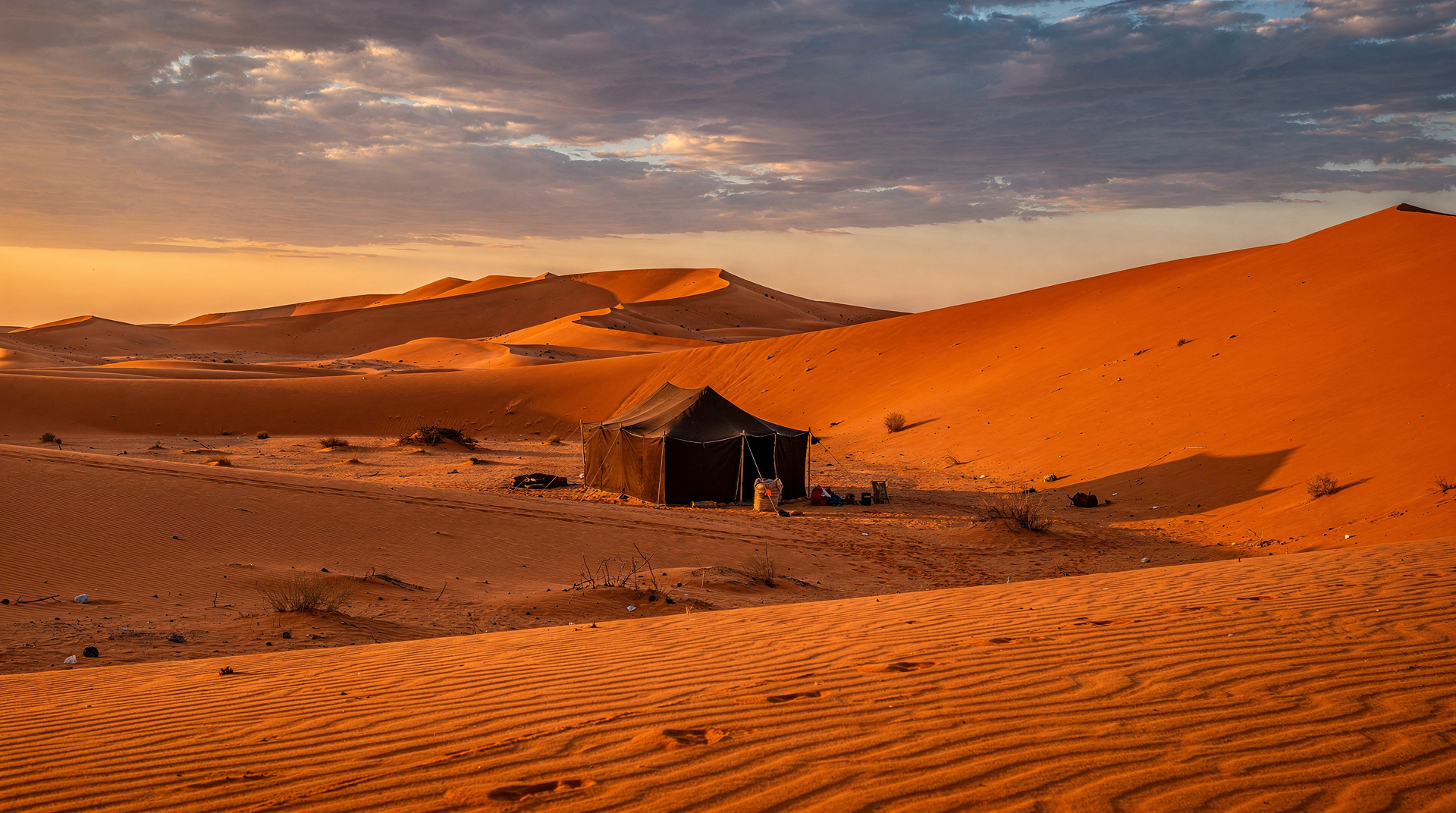
| Desert | Sahara (Erg Chebbi, Zagora, Erg Chigaga) | Western Desert, Sinai |
| Mountains | High Atlas (Toubkal 4,167m), Rif, Middle Atlas | Sinai Peninsula (St Catherine) |
| Coast | Atlantic + Mediterranean | Red Sea + Mediterranean |
| Mediterranean coast | Yes (north) | Yes (north — less developed) |
| Scuba diving | Moderate (Atlantic) | World-class (Red Sea) |
| Snorkelling | Limited | Outstanding (Hurghada, Dahab, Sharm) |
| Cuisine | Excellent — tagine, couscous, pastilla | Excellent — ful, koshary, mezze tradition |
| Safety assessment (2026) | Generally safe, low threat level | Variable — Cairo/Luxor safe; Sinai elevated caution |
| Tourist infrastructure | Mature and improving | Well-developed in main tourist areas |
| Flight connections | Excellent from Europe | Excellent from Europe and Gulf |
| Best European flight time | 3h30 from Paris, London | 4h30-5h from London, 4h from Rome |
| Budget level | Moderate — affordable for Europeans | Slightly cheaper for accommodation |
| Language | Darija, French, Spanish in north | Egyptian Arabic; English in tourist areas |
The case for Morocco
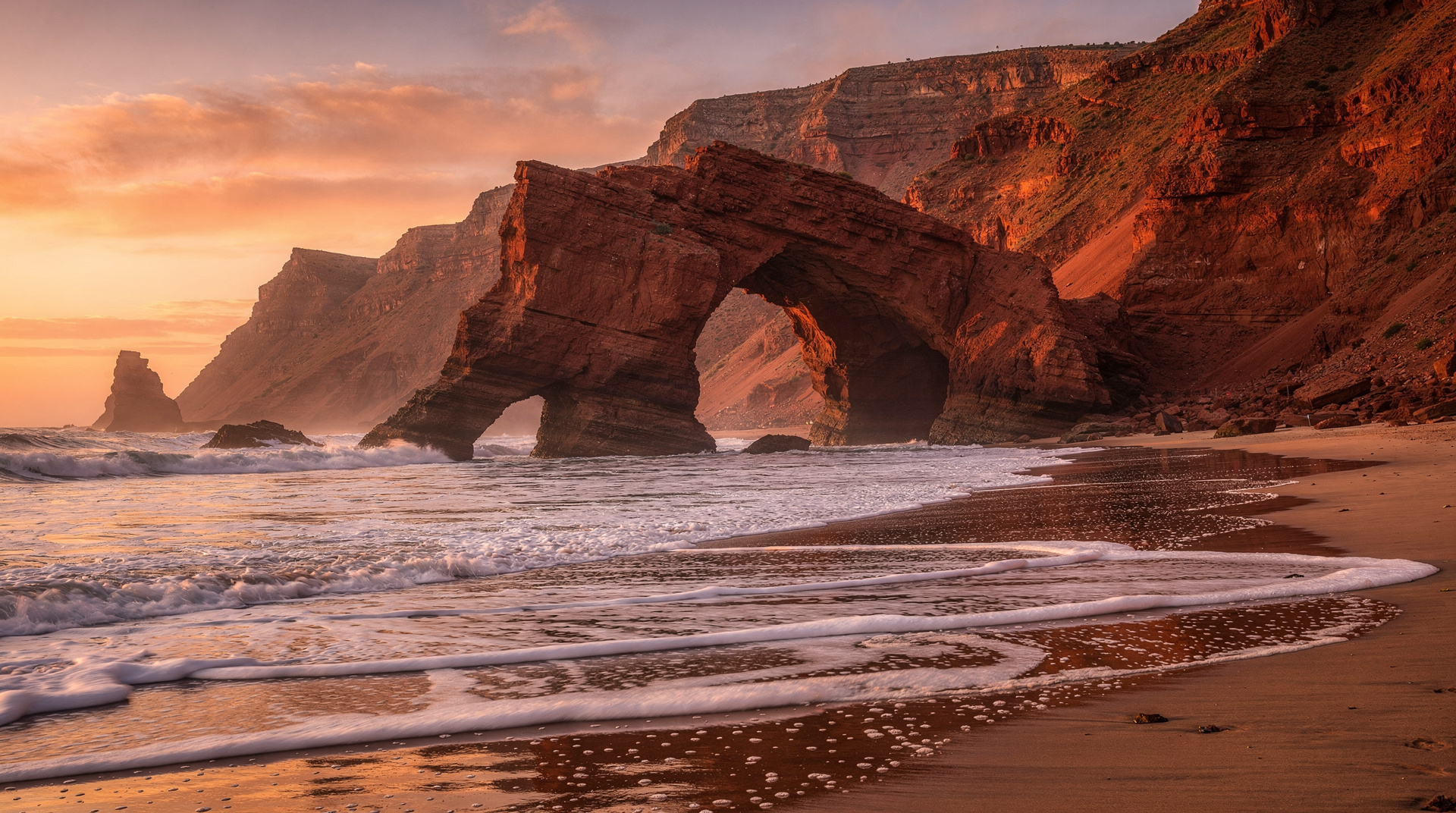
Morocco’s appeal is built on variety. In one 10-day trip, you can cross the High Atlas mountains, spend two nights in Sahara dunes, walk a 1,000-year-old medina, eat fresh grilled sardines at an Atlantic fishing port, and sleep in a riad courtyard under orange trees. No other North African country packs this range into such a compact geography.
Why Morocco works:
- Political stability since independence — Morocco has not experienced the revolutionary disruption that affected Egypt in 2011 or the ongoing instability in Libya and Tunisia
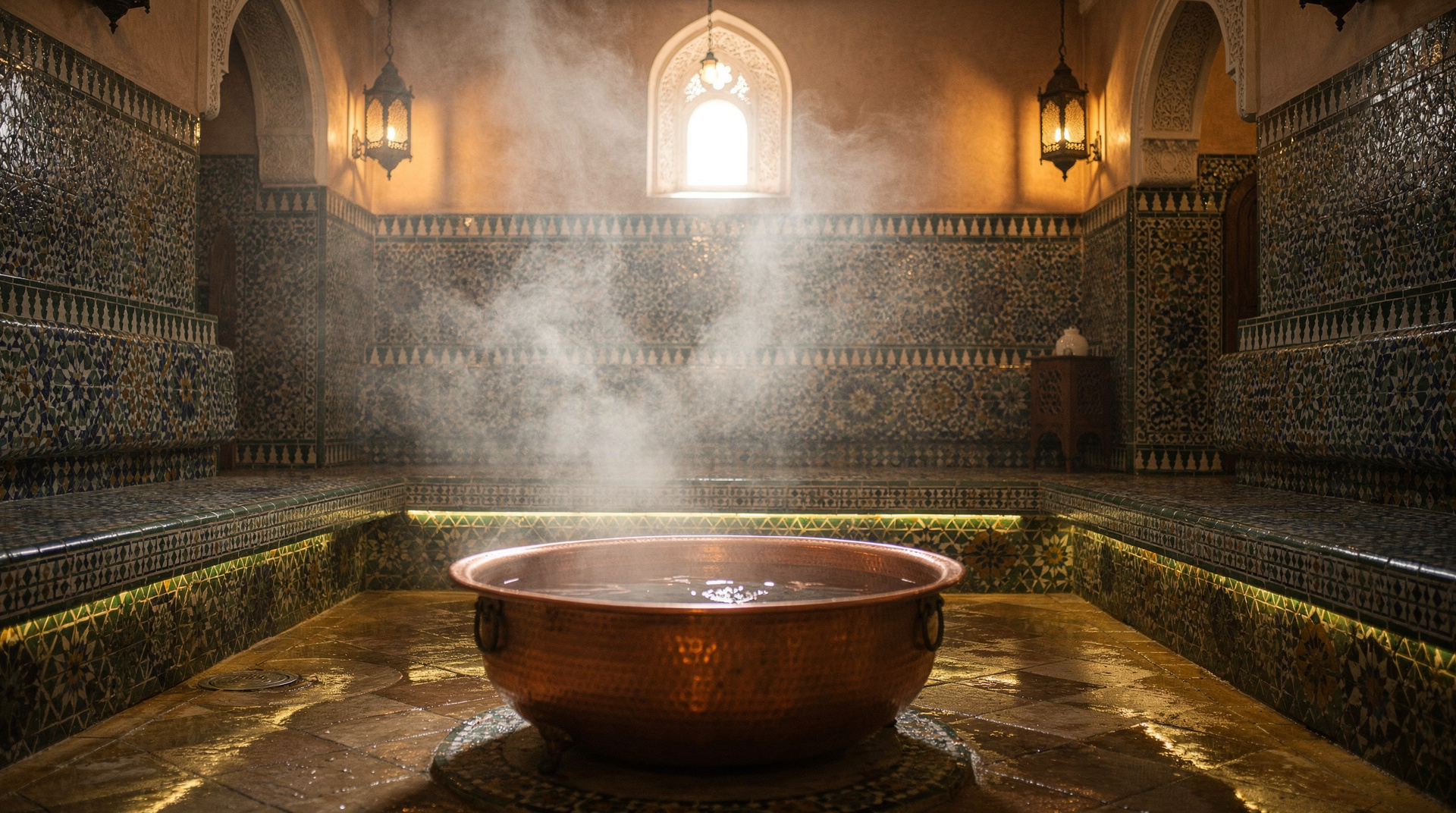
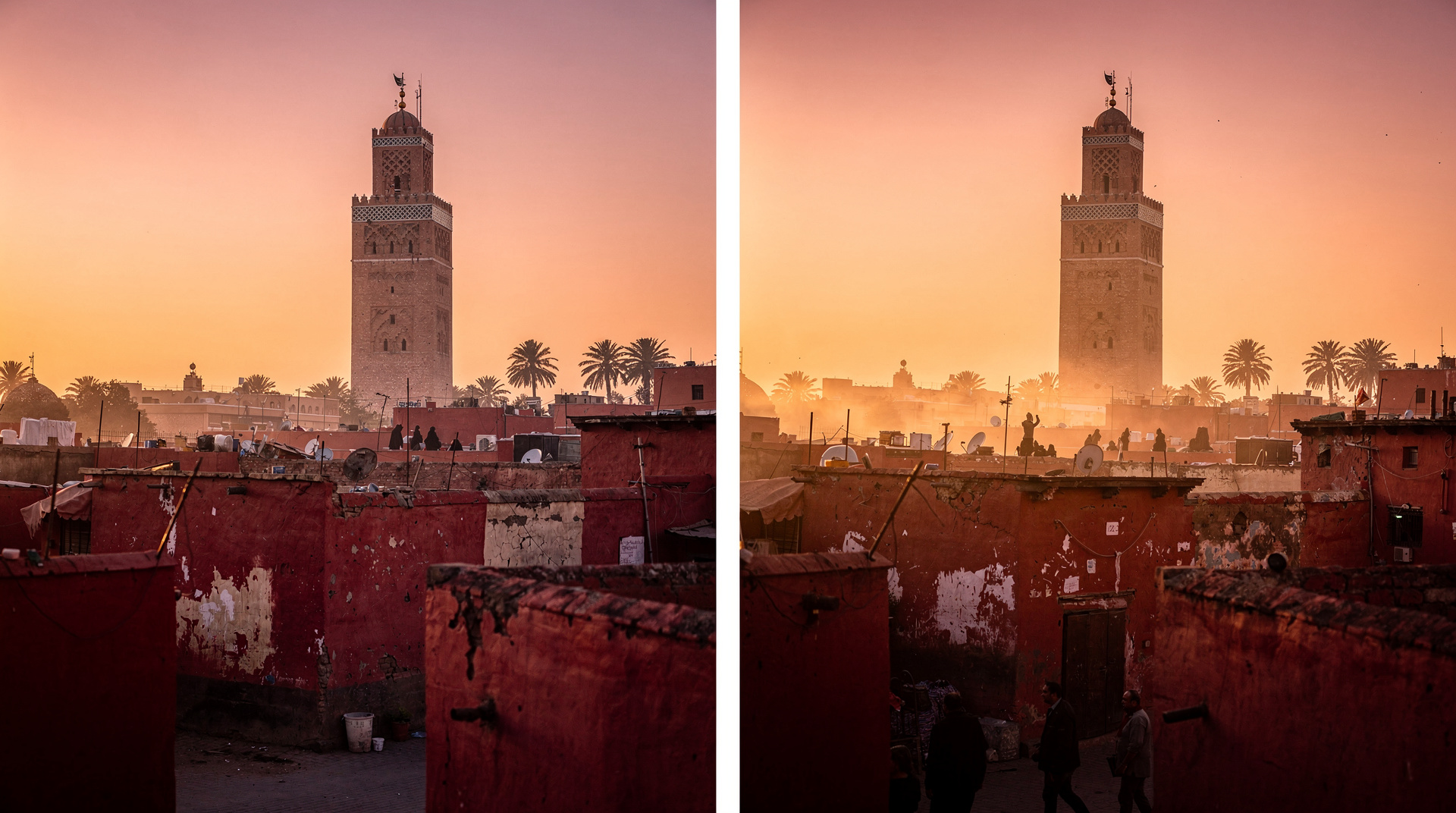
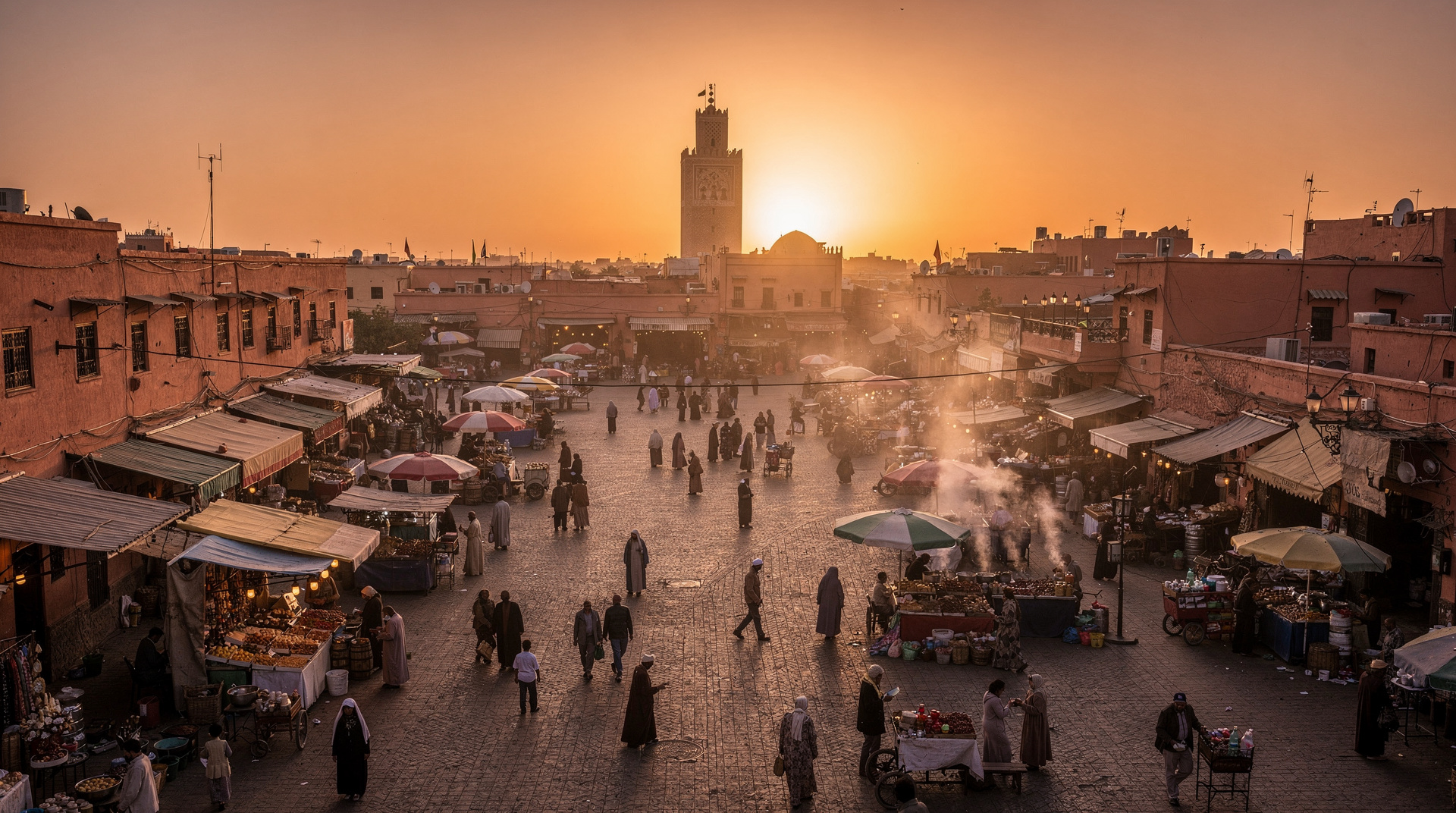
- Morocco’s medinas — Fes, Marrakech, Meknes — are among the world’s best-preserved medieval Islamic cities. They’re still functioning cities of hundreds of thousands of people, not museum reconstructions
- The landscape variety is extraordinary: Atlantic coast, Mediterranean coast, Sahara, High Atlas above 4,000m, Rif mountains, Draa and Dades valleys — all within a country the size of Spain
- Culinary depth is real. Moroccan cuisine — tagines, couscous, pastilla, harira, bastila — is one of North Africa’s most developed culinary traditions
- Accessible from Europe at 3.5-4 hours — a long weekend is viable; a week feels like a serious trip
- Infrastructure is improving rapidly. Marrakech’s airport is modern; the Al Boraq train is world-class; the road network in the south is much better than a decade ago
What Morocco can’t match Egypt on:
- Ancient history at scale. Morocco has excellent Islamic architecture from the 9th century onward, and the Roman ruins at Volubilis are genuinely impressive. But the Pyramids of Giza, the temples of Luxor and Karnak, Abu Simbel, and the Valley of the Kings represent a completely different tier of antiquity — 3,000-4,500 years old and built at a monumental scale that Morocco cannot match
The case for Egypt
Egypt’s claim is singular and extraordinary: the monuments of ancient Egypt are among the most recognisable structures in human history. The Great Pyramid of Giza is the only surviving wonder of the ancient world. The temples of Karnak cover 100 hectares. The Valley of the Kings contains 63 documented royal tombs. Egypt for ancient history is not comparable to anything else on the planet.
Why Egypt works:
- The scale of pharaonic monuments cannot be replicated elsewhere. Standing at the base of the Great Pyramid is a physically overwhelming experience that photographs systematically underprepare you for
- The Nile cruise between Luxor and Aswan is one of the world’s great slow-travel experiences — temples emerging from the bank, feluccas in the evenings, a pace of seeing history that allows genuine absorption
- Red Sea diving and snorkelling is world-class. Dahab and Sharm el-Sheikh offer some of the best accessible reef diving in the world; Hurghada is the volume resort option
- Egyptian food — particularly the traditional restaurant and street food scene in Cairo — is excellent and cheap. Koshari, ful medames, molokhia, and excellent mezze
- Cairo as a city is enormous, chaotic, and genuinely compelling. Khan el-Khalili bazaar, the Egyptian Museum (now the Grand Egyptian Museum in Giza), Islamic Cairo — days of content
The honest friction points:
- Security situation is variable. Cairo, Luxor, Aswan, and the established Red Sea resorts are generally safe and well-managed for tourists. The Sinai Peninsula outside the designated tourist zones carries elevated security advisories. Check your government’s travel advisory before visiting.
- Tourist hassle in major sites — particularly around the Giza pyramids — is persistent and aggressive in a way that Morocco’s tourist areas, while not perfect, don’t match
- Extreme heat in summer (Cairo and Luxor hit 40-45°C June-August) limits the comfortable visiting window to October-April
- Tourist infrastructure quality is more variable than Morocco — excellent at the main sites and Red Sea resorts, much thinner in transitional areas
By traveller type
History and archaeology enthusiasts: Egypt, clearly. The depth and scale of pharaonic history has no rival.
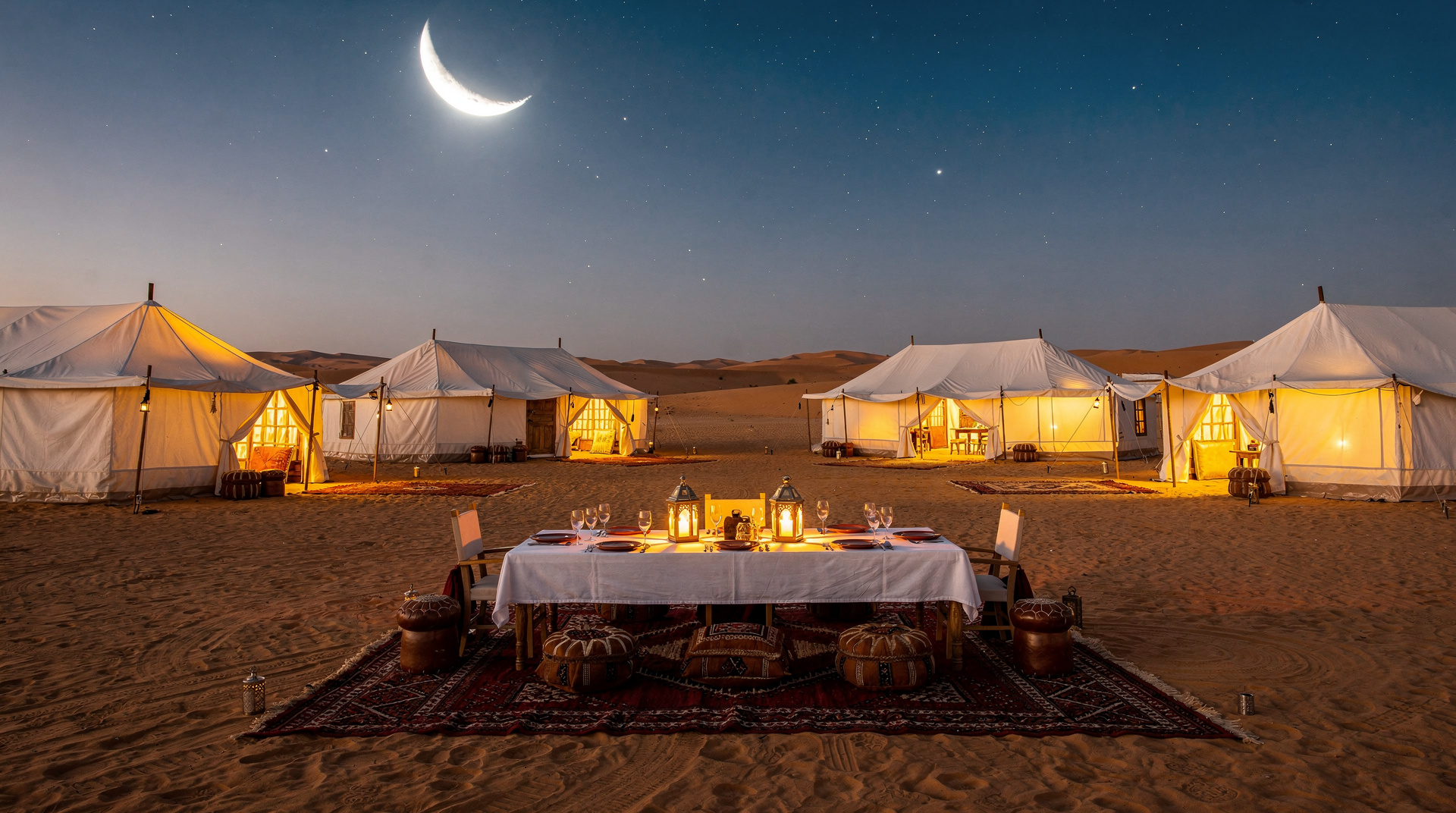
Adventure / active travellers: Morocco wins — Atlas trekking, Sahara experiences, coastal activities, varied terrain. A 3-day Sahara desert tour from Marrakech to Merzouga is the trip-defining experience Egypt cannot replicate.
Beach and diving: Egypt (Red Sea). Morocco’s Atlantic beaches are beautiful but the cold water and lack of reef diving can’t match Dahab or Sharm.
First-time international travellers: Morocco — the infrastructure is more reliable, the safety situation is clearer, and the destination variety means you’re unlikely to run out of content.
Families: Morocco handles families better overall — shorter flights from Europe, good accommodation range, and activities that work for all ages. Egypt with children works well at the main sites and Red Sea resorts.
Photographers: Both are extraordinary. Morocco for the medina light, desert dunes, and mountain landscapes. Egypt for the pharaonic monuments in golden morning light. For Marrakech’s photogenic medina, a guided medina history and culture tour takes you to the best-lit souks and palaces at the right time of day.
Verdict by scenario
One week, Europe departure: Morocco — closer, better suited to a week-long trip with the variety available. Starting with a hot-air balloon flight over Marrakech at sunrise with Berber breakfast sets the tone immediately.
Two weeks, historical focus: Egypt — the major sites (Cairo, Luxor-Aswan Nile cruise) require at least 10 days to experience properly.
Combining beach and culture: Egypt (Cairo + Red Sea) or Morocco (Marrakech + Essaouira/Agadir).
Budget trip: Egypt is slightly cheaper for accommodation and local transport. Morocco is also affordable on a budget — particularly if staying in hostels and taking local buses.
Safety-conscious travellers: Morocco is the safer choice in 2026. Check current foreign office advisories for Egypt before booking, particularly regarding Sinai.
Can you combine both?
Not easily in a single trip — the geography doesn’t help. Morocco is at the Atlantic/Mediterranean junction (northwest Africa); Egypt is at the northeastern edge of Africa meeting the Middle East. Flying between them requires routing through Europe or the Gulf.
A combined North Africa trip is better structured over two separate visits. Many travellers do Morocco one year and Egypt the next, or treat them as distinct “first trip” and “return trip” destinations.
Planning the Morocco side of the decision
If Morocco wins out, the next question is how long to stay and when to go. The best time to visit Morocco guide breaks down month-by-month conditions across the regions — important because a Sahara-heavy itinerary and a coast-and-cities itinerary want different seasons. For length, most first-timers are choosing between a 7 vs 10 day Morocco trip; 7 days covers Marrakech, the Atlas, and a short Sahara taste, while 10 days allows Fes and a proper desert night.
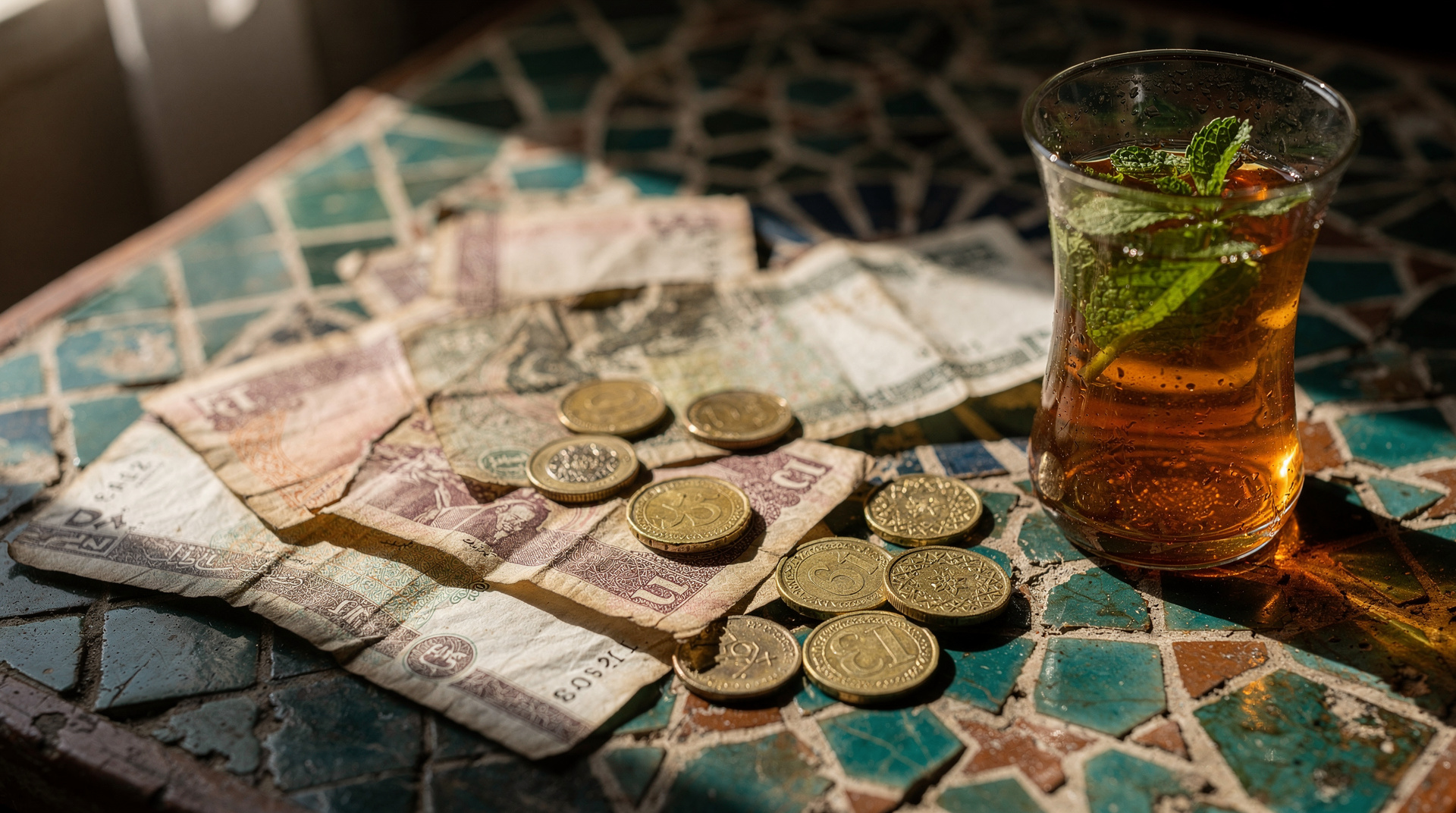
Money and safety are the two practical questions that come up most when people are weighing Morocco against a destination with a more variable security picture like Egypt. The Morocco currency and money guide explains the closed-dirham system (you can’t buy MAD before arrival), and the is Morocco safe guide covers the honest risk picture rather than headline anxiety. For the imperial cities that anchor most itineraries, see the Marrakech destination guide and the Fes destination guide.
Turning the comparison into a route
Once Morocco is the answer, the useful next step is choosing a shape for the trip. If the desert is what pulled you in, the desert-focused Morocco itinerary and the Merzouga vs Zagora comparison help you pick where to spend your dune nights. If you would rather see the cities that give Morocco its own sense of history, the imperial cities itinerary links Fes, Meknes, Rabat and Marrakech, and the Marrakech vs Fes comparison helps if you only have time for one of them.
Travellers weighing Morocco against other options often compare it with its neighbours too, so the Morocco vs Tunisia guide and the Morocco vs Turkey guide follow the same honest approach as this page. And if you want a single document to build from, the plan your trip guide pulls the practical decisions together in one place.
Frequently asked questions about Morocco vs Egypt
Is Morocco safer than Egypt?
Morocco’s overall security environment in 2026 is more consistently stable for tourists than Egypt’s. Morocco has not experienced major political instability in recent decades and the main tourist areas are well-managed. Egypt is generally safe in Cairo, Luxor, Aswan, and the Red Sea resorts, but carries elevated advisories for parts of the Sinai Peninsula and border regions. Always check your government’s current travel advisory.
Which has better food, Morocco or Egypt?
Both have excellent cuisines with distinct character. Moroccan cuisine is spice-forward, slow-cooked, and built around the tagine and couscous tradition. Egyptian food is more mezze-oriented — ful medames, koshari, molokhia, and excellent fresh bread. It’s genuinely a tie; preference depends on your taste.
Can I visit both on one trip?
Technically yes, but it’s logistically awkward. Royal Air Maroc operates Casablanca to Cairo via direct and code-share routes; other options involve connections through European or Gulf hubs. The destinations work much better as separate trips.
Which has better value for money?
Both are affordable by European standards. Egypt’s accommodation and local food are slightly cheaper on average. Morocco’s range is broader — from genuine budget travel (50 EUR/day) to high luxury (500+ EUR/day). At the mid-range, both destinations offer excellent value.
What’s the best time to visit Morocco vs Egypt?
Morocco: spring (March-May) and autumn (September-November) for the best combination of temperatures, desert conditions, and shoulder season prices. Egypt: October-April for the monuments (summer heat at Luxor is extreme); Red Sea diving is good year-round.
Which is better for a first-timer travelling alone?
Morocco generally, thanks to more consistent tourist infrastructure, shorter distances between highlights, and a clearer safety picture. See the first-time visitors guide for a realistic breakdown of what a first trip involves. Egypt is entirely manageable solo too, particularly on the well-trodden Cairo-Luxor-Aswan-Red Sea route, but requires a bit more advance planning around the Sinai advisory.