Moroccan spice souks: Fes vs Marrakech and what to buy
What spices should I buy in Morocco and where?
Saffron, ras el hanout, and cumin are the three best buys. Fes has the most authentic spice souk environment and the best quality saffron at source prices. Marrakech's Rahba Kedima spice square is more accessible but requires more bargaining vigilance. Never buy saffron from medina entrances — the orange powder is often fake. Buy from established spice merchants in the interior souks.
Morocco’s spice trade: a thousand-year tradition
Morocco sits at the historical crossroads of the spice trade — Saharan routes from sub-Saharan Africa, Atlantic routes from the Maghreb coast, and overland routes from the Arab east all converged here. The result is one of the world’s most complex spice cultures: a country where a standard household spice cabinet contains 20-30 spices, where blends like ras el hanout can contain 30 or more ingredients, and where the local spice merchant (attar) is a professional herbalist as much as a grocer.
The spice souks of Fes and Marrakech are not identical. They have different characters, different price levels, different specialties, and different approaches to selling to visitors. Understanding both helps you buy smarter and spend less.
| At a glance | |
|---|---|
| Where to go | Attarine souk (Fes el-Bali) or Rahba Kedima (Marrakech) |
| Typical cost | Around 15 MAD/100g (cumin) to 80 MAD/g (genuine saffron) |
| Time needed | Allow at least an hour to browse and compare merchants |
| Getting there | Both souks are within walking distance of the main medina entrances |
| Best time | Morning, when merchants are freshest and less rushed |
The Fes spice souk: Attarine district
What makes Fes different
The Attarine souk in Fes el-Bali (named for the attar — the spice and perfume merchants) is the most ancient intact spice market in Morocco. Its location near the Kairaouine Mosque — the oldest functioning university in the world — reflects the historical connection between spice merchants and scholarship. Medieval Moroccan scholars wrote extensively about the medicinal properties of spices; the attars were consulted alongside doctors.
The physical environment of the Attarine souk reflects its age: narrow passageways, low wooden ceilings, small wooden stalls stacked floor to ceiling with sacks of spices, bundles of dried herbs, ceramic jars of argan oil, and glass containers of essence. The smell is extraordinary — cumin, coriander, dried roses, orange blossom water, incense, and something ancient in the stone walls.
Key Fes spice merchants
The Attarine souk has many merchants, but the most established have been in the same family for generations. Look for shops with large, diverse displays and merchants who don’t shout for your attention — the established operators let their stock speak.
What to buy specifically in Fes:
- Saffron from the Taliouine region (pre-Atlas sourcing, which Fes spice merchants have direct relationships with)
- Mastic gum (dried resin from the mastic tree, used in Moroccan cooking and traditional medicine)
- Beldi spice blends (the older, more complex versions of ras el hanout using traditional ingredients)
- Dried rose petals from the Valley of Roses near Kelaat M’Gouna
- Quality smen (preserved butter — the Moroccan equivalent of ghee but more pungent, used in couscous and tagines)
The Marrakech spice souk: Rahba Kedima
The spice square
Rahba Kedima (the old square) in the heart of the Marrakech medina souk is the most famous spice market in Morocco for visitors. It’s a small open square surrounded by merchant stalls stacked with colourful cones of spice powders, bundles of dried herbs, and piles of dried fruits.
The atmosphere is photogenic and deliberately theatrical — vendors know they’re working a visible stage. The tourist-facing character of Rahba Kedima means prices start higher and bargaining is expected. It’s still a genuinely interesting place and the spices are real, but the buying requires more vigilance than in Fes.
What Rahba Kedima is best for:
- Ras el hanout blends — multiple merchants, each with their own version
- Ceremonial spice kits — pre-assembled sets designed for gift-giving
- Dried herbs (sheba, fenugreek, dried coriander)
- Kohl (traditional eye cosmetic, still used in Morocco)
- Dried rose buds and rose water
The interior Marrakech spice shops
The visible stalls in Rahba Kedima are not the best quality in Marrakech. The better merchants are slightly off the main square in the covered souk passages near Bab Doukkala. These merchants sell to Marrakech households as well as visitors, which keeps quality higher and prices more calibrated.
For a guided approach to the souk that includes the spice merchants alongside the craft workshops and dyer’s quarter, see the Marrakech souks guide.
The key spices: what to buy and what to pay
Saffron (za’afran)
Morocco produces quality saffron in the Taliouine area of the anti-Atlas mountains. Genuine Moroccan saffron is a legitimate rival to Spanish or Iranian saffron, and at source prices it’s a significant value.
What it looks like: Deep red-orange threads (stigmas), not powder. Powder can be mixed with other dried flowers or artificial colouring. Always buy threads.
Fake saffron: The orange powder sold at medina entrances and by hawkers is often dried safflower (carthamus), turmeric mixed with yellow food dye, or marigold. These have no flavour or aroma — they’re sold on colour alone. Real saffron should smell intensely floral and honey-like when a few threads are dissolved in warm water.
Fair price: Genuine Moroccan saffron from Taliouine: 1g costs 40-80 MAD at a good Fes or Marrakech merchant. At tourist stalls, prices for the same quantity can reach 200-400 MAD. The test: if a merchant is selling 10g of “saffron” for 50 MAD, it is not saffron.
How much to buy: For home cooking, 2-3g is substantial — enough for dozens of dishes. Saffron keeps well in an airtight container in the dark for 2-3 years.
Ras el hanout
The name means “head of the shop” — the merchant’s best blend. There is no fixed recipe: the number of ingredients varies from 12 to over 30 depending on the merchant and the price point. Standard ingredients include cumin, coriander, cinnamon, ginger, turmeric, cardamom, dried rose petals, mace, and nutmeg. Premium versions add grains of paradise, long pepper, dried lavender, ash berries, and other rarities.
Buying strategy: Ask to smell before buying. A good ras el hanout is layered and complex — you should detect multiple distinct elements (warmth from cinnamon, earthiness from cumin, sweetness from rose). A flat, single-note smell indicates a cheap blend. Ask the merchant what’s in it; established merchants will give you the full list.
Fair price: 100-200 MAD per 100g for a quality blend. Basic blends start at 30-50 MAD per 100g. The most elaborate versions with 30+ ingredients can reach 400-600 MAD per 100g.
Tip: Buy a small quantity (50g) at first, taste it in cooking, then return to the same merchant for more if you want. Don’t commit to a large purchase without knowing what you have.
Cumin (kamoun)
Morocco’s most used everyday spice. Ground cumin goes into tagines, kefta meatballs, merguez spice mix, and countless other preparations. Cumin seeds are dry-roasted then ground fresh by the merchant.
Fair price: 15-25 MAD per 100g. Very inexpensive.
Quality indicator: Fresh Moroccan ground cumin smells warm and slightly bitter. Stale cumin is flat and dusty. Buy whole seeds and grind fresh at home if you’re taking it back to your country.
Argan oil (huile d’argan)
Both culinary (roasted seed, amber colour, strong nutty aroma) and cosmetic (cold-pressed, pale yellow, lighter scent) versions are available in the souks. The price difference between them is significant.
Fair prices: Culinary argan oil: 80-150 MAD per 100ml. Cosmetic argan oil: 150-300 MAD per 100ml. These are souk prices from legitimate merchants. Cooperative shop prices (guaranteed quality) are similar or slightly higher. See the argan oil guide for the detailed buying guide.
Fake argan oil: A significant percentage of “argan oil” sold in tourist shops is sunflower oil with argan fragrance added. The test: genuine culinary argan smells of toasted nuts and has a distinctly amber colour. Cosmetic argan is almost odourless and very pale. If you can’t smell the toasted character in culinary argan, it’s fake.
Smen (preserved butter)
Smen is preserved butter that has been salted, spiced, and aged — sometimes for months or years. It’s used in couscous (worked through the grain with the butter at the end of steaming) and in some tagines. The flavour is intensely buttery, pungent, and slightly cheese-like — similar to aged ghee but more assertive.
Buying smen: It’s sold in sealed jars in the medina spice markets. Quality varies — the aged variety from the Ourika Valley is considered the best. 50-150 MAD for a small jar depending on age and quality.
Warning: Smen has a strong smell that can overwhelm other items in luggage. Seal it multiple times if you’re travelling with it.
Other worth buying
| Spice | Use | Fair price |
|---|---|---|
| Dried ginger (skinjbir) | Tagines, tea | 10-20 MAD/100g |
| Turmeric (kharkoum) | Tagines, couscous broth | 15-25 MAD/100g |
| Cinnamon sticks (qerfa) | Tagines, pastilla, tea | 20-40 MAD/100g |
| Orange blossom water (zhar) | Couscous, pastries | 20-40 MAD/250ml |
| Rose water (ma ward) | Pastries, desserts | 20-40 MAD/250ml |
| Dried rosebuds | Ras el hanout, decoration | 30-60 MAD/100g |
| Harissa paste | Table condiment | 20-40 MAD/jar |
| Amlou (almond-argan paste) | Breakfast spread | 40-80 MAD/250g |
Fes versus Marrakech spice souks: the comparison
| Factor | Fes (Attarine) | Marrakech (Rahba Kedima) |
|---|---|---|
| Atmosphere | Medieval, authentic, less tourist-facing | Theatrical, photogenic, visitor-oriented |
| Quality | Generally higher | Variable; check carefully |
| Starting prices | Lower; less negotiation needed | Higher; bargaining expected |
| Saffron | Best source for Taliouine saffron | Available but prices start high |
| Selection depth | More traditional herbs and medicinals | More tourist-gift formats |
| English spoken | Less common | More common |
| Best for | Serious spice buying | First-time visitor experience |
Bargaining: how it works in spice souks
The spice souk bargaining dynamic differs slightly from the carpet or craft souk bargaining. A few principles:
The first price is not the price. In tourist-facing spice stalls, the opening price is typically 1.5-2x the expected sale price. In Fes’s more local-facing Attarine, prices are closer to final but still slightly elevated for visitors.
The smell test is not free. Accepting a lengthy spice-testing session creates social obligation. If you don’t intend to buy, be politely clear early.
Buying multiple items increases leverage. If you buy five items from one merchant, the price per item should decrease. Splitting purchases across multiple vendors means paying full tourist price at each.
Walking away works. At tourist-facing stalls where the merchant’s first price was very high, turning to leave and saying “too expensive, thank you” will produce a counter-offer in most cases. This is understood by both parties as part of the transaction.
Know your numbers in dirhams. Have a rough sense of what 100 MAD, 200 MAD, and 500 MAD look like physically — having to count notes slowly while bargaining disadvantages you.
Taking spices home: customs and airline rules
Most Moroccan spices pass through customs without issue. A few things to know:
- Small quantities (100-500g) of culinary spices are not restricted in most countries.
- Argan oil in checked luggage: carry in well-sealed containers inside a zip-lock bag.
- Smen has a strong smell — double-bag it.
- Saffron in large quantities can attract customs questions (it’s expensive and the volume looks like drug trafficking to some customs agents — they’ll confirm it’s saffron and let you through, but 2-3g avoids any conversation).
- Large quantities of any agricultural product (dried herbs, seeds) may require customs declaration in your home country.
Frequently asked questions about Moroccan spice souks
Is the saffron sold in Morocco really Moroccan?
Authentic Moroccan saffron from the Taliouine region is excellent and sold at good merchants. However, some saffron sold in tourist souks is Iranian or Spanish saffron repackaged. The merchant’s claim of “Moroccan saffron from Taliouine” is not automatically reliable. Buying from an established, interior-souk merchant (not a street hawker or medina entrance stall) significantly increases the likelihood of authentic Moroccan origin.
What’s the most useful Moroccan spice to bring home?
Ras el hanout — the blend you can’t easily replicate at home from supermarket individual spices. A good Moroccan ras el hanout from a reputable merchant transforms tagines, roasted vegetables, and couscous at home in a way that individual spice substitutions don’t achieve.
Are spice souk prices fixed?
No — in tourist-facing souks, negotiation is standard. In Fes’s more established Attarine souk, prices are closer to fixed (and reasonable) but a polite counter-offer is still normal. At cooperative shops (which exist for argan and some spice products), prices are genuinely fixed and clearly marked.
Should I buy spices at the airport instead?
The spice displays at Marrakech and Casablanca airports are convenient and carry sealed, consistent-quality products. The trade-off: prices are 30-50% higher than souk prices and the selection is limited to tourist-gift packaging. For serious spice buying, the souks win. For convenience and consistent quality for gifts, the airport shops are fine.
Can I buy spices in Chefchaouen or other cities besides Fes and Marrakech?
Yes — most medinas have some form of spice market, though none matches the depth or historical character of the Attarine in Fes. Chefchaouen’s medina has small spice stalls worth a look if you’re already there; see the Chefchaouen shopping guide for what else is worth buying in the blue city.
Using Moroccan spices at home: practical cooking notes
Buying spices in Morocco is satisfying; using them well at home requires understanding what each one does in the actual cooking.
Ras el hanout: how to use it
Ras el hanout is not a curry powder substitute. It’s a complex blend designed for Moroccan-specific preparations. The primary uses:
- Tagine: Add 1-2 teaspoons to the browned meat and onions before adding liquid. It’s the aromatic foundation of the braise, not a finishing spice.
- Couscous broth: A pinch in the braising liquid that flavours the couscous broth.
- Mechoui marinade: Mixed with oil, garlic, and ginger for rubbing whole lamb before roasting.
- Kefta spice mix: Some kefta recipes use ras el hanout alongside the standard cumin, paprika, and cinnamon.
One caution: ras el hanout can dominate a dish. Start with less than you think you need and add from there.
Saffron: using the threads correctly
Saffron must be bloomed before use — the colour and flavour compounds are released in warm liquid, not in the dish directly. Crumble a small pinch of threads into 2-3 tablespoons of warm water (not boiling) and let steep for at least 5 minutes. Add the saffron water (threads and liquid) to the tagine or broth. This releases more flavour than adding dry threads to the pot.
How much to use: 15-20 threads for a chicken tagine serving 4 people. Moroccan cooks use saffron generously; the “pinch” you see in most European recipes is an underdose for Moroccan-style cooking.
Cumin: toasting versus using raw
Ground cumin from the souk is already roasted. If you buy whole cumin seeds, toast them briefly in a dry pan before grinding — 1-2 minutes until fragrant. The flavour improvement is significant.
Moroccan cumin is used raw (as a table condiment — ground cumin with salt, for dipping bread, for sprinkling on mechoui and kefta) as well as cooked (in tagines, kefta spice blend, harira). Keep a small jar of ground cumin mixed with coarse salt on the table if you’re cooking Moroccan food at home.
Medicinal herbs and plants in the Moroccan souk
The Moroccan attarine (spice merchant) is also a traditional herbalist. Beyond culinary spices, the spice souks of Fes and Marrakech carry a range of plants used in traditional medicine (tibb al-attar) that are interesting to understand, even if not to purchase for culinary use.
Common medicinal plants you’ll see:
- Harmel (Syrian rue, Peganum harmala): Small brownish seeds burned as incense for protective purposes. Also used in traditional medicine for various conditions. Strong smell.
- Khzama (lavender): Dried lavender from the Atlas mountains. Used in ras el hanout (some versions), for sleep (placed in pillows), and in traditional nervous system remedies.
- Fenugreek seeds (helba): Bitter seeds used medicinally for blood sugar management (some evidence supports this) and as a cooking spice in some preparations.
- Black seed (nigella sativa, haba sawda): Black cumin seeds with significant traditional medicinal use throughout the Islamic world. Sprinkled on bread, used in pickling, and consumed as a health supplement.
- Dried rose hips: Used in Moroccan tisanes (herbal teas) as a vitamin C source, or as an ingredient in some ras el hanout versions.
Most of these are sold alongside culinary spices without strong distinction between food and medicine — in the Moroccan tradition, the categories overlap significantly. You don’t need to buy anything, but understanding that the spice souk serves dual purpose explains the range and variety of what’s on display.
The spice souk as a cultural experience
Beyond buying, the Moroccan spice souk is worth visiting simply as a space. A few notes on what to pay attention to:
The grinding stone: Traditional spice merchants grind spices to order using a small stone grinder (rechrouche) or a mechanical grinder. Watching cumin or ras el hanout ground fresh is a small but satisfying spectacle. Ask a merchant to grind fresh if you’re buying ground spices.
The smell layers: Walk slowly through the Attarine in Fes and try to identify individual scents — the sharp top note of cumin, the warm base of cinnamon, the floral complexity of dried rose, the odd sweetness of mastic gum. The experience of distinguishing individual smells in a complex environment is its own education.
The weighing: Traditional Moroccan merchants weigh spices on brass scale-and-weights systems. At established merchants in Fes, this is still the primary method. The weights are calibrated; the scale is reliable. The transaction is tactile and unhurried in a way that a pre-packaged purchase is not.
The conversation: At established merchants who aren’t primarily tourist-facing, there’s an expectation of conversation — asking about what you’re buying, why, what you’re cooking. This is the merchant culture of the old souk, distinct from the transactional register of tourist shops. A few minutes of conversation about what you’re making for dinner will produce better prices and better recommendations than walking in and pointing.
Book a Marrakech cooking class that includes a market and spice souk visitCombining spice shopping with a cooking class
The most educational approach to the Moroccan spice souk is to combine a guided market visit with a cooking class — buy the spices in the morning, then use them in the kitchen in the afternoon. This sequence is the core format of the best cooking classes in Marrakech and cooking classes in Fes.
When you grind ras el hanout with a mortar and pestle in a class kitchen, having touched and smelled the constituent spices in the souk an hour earlier, the connection between raw ingredient and finished dish is immediate and vivid. This is the learning experience that a restaurant meal cannot provide.
Building the spice stop into the rest of your trip
A spice souk visit rarely stands alone, and it fits best when you plan it around the rest of your days in each city.
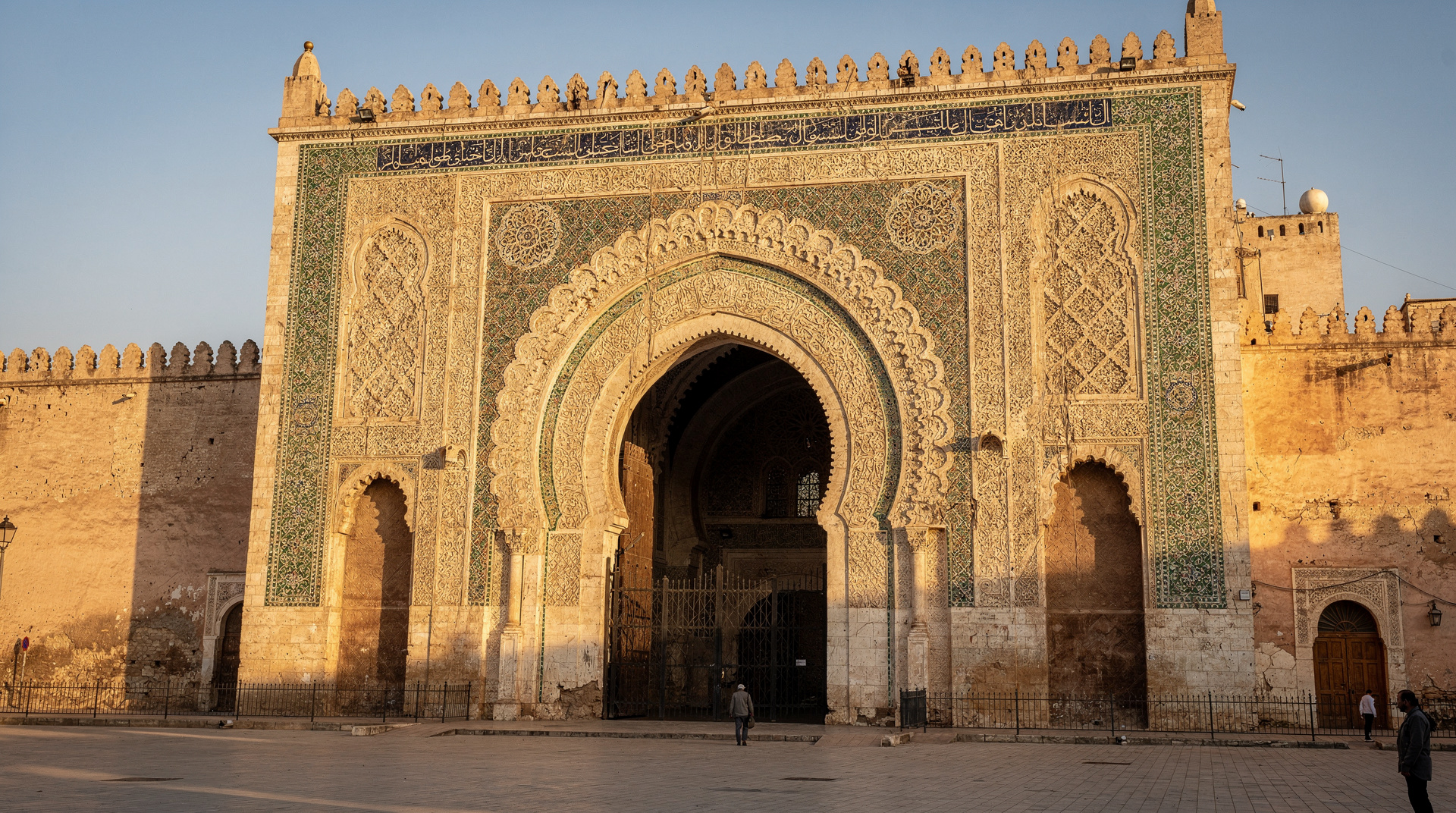
In Fes, the Attarine sits inside the old medina, so it pairs naturally with the Fes souks guide and with a wider look at Fes. In Marrakech, Rahba Kedima is one stop among many, so read the Marrakech city guide before you decide how much time to give it.
If bargaining makes you nervous, the bargaining guide covers the habits that apply in every souk, and the scams to avoid page explains the tricks that tend to surround high-value purchases like saffron. For fixed prices and clearly vetted products, the artisan cooperatives guide is a useful complement to the souk.
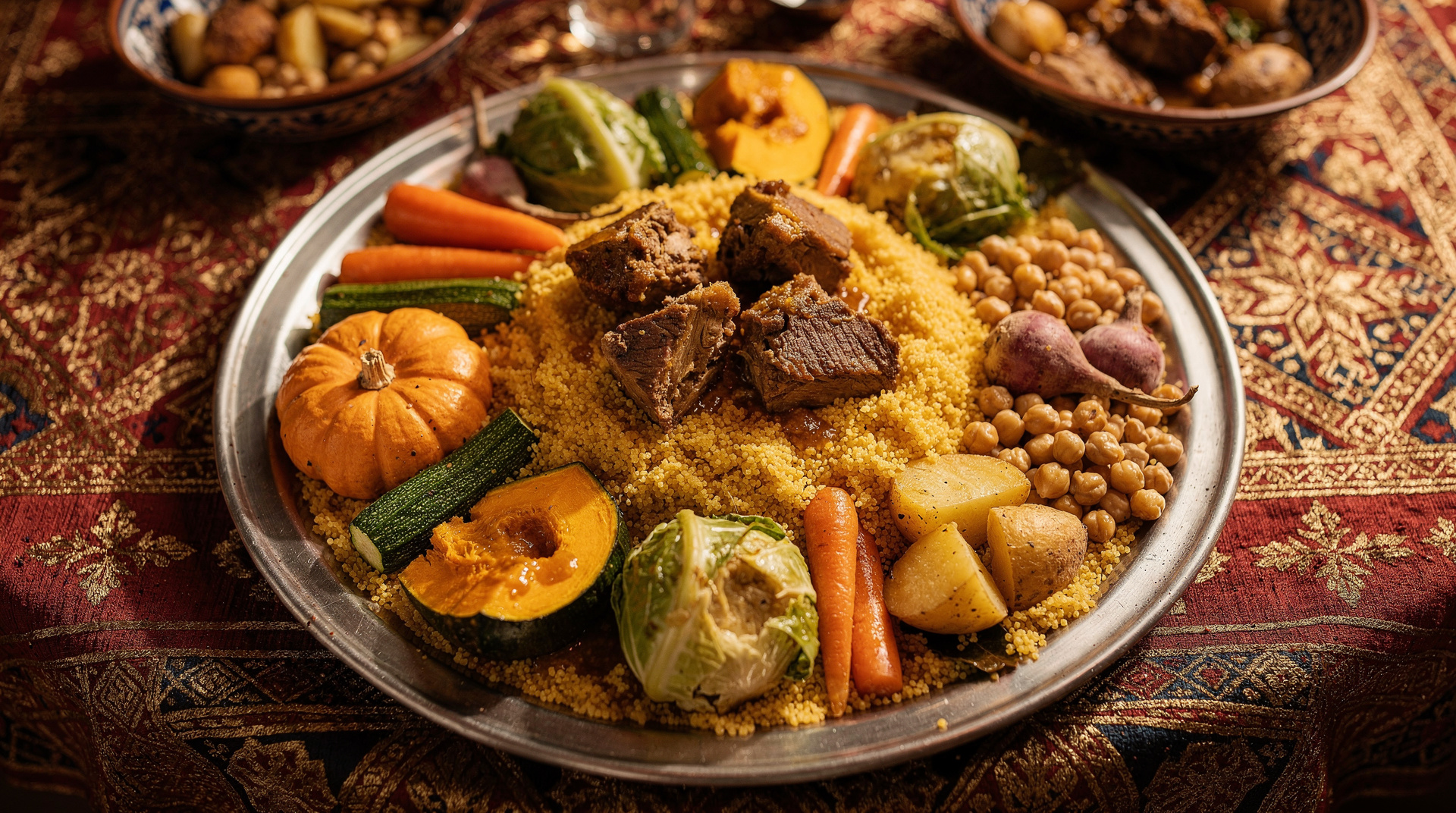
Once the spices are in your bag, the best way to use them is in the dishes they were made for: start with the tagine guide and the couscous guide, and keep the mint tea ritual in mind for the end of the meal. If you want to taste spices in their street-food form before you buy, the Marrakech street food guide is a good place to begin.